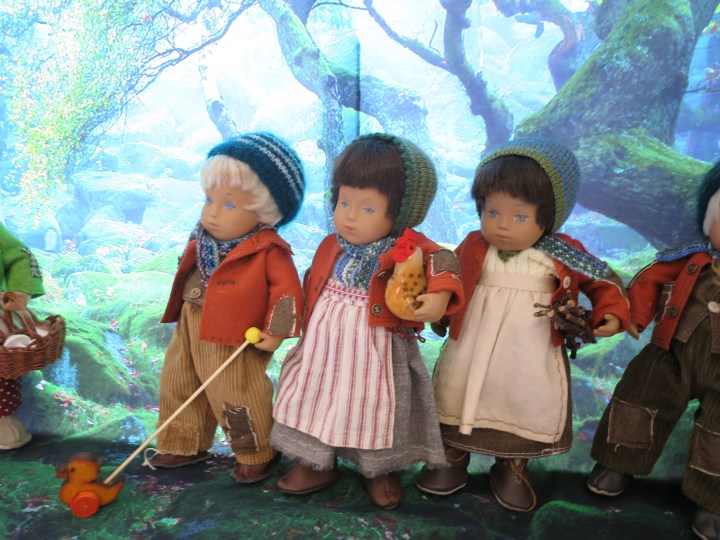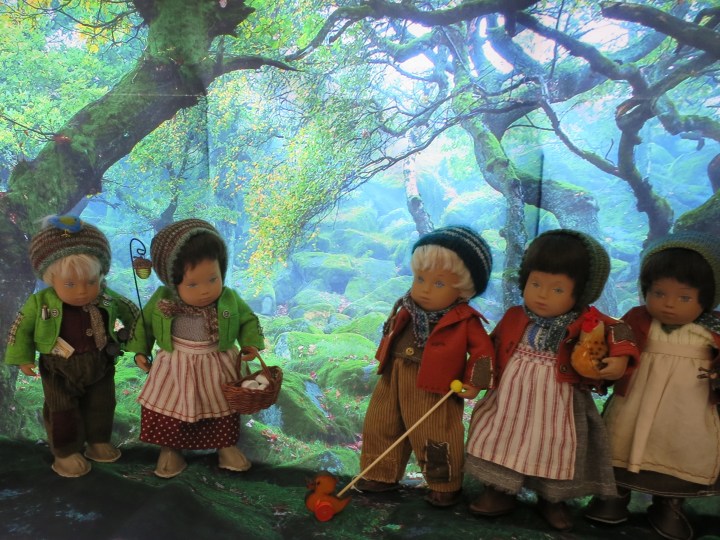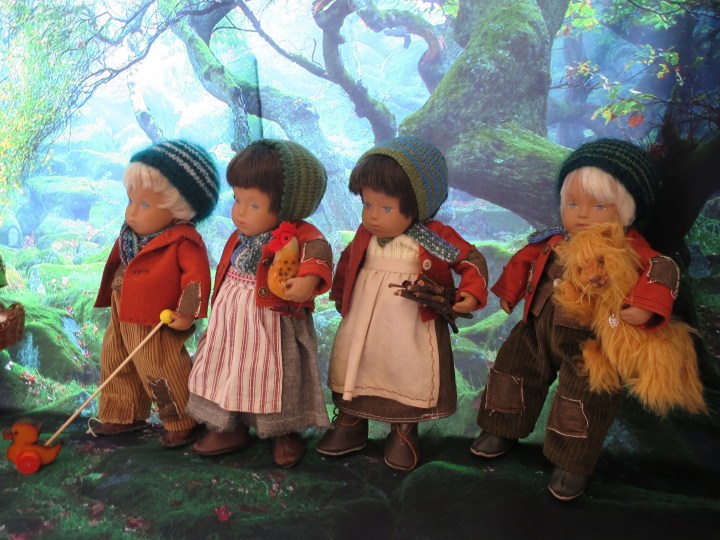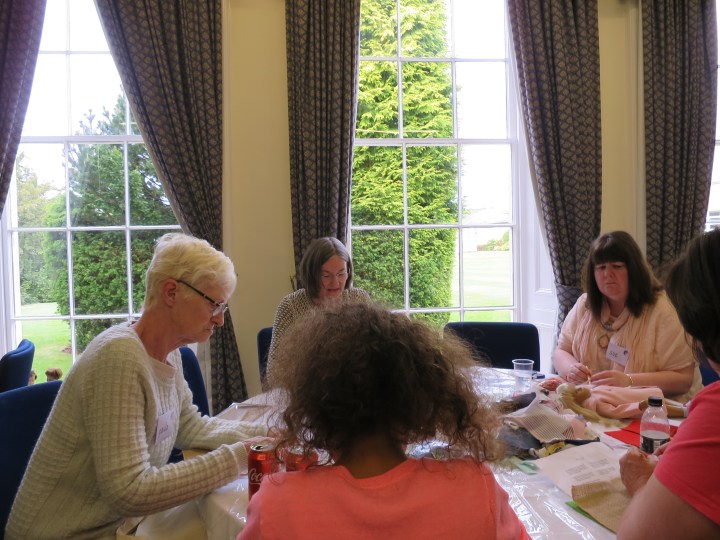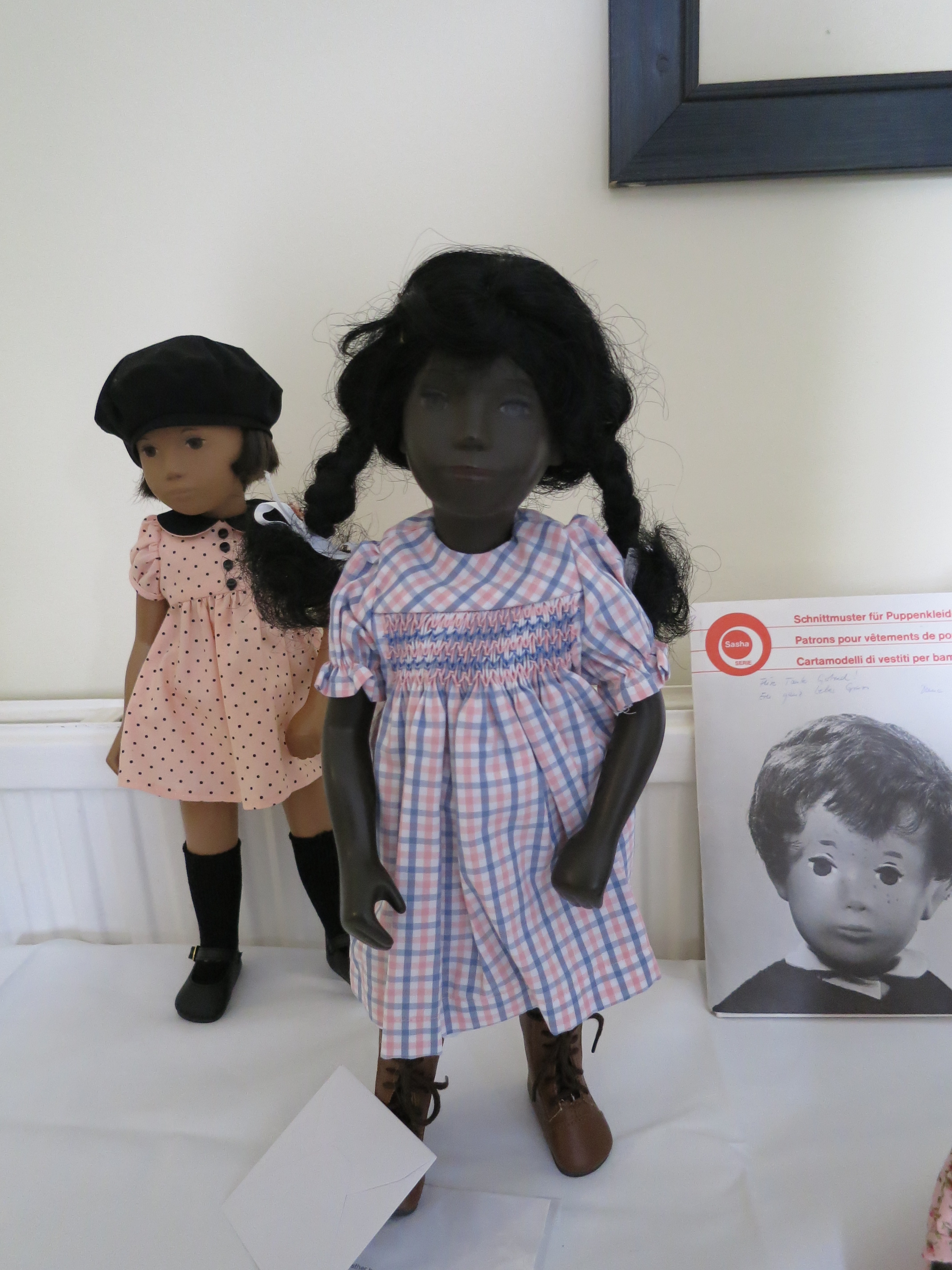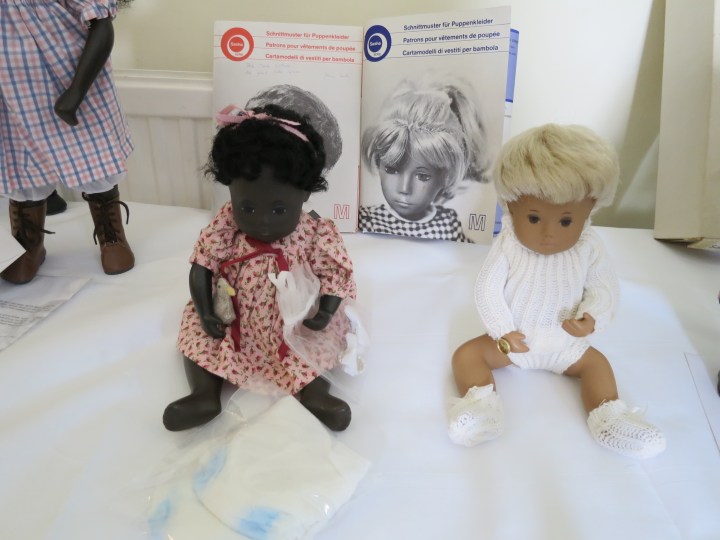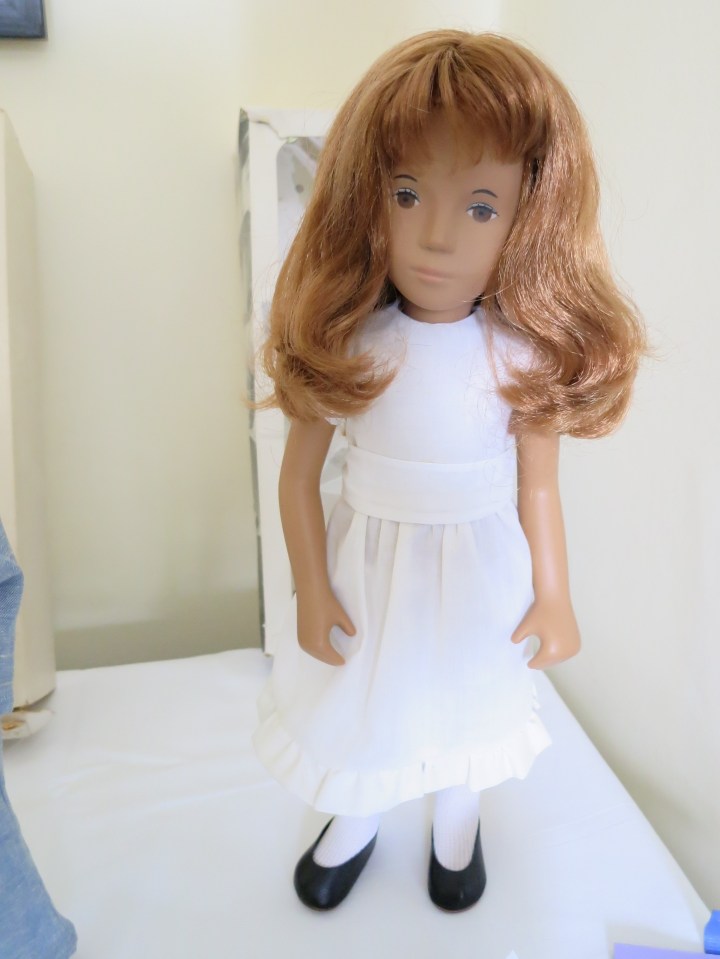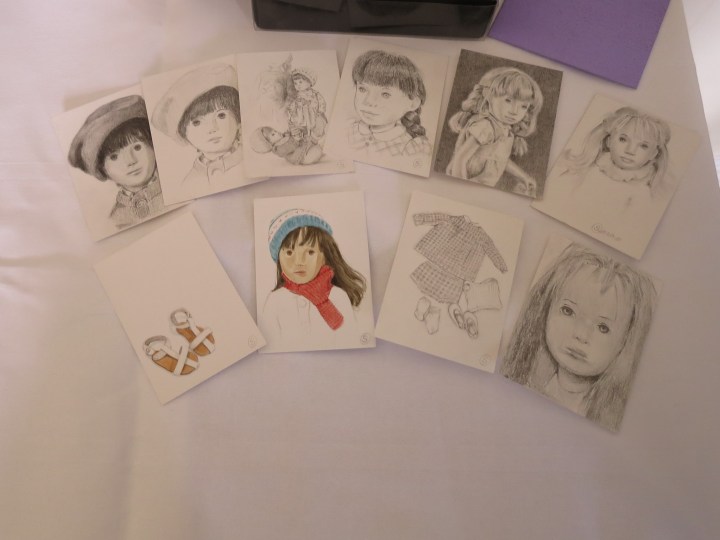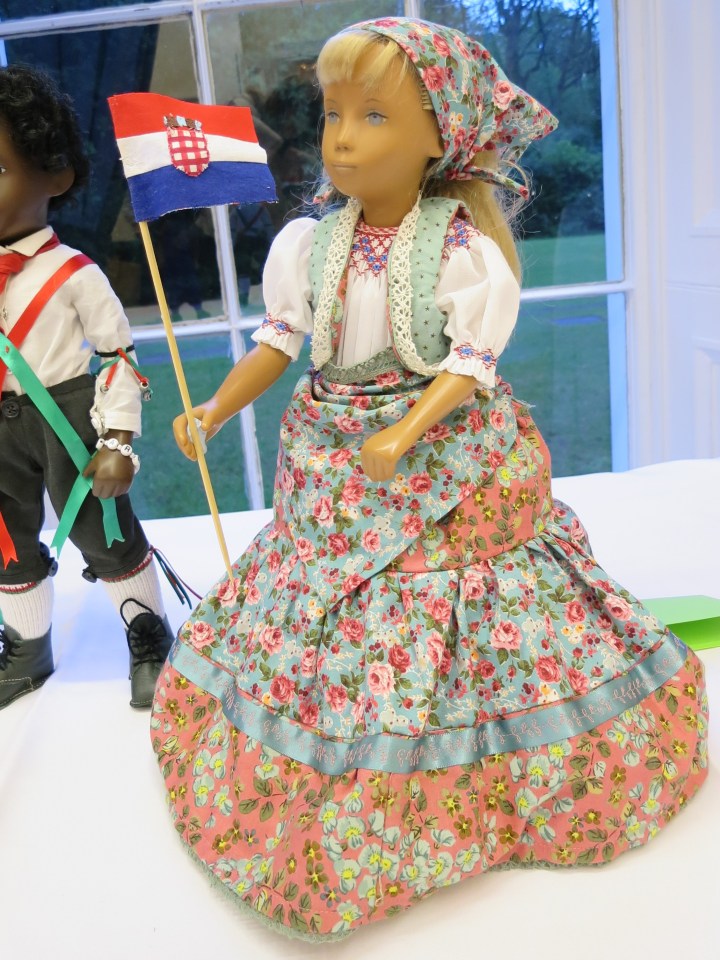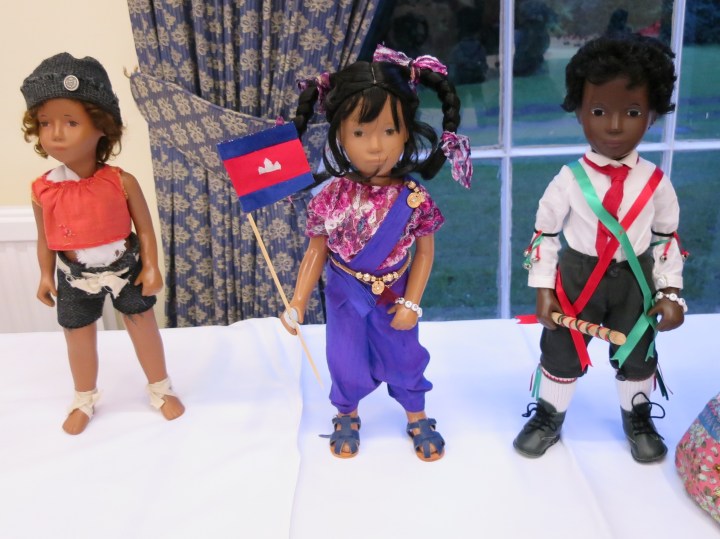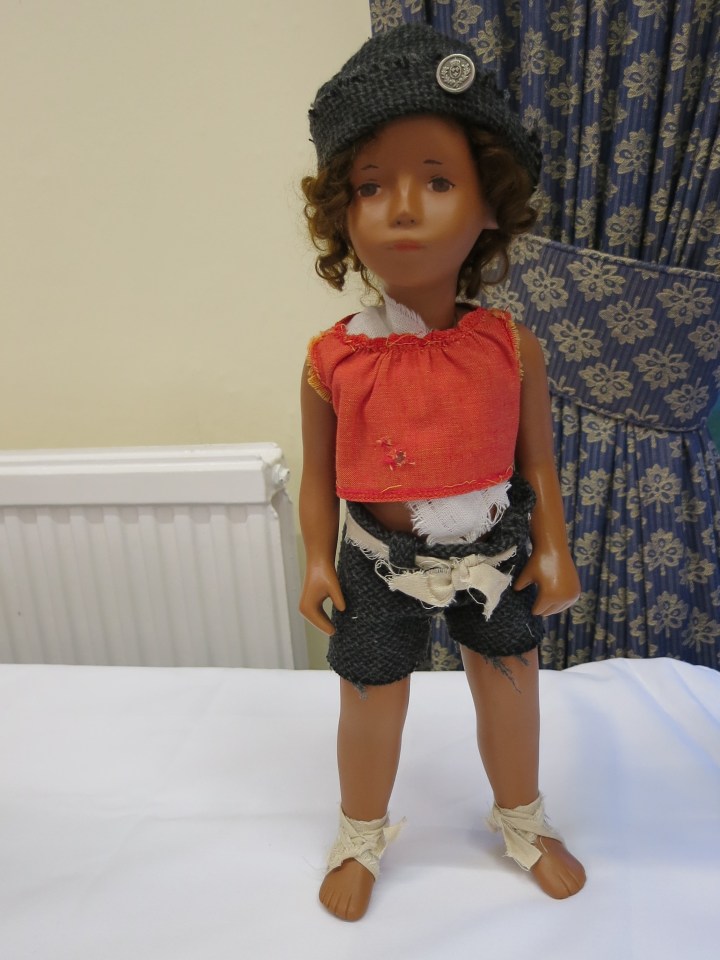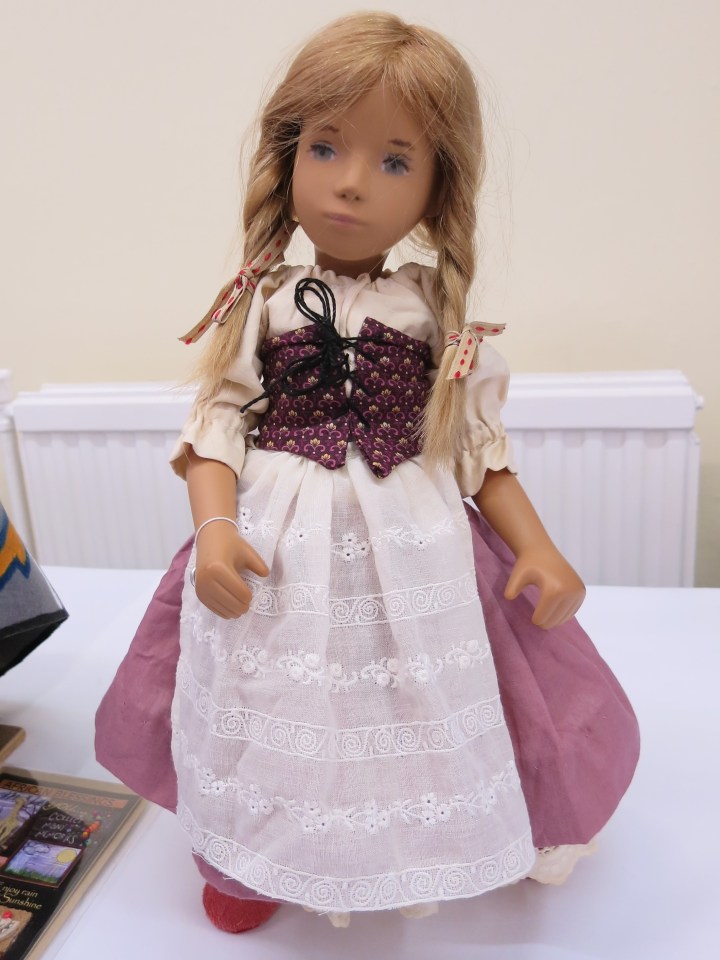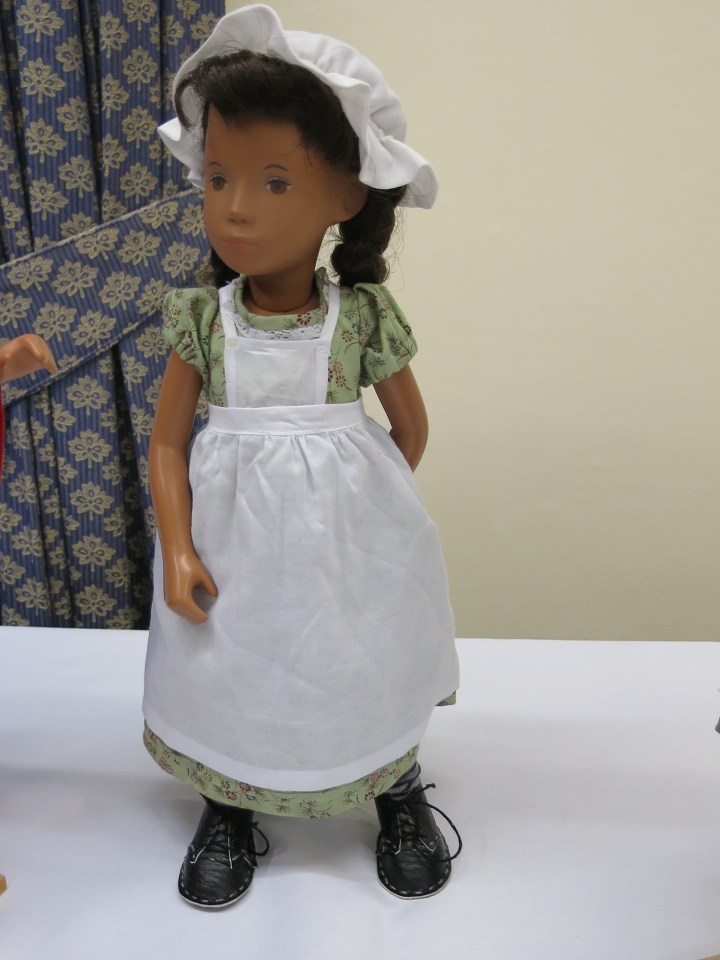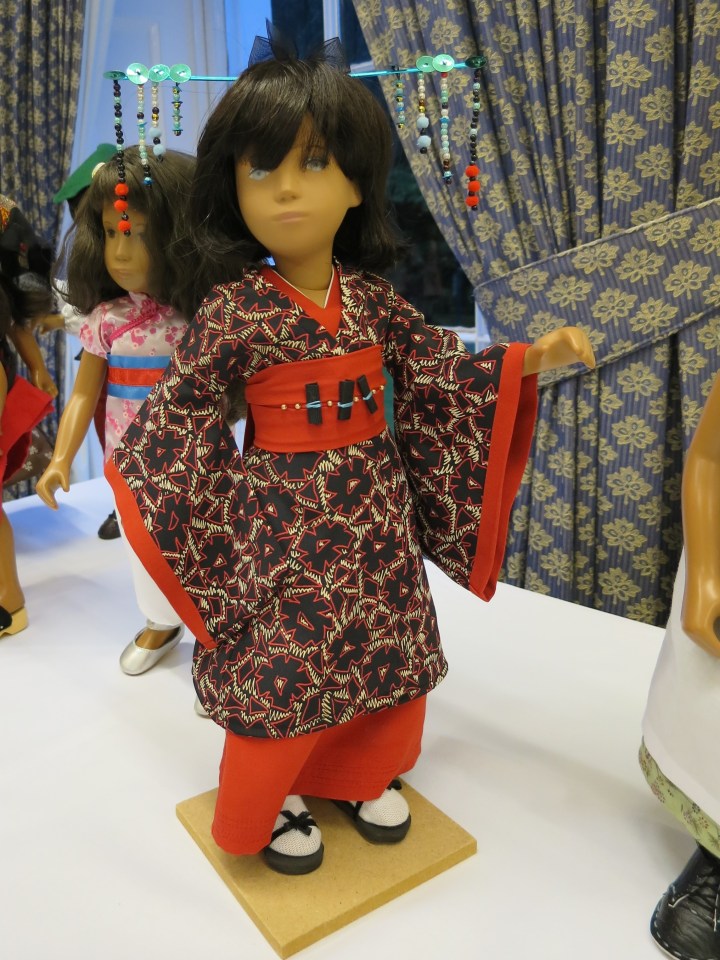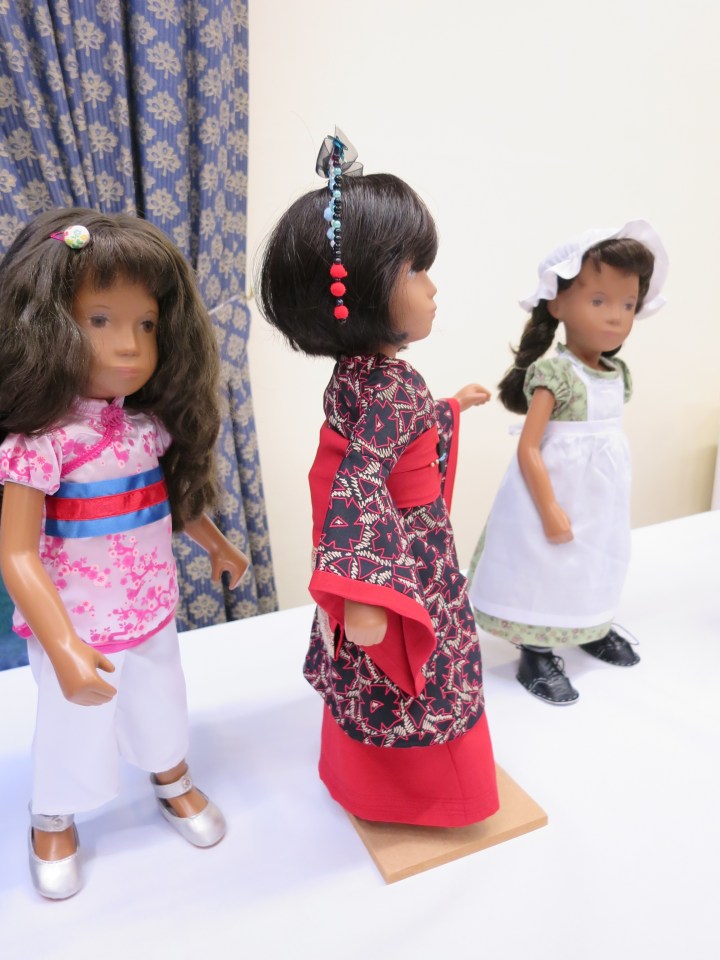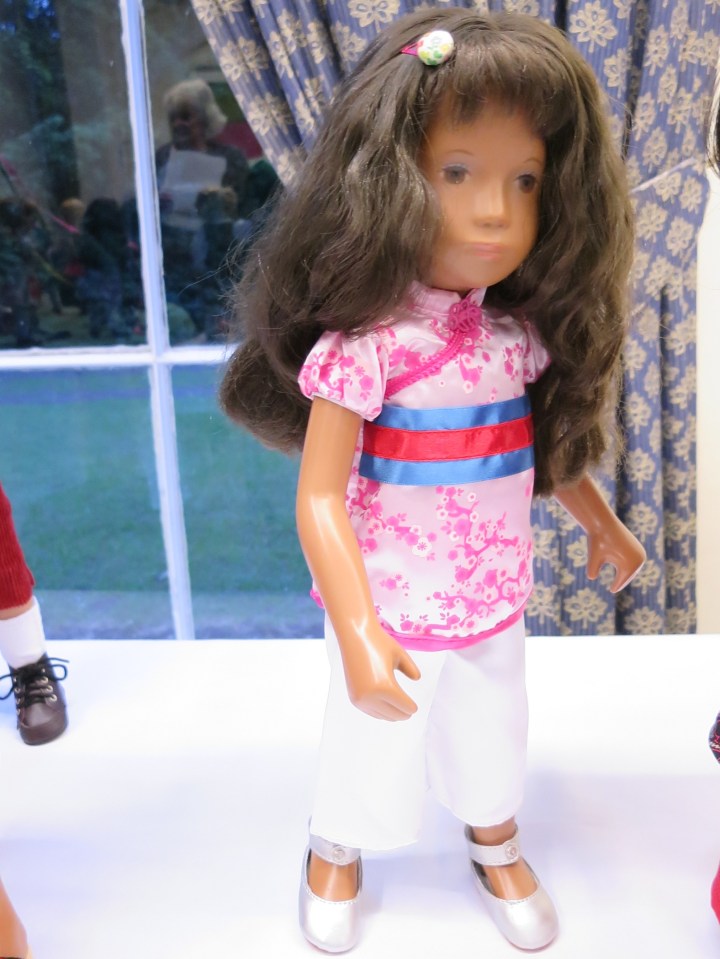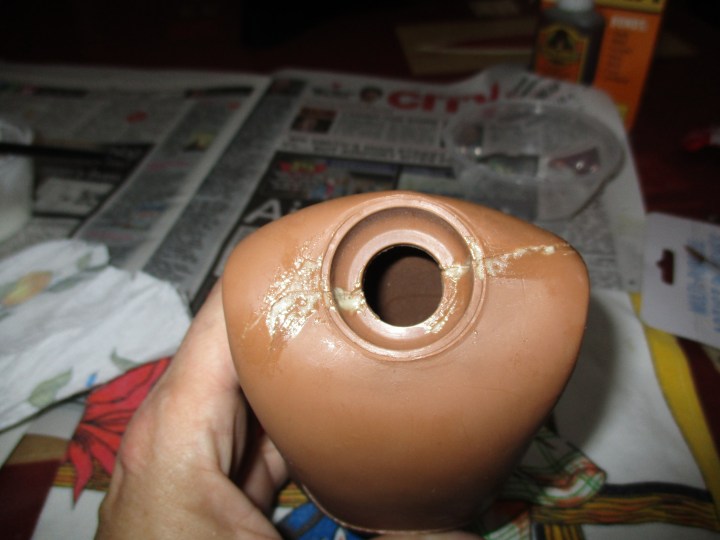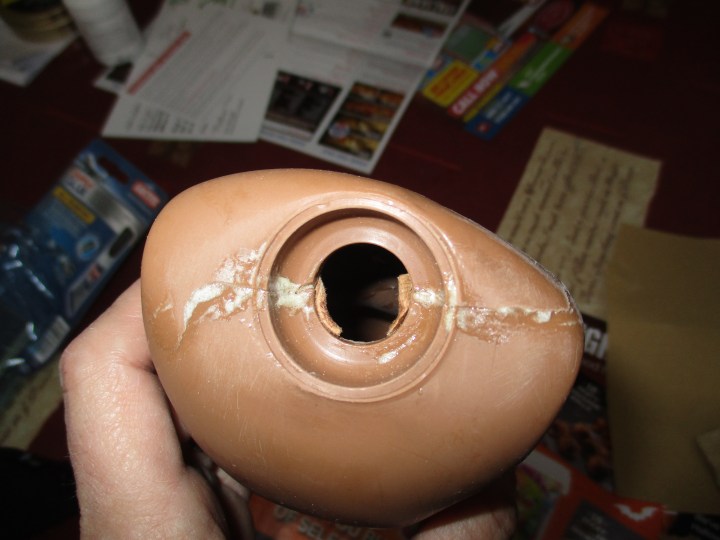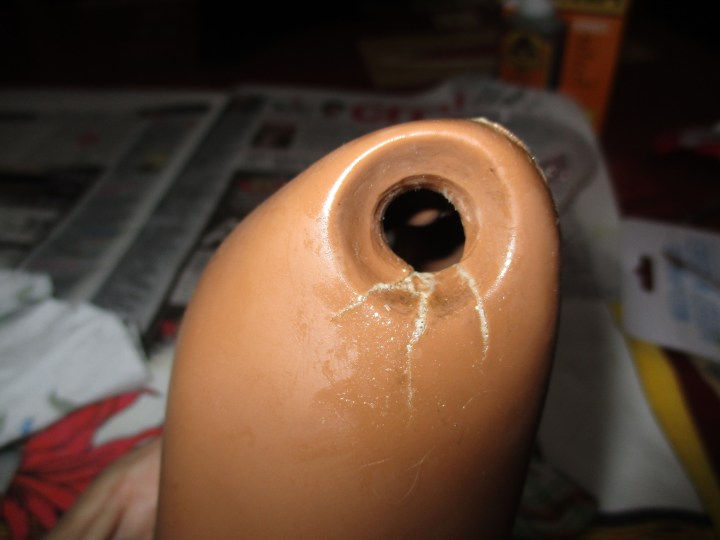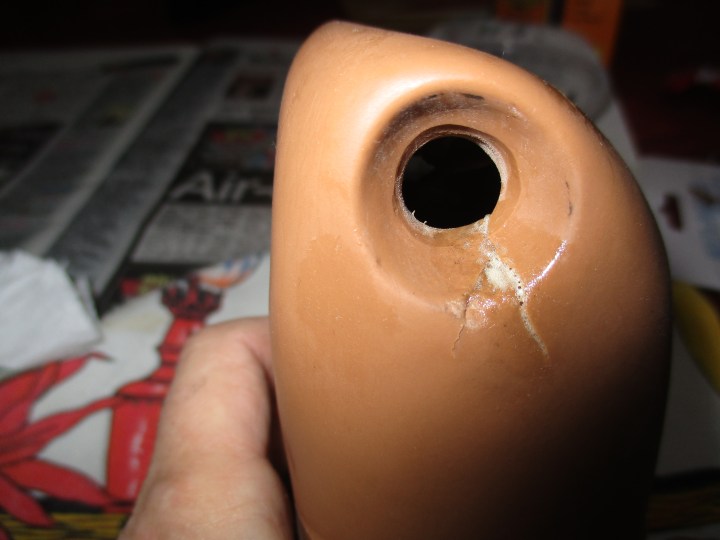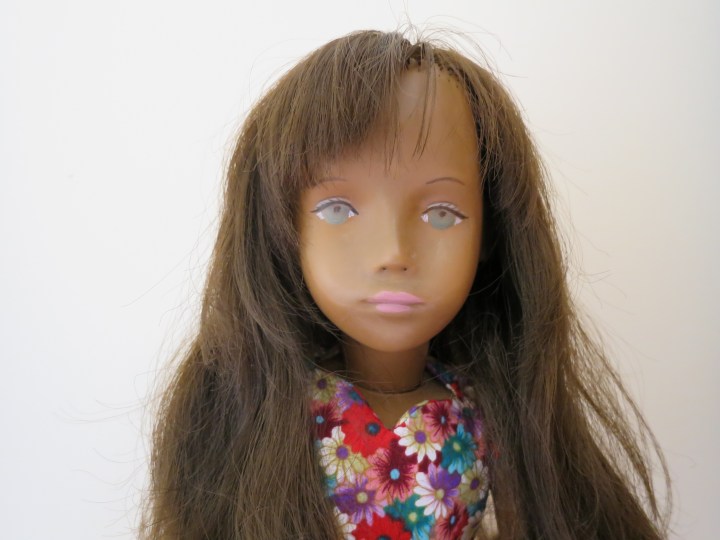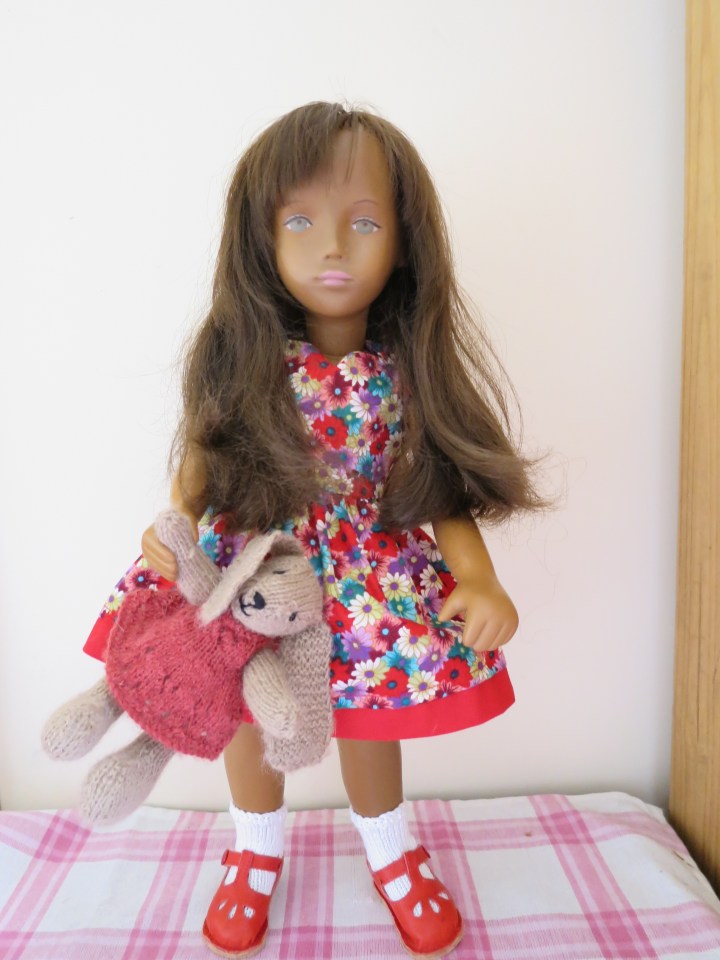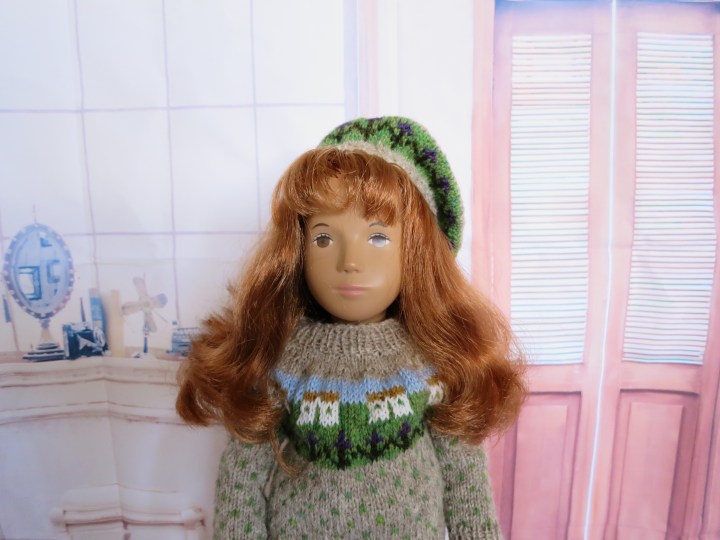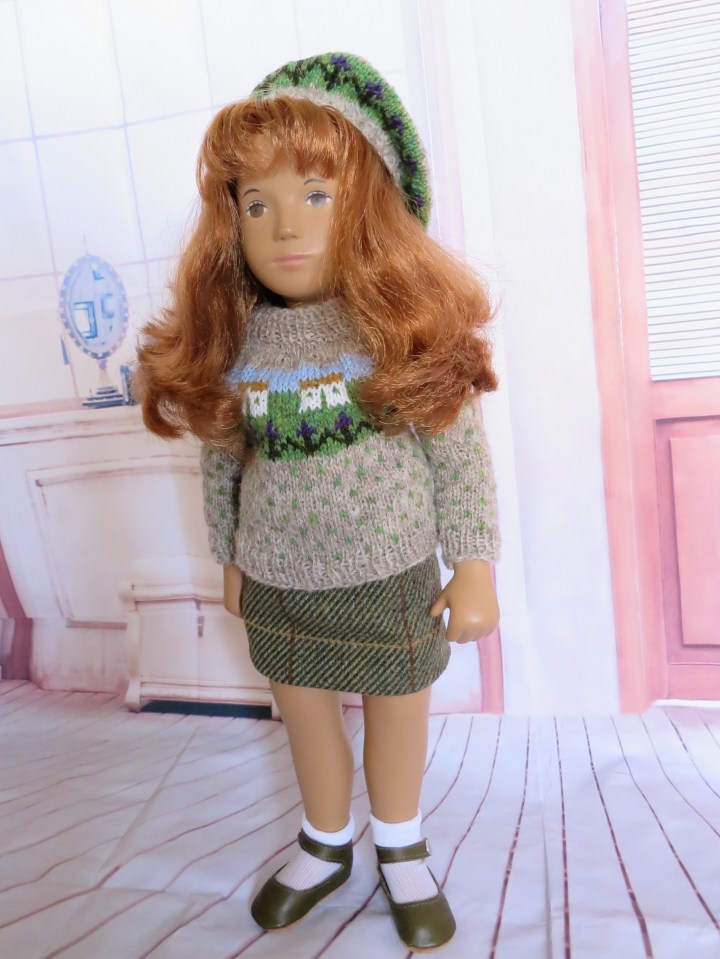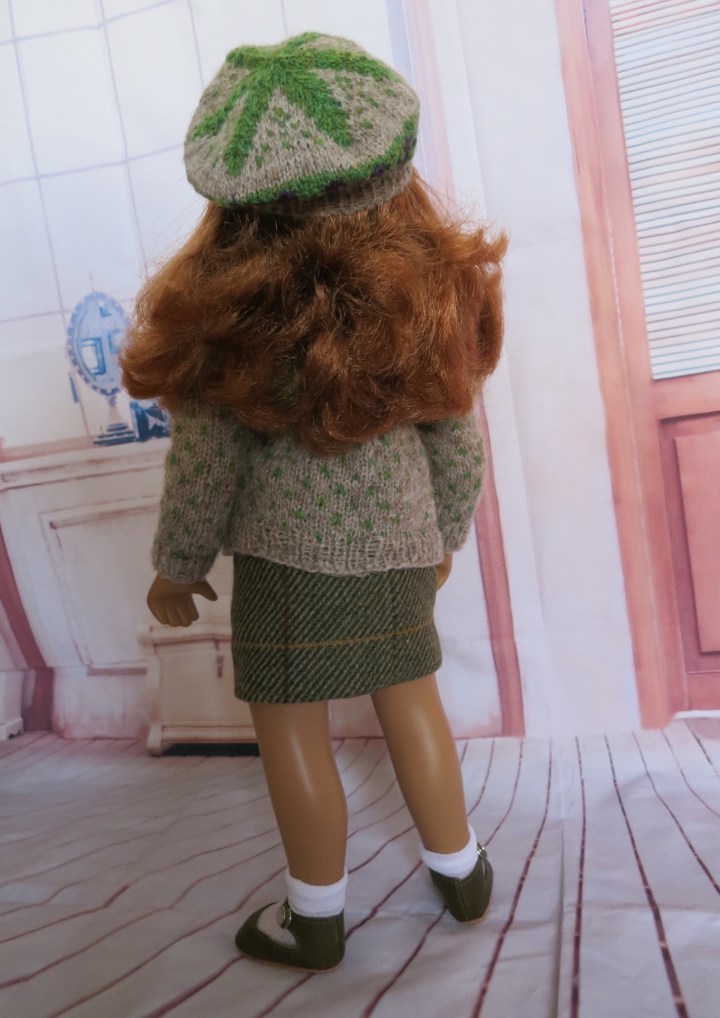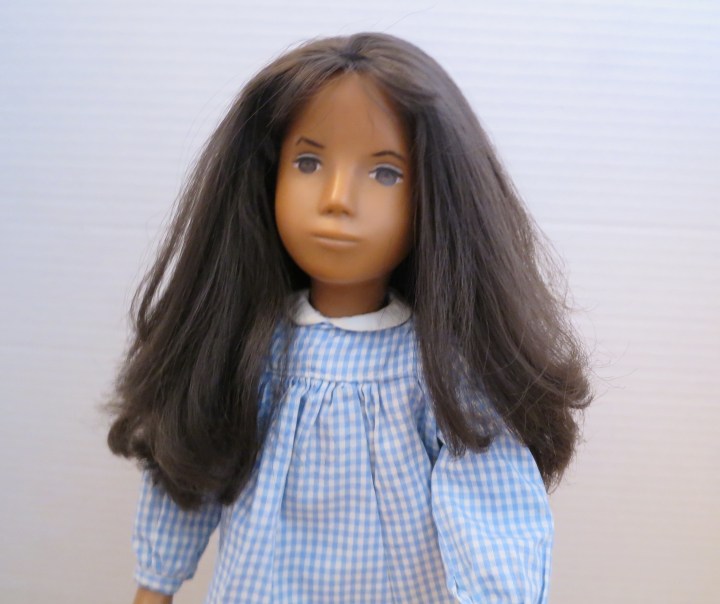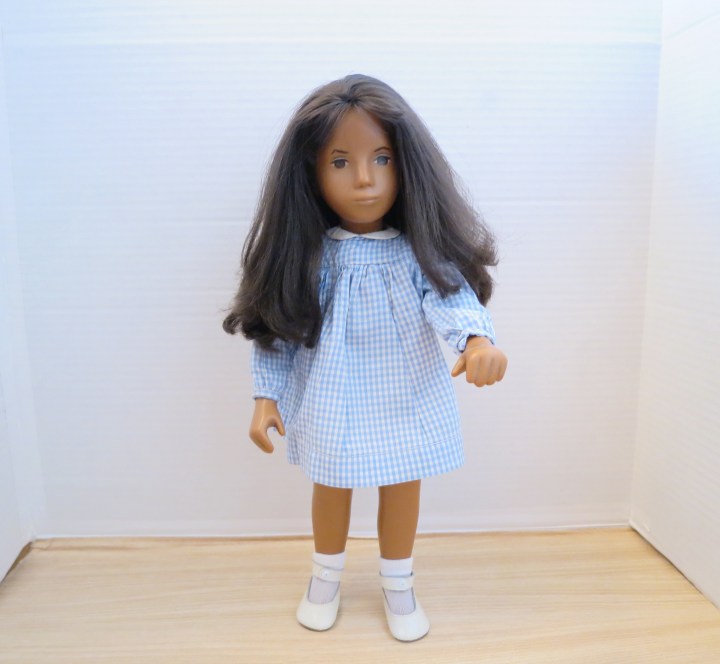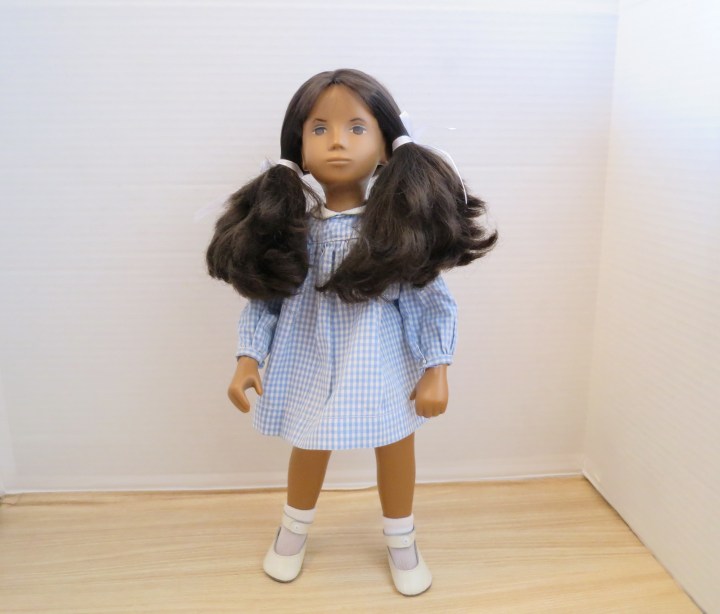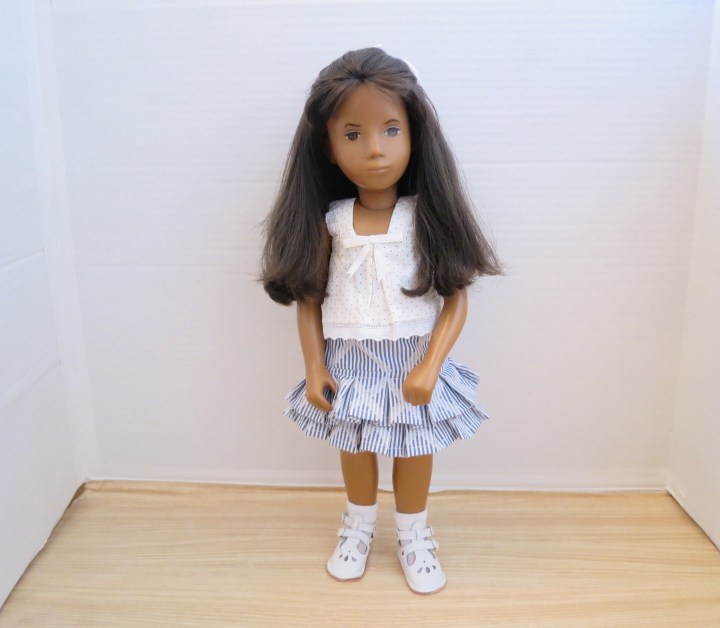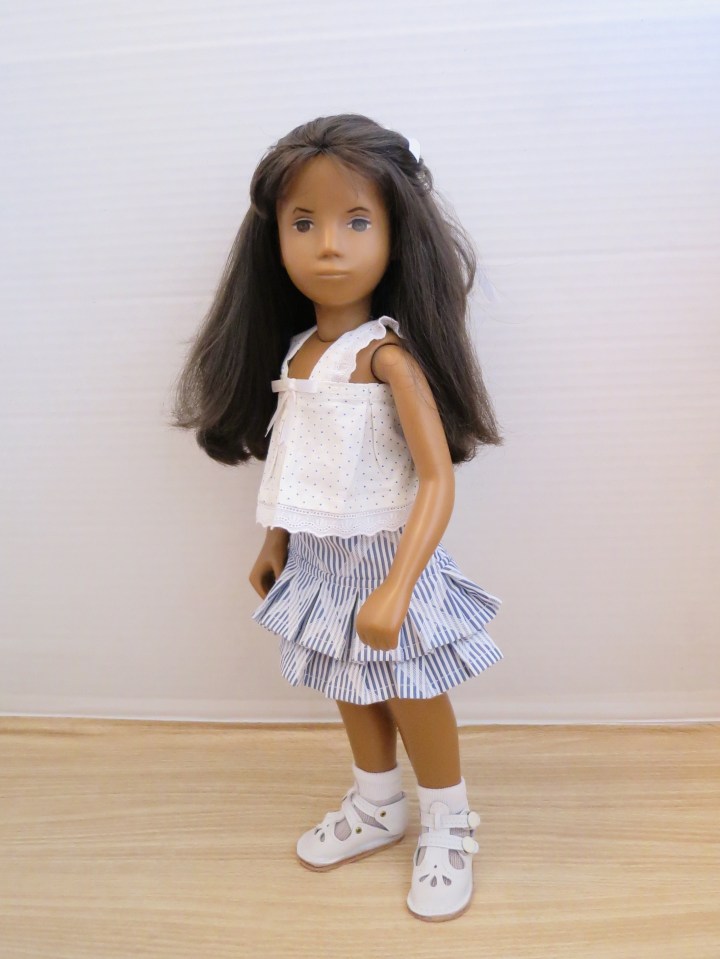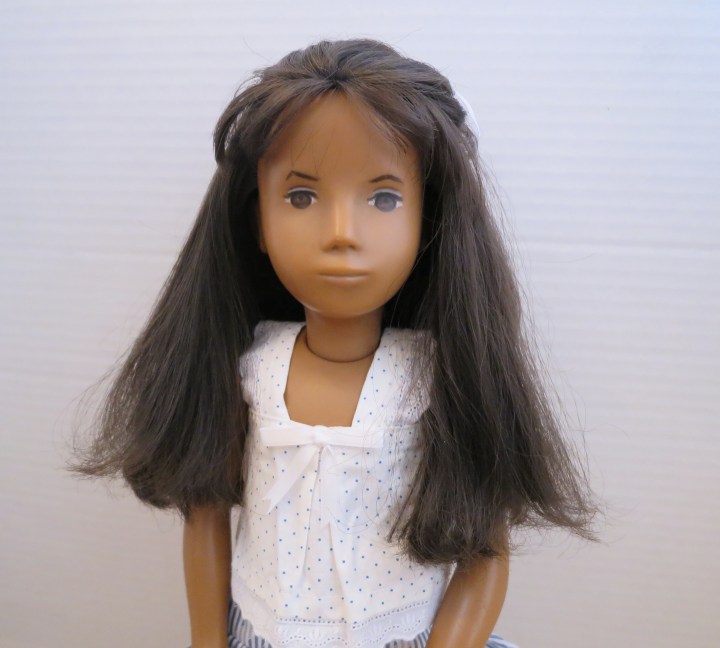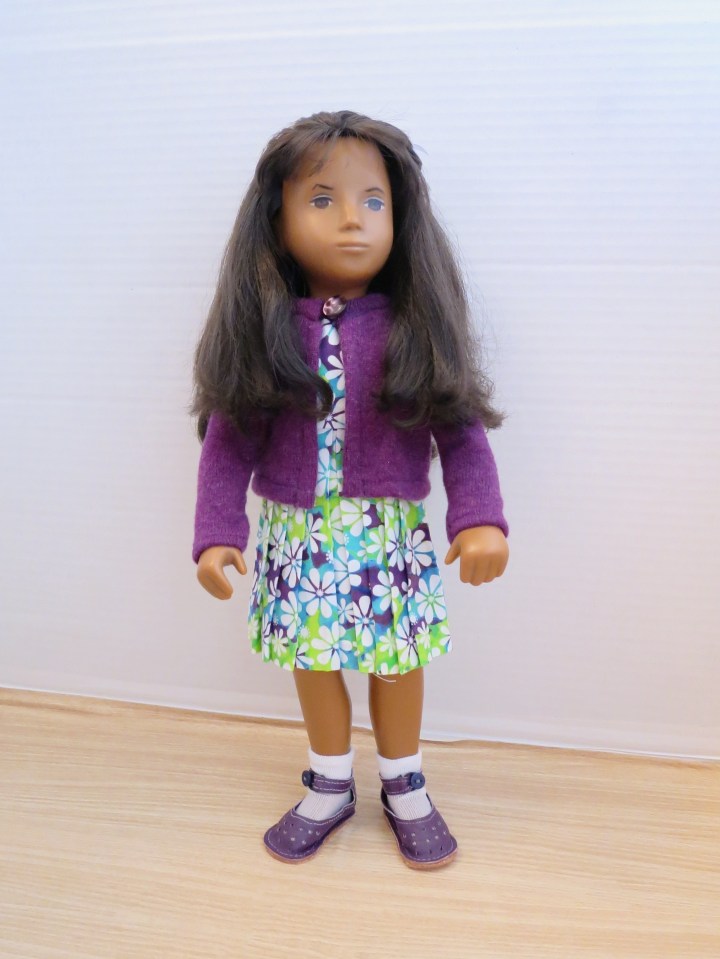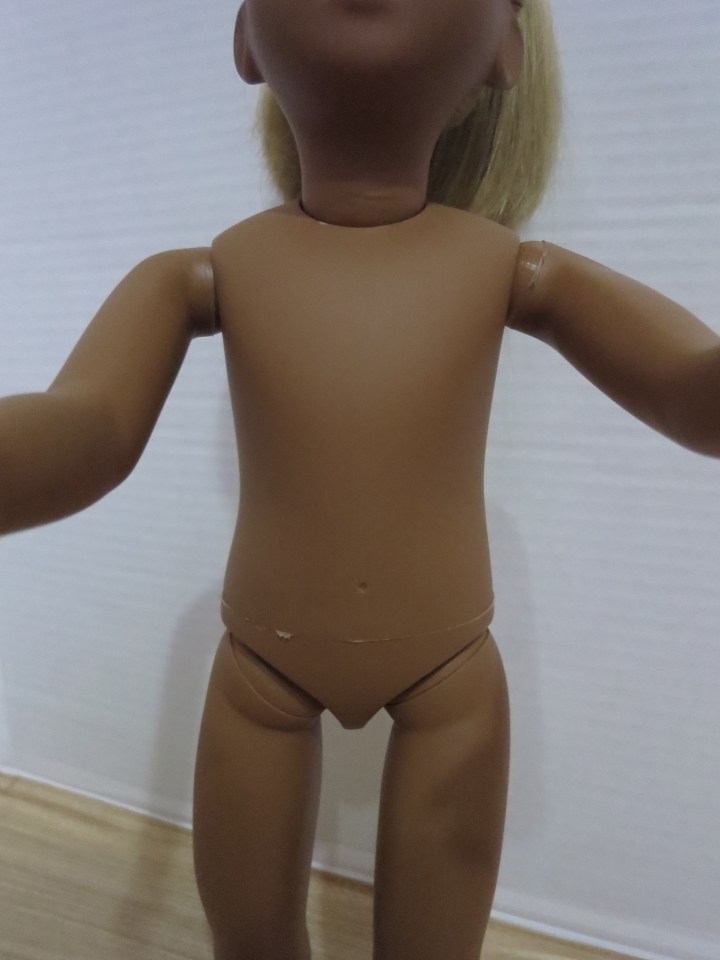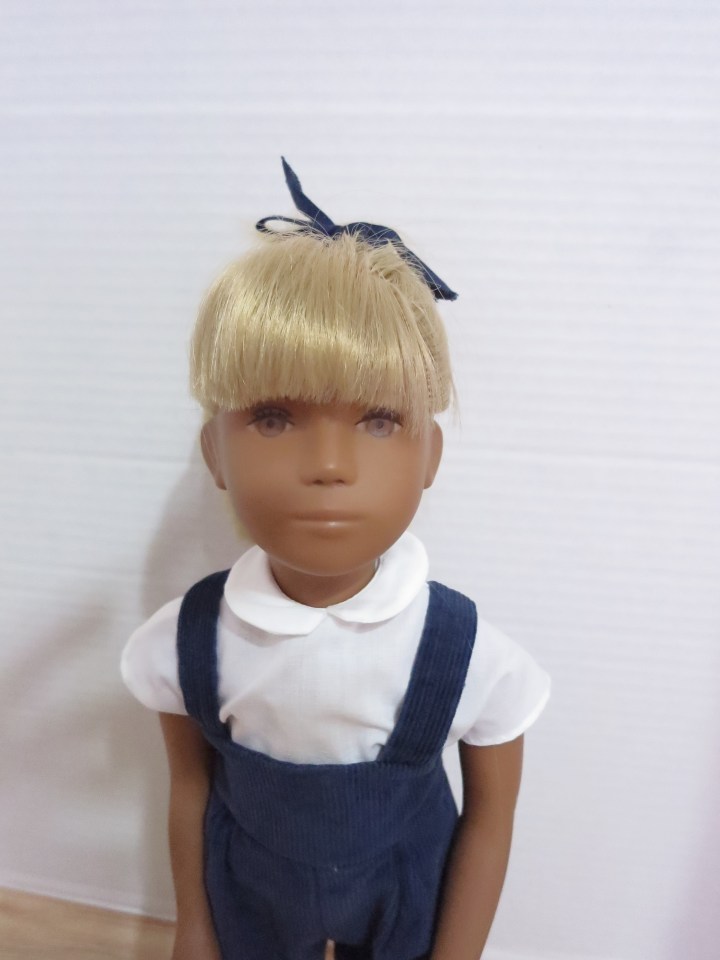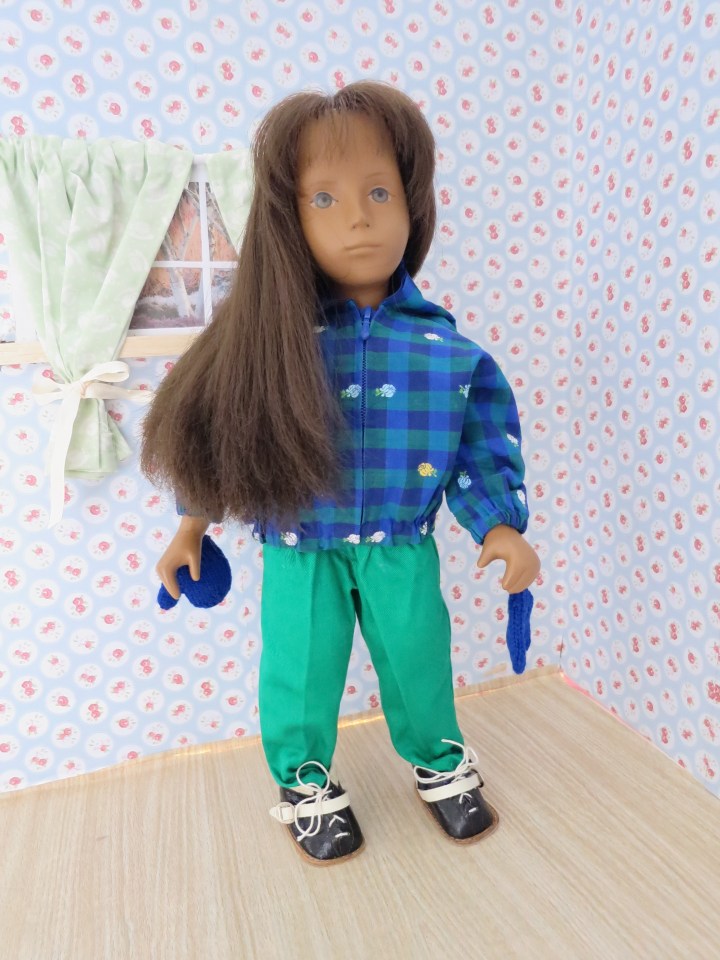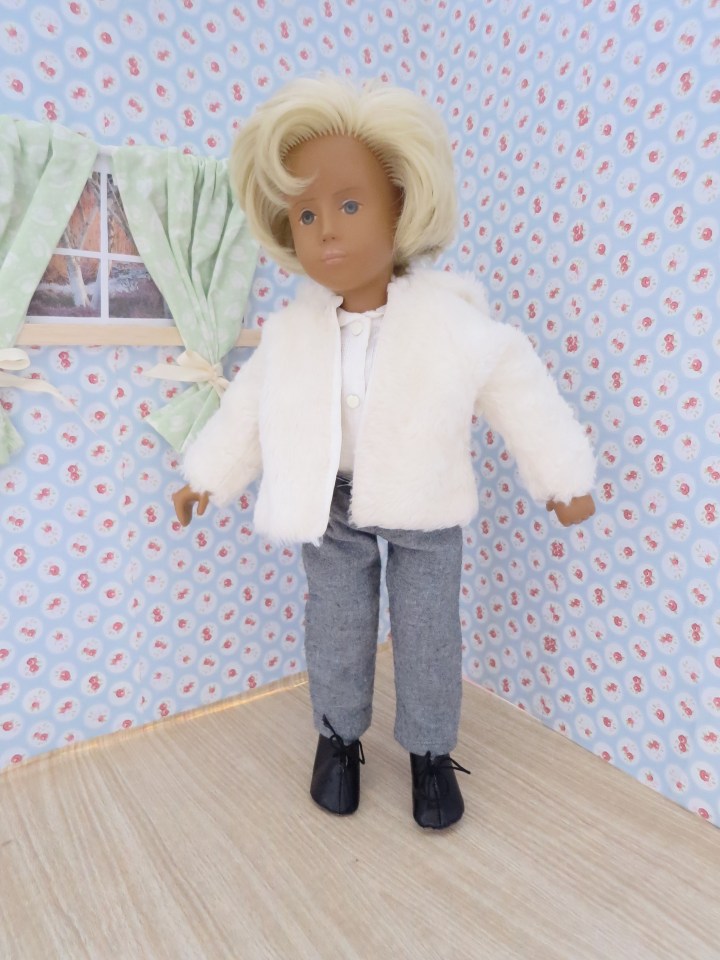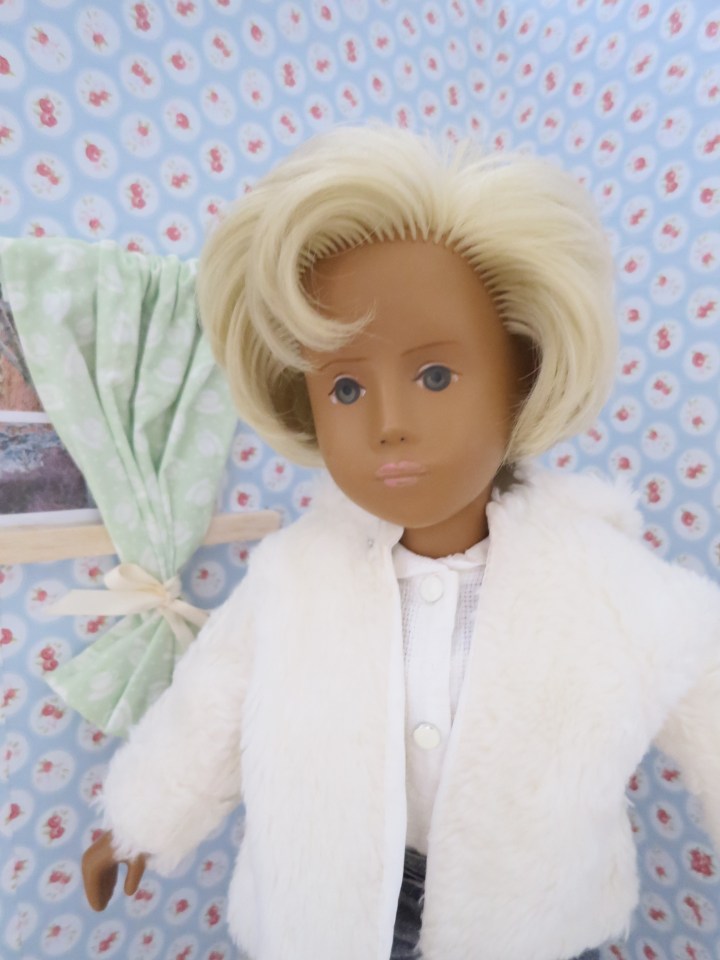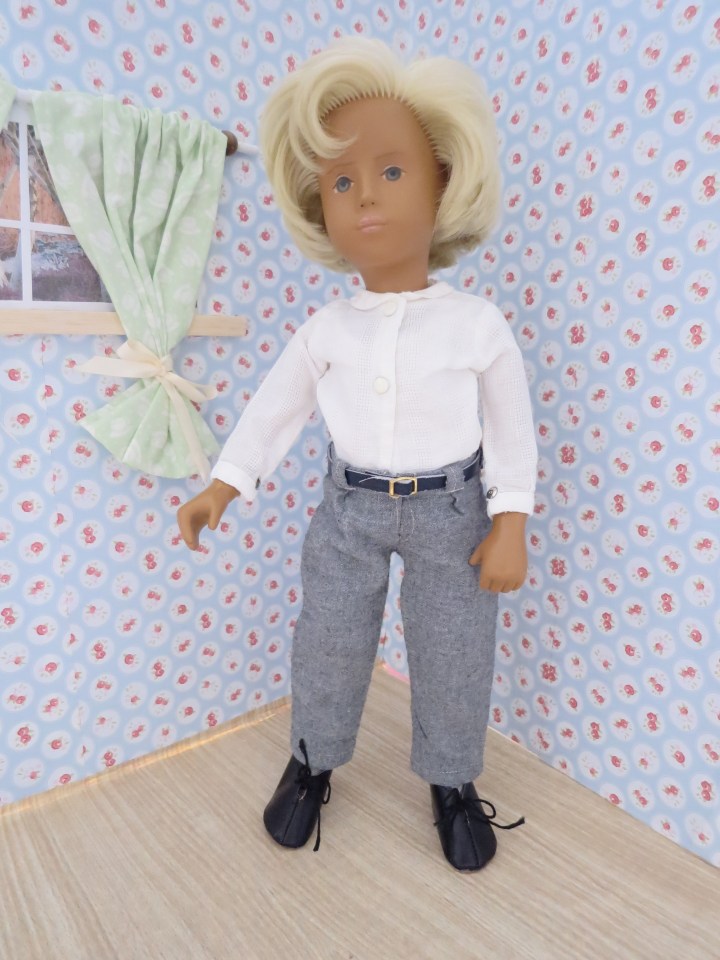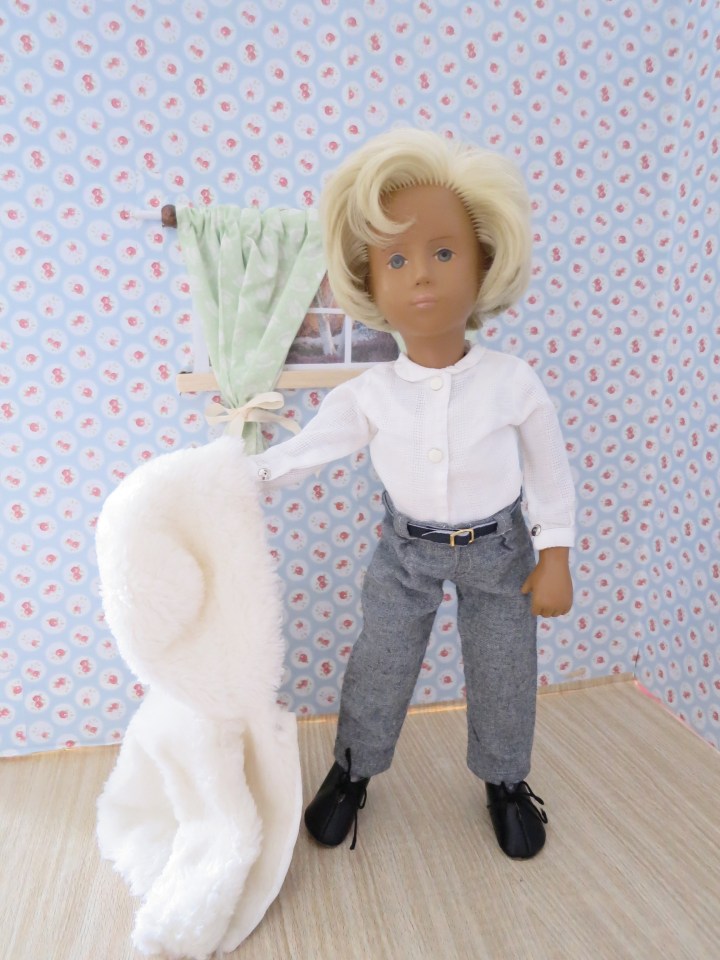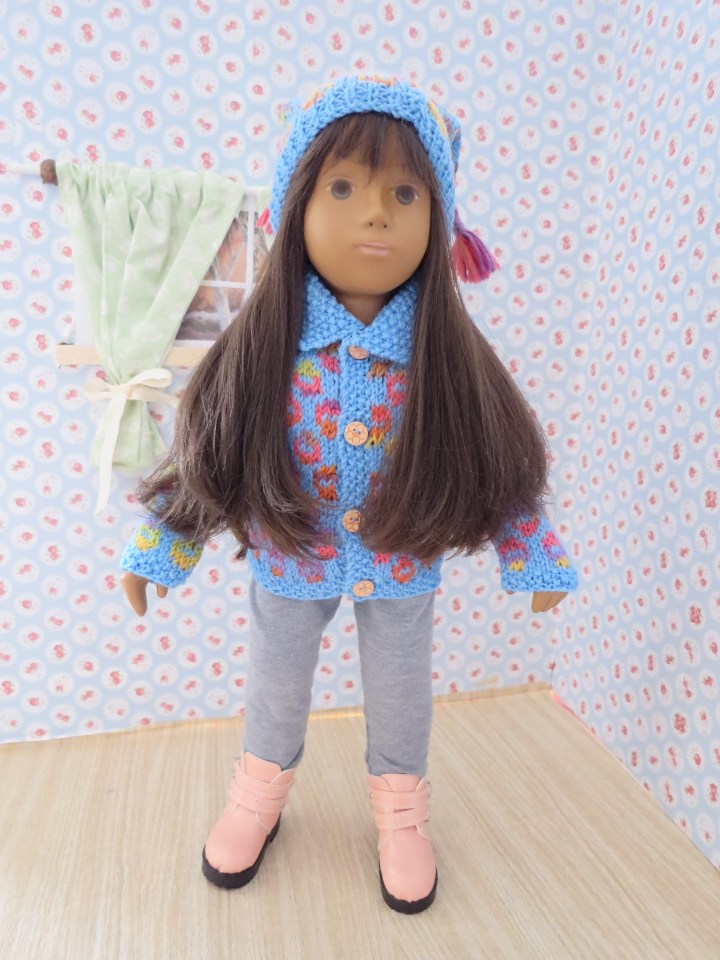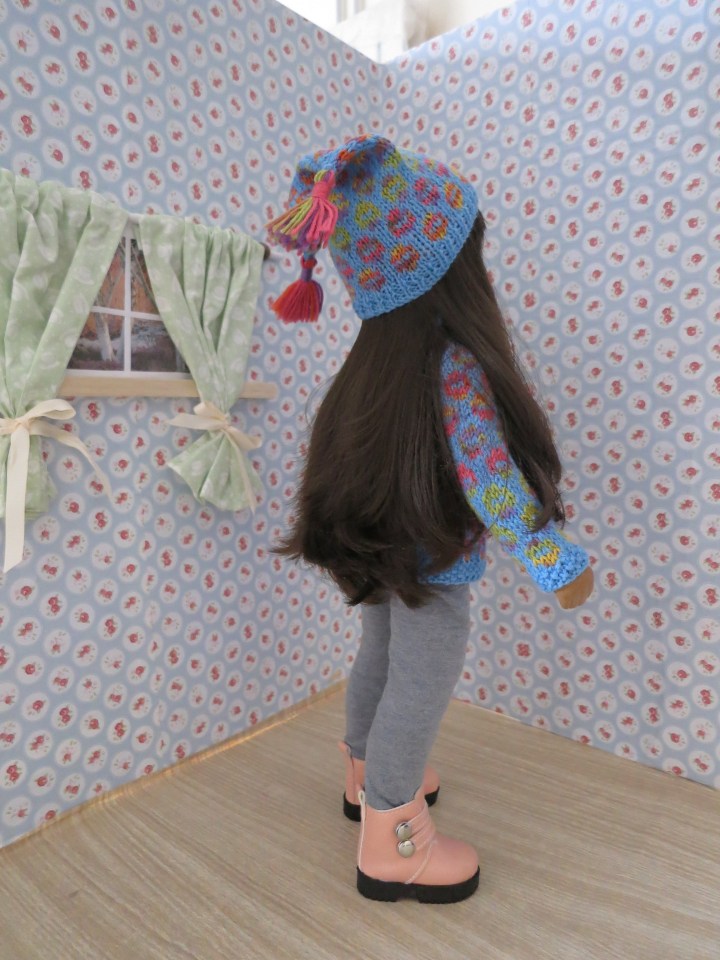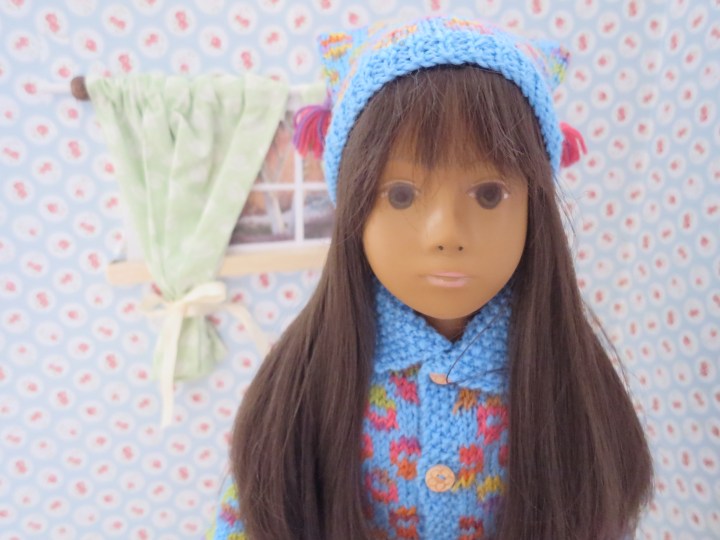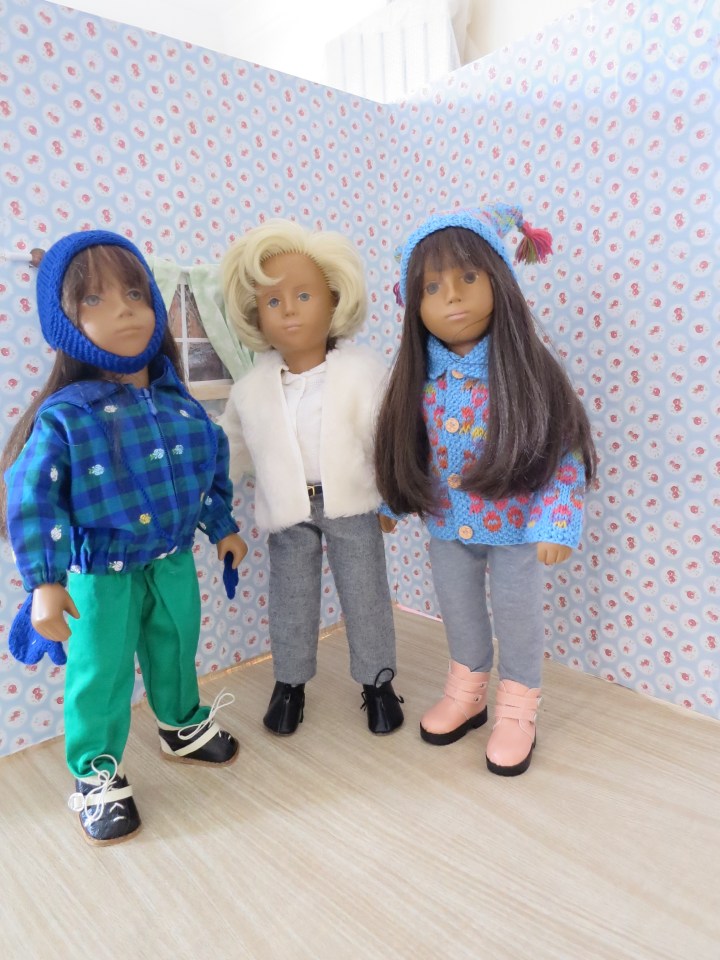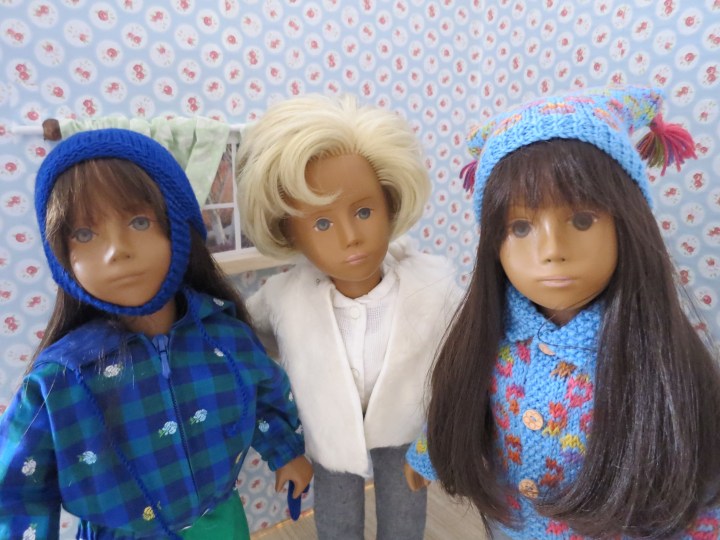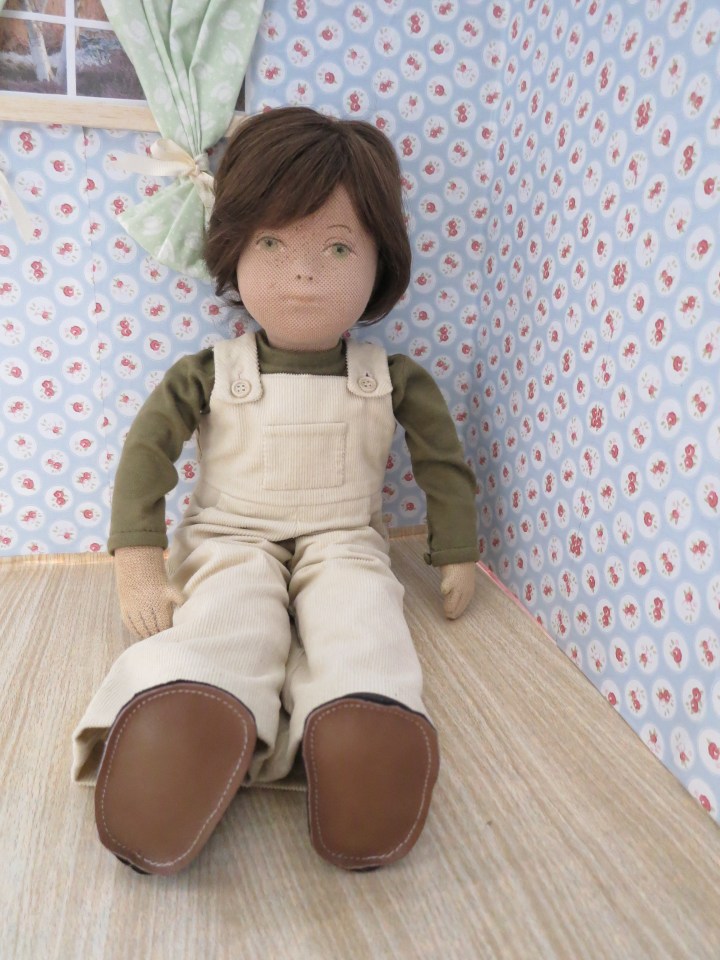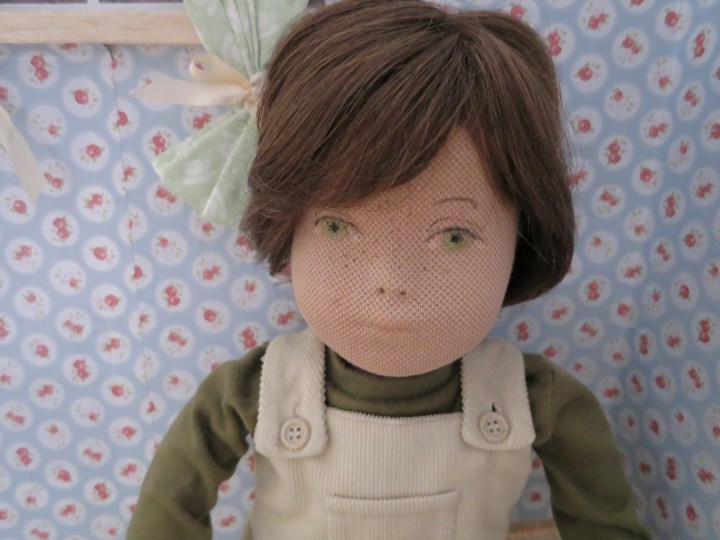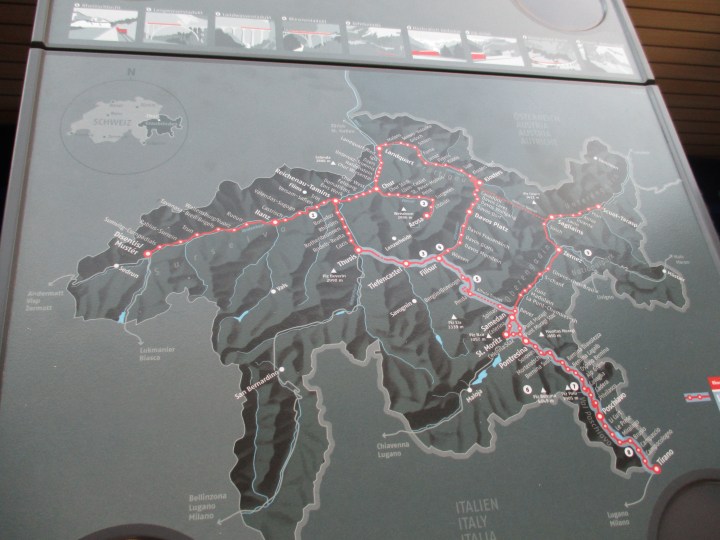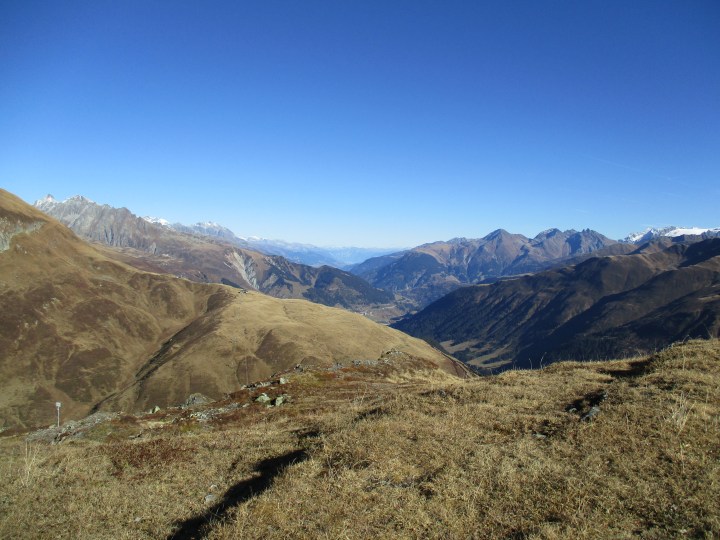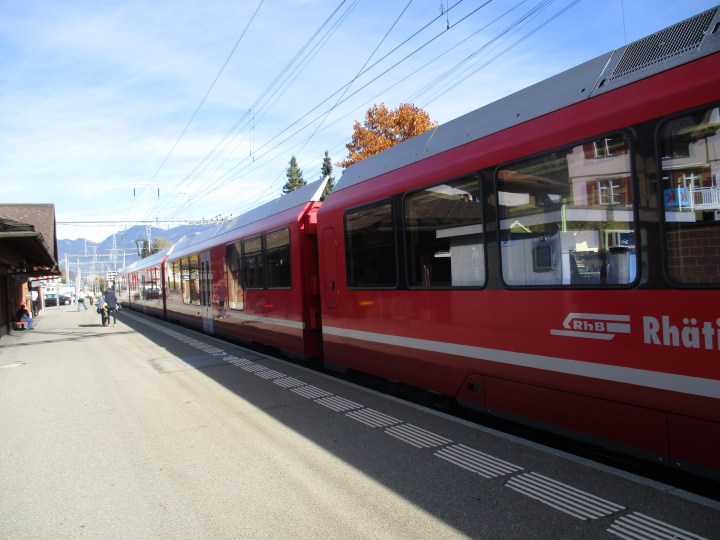
Hi my name is Twizel and i manage The sasha Emporium. I keep all the Sasha dolls in line and manage their shop. The Sasha Emporium sometimes has things for sale relating to Sasha dolls. Information, stories and tips,but mostly we like to have fun. (This site will take over from Twizels sasha Emporium, from December 2015) Enjoy!!


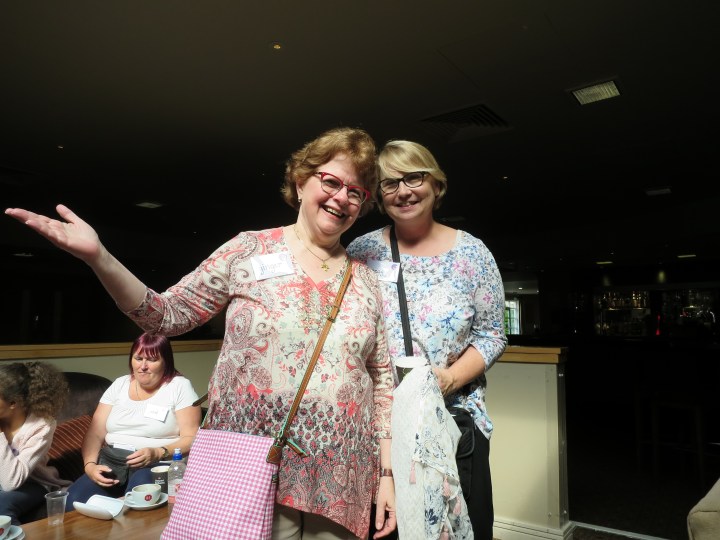
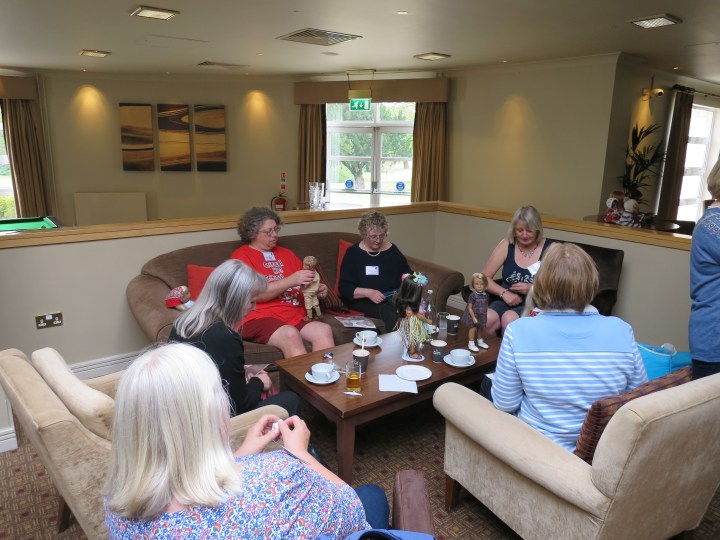
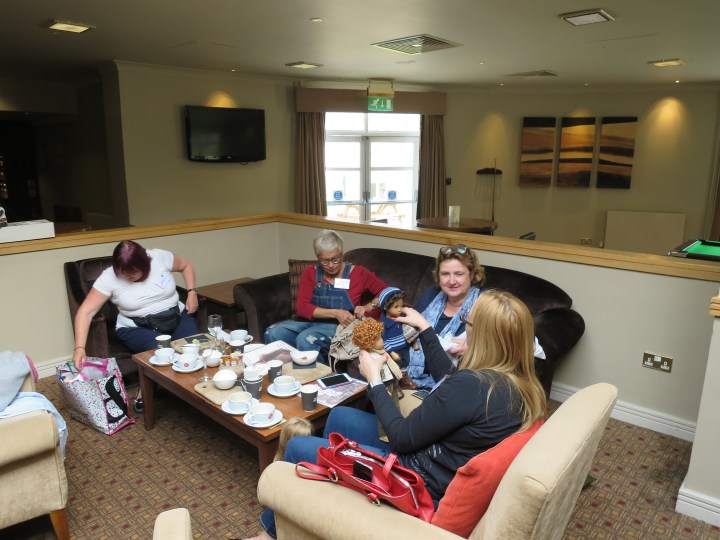
After picking up Anette and Brigitte from the airport we headed up to Nottingham for the 2017 Sasha Celebration Weekend. We arrived and mingled in the bar area while we waited for the others to arrive.

It was wonderful to see old friends and new.

IMG_2287

Ginger and Peggy

IMG_2289

Annette and many more

IMG_2292

IMG_2294

IMG_2295

IMG_2297

IMG_2296

IMG_2298

Once everyone had arrived, we were allocated our rooms and given our programmes and name badges.

I  went  to donate my raffle prizes taking a few photos along the way.

IMG_2299

IMG_2300

IMG_2301

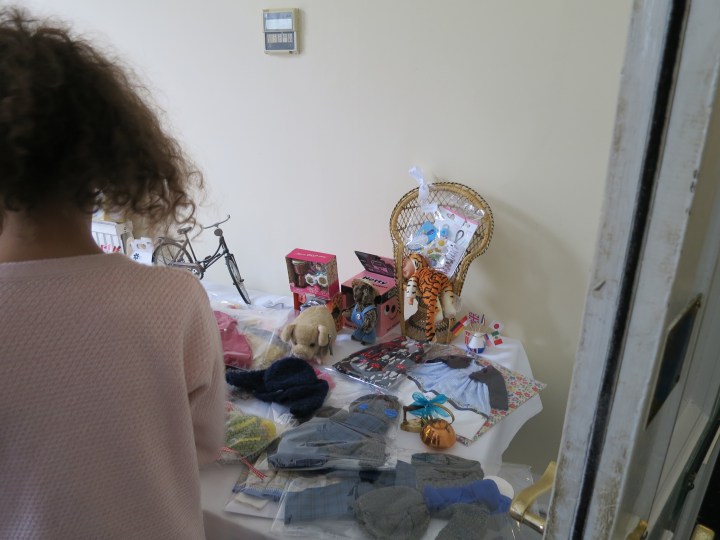
Above are some of the raffle prizes and many more were added to the table later.

Below are photos of the special raffle prize table.

IMG_2303

Below is a beautiful bobbed brunette donated by Kendal, who I think almost everyone wanted to win.


IMG_2305 (2)

Below is a beauty by Kelly Winarski, donated by Peggy

IMG_2304

IMG_2306

IMG_2310 (2)

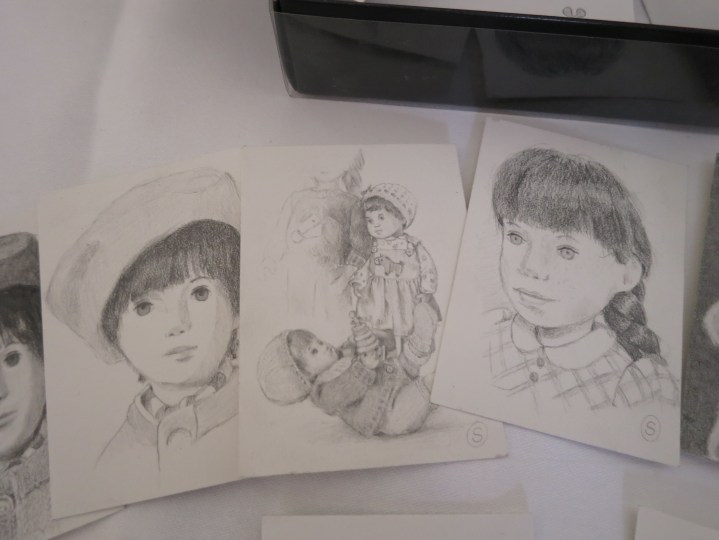
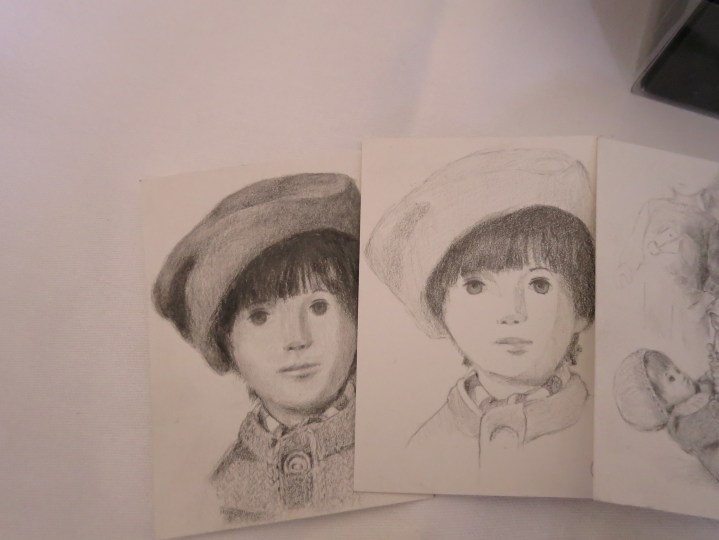
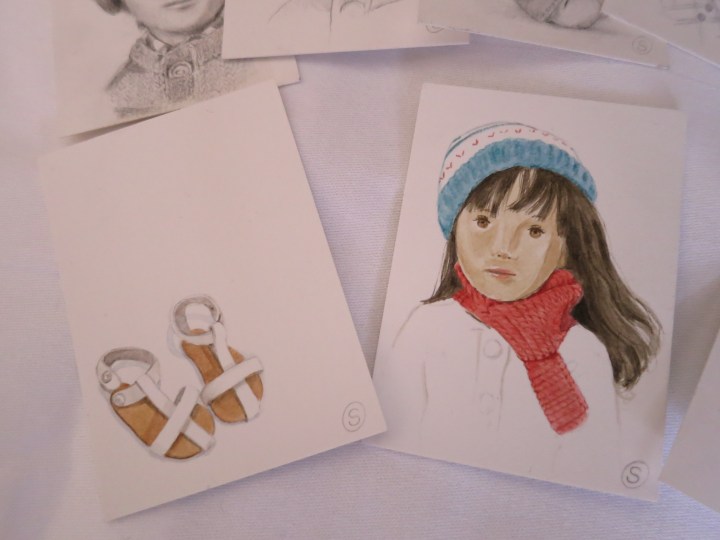
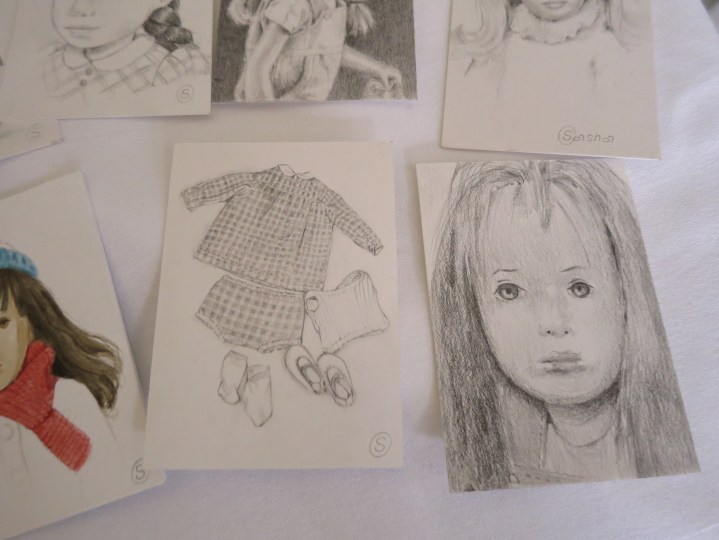
Below are some lovely drawing which were donated by the very talented  Joni

IMG_2309 (2)

IMG_2311 (2)

IMG_2312 (2)

IMG_2313 (2)

IMG_2315 (2)

IMG_2316 (2)

Below a beautiful Wobbler donated by the very talented Janet Myhill-Dabbs

IMG_2307

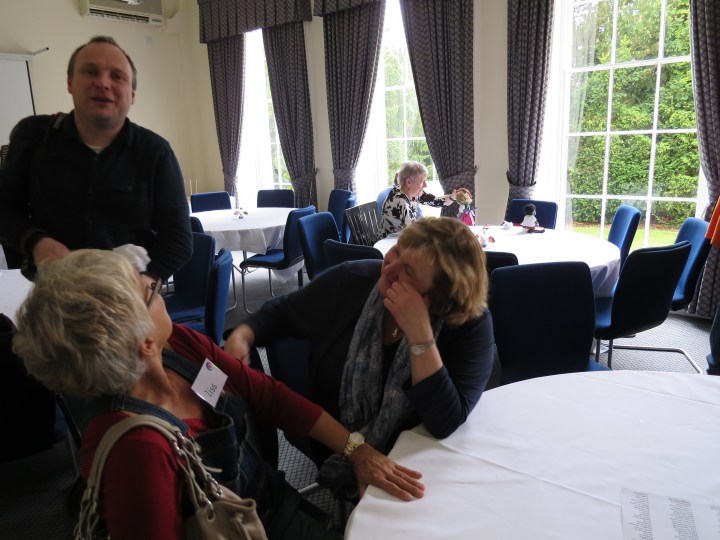
I spotted Alan Hinchcliffe having a giggle with the girls

IMG_2317

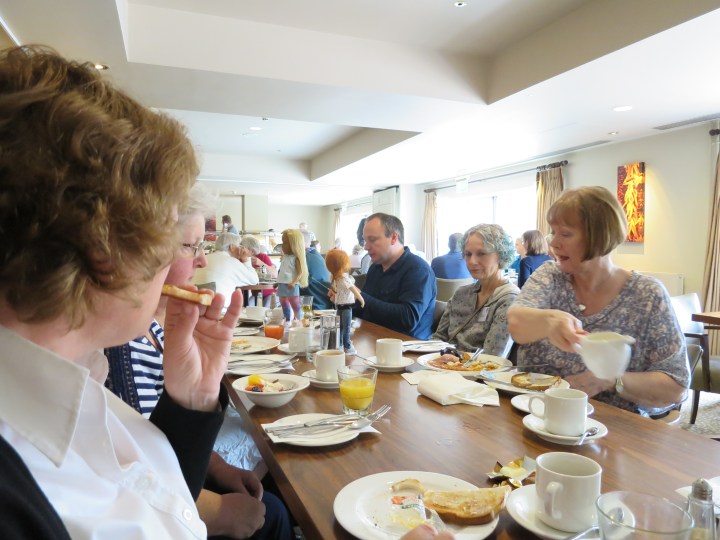
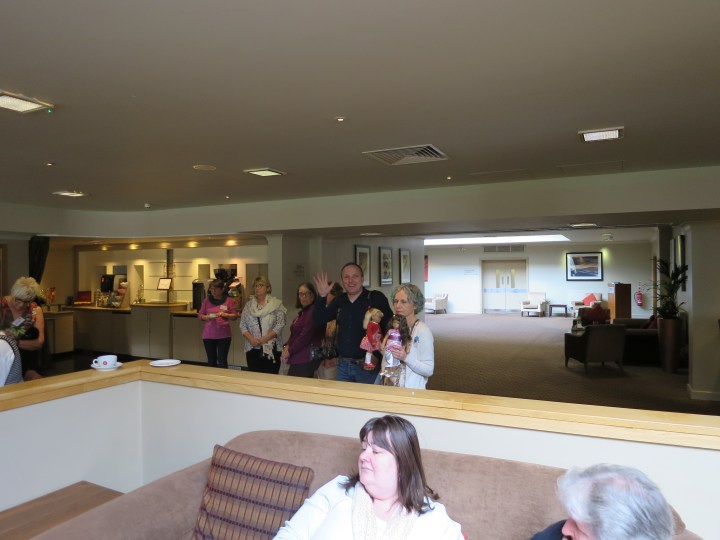
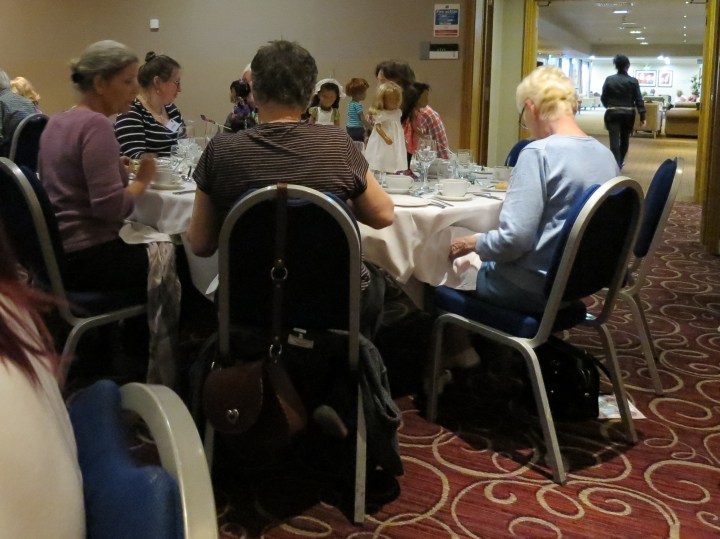
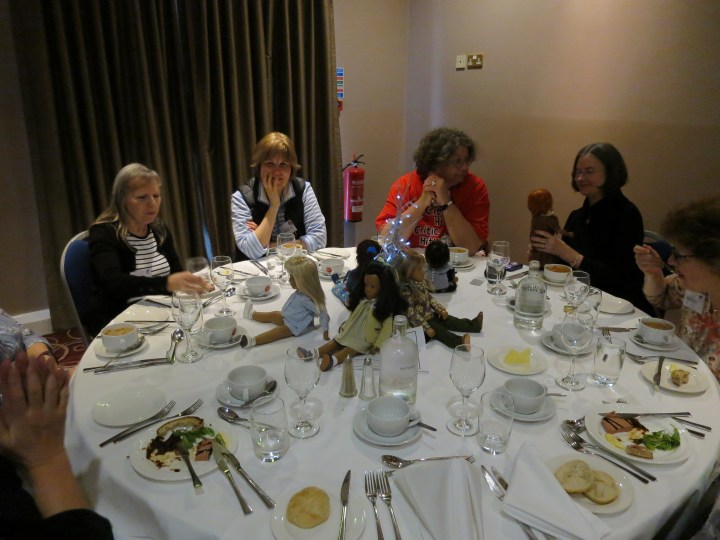
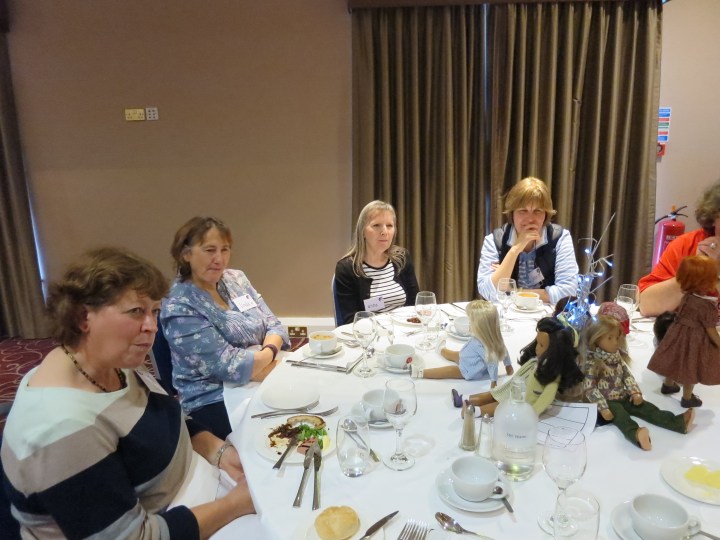
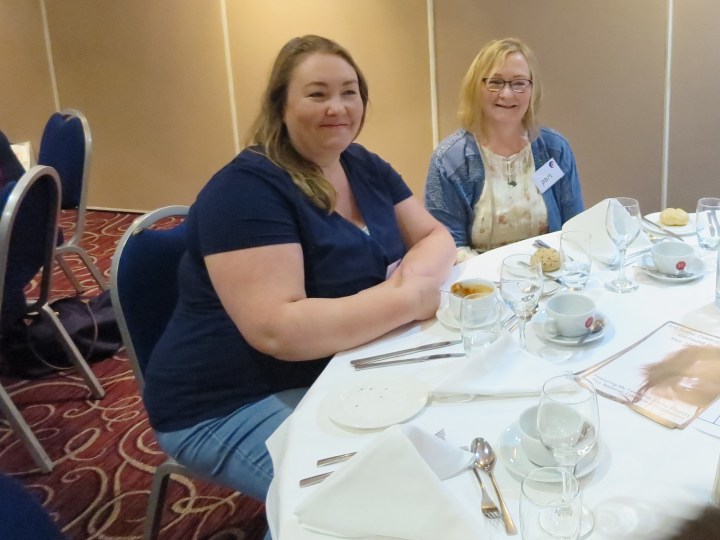
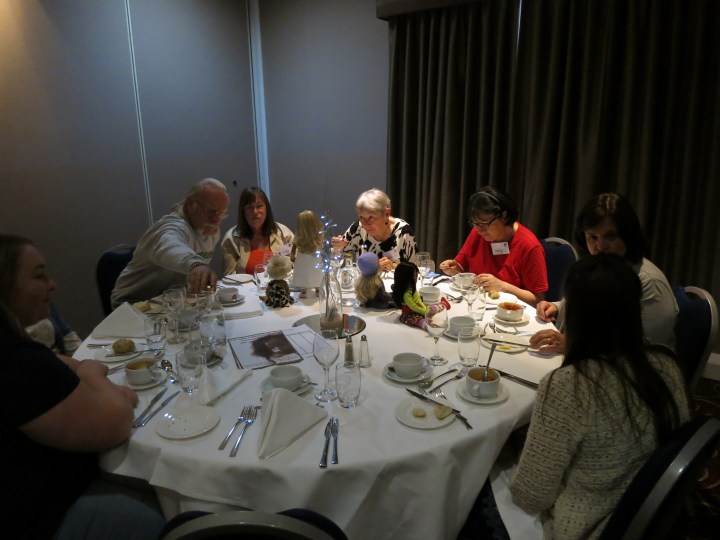
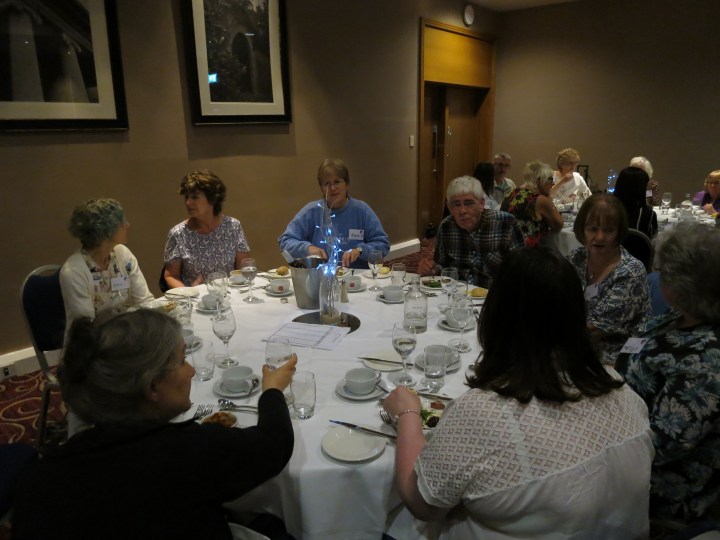
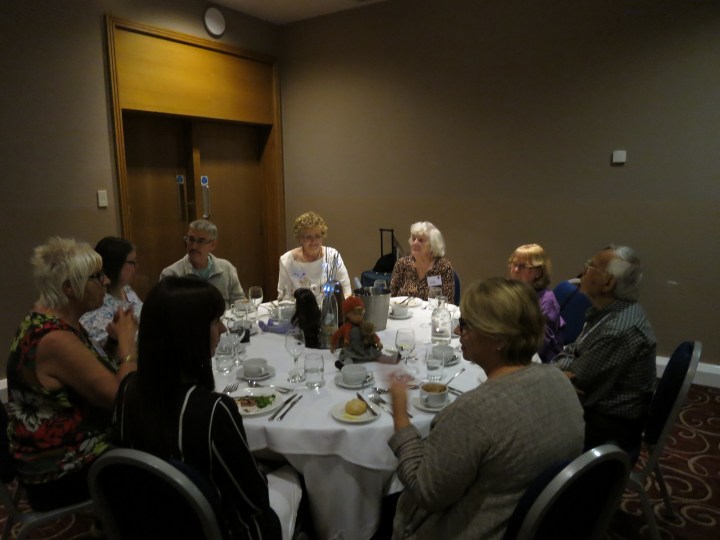
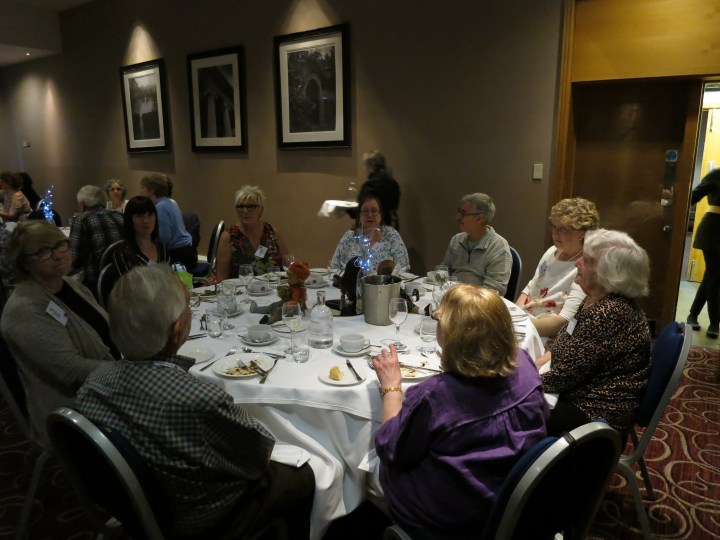
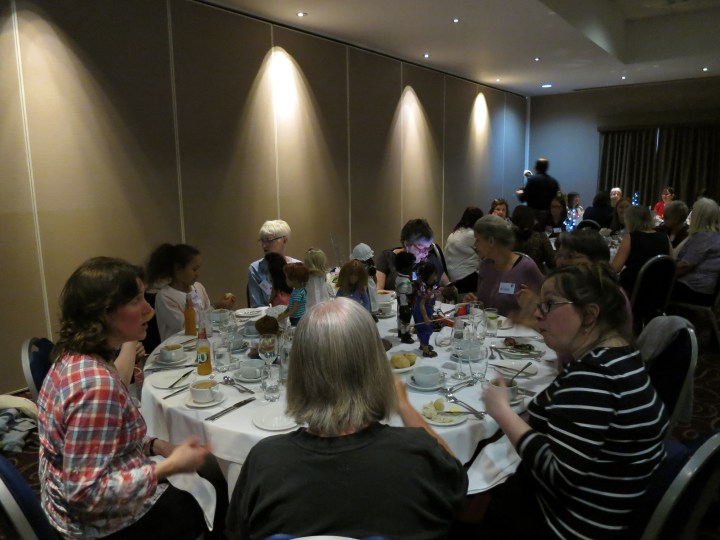
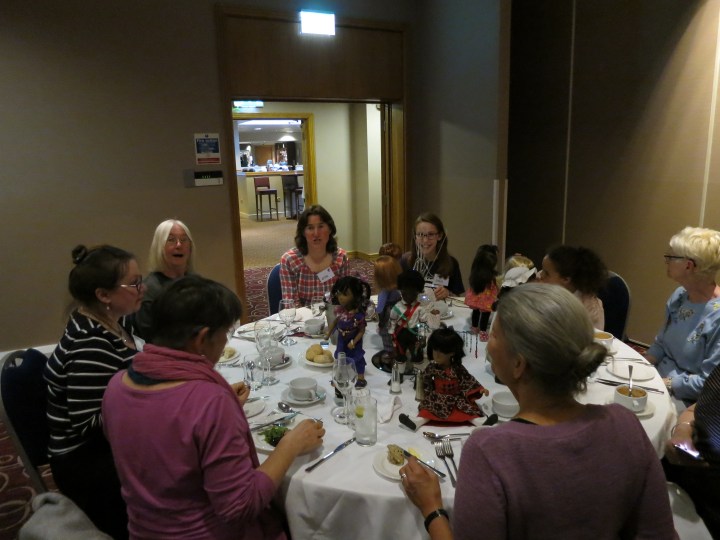
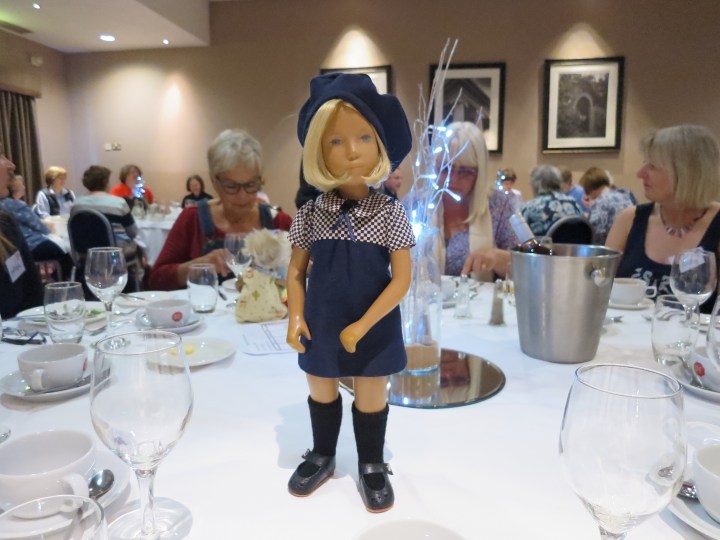
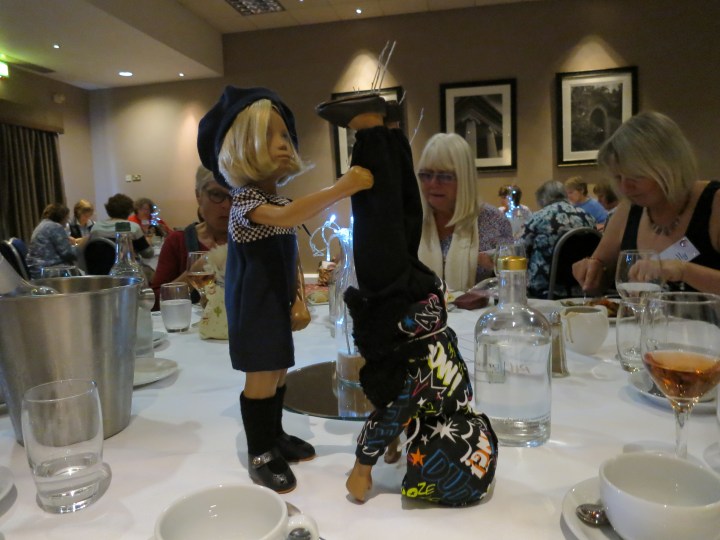
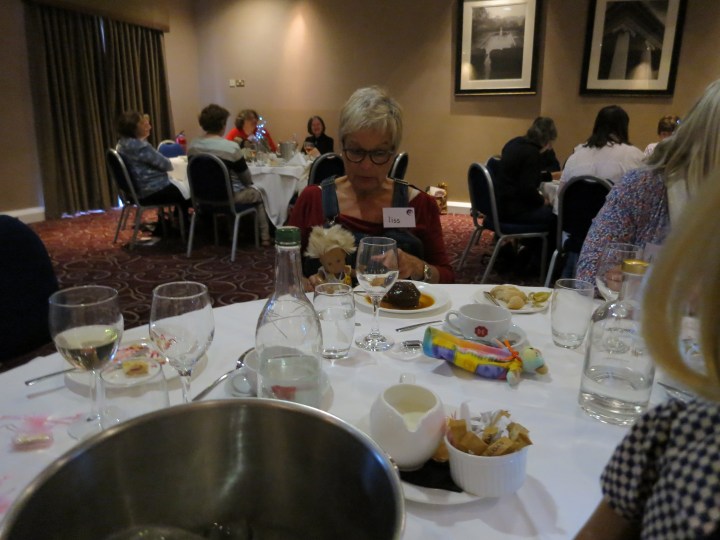
All to soon it was dinner time so here are a few photos of everyone.

IMG_2321 (2)

IMG_2322 (2)

IMG_2323

IMG_2324

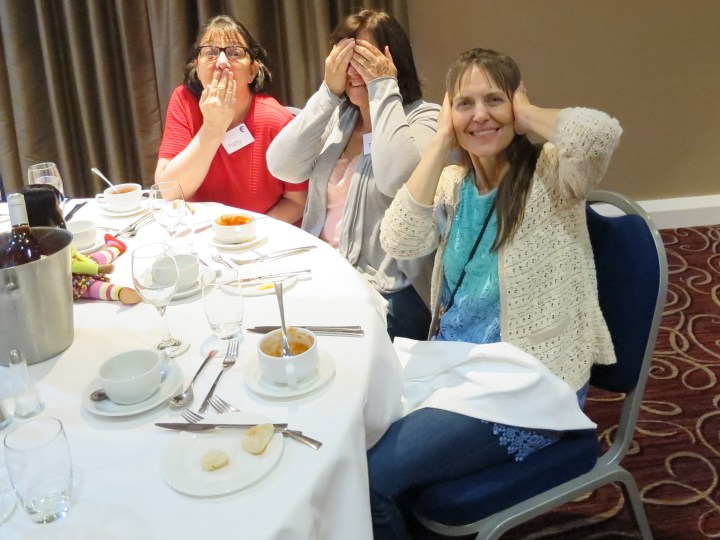
I don’t know about the 3 wise monkeys, but these were defiantly the 3 cheeky monkeys.

IMG_2327 (2)

IMG_2328 (2)

IMG_2325

IMG_2329

IMG_2330

IMG_2331

IMG_2332

IMG_2333

IMG_2334

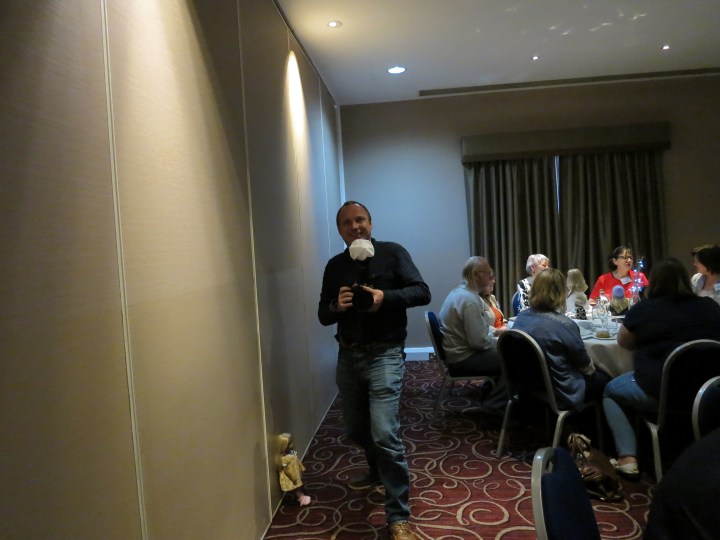
Photographers at dawn

IMG_2335Hope having a bit of fun

IMG_2320

IMG_2336 Curly enjoying his pudding

IMG_2337

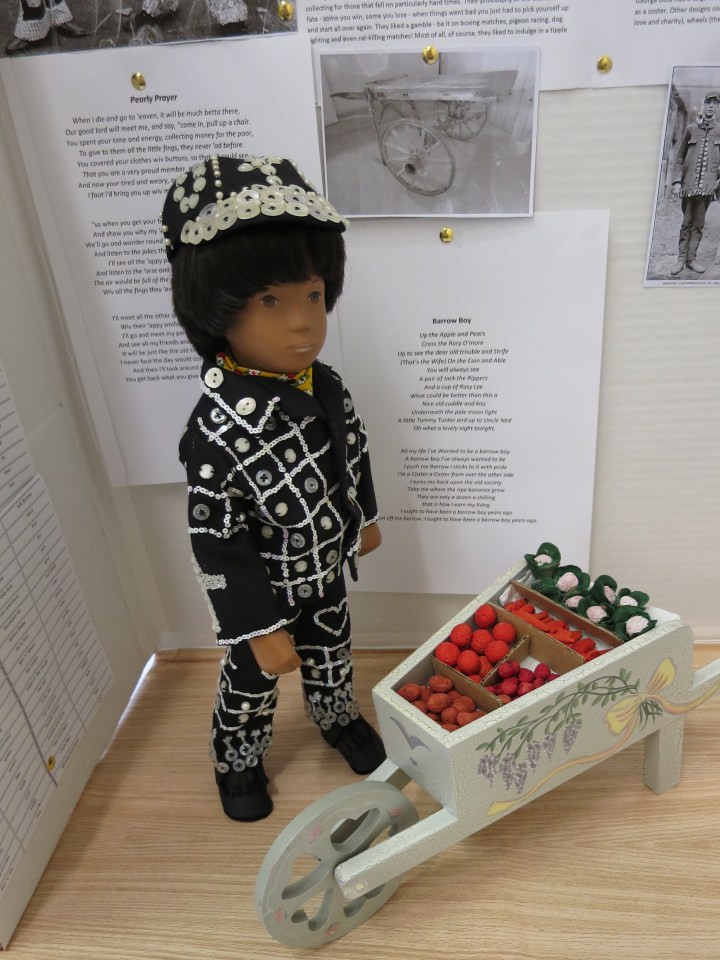
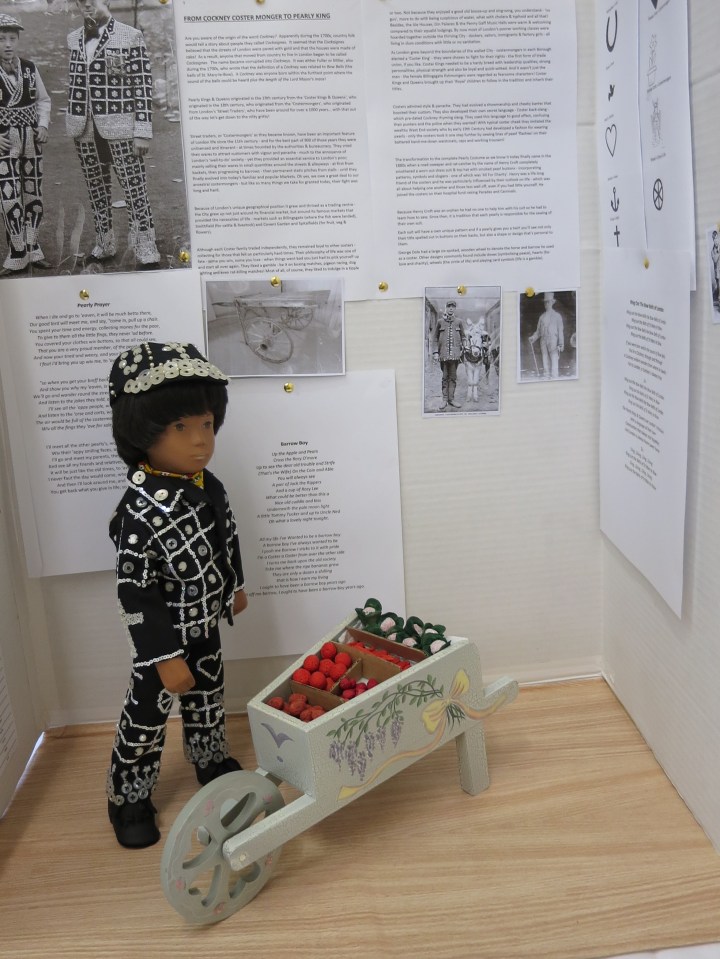
After dinner I went off to set up Mr G as a pearly King for the  Dress a Sasha competition and took some photos of the others before going to bed for the start of another exciting day.

IMG_2338 (2)

IMG_2341 (2)

IMG_2342 (2)

IMG_2343 (2)

IMG_2344 (2)

IMG_2347 (2)

IMG_2348

IMG_2346

IMG_2350 (2)

IMG_2349 (2)

IMG_2351 (2)

IMG_2352 (2)

IMG_2353

IMG_2354 (2)

IMG_2355

IMG_2363 (2)

IMG_2362 (2)

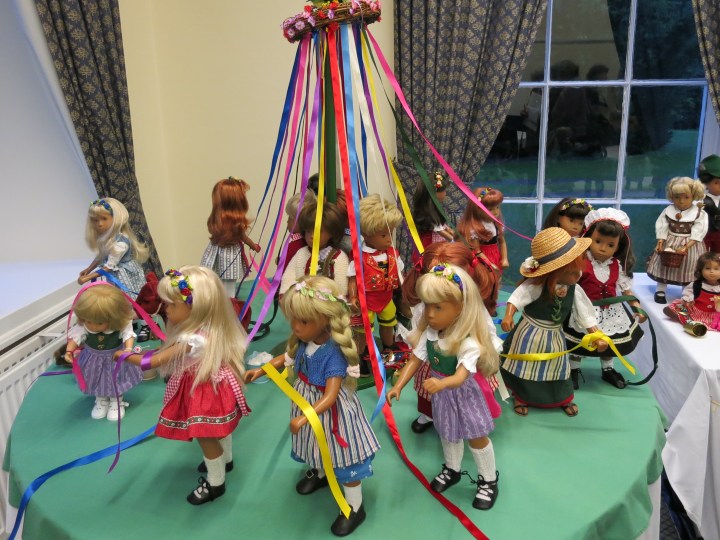
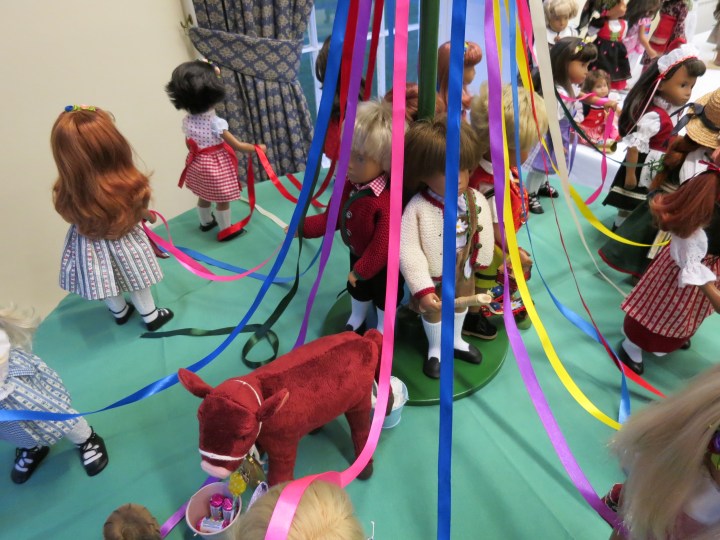
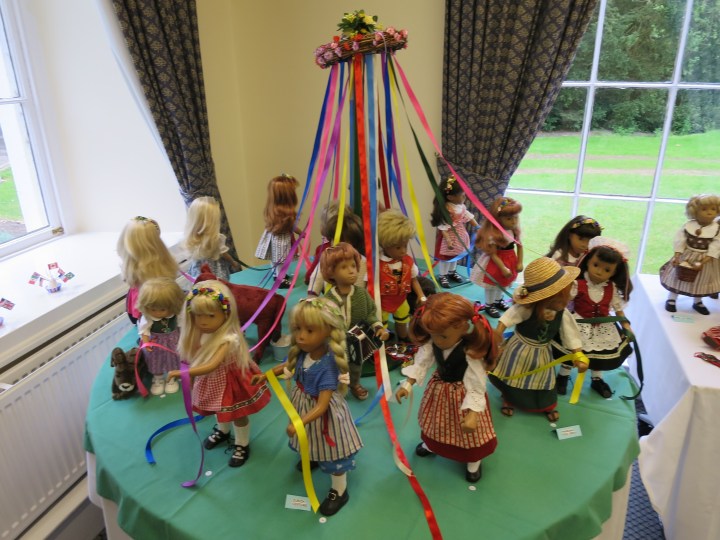
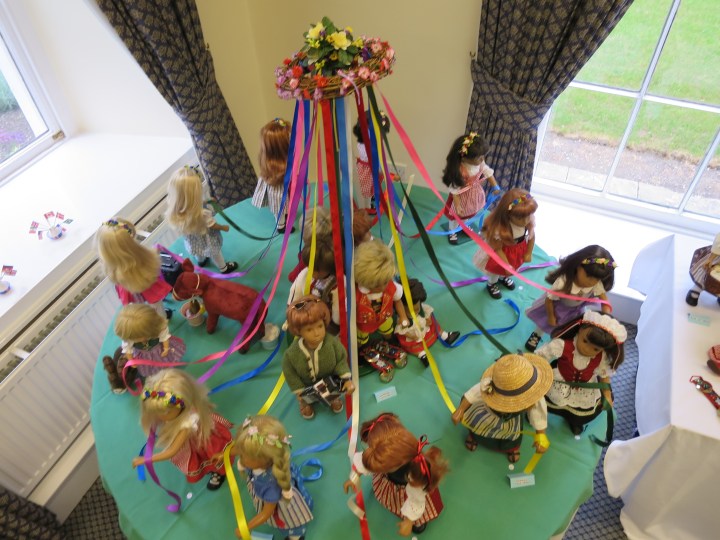
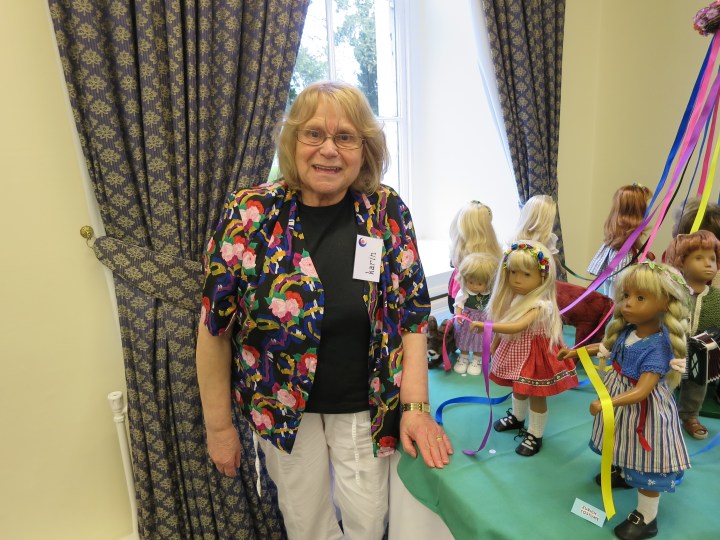
This wonderful  may pole filled with a bevy of beauties was created by Karin

IMG_2357 (2)

IMG_2360

IMG_2359

IMG_2361

IMG_2422

IMG_2423

IMG_2421

Well that’s all from me until part 2 and I hope you have enjoyed it.

Thanks for looking.

Today I am going to share a story with you, which I feel is pretty apt considering it is Easter a time for resurrection and rebirth.

Last winter I purchased a very sorry looking early Gotz Sasha doll waif. As you will see from the two photo’s below she needed help.

brunette gotz damaged 1brunette gotz damaged 2

When she arrived I was not expecting the damage to be as bad as it was. Her face was covered in black ingrained soot type dirt, with some kind of lacquer or varnish on top of that. Her facial paint was not in good shape. Her torso was nearly split in half with tares to both sides of her neck and numerous tares under both arm sockets. She looked so sad. First of all I took her apart and began by trying to clean her face with a soap solution.

IMG_0539That only helped a little. The oxy treatment did not work. I then tried to remove the lacquer with nail varnish remover, which helped quite a bit  and there was beginning to be light at the end of the tunnel.

IMG_0632

I then covered her face with Vaseline and left her in the conservatory for a couple of months to allow her skin to lighten.

IMG_0633

IMG_0634


I managed to get her skin as light as I could, but it will never be perfect. Her face paint was not good and the only way to get rid of the substance on her face was to remove her eye paint.


I then started to fix her body, which as you can see from the photo’s below was very badly damaged.

IMG_0540

IMG_0542

IMG_0541

I did the best I could, using Gorilla glue which bonds with moisture and then backing the splits with leather.

IMG_0544

IMG_0635

IMG_0545

IMG_0546

I don’t know how long or if it will last forever but for now her body is back together.

As this poor young lady had been through so much I asked Janet if she would paint her some new face paint and she said yes.

I had decided to call this little waif Frankie (due to the body part issues)

Apart from a few missing plugs to the front of her hair line, she had beautiful hair.

So, I would like to introduce you to the resurrected or reborn Frankie. Thank you to Janet for making a very sad girl happy again and a very happy Easter to you all.

Frankie 1

IMG_2243


img_2060

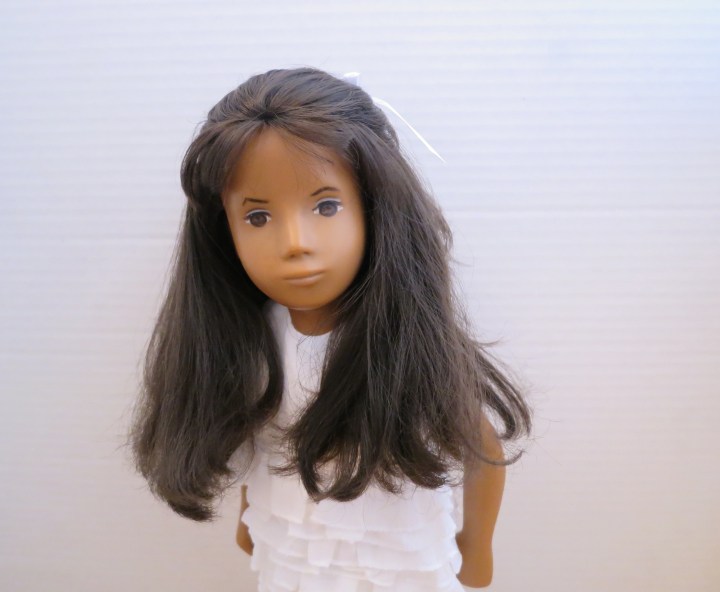
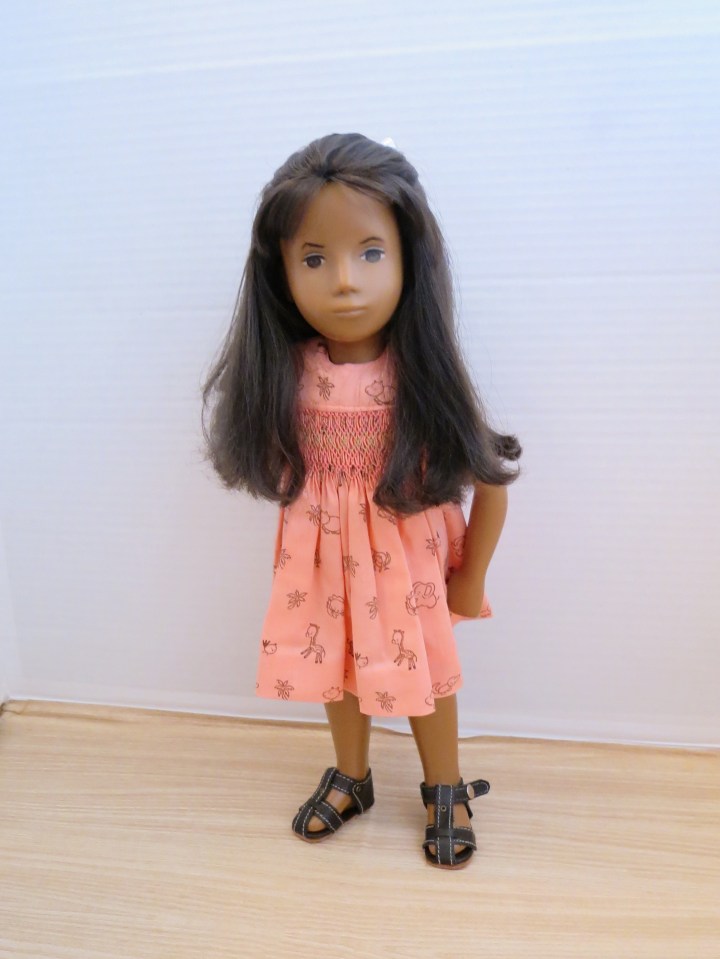
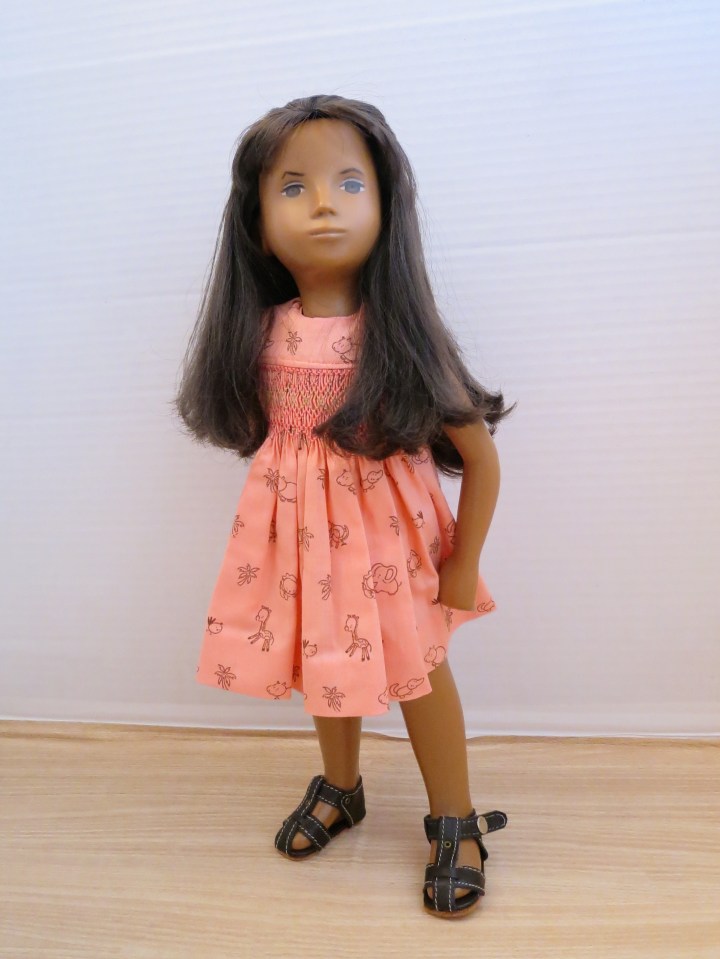
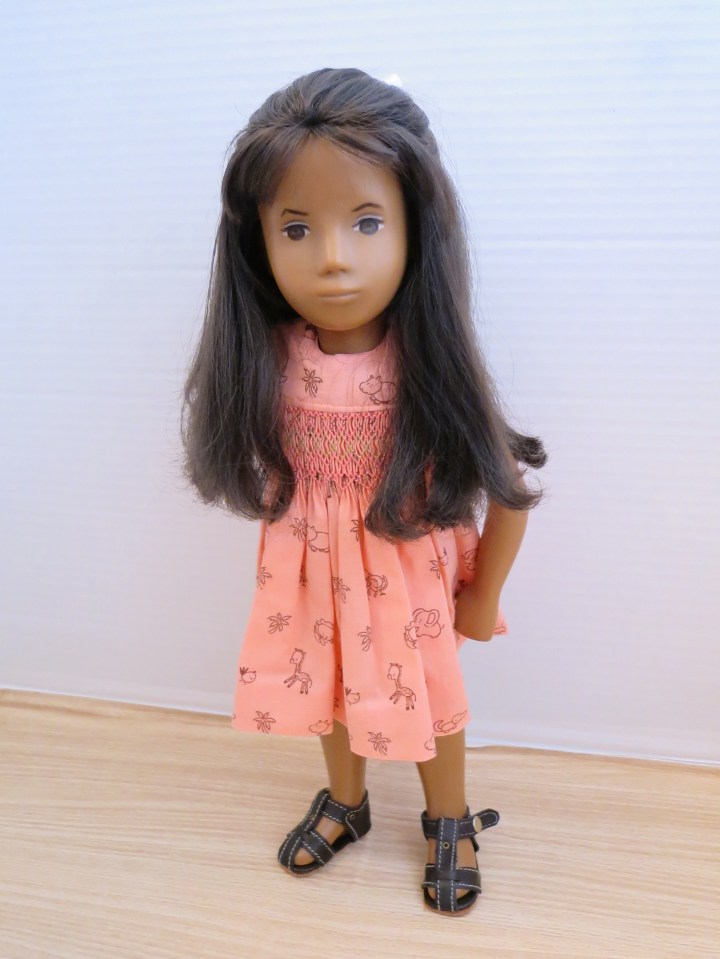
This is Ida my first No Philtrum Sasha doll and I am so glad she has come to join my Sasha doll family. Ida was born in 1966. Her dress pants and vest are her original clothing. She has a full centre parting and a single row fringe pulled trough from the 2nd row.

img_2058img_2063img_2064img_2065

In the next few photos Ida is wearing a  white dress made by Vicky Chapman and shoes by Craig Randall

img_2067img_2072img_2074


In the next photos Ida is wearing a peach smocked dress by Marilyn Hotchkiss and a pair of very early JJ shoes

img_2096img_2094img_2099

In the next photos Ida is wearing an outfit I love which I bought from a maker in Germany and shoes by Marti Murphy

img_2076img_2081img_2078

In this outfit which is a bit warmer, Ida is wearing another outfit by Vicky Chapman and one of the last pairs of shoes made by the late great JJ.

img_2083

img_2085

Thanks for Looking

img_1986

img_1990

img_1985

img_1987

I recently re-homed this Later Gotz Sasha doll Maria. I knew she had problems and thought I would try to return her to her original state. Maria had quite severe caving to her neck and body due to her stringing being too tight. This is the first time that I have attempted to re-string a later Gotz  and I can tell you it is quite a tedious task, but well worth it.

The photos above are of Maria when she first arrived and the ones below are how she looks now.

img_2030

img_2031

img_2034

This is how I fixed Maria’s problems.

First of all I had to remove her stringing.  The later Gotz dolls are strung using  elastic stringing and plastic cups (as they are safer for children).

To remove the plastic cup from her leg to allow me to get to the stringing. I first heated the top of her leg with a hairdryer on full heat for a couple of minutes, to soften the vinyl.

Next I took hold of my trusty old button hook to encourage the plastic from the leg hole, once I could see the edge of the plastic cup I used forceps to pull it free from the leg hole.

img_1995

img_1993

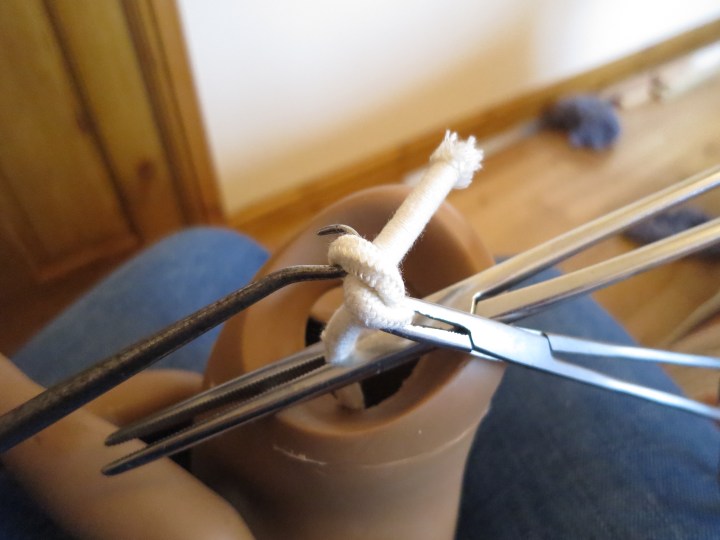
Once the plastic cup was out, I could see that the stringing went through a hole in the middle of the cup and was then secured with a tight knot. I held the stringing out of the body hole with the aid of a pair of forceps and then used my button hook and a smaller pair of forceps to undo the tight knot.

img_1991


img_1998img_1999

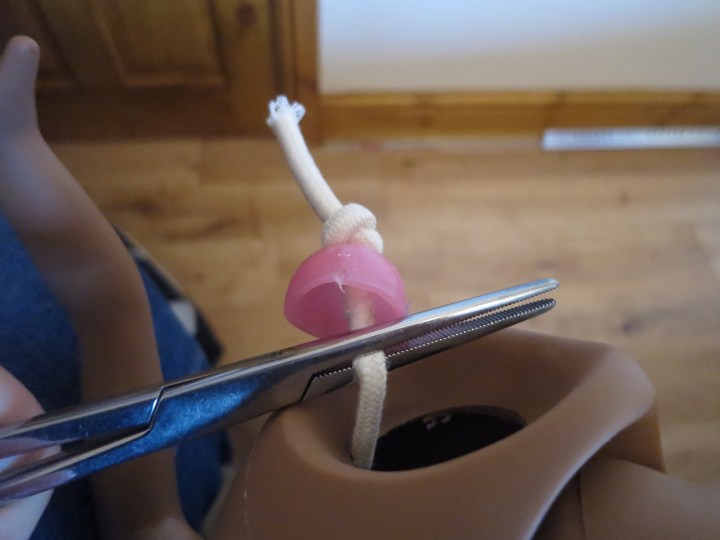
Once the knot was undone I could then slide off the pink plastic cup. I repeated the same process to the other leg. I had discovered that I would have to give Maria new stringing and to get to the head stringing the pink plastic cups had to be removed as they would not fit through the neck opening.

img_2000

Inside the neck the stringing looks similar to the later English Trendon Sasha dolls, but it is not.

img_2001

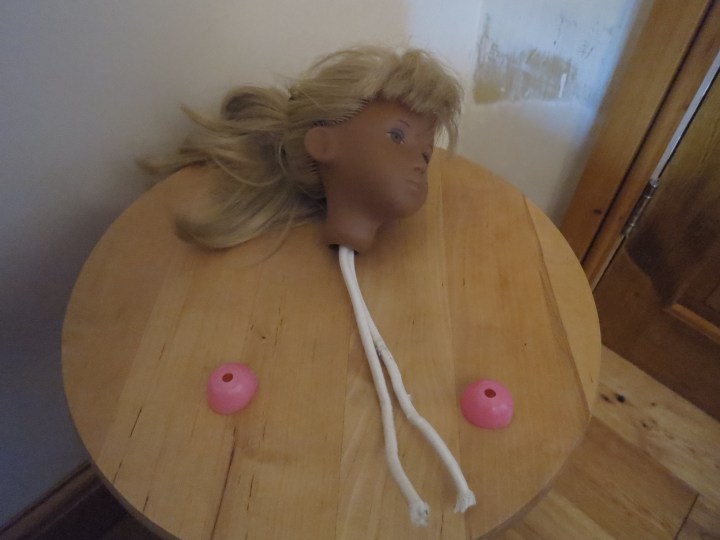
To get the white plastic cup and stringing out of the head, I used the same process of heating the neck opening with a hairdryer. To remove the plastic cup I also used my button hook and forceps.

img_2002

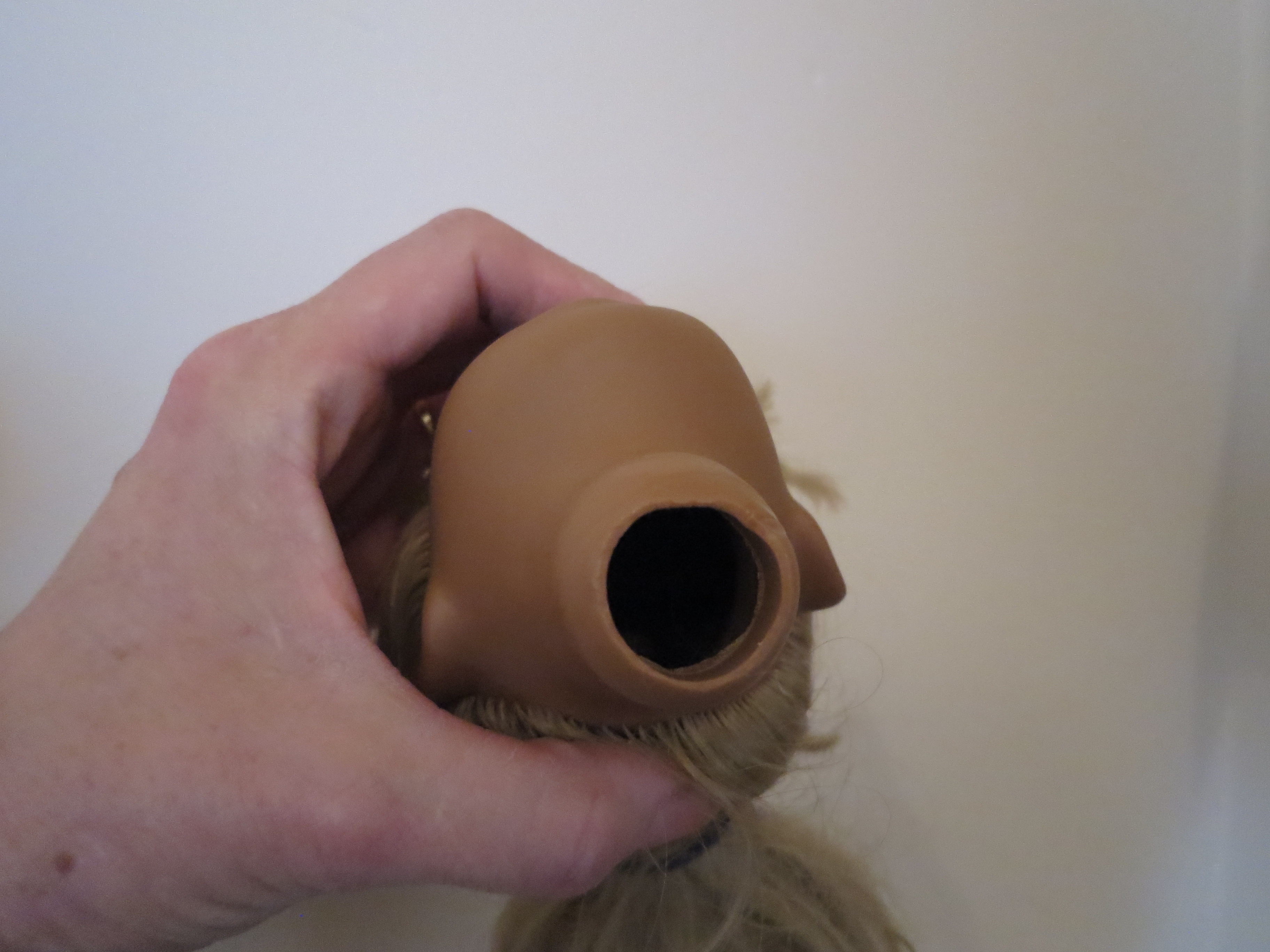
The hole on the head opening is much wider than other types of Sasha dolls and Marias was warped due to the caving.

img_2005

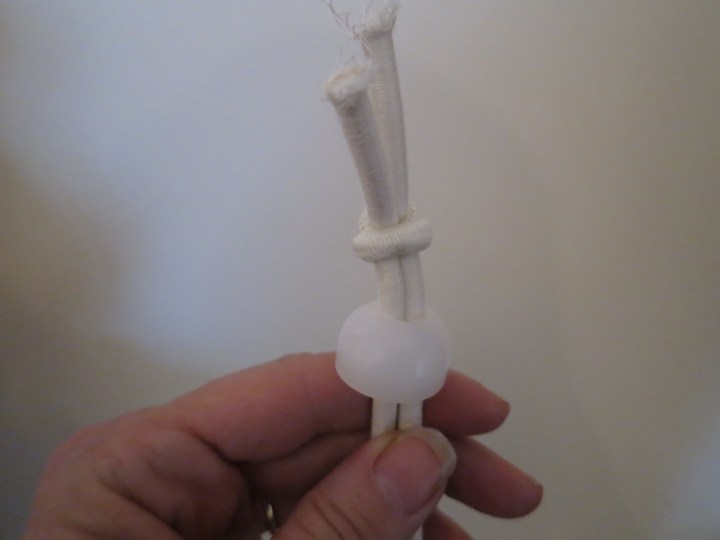
Once I had removed the white plastic cup and stringing from the head, I could see that there was one piece of stringing running through the white plastic cup, which was doubled over and then secured with a small piece of stringing which was tied in a knot. ( I much prefer the English Trendon way of stringing Sasha dolls.)

img_2003

I had now reached the stage where I had her legs and head off. I tried heating her torso using the hairdryer method to try to correct the caving to her body. The hairdryer method did not work, so my only option now was to remove her arm stringing, so that I could boil her body back into shape.

So once again I heated her arm hole with a hairdryer and used my button hook and forceps to remover her arm stringing and white plastic cup. To say the arm stringing was stubborn to remove was an understatement.

img_2007

img_2008

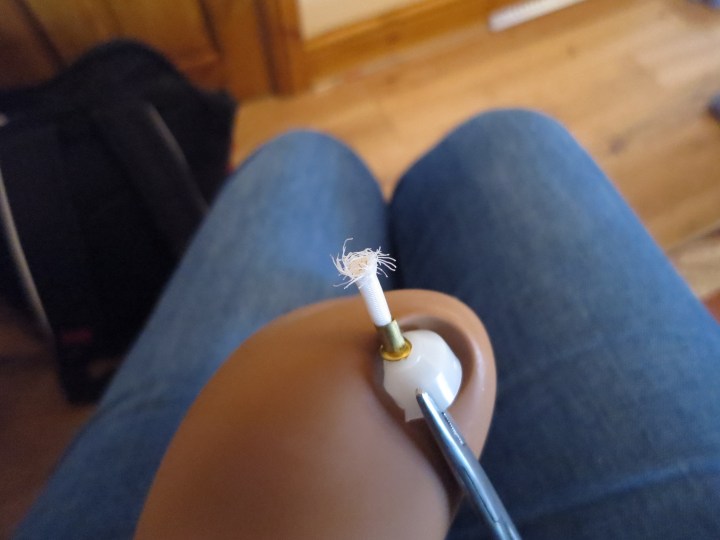
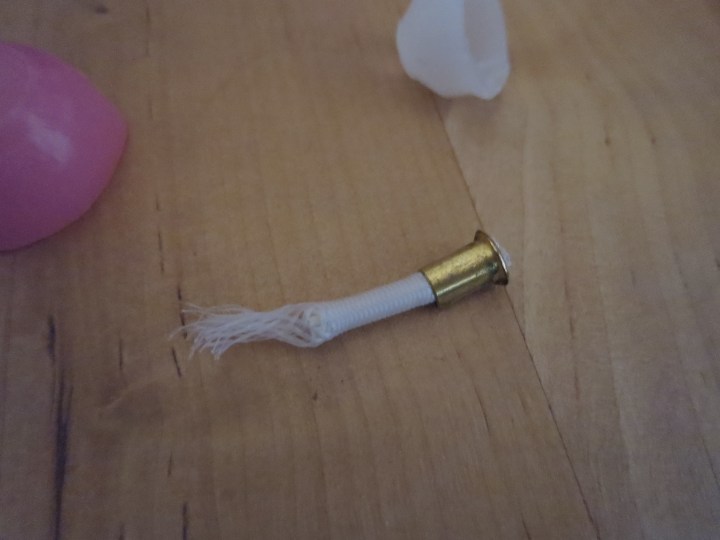
Once I had the stringing and plastic cup out I could see that a brass sleeve insert had been crimped onto the arm stringing to make it more secure. The only way forward now was to cut the stringing to release it from the body.

img_2009

img_2010

Incidentally the white plastic cups used for the stringing to the head and legs are the same size. The plastic cups in the arms is naturally much smaller.

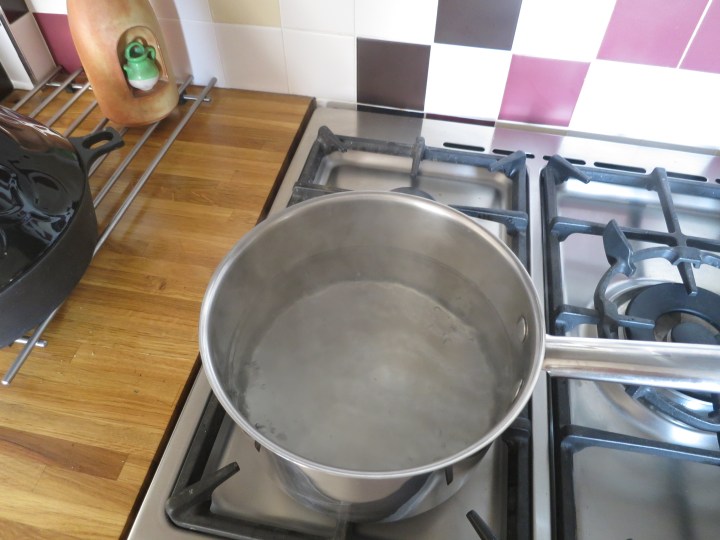
I prepared a saucepan of simmering boiled water.

img_2017

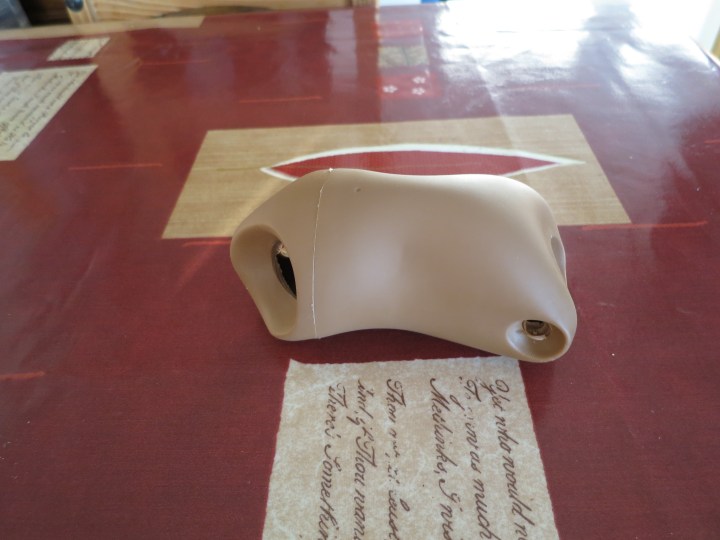
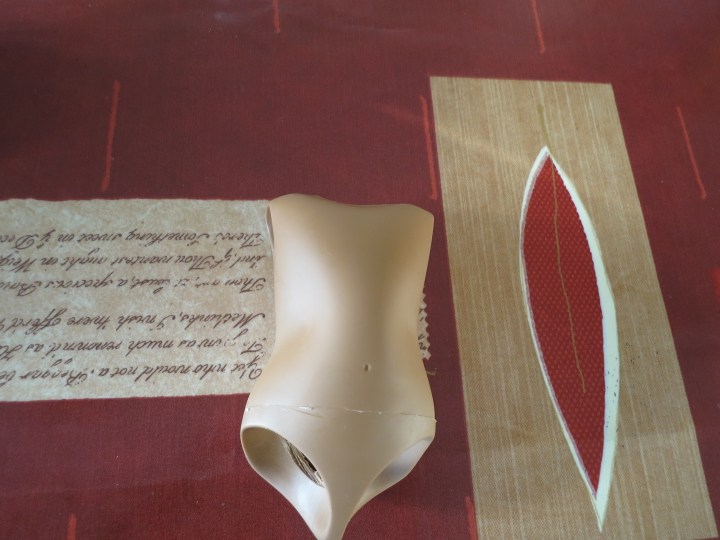
Her are some photos of Maria’s torso before I boiled it, to give you some idea of the degree of caving and warping her body had.

img_2014img_2012img_2013 img_2011

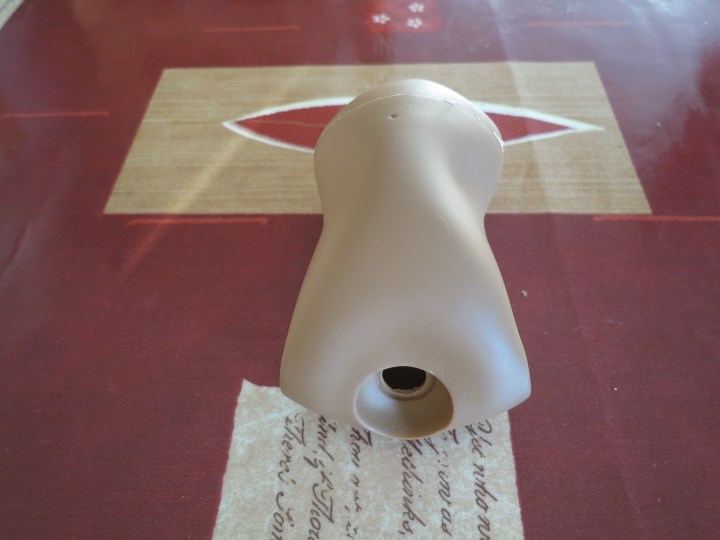
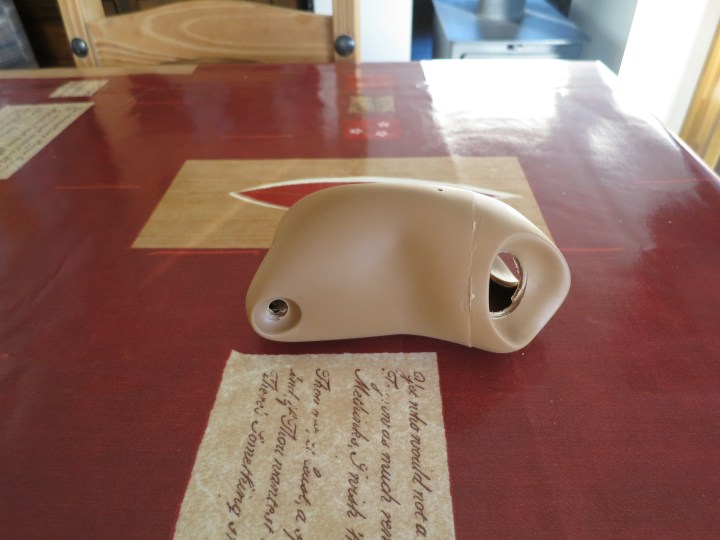
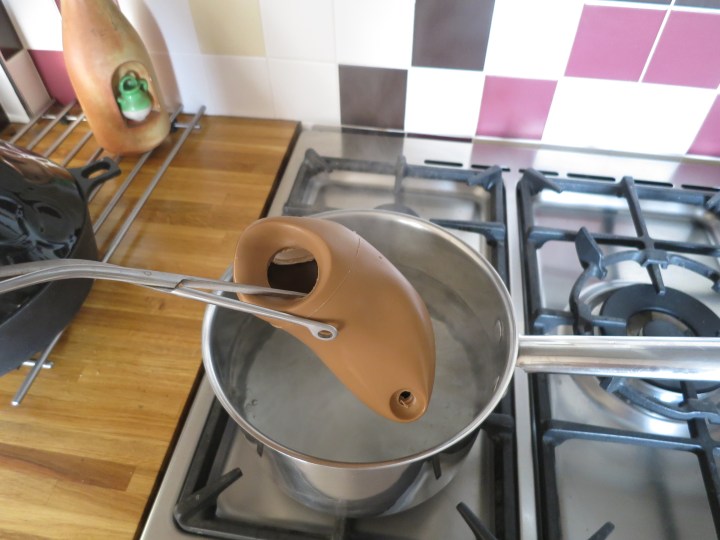
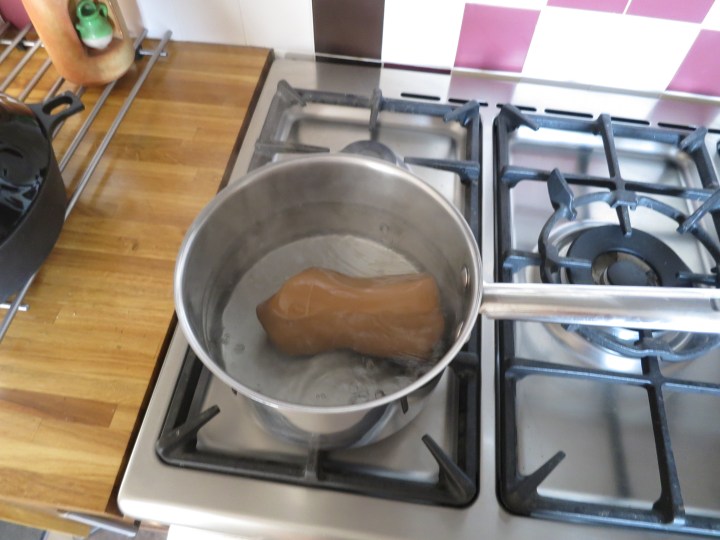
I carefully placed Maria’s torso into the simmering water for 5 minutes. I was careful to place her torsointo the water using a tool with no sharp edges to it, because when the vinyl is softened using something sharp could damage the vinyl in its softened state. I also had a tea towel ready to use to let the torso dry out on.

img_2016img_2018img_2019

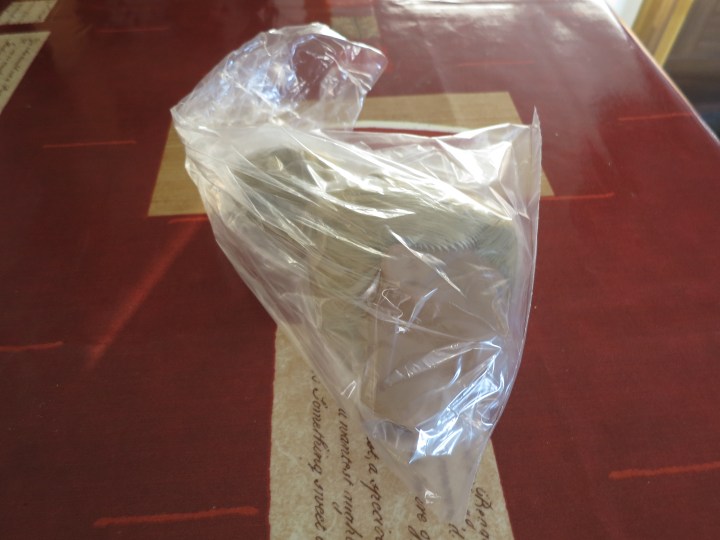
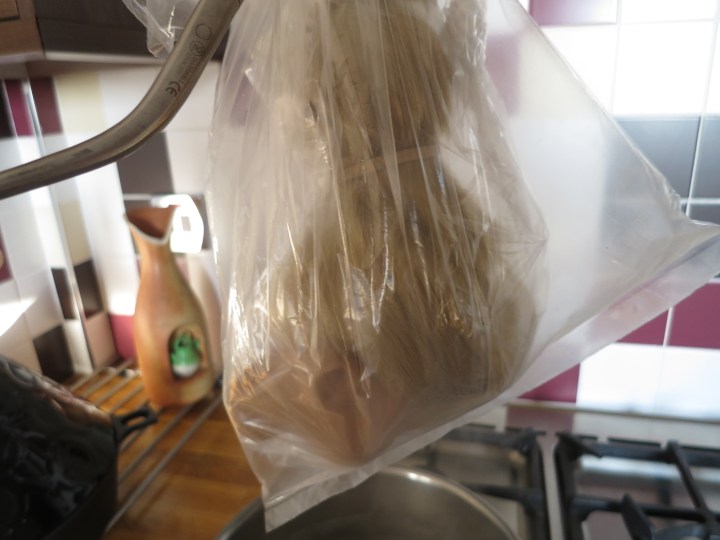
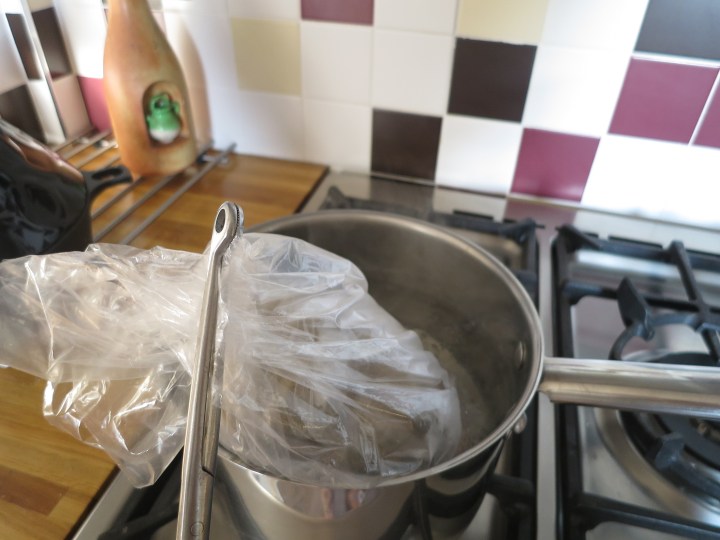
As Maria’s neck was also quite warped, I double bagged her head in two strong freezer bags and held her head over the pan with the neck hole just into, the simmering water for 2 minutes.

img_2015img_2021img_2022

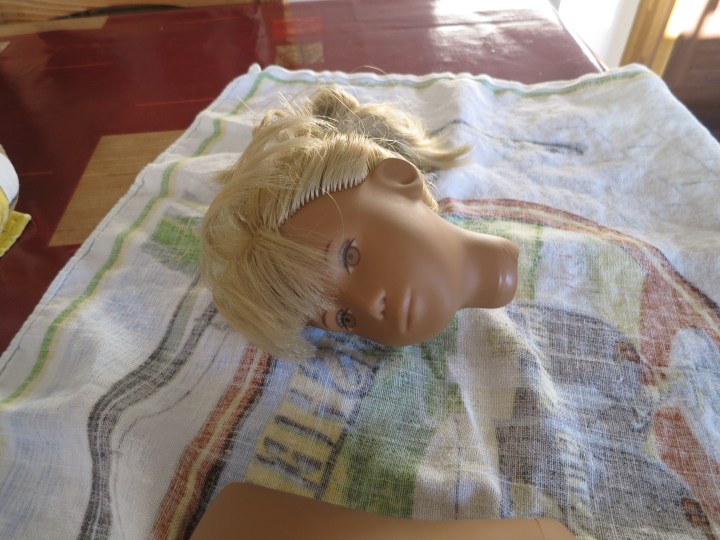
I took Maria’s head out of the plastic bags as soon as possible ,after removing her head from the simmering water. The results were great and her neck hole and body were reshaped back to normal. I left the body parts on the tea towel for about half an hour to let the vinyl cool and re- harden.

img_2024img_2023img_2025img_2026img_2027

Next I decide to give Maria’s hair a good wash and condition I used Elvives’s hair repair shampoo and conditioner.

img_2029

I let her hair dry naturally and placed a rolled up sock on her head to keep her fringe in place.

Now then back to the dreaded re-stringing. The leg to head was not a problem I used new stringing about an inch an a half longer on each leg, to stop any further neck and body caving. The arms were a headache . In the USA I believe you are able to purchase the brass insert sleeves to use for crimping on the arm stringing, however in England they have now been replaced with plastic ones, which are useless for crimping, luckily some time ago I had purchased some arm hooks, which  I used to re-string the arms the English Trendon way.

img_2042

I heated the arm hole for a couple of minutes, inserted the arm hook, using forceps to hold the hook in place on one arm, added the stringing to the hook and then used my button hook to pull the stringing through the body keeping the arm stringing behind the body stringing and connecting it to the arm hook on the other arm.

img_2032

img_2034img_2031

Maria was so happy she stood on her head.

img_2035

I had given her clothes a good wash and hey presto she was ready to go.

img_2037

img_2038

I hope you have enjoyed this post. I am not an expert I am just sharing my Sasha adventures with you and I hope you have enjoyed this post. I am over the moon to have Maria as part of my Sasha family, thanks for reading this.


cci05112016_0003

Inge Goldberg  was born on the 10th July 1918. She was to be the oldest of 4 children.A younger sister called Susanne was born in 1920, followed by a brother Karl born in 1922 and another brother called Christian born in 1929.

Inge Goldberg had red hair, blue eyes and freckles.
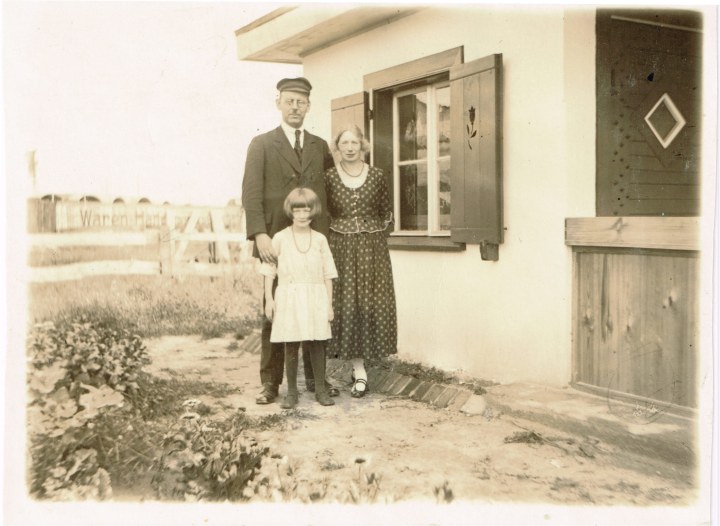
cci05112016_0002

Above in this photo with her parents.
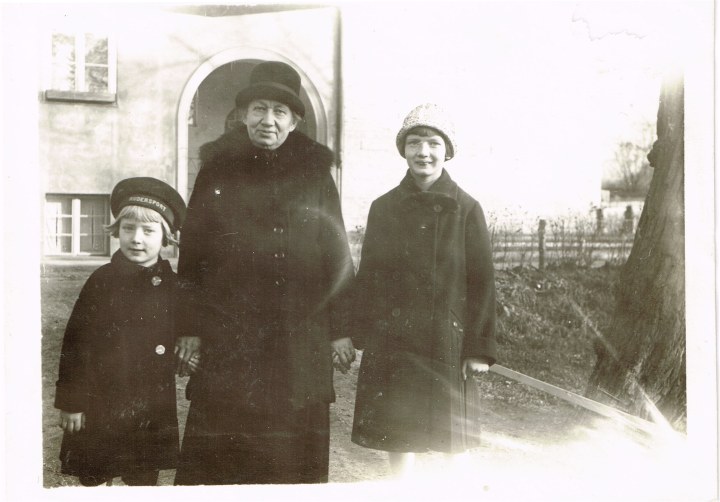
cci05112016_0001

Above in this photo she is on the right and her sister Susanne is on the left.
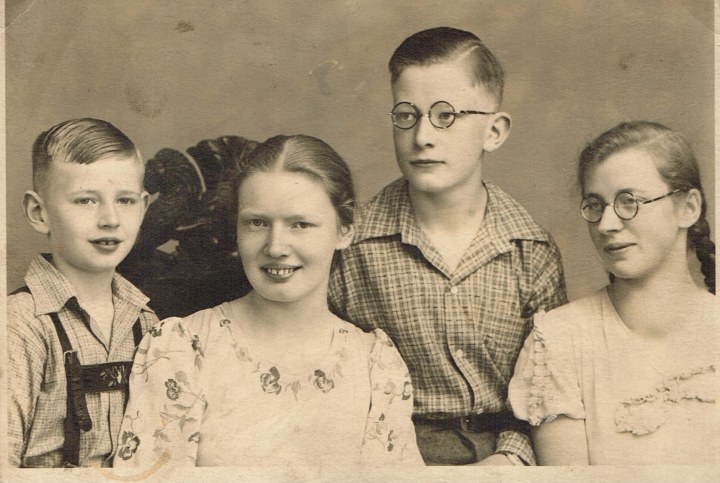
cci02112016

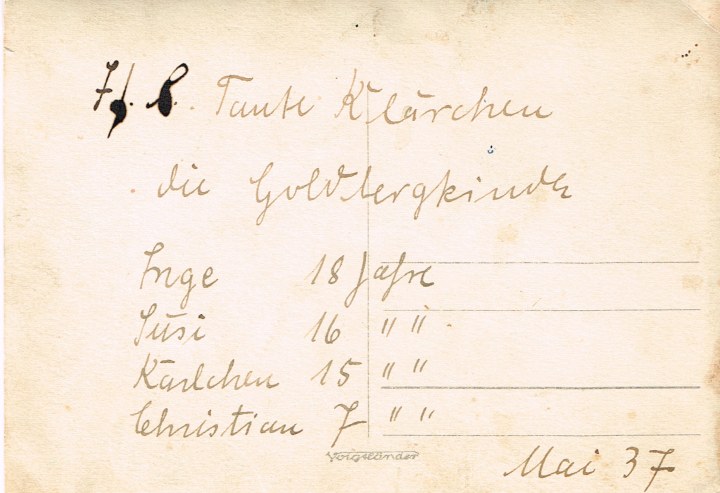
Above in this photo from left to right we have Christian, Inge, Karl and Susanne. The photo below is the back of this photograph which shows the children’s ages. Inge was 18 years old at this time.
cci02112016_0001

Below is my last photo of Inge

cci05112016

Inge studied interior design in Danzig (Gdansk).

In 1945 towards the end of the second world war the Russian army were entering Dansk and refugees were fleeing Germany.

Full-fledged panic is erupting in East Prussia in January 1945.  Tales of Russian revenge for the Nazi invasion of the “Motherland” spread like wildfire all the way to the Wilhelm Gustloff’s port in Gotenhafen’s Oxhöft Pier.  Hundreds of thousands of German refugees continue to stream in to the Danzig , hoping for safe passage to the West.

A major offensive launched by the Soviets in mid-January accelerates the exodus from East Prussia .  Many Ethnic Germans cut off from the Danzig by Red Army troops negotiate passage across the frozen Frisches Haff, a freshwater lagoon on the Baltic coast.  Soviet planes circle in the sky, bombing defenceless refugees.  Direct hits are not necessary – weakening the ice is enough to send families with their wagons and horses through to an icy death.  To the many refugees streaming toward ports in the Danzig , escape to the West is the only hope of avoiding certain suffering and death.

wilhelm_gustloff_modell_sx3_cropped

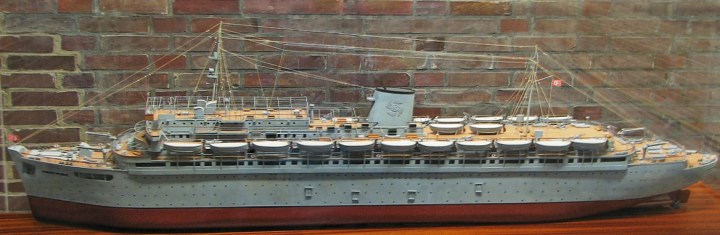
Above a model of the Wilhelm Gustloff ship

On January 22, 1945 , the Gustloff begins preparations to accept thousands of refugees.  There are also obvious challenges involved in getting the ship running properly.  With the exception of minor test runs, the Gustloff’s engines have not operated in over 4 years.

Ships of all shapes and sizes are assembled and prepared for sailing West.  Joining the Gustloff for the evacuation will be other submarine training ships such as the Hansa, Hamburg. Unfotunately the Hansa Hamburg developed engine trouble and was unable to escort  the Gustloff ship.

The scene in Gotenhafen is panic-laced chaos.  Thousands and thousands of refugees – mostly women and children – jam the harbour.  You won’t find too many able-bodied men.  Those who can fight the Russians have already been procured for duty (feared SS Stormtroopers patrolling the crowds ensure none are overlooked).  Many are not well – having endured bitter cold and long distances by carriage or foot in unforgiving January weather.  Thousands do not make it to the Danzig ports.  Unimaginable death litters the roadsides and in places like the frozen Frisches Haff lagoon.

Despite the mass of pulsating humanity on the docks, boarding the Gustloff is relatively orderly in the early stages.  Armed sentries guard the gangways to keep out those without priority or privilege.  The ship’s printing press, once used to create colourful cruise agendas, now cranks out the coveted “ Identity Pass ” that allows access to the Gustloff.  The precious piece of paper with the Gothic type offers hope.

As expected, the first right to these passes is provided for the U-boat officers, crew members, and a few hundred members of the Women’s Naval Auxiliary (some members of which are accommodated in the drained swimming pool).  Wounded soldiers arriving by train are also given priority.  “Privileged” refugees then get their turn.  The first ones to receive passes are those with “connections” – to family and friends on board, or to those with local influence.  Of course, those with money attempt to buy them.  We will never know how many underhanded deals are made.  One thing is sure: as more and more privileged board, tension and envy mount in “ordinary” refugees crowded around the gangways.

Inge was a Marine Helper and was placed in he drained swimming pool area of the ship.

With less than two days until the ship until departure, 10 of the 22 lifeboats are missing.  After over four years as floating barracks, lifeboats have gradually disappeared fromtheir davits – requisitioned for other duties in the harbour such as creating smoke screens to obscure Allied air raids.  Hastily, 18 small boats are hoisted on and secured to the sundeck.  Numerous life rafts are added in strategic places around the decks.  Anti-aircraft guns are affixed to the deck to offer token protection – Luftwaffe control of the skies a distant memory.

According to an official list, only three thousand refugees are already loaded onto the Gustloff by the morning of January 30th, 1945 (they have stopped counting).  As it becomes more certain the ship will sail on this day, more crowds rush the gangways.  Mothers and children become separated.  Children and infants are handed to those going on board.  In terrifying manner, shoving on gangways throw some children overboard – disappearing into the ice cold water between the dock and hull.  Small boats pull up along side filled with mothers and children begging for a spot on board.  For some, persistence is rewarded as nets and gangways are lowered to take more on board.

On this bitter cold grey day in Gotenhafen, scattered with snow and sleet, exact numbers of those aboard will never be known.  By the time the Gustloff is ready to leave port, well over 10,000 anxious evacuees are crammed aboard the ship.

Within 9 hours, 3 torpedoes will hit the Wilhelm Gustloff.  It will sink to the bottom of the Baltic Sea , taking over 9,500 souls with it.

Below deck, thousands of passengers attempt to settle in to their assigned areas for the journey.  Last minute arrivals carve out any reasonable living space they are lucky to find.  Every possible space on the ship is occupied.  All are instructed over the loudspeaker to wear the lifejackets provided to them.  Under no circumstances are they to remove them.  Above deck, wind, snow and hail pelt the Gustloff.  The seas become rougher as the Bay is left behind.  Seasickness begins to set in for many.  Unable to relieve themselves overboard, on board toilets become clogged and the stench nauseating.  Even so, for many it is a small price to pay for the hardships endured recently.

On board the escape ship, cheerful music resumes its tinny resonance from the ship’s speakers – accompanied the whimpering of discontented children and adults alike.   On the bridge, there is a cautious sense of relief among the four captains now that they’ve reached the Stolpe Bank.  They share a sentiment that the most dangerous waters in the journey are behind them.  In addition to their first meal since departure, a round of cognac is poured to toast good fortune.  Captain Weller remains on duty on the bridge.  And then…

At 9:16PM , the first torpedo strikes the front of the ship, blowing a gaping hole in the port bow.  Moments later, the second hits further astern where the swimming pool is located.  Finally, the third scores a direct hit in the engine room below the funnel.  Passengers and crew are thrown off their feet with the thunderous booms.  Those near direct points of impact are practically vaporized and perhaps spared the ensuing panic and suffering.

Upon first reports of damage, the watertight doors are ordered shut to seal off the forward part of the ship.  Unfortunately, this area contains the crews quarters.  Many off-duty crew members (especially those trained in lowering lifeboats and emergency procedures) are sealed to their doom.

The scene of the second torpedo impact is greatly distressing.  The drained swimming pool (and cabins in the immediate area) had been makeshift accommodations for many of the Women’s Naval Auxiliary.  The torpedo blast creates airborne missiles out of splintered tiles which just moments before decorated the pool area with lavish mosaics.  Girls in the direct area are cut to pieces by flying tiles and twisted metal.  For the first time in years, water rushes in to the pool.  But this time, floating corpses, body parts and empty life jackets swim in its water.  Only two or three of the 373 girls are able to escape.

With that, the total number of survivors rescued number approximately 1,230.  Over 9,000 go to their deaths – trapped at the bottom of the Baltic or floating frozen on its unforgiving surface.

Today, the wreck is officially designated as a grave site and is off limits to divers by order of Polish authorities.
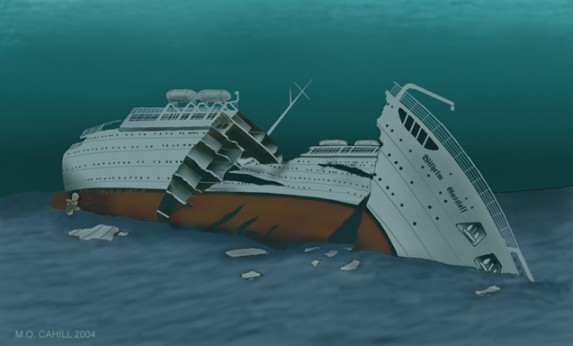
forgottenship

Above an image of the wrecked ship

Inge Golberg perished on this ship at the age of 26, such a tragic loss especially to her family and younger sister Susanne.

In the 1960’s Susanne’s  mother had a studio doll made in Inge Goldberg’s likeness with  Red hair, Blue eyes and Freckles. The studio doll was given to Susanne as a gift from her mother in memory of her older sister Inge.

The doll is called Inge and now lives with me.
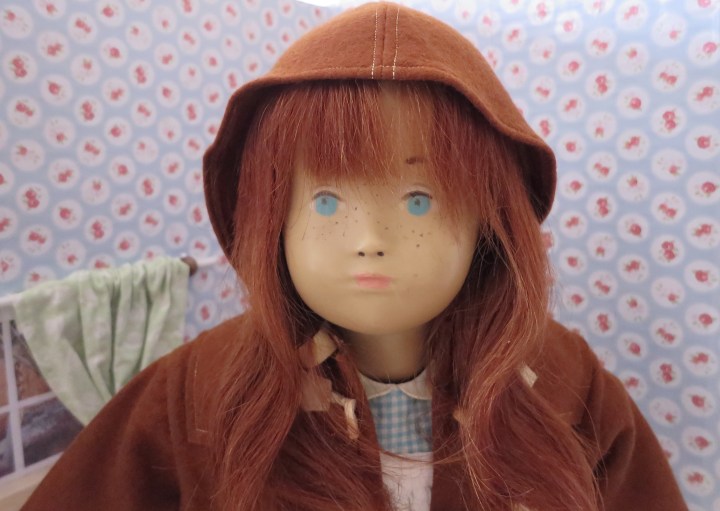
img_1846

img_1819

img_1817

 img_1822

img_1821

img_1838

img_1824

img_1833

img_1825img_1836

Inga’s freckles go right up into her brow. Her outfit is all original and she is a B11 type face with cloth body. She is in excellent condition having been looked after very well by her original family.
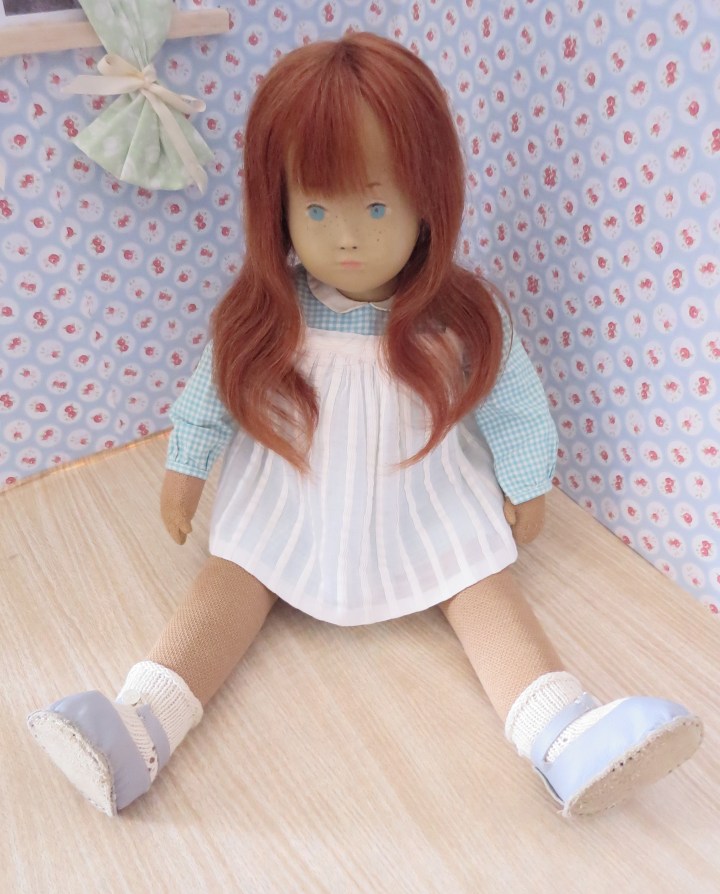
img_1837

Inge is wearing her new shoes from Brigitte.
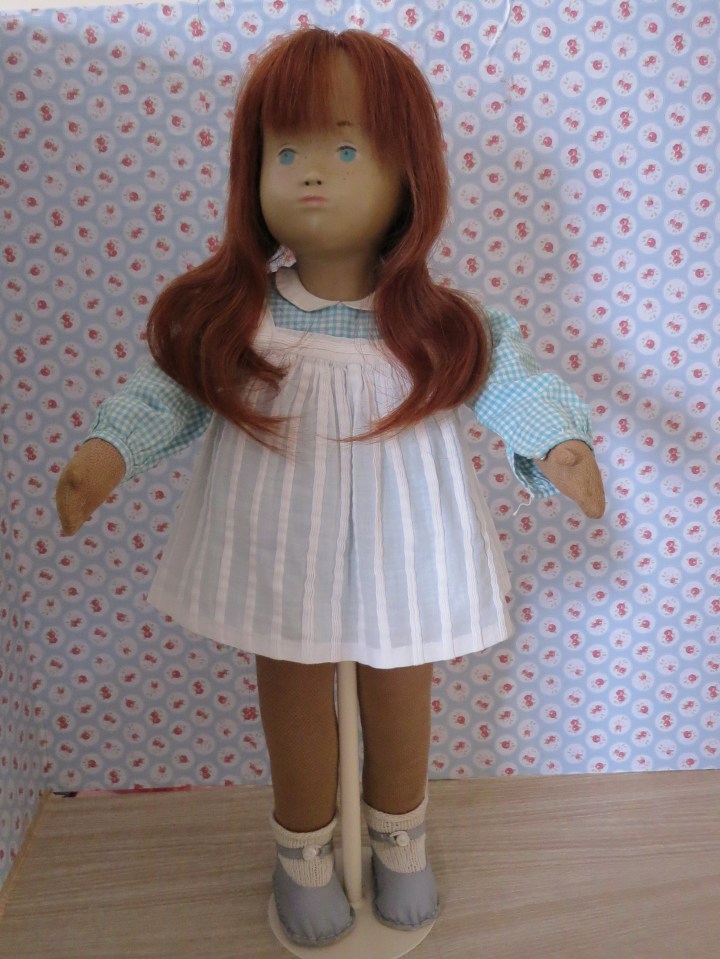
img_1843

I would like to thank Uli Goldberg who was Inge Goldberg’s Nephew and son of her brother Karl for all the photos and information he and his 90 year old mother were able to tell me about Inge Goldberg.

her memory will live on forever in this wonderful studio doll Inge.

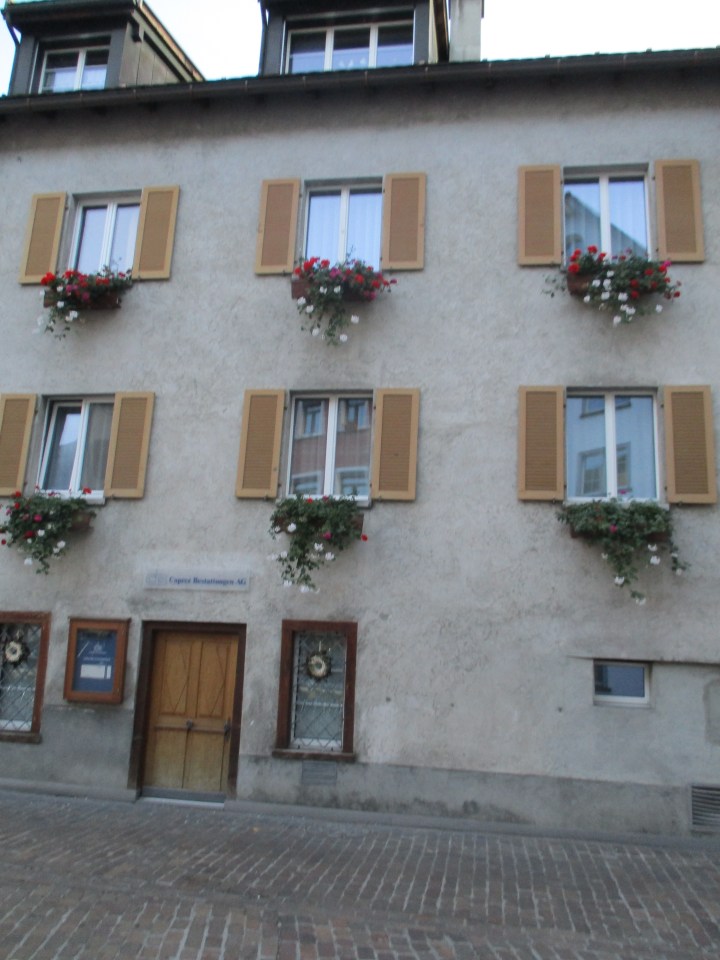
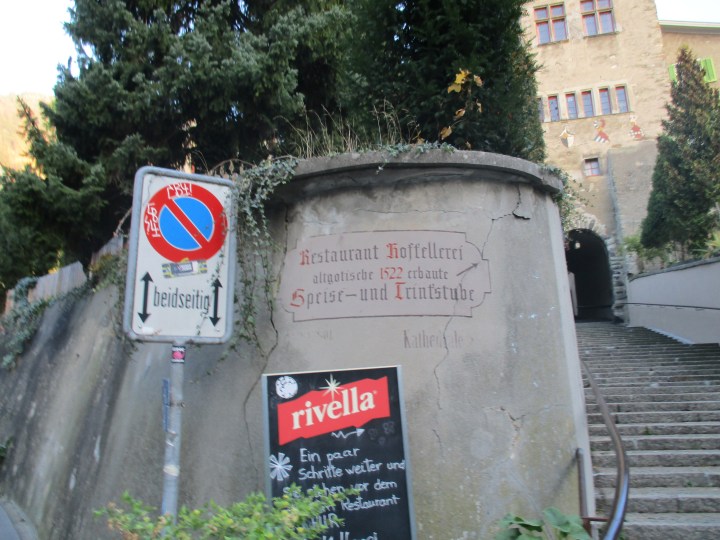
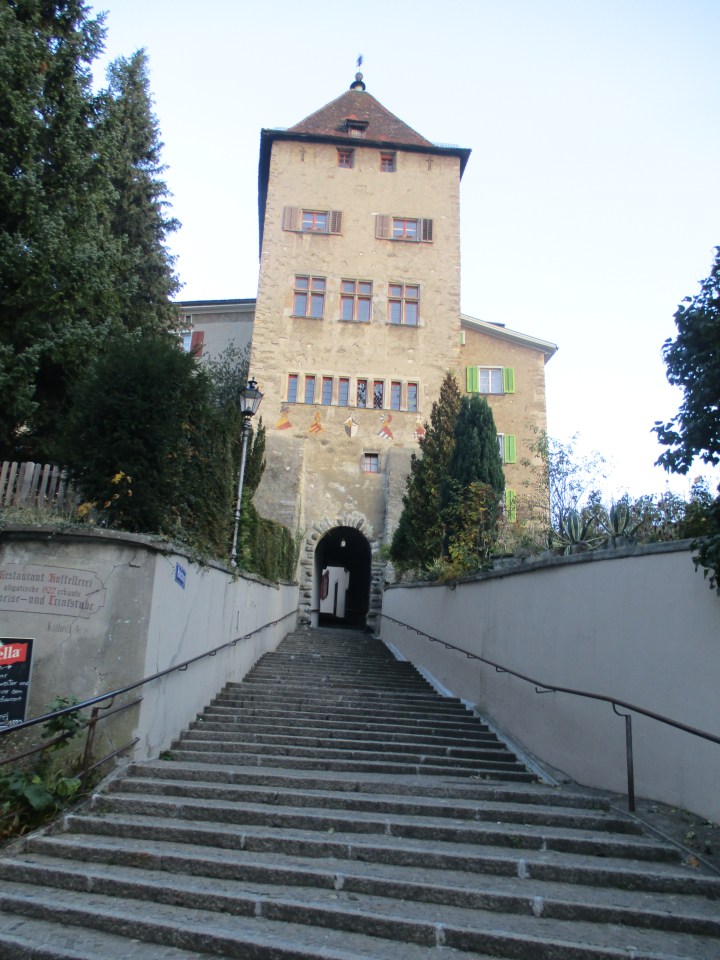
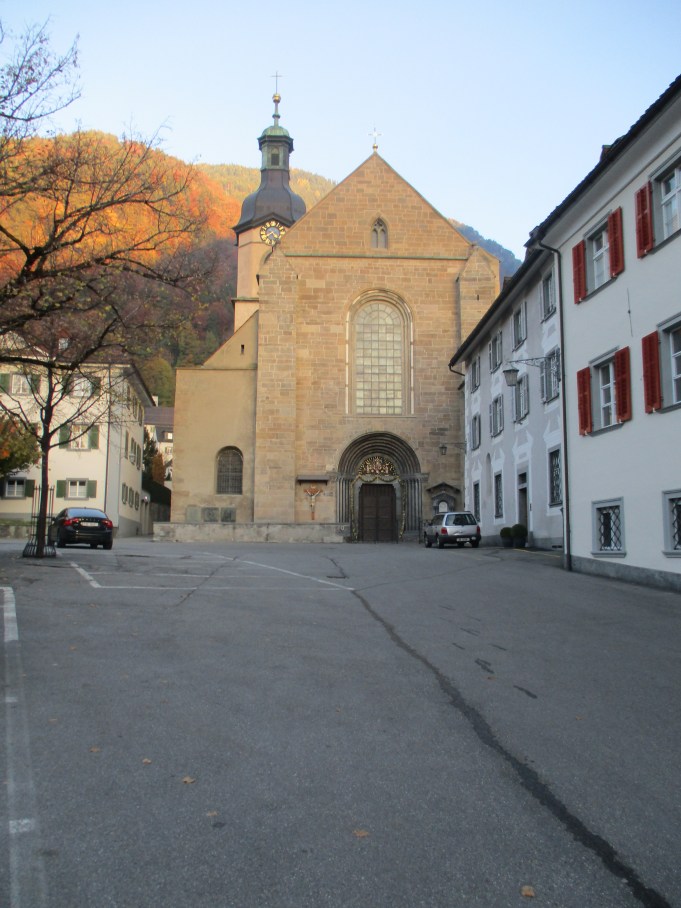
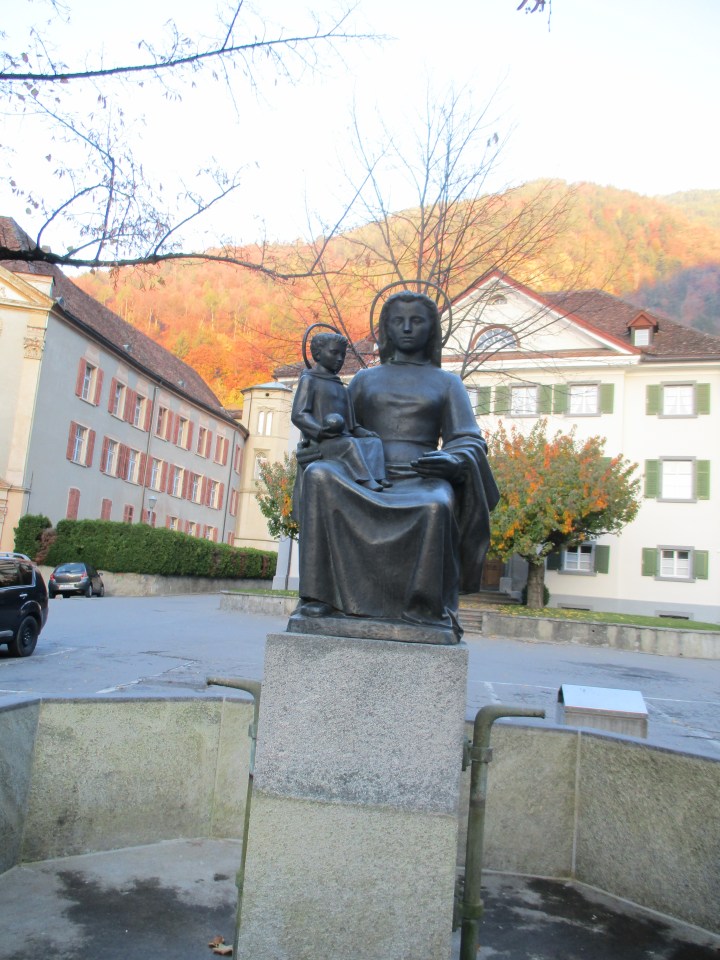
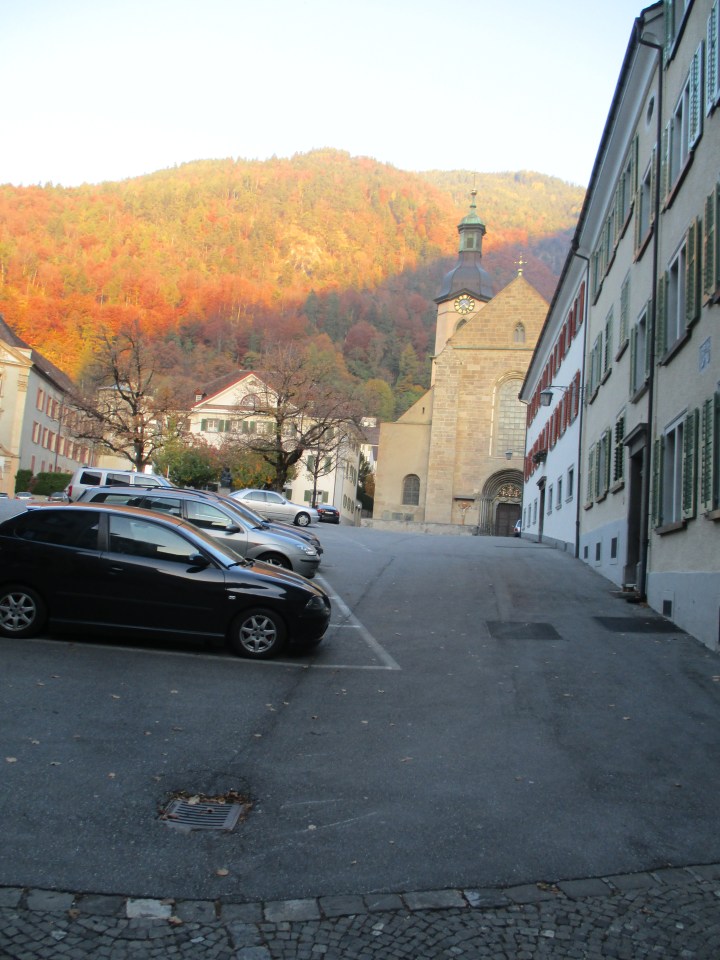
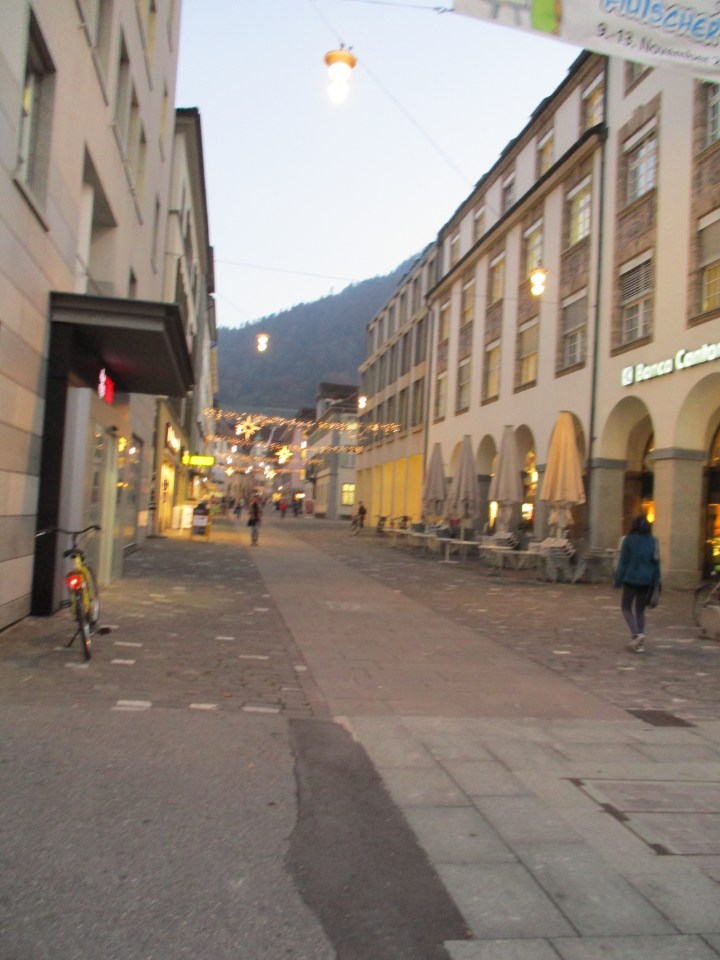
The day before I headed home to England Brigitte took me on a trip to the Old Town of Chur

img_0836

A short ride on a train and we were there.

img_0838

img_0839

img_0845

A wonderful view of the river that runs through the town.

img_0849

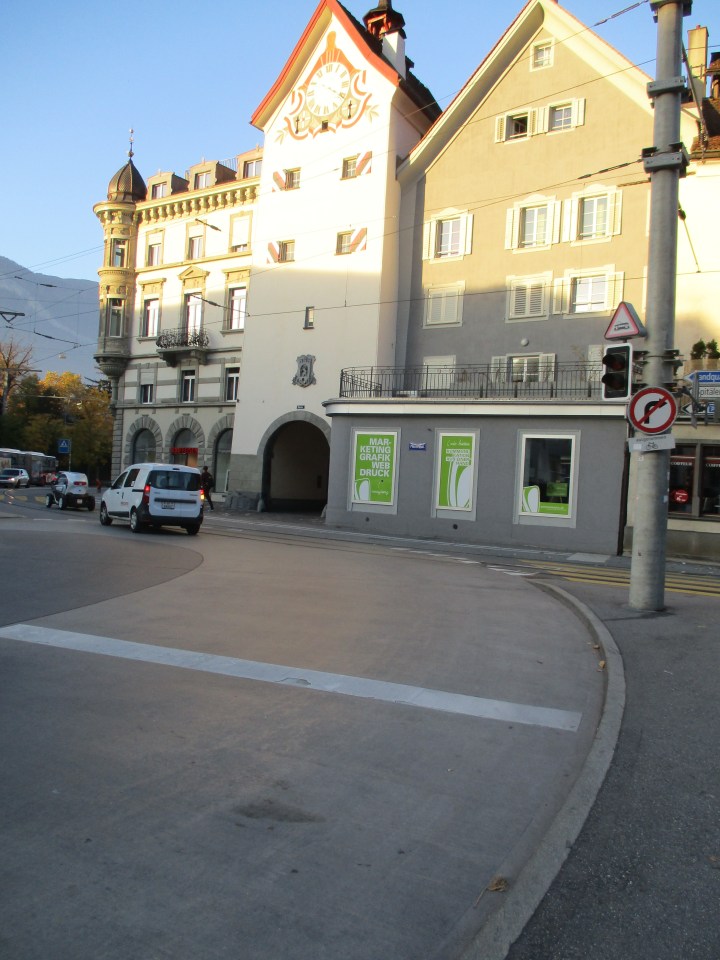
Above is the entrance into the Old Town of Chur.

img_0850

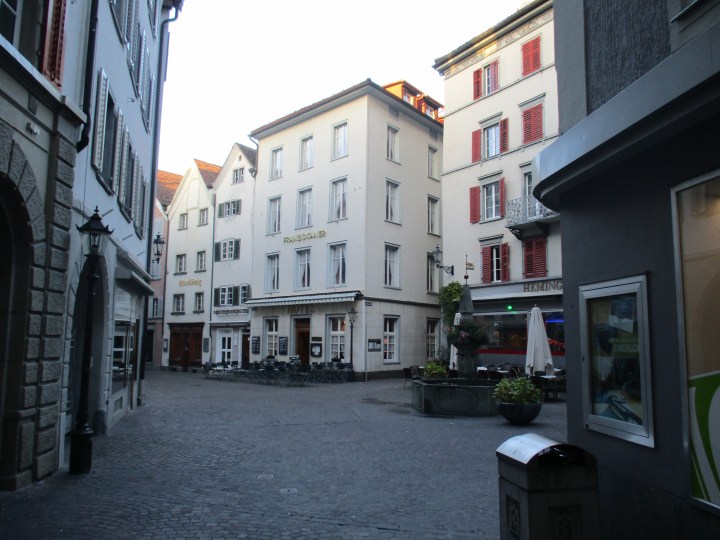
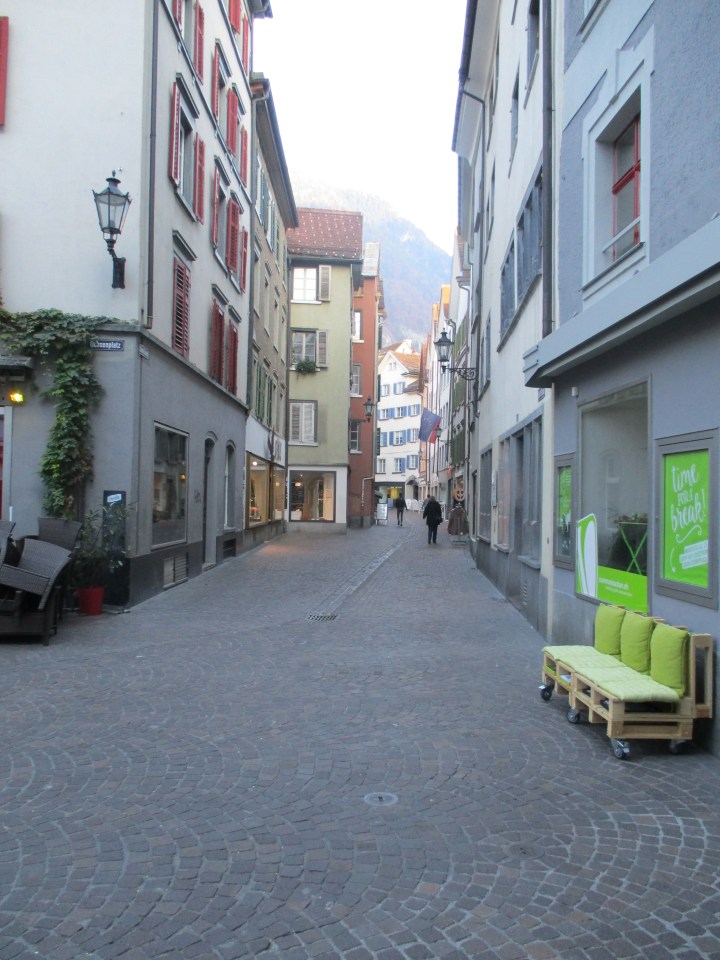
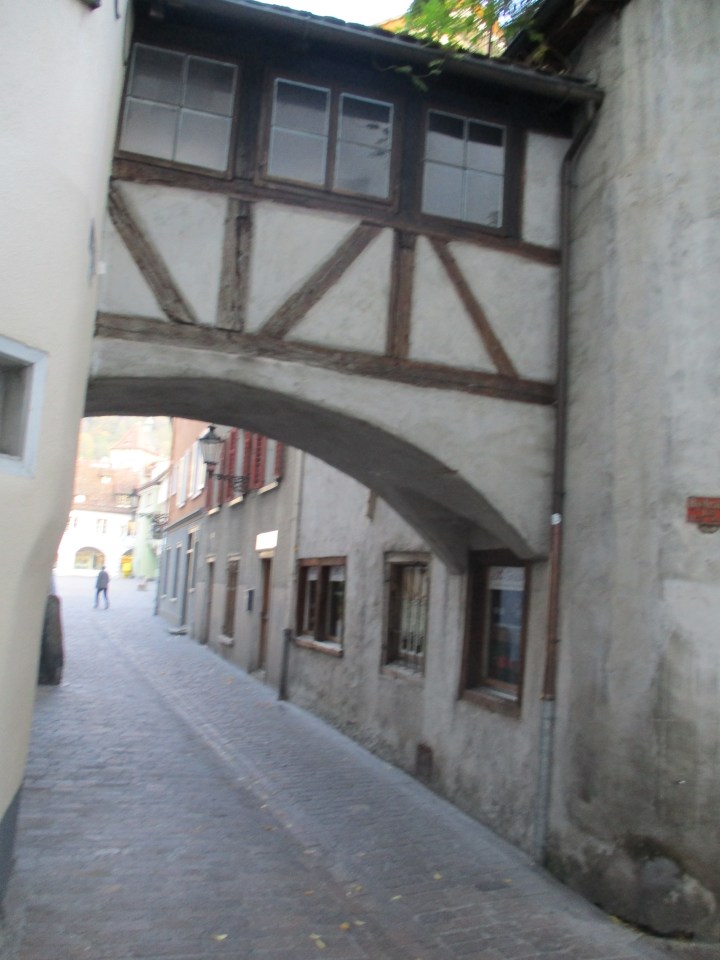
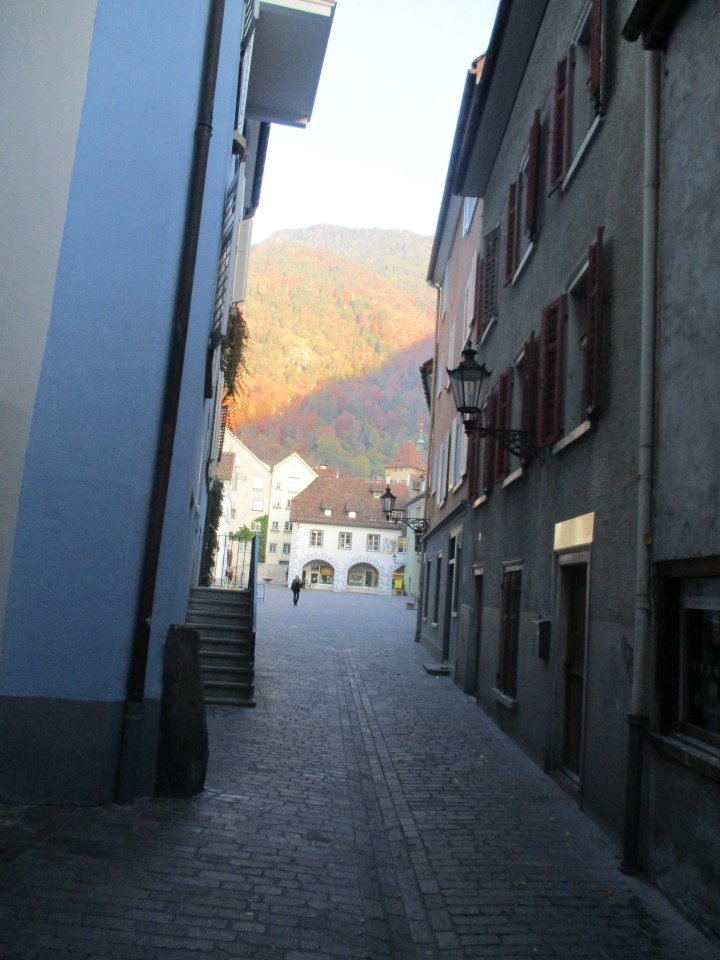
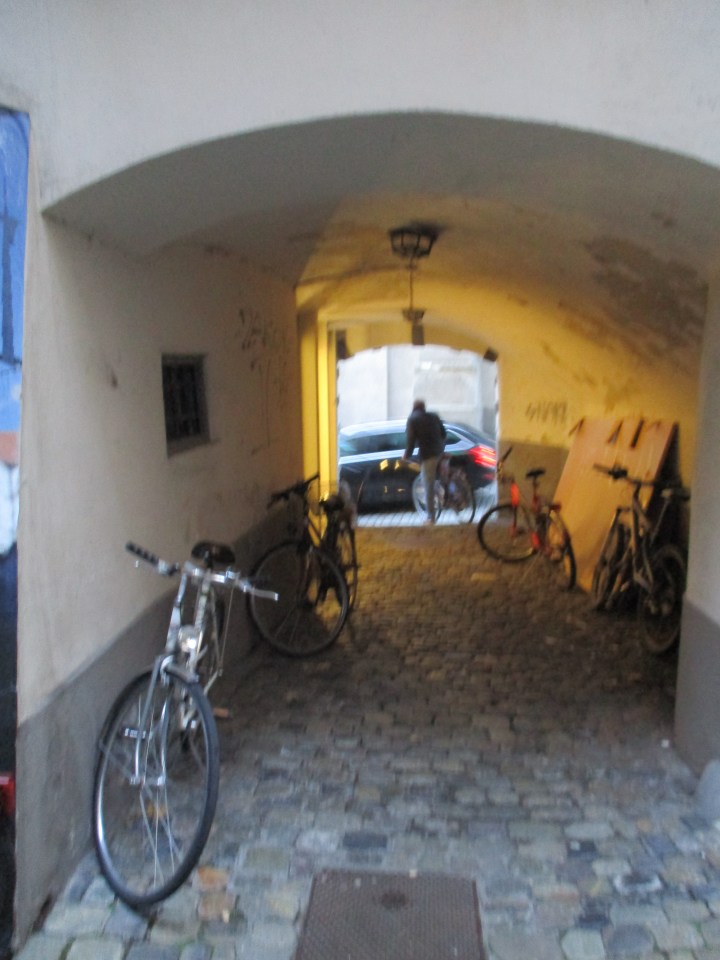
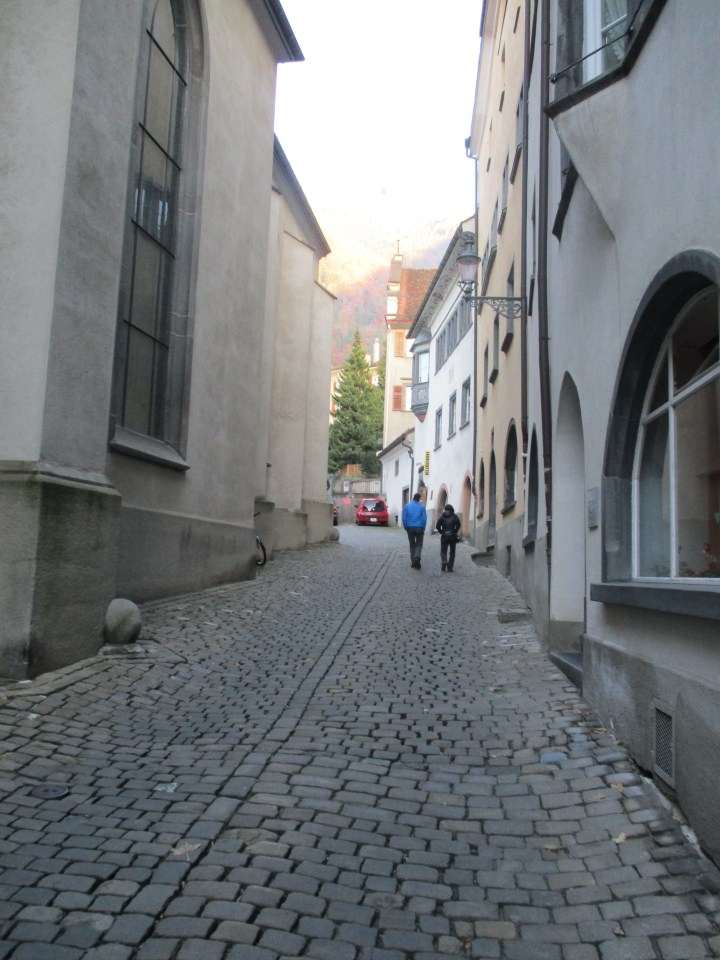
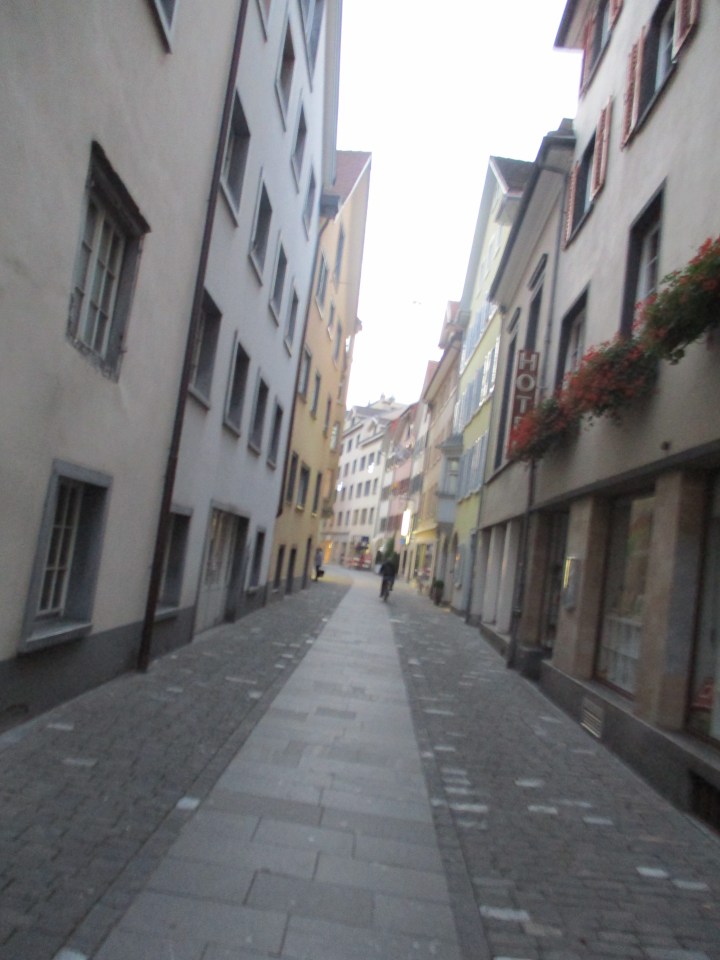
Enter under the arch into a different time of cobbled streets and beautiful buildings.

img_0851

img_0852

img_0853

img_0854

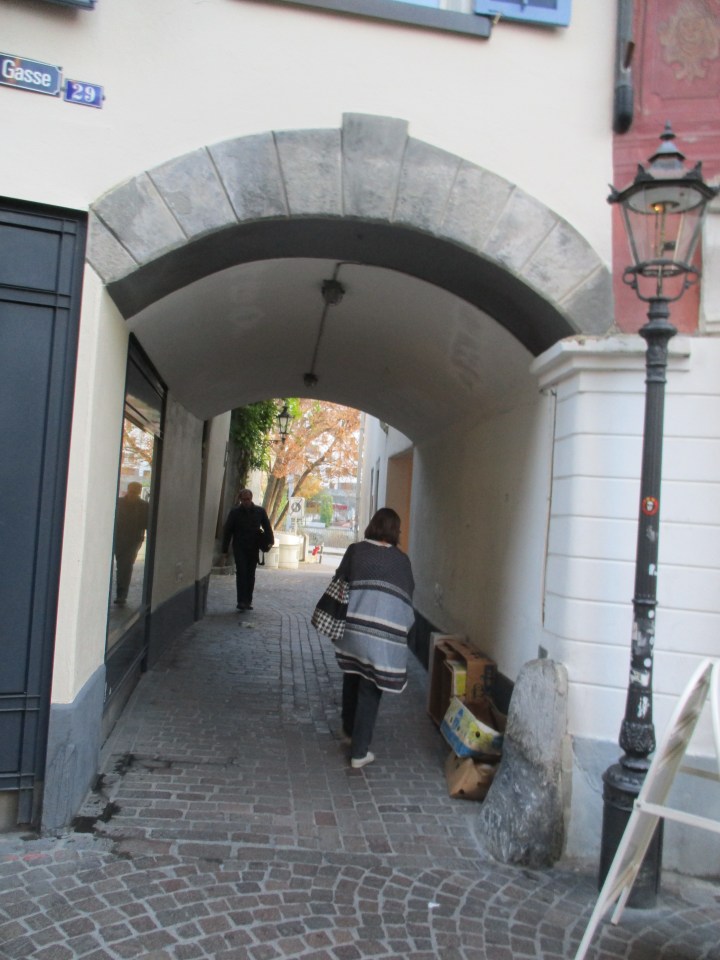
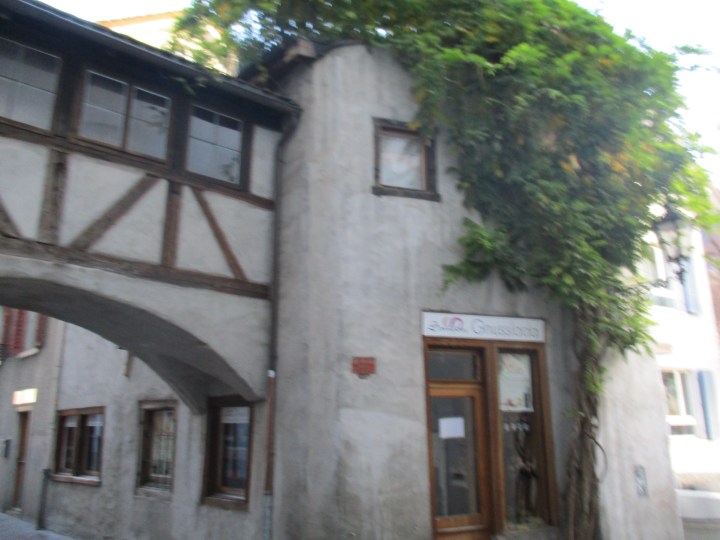
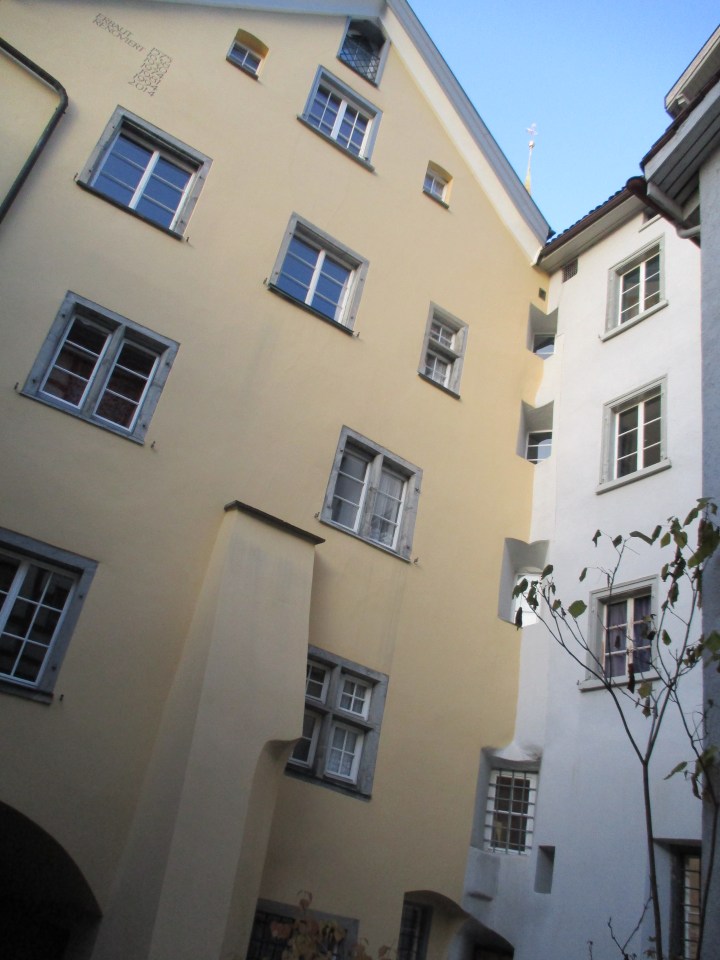
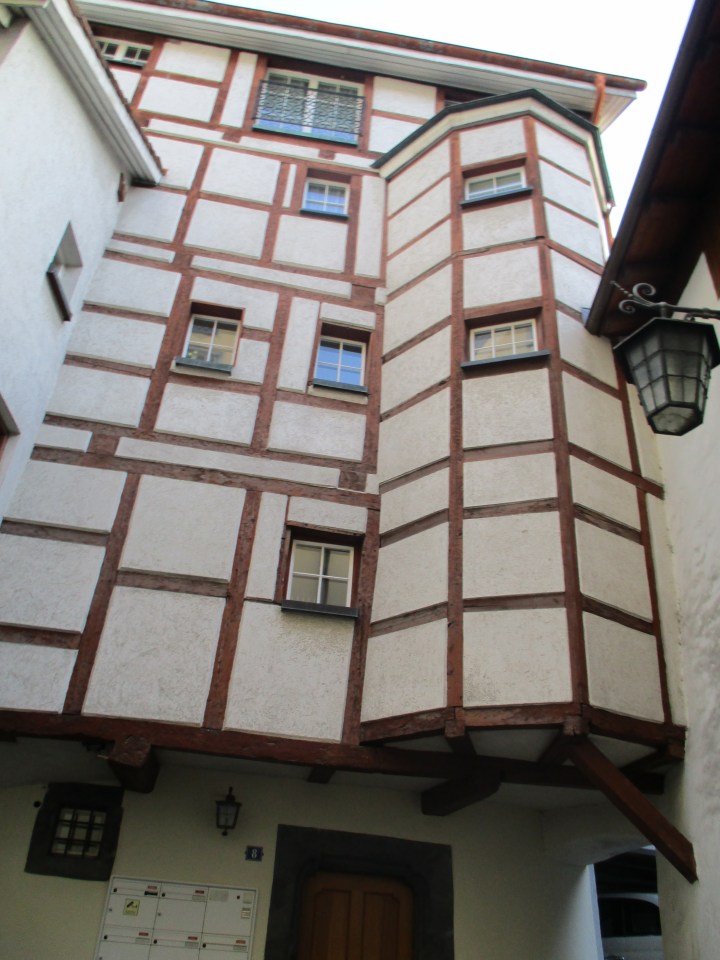
Under another archway to some very old and charming building’s

img_0855

img_0856

img_0857

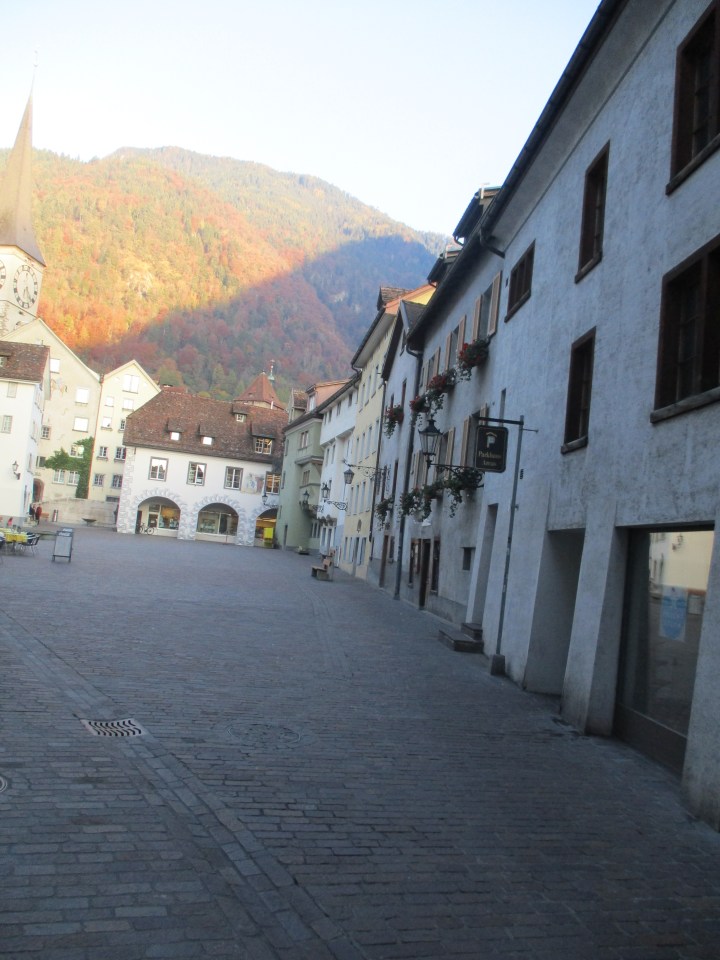
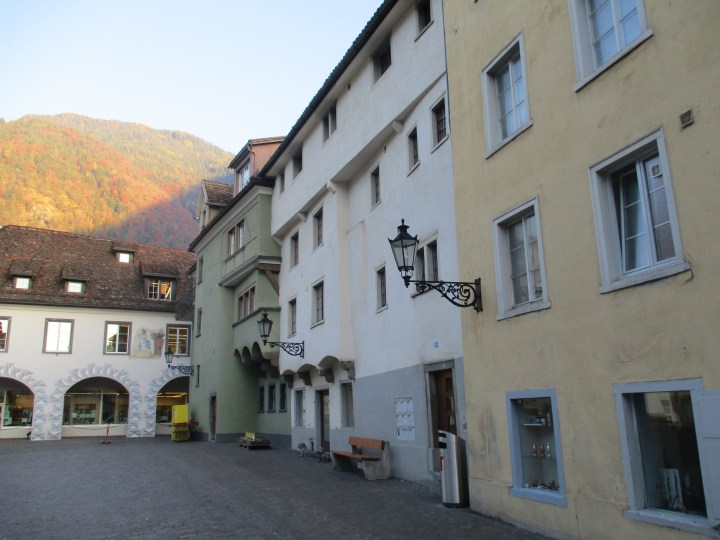
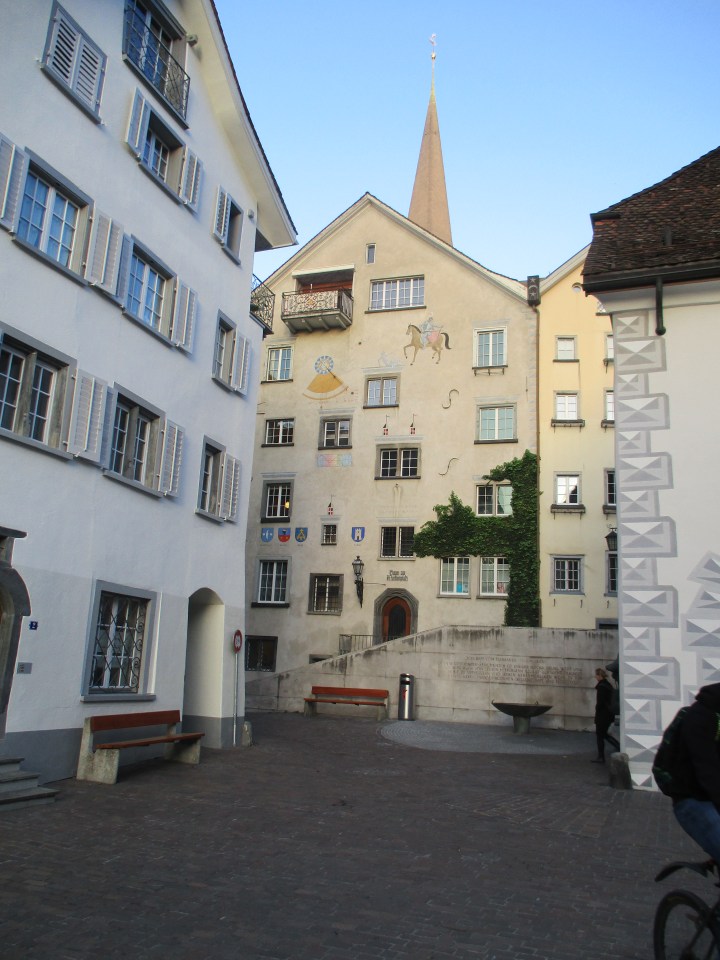
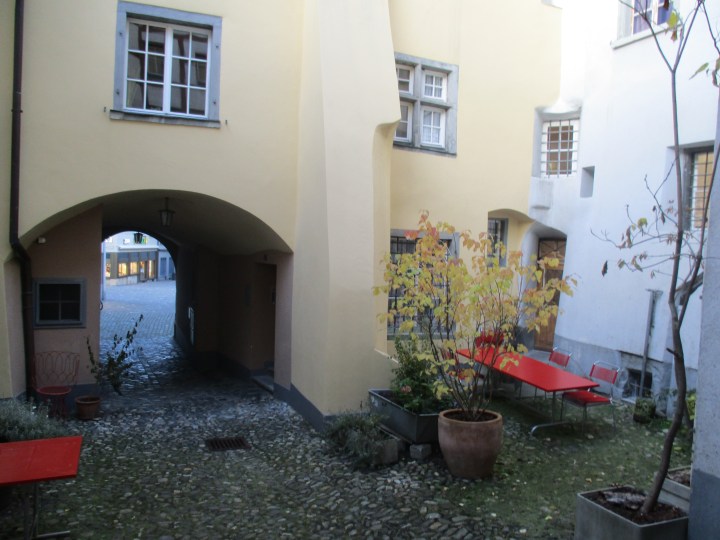
Into the wonderful court yard

img_0858

img_0860

Above: If you look in front of the buildings on the right hand side of this photo on the floor. It is possible to see 3 rows of bricks outlined on the floor. This would have been where houses once stood creating a small alleyway in between the houses. The houses that stood there were demolished and the area is now where a market is held.

img_0861

img_0863

Above: The old gas lamps still remain but they have been changed to electricity.

img_0864

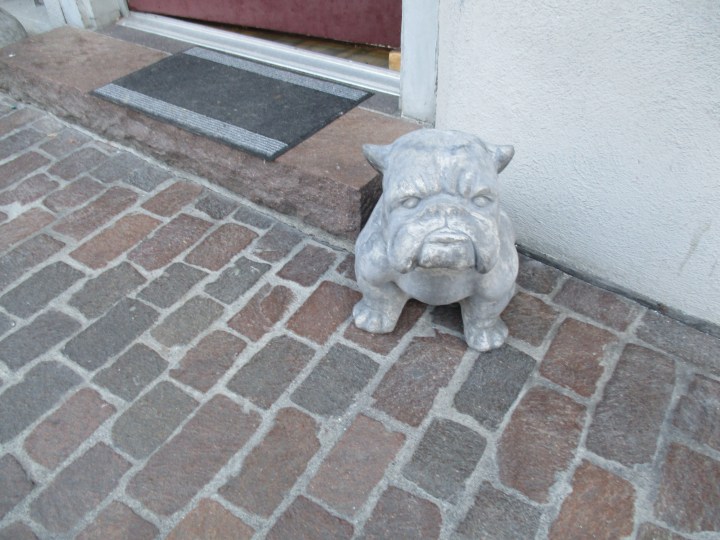
This little fellow reminded me of a British Bulldog

img_0865

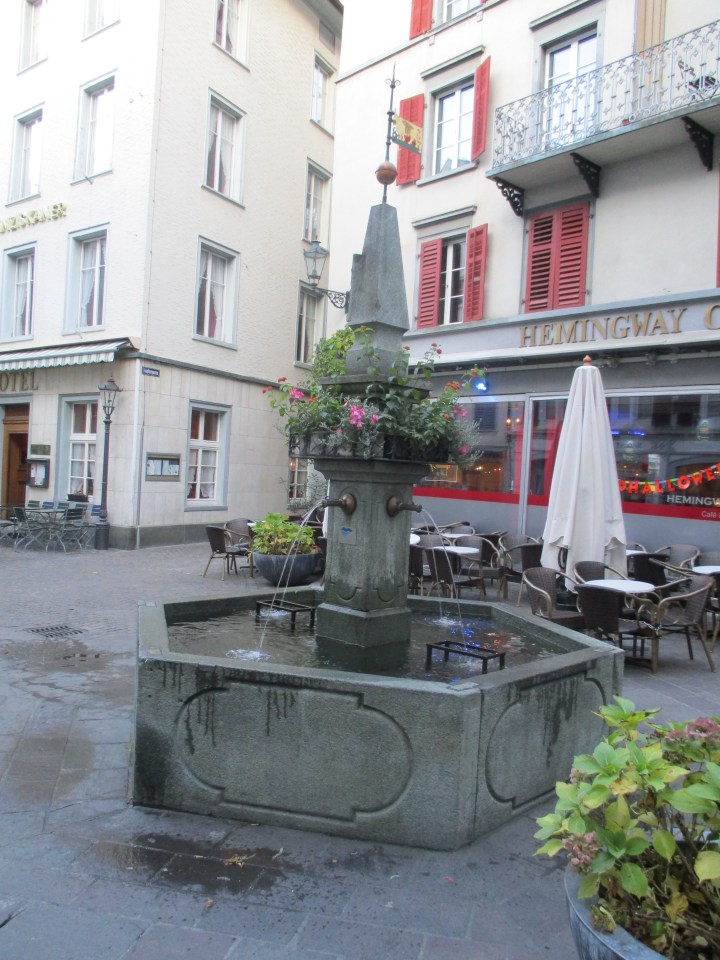
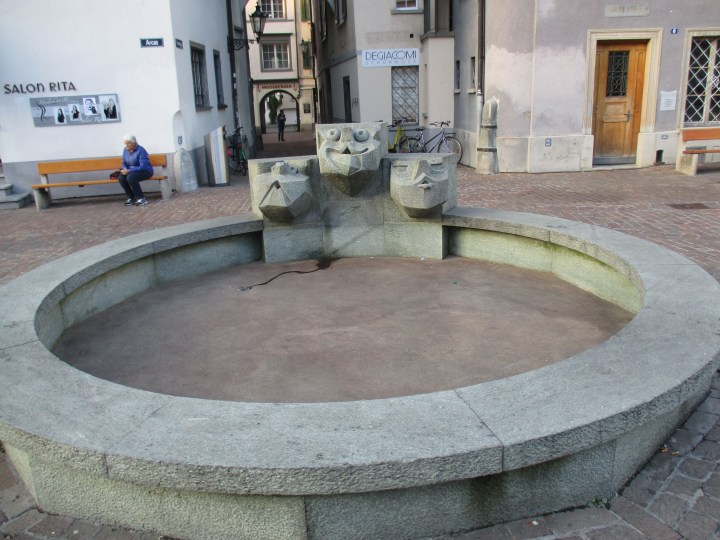
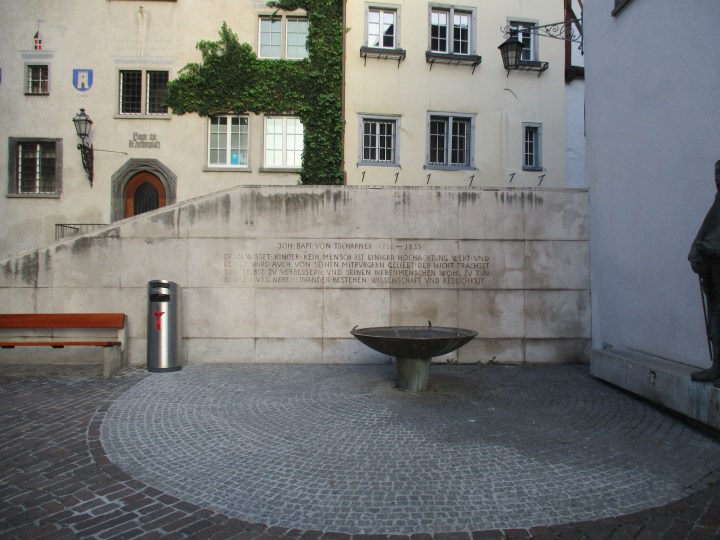
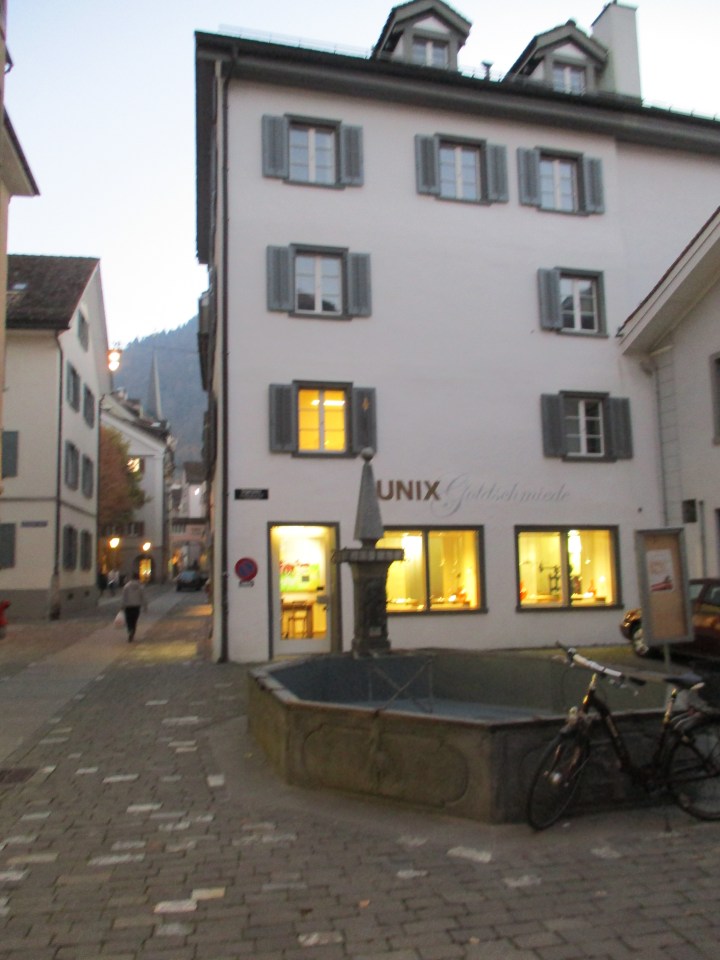
A rather amusing fountain

img_0866

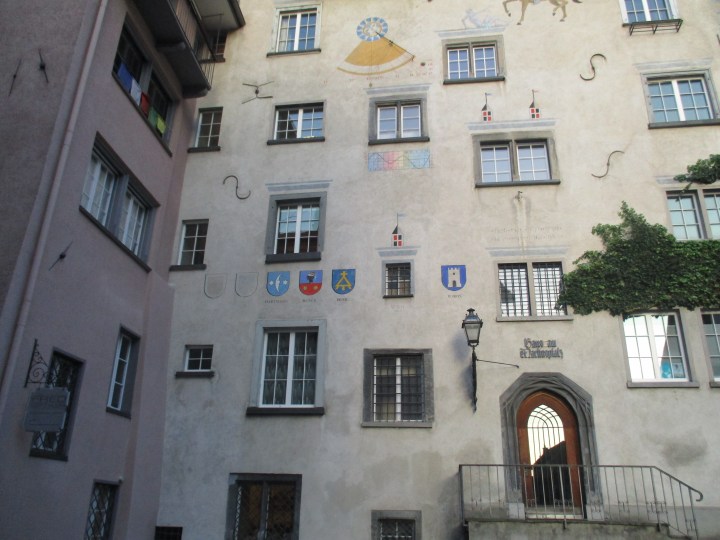
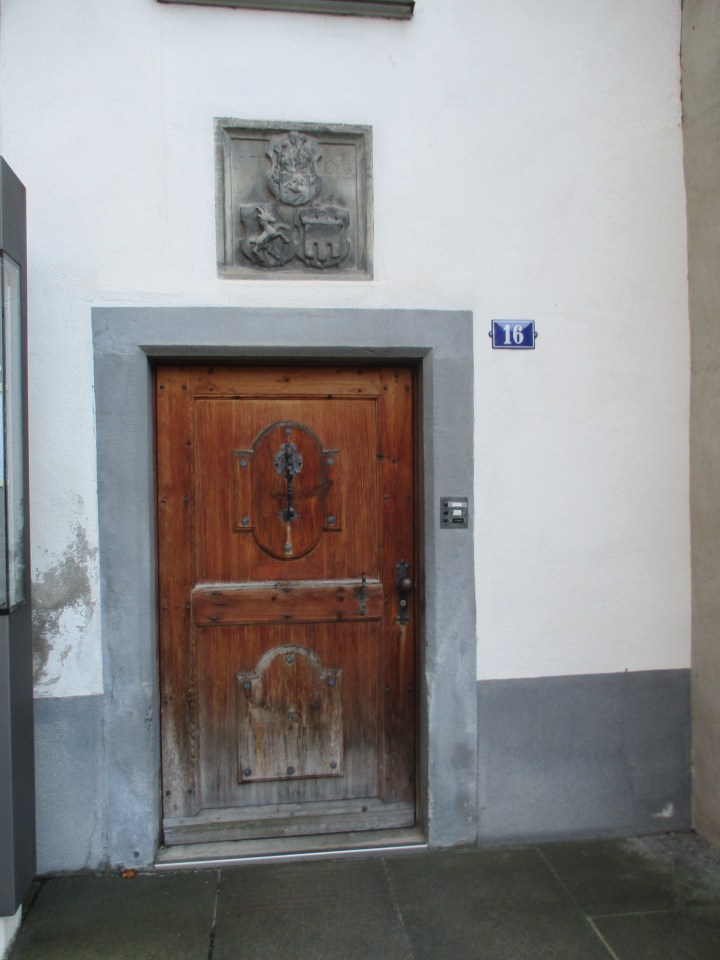
Above: The same family had lived in this house for generations and their family crests adorn the walls.

img_0867

img_0868

img_0869

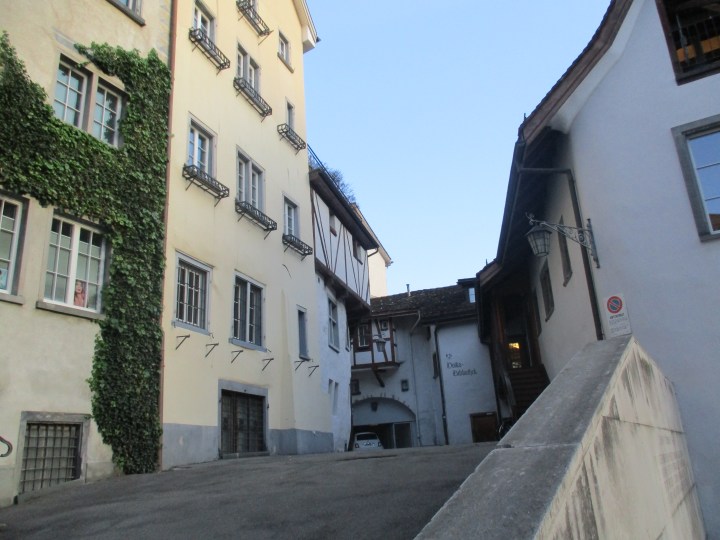
Up the slope we went

img_0870

img_0872

img_0873

The Bärenloch, or “bear hole”, is one of the most enchanted places in the city of Chur – and at the same time one of the best preserved parts of the Old Town. The origin of this name, given to the two interior courtyards between Arcas Platz and Kirchgasse, is unknown – yet it is an appropriate description all the same. However, in ancient documents the dark Bärenloch is referred to as “curschellas”, a late Latin term simply meaning “small courtyard rooms”. Indeed, the two rooms still seem small and cramped to this day, thus making the Bärenloch a good example of the living situation in late Medieval Chur.

It is said that Bears were captured and kept here.

img_0875

img_0874

img_0876

img_0877

img_0878

img_0879

img_0881

img_0882

Once out f the other side we made our way up the hill. encountering many more beautiful buildings  along the way

img_0883

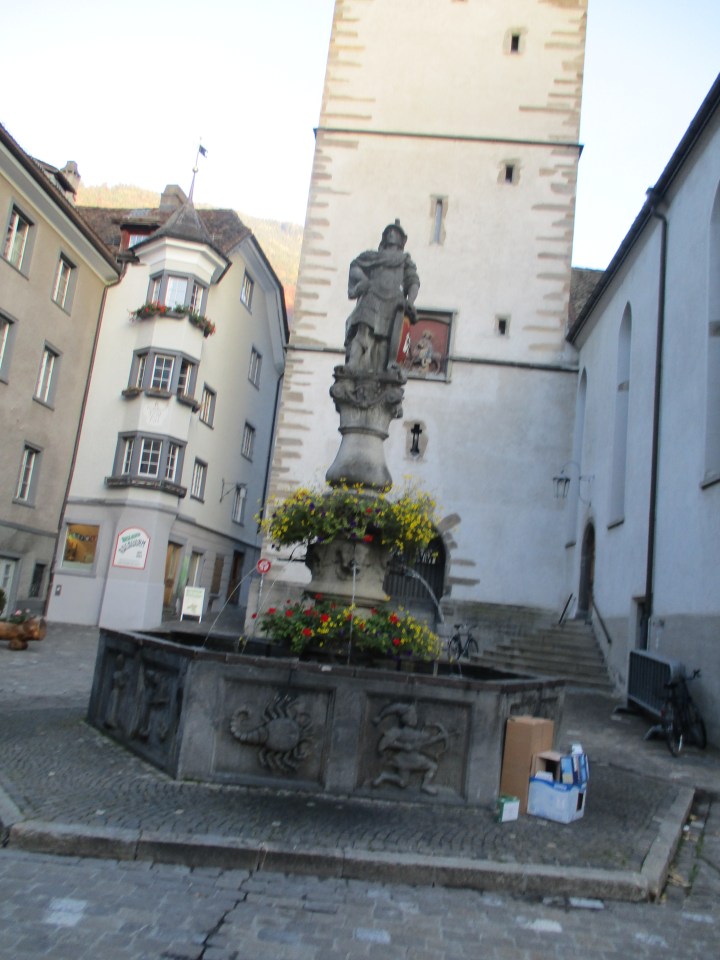
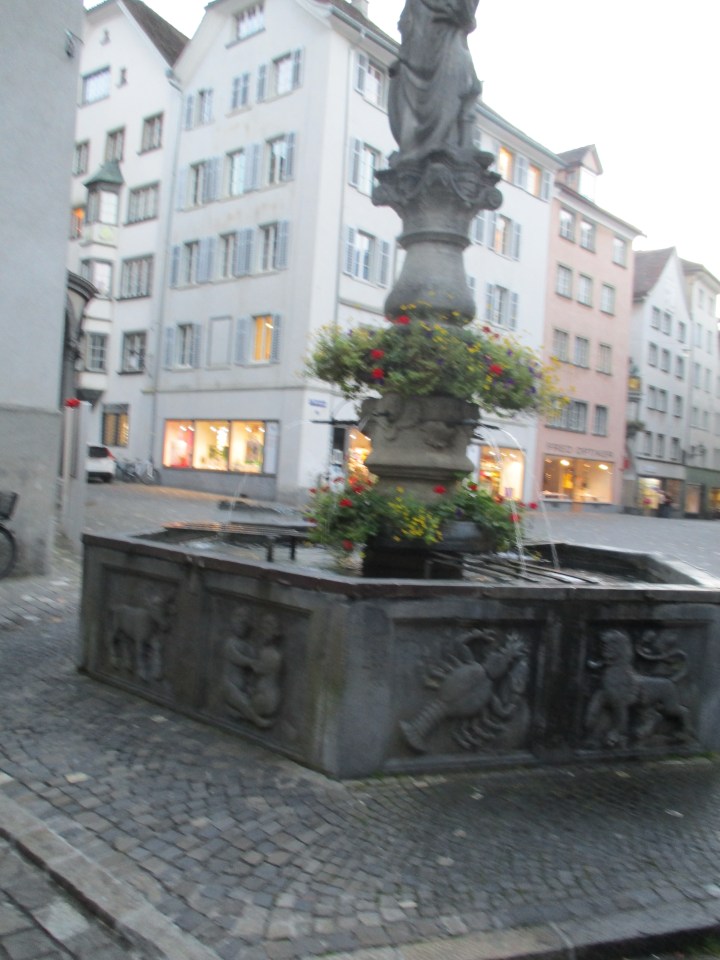
The St. Martin’s square lies in the oldest part of Chur, midway between the two towers, the Obertor and the Untertor, thus forming part of the historical north-south route through the inner city. It is dominated by the Kirche St. Martin. The Martinsbrunnen dates from 1716. Its basin is adorned with signs of the zodiac. Apart from the sign-holder and the columns, the fountain is still in its original state.

img_0886

img_0928

Below:

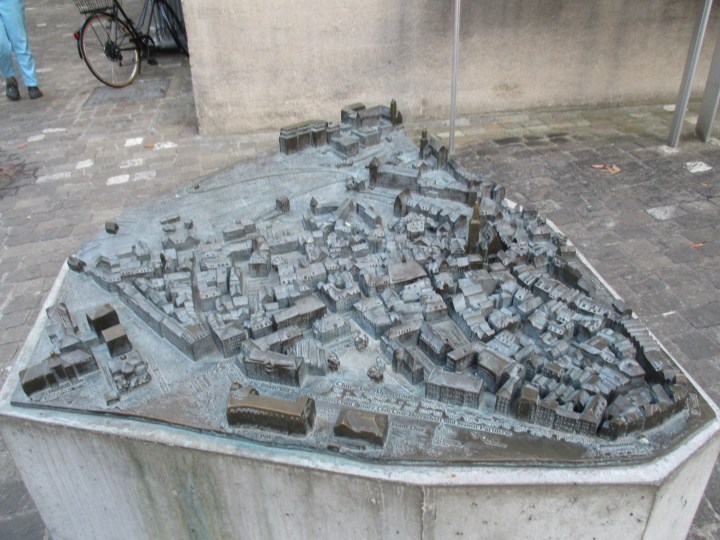
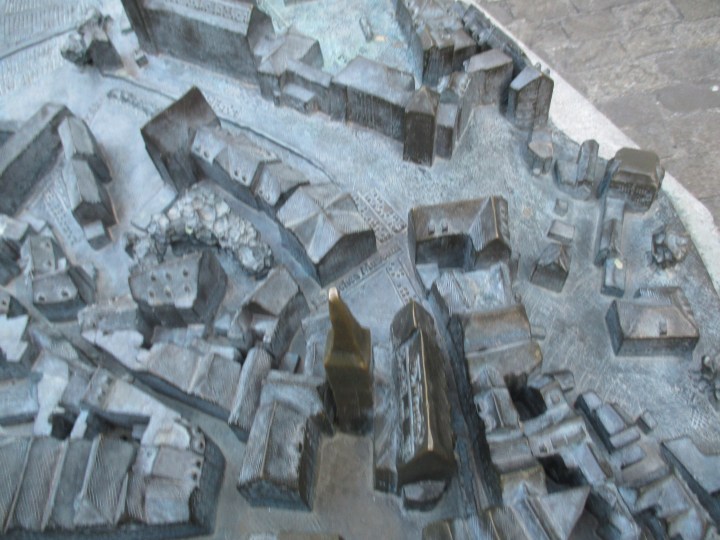
The oldest city in Switzerland can be experienced through touch due to the historic centre tactile model. The model helps people who are blind and vision-impaired to get an idea of what the Chur historic centre is like. At the same time, it is a useful tool for city tours and an attraction for children. The bronze model is located in the Chur city centre on Martinsplatz. The 1:500 stands on a concrete base and is also accessible to wheelchair drivers. The names of the most important buildings are in letters and in braille for the blind.

img_0889

img_0890

img_0896

St. Martin’s Church was originally a Romanesque church built in the 8th century and consecrated in 769 AD. It was named after St. Martin, Bishop of Tours. The church was largely destroyed during the great fire of 1464. It was rebuilt in late Gothic style and reused parts of its Carolingian predecessor. Construction was completed in 1491 and it is the largest late-Gothic building in Graubünden. This church in the Old Town was a centre and base for the Reformation in Chur from 1523. Since 1919, the three glass windows by artist Augusto Giacometti have been a special feature of this church. They depict the Christmas story.

img_0898

We were about to enter the Catholic area which at one time had been completely walled off from the rest of the town.

img_0925

img_0894

img_0892

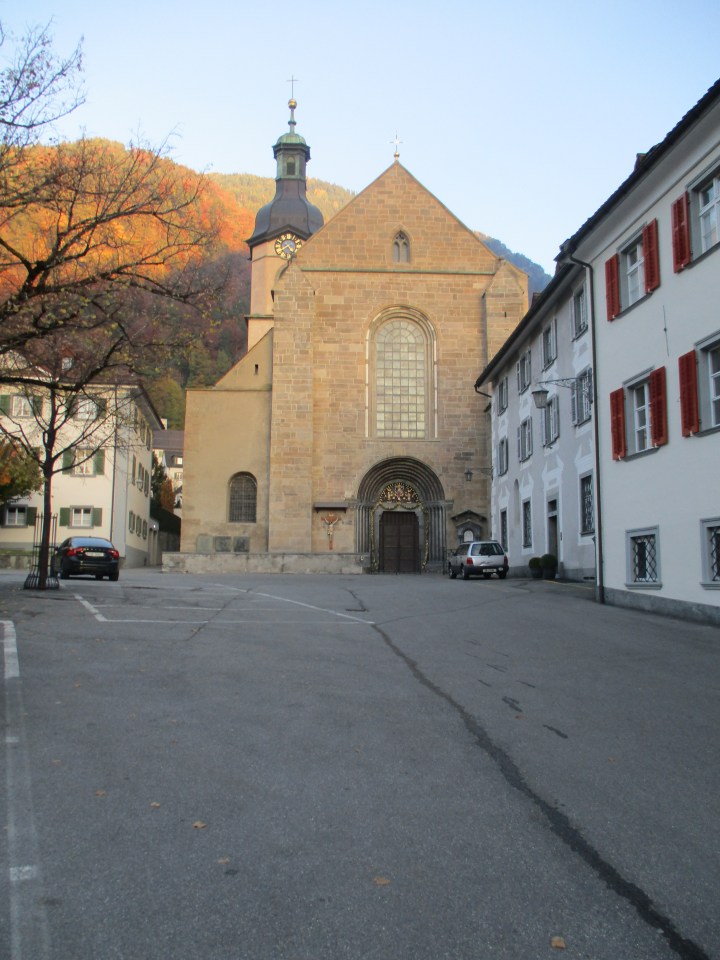
The fortifications surrounding Chur’s Episcopal Courtyard make it look like a miniature town, high above the city. In the centre of the courtyard stands the late Romanesque cathedral, which was finally completed in 1272 after a construction period lasting over a century. Built around it are the Episcopal Castle and the canons’ houses.img_0901

img_0902

img_0903

img_0899

Below the door to the Bishop’s residence.

img_0905

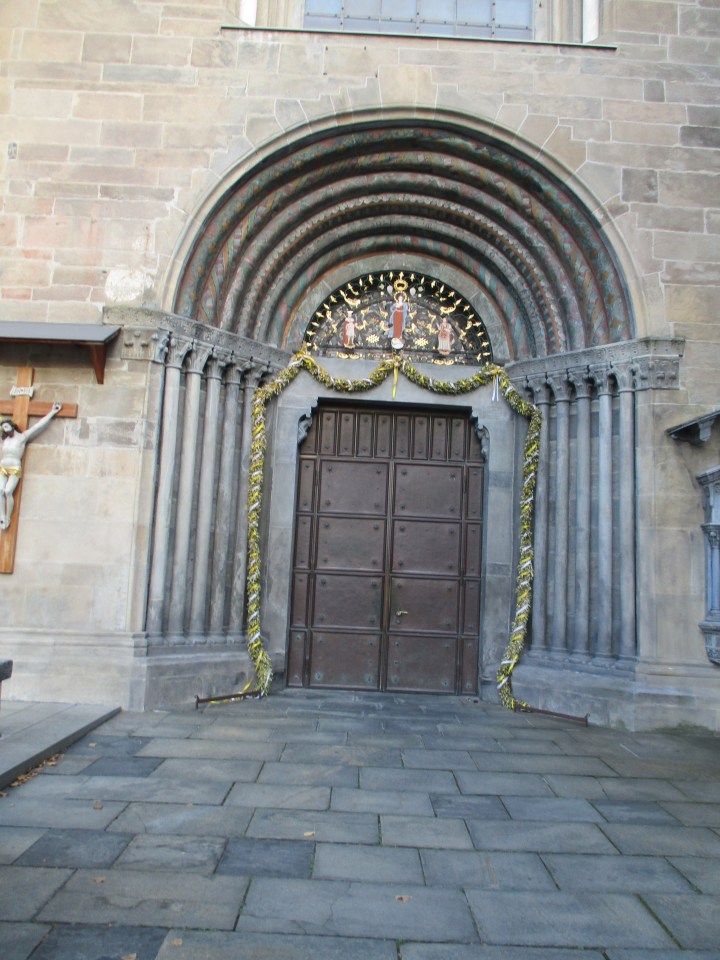
Below:  The Cathedral of Mary’s Ascension is the focal point of Chur’s Bishop’s Court. This diocese dates back to late Roman times, making this the oldest still functioning bishopric north of the Alps.

img_0901

img_0904

During the Protestant Reformation, the Catholic church and its adherents were exiled within this court for 300 years, conducting their lives and worship entirely cut off from the rest of the city. In the 19th century more tolerant views prevailed. The cathedral itself was founded in 1151 and bears a mixture of architectural styles, primarily Romanesque. Its grey stone, called scalära, is a common building material throughout Graubünden.

img_0907

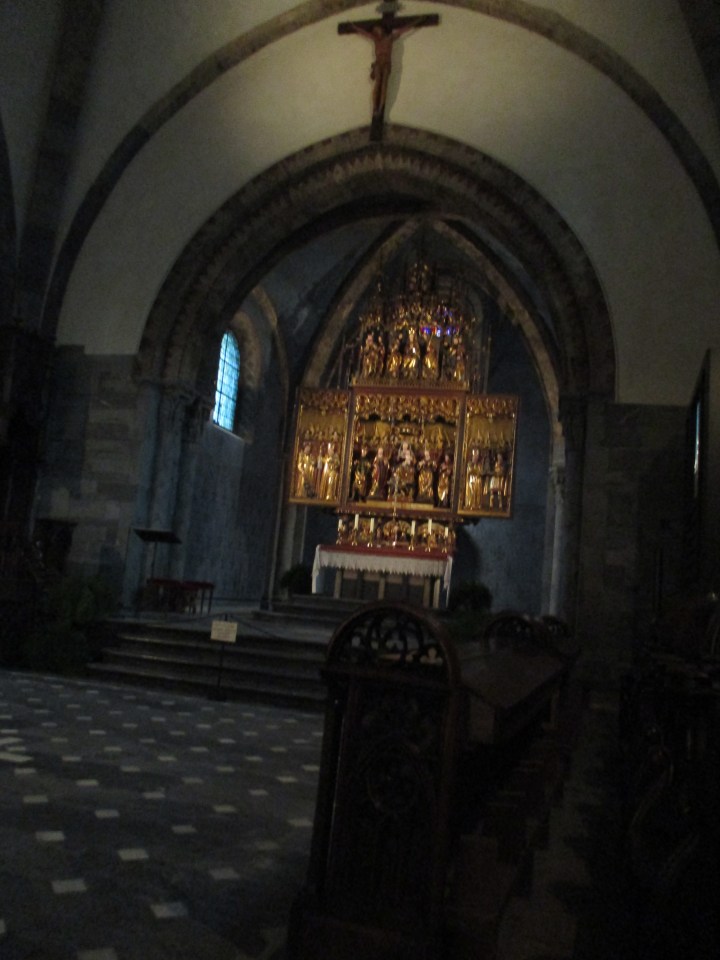
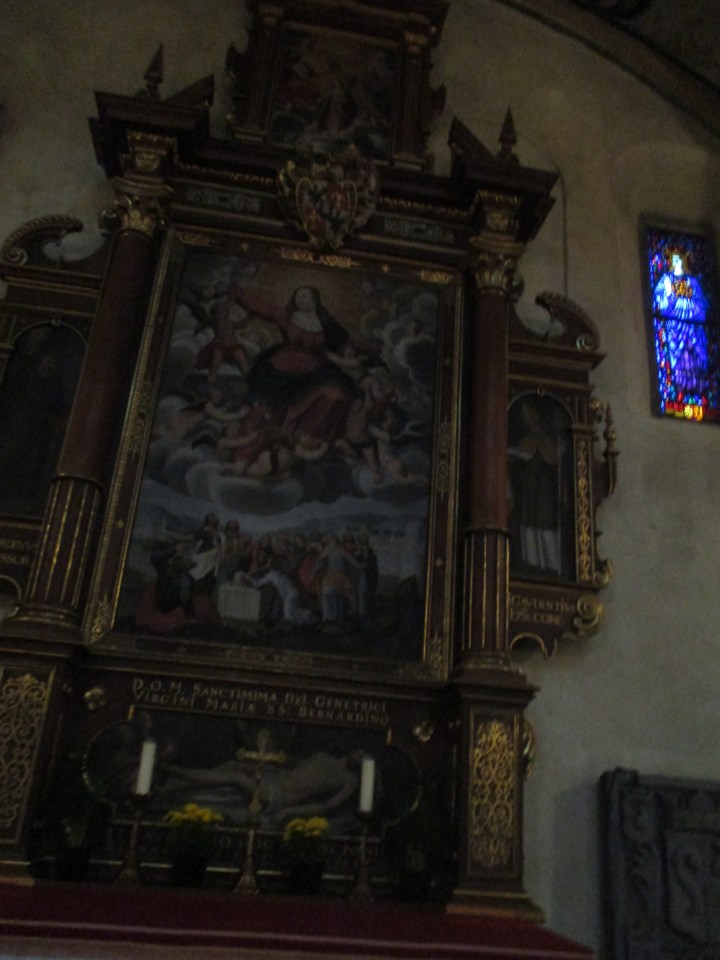
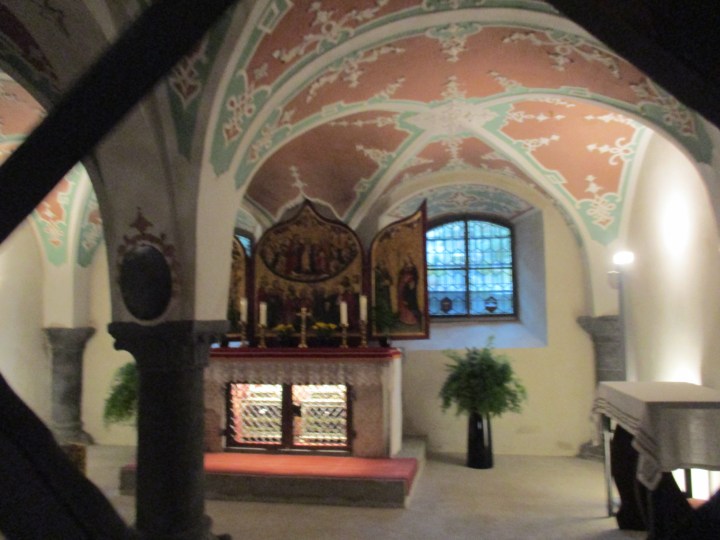
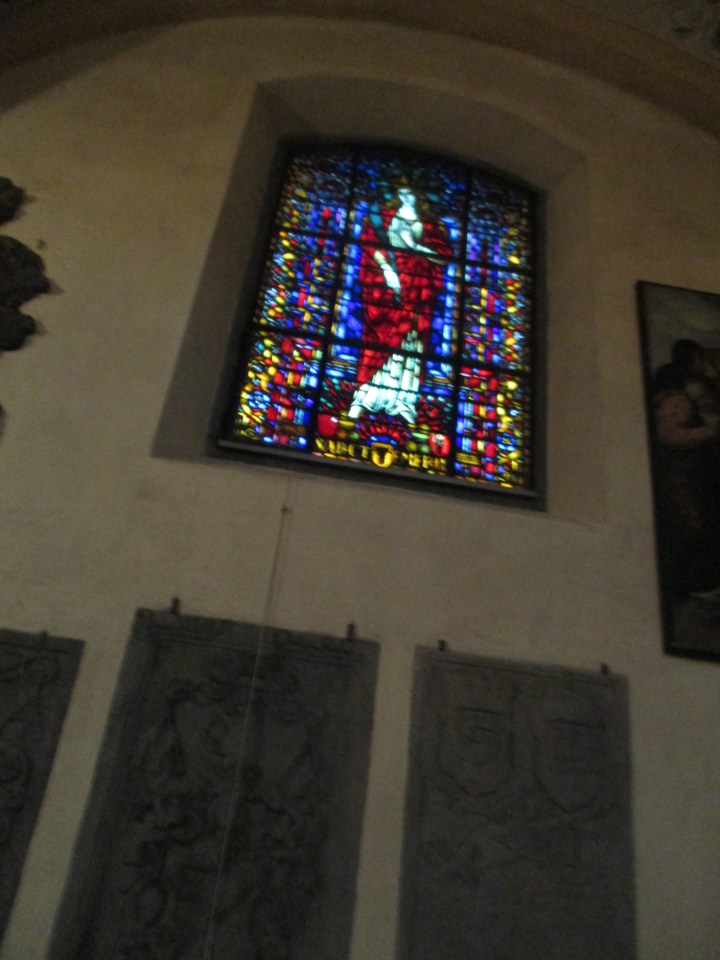
It was very dark inside the Cathedral so I apologise for the poor quality of the photos.

img_0913

img_0908

img_0911

We left the church and made our way back down the hill.

img_0923

img_0929

Below the Town Hall

img_0931

img_0934

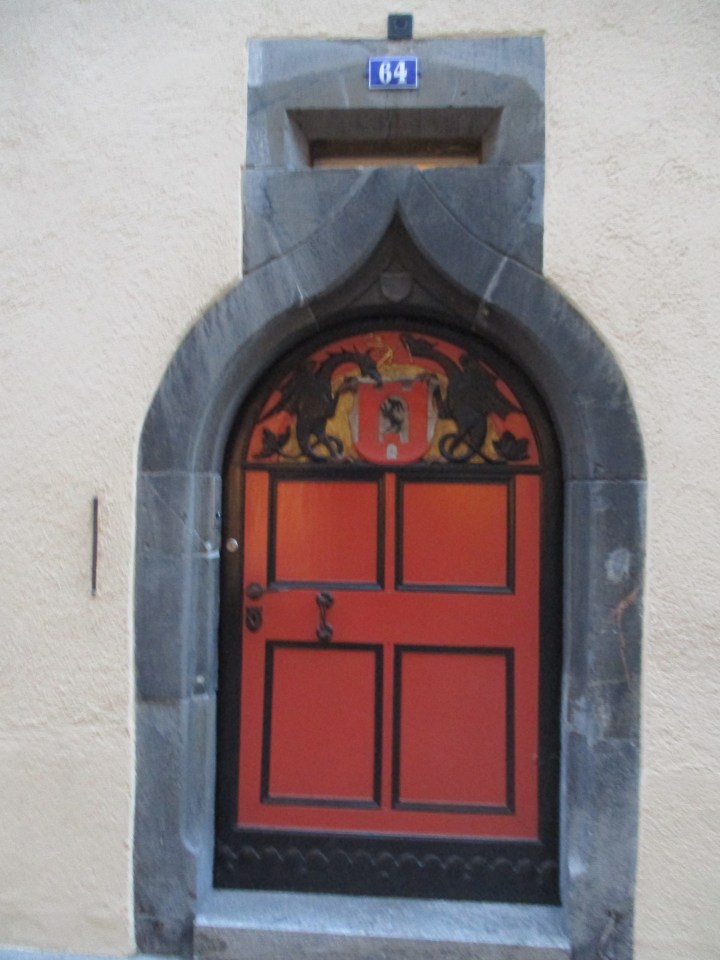
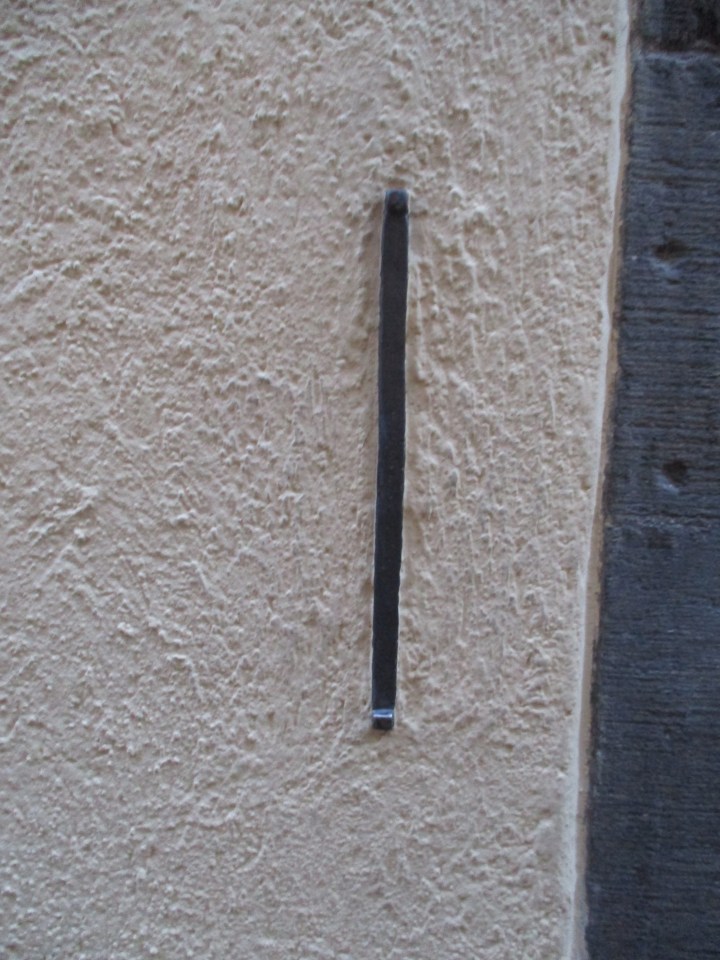
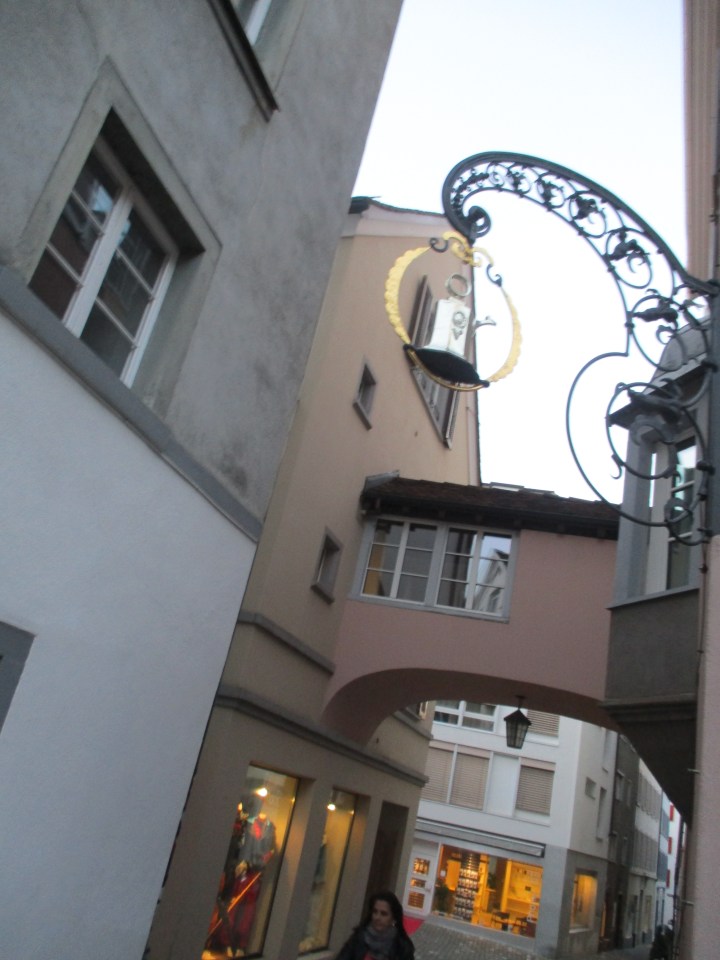
Below a beautiful door way and a measuring rod used for measuring fabric.

img_0932

img_0933

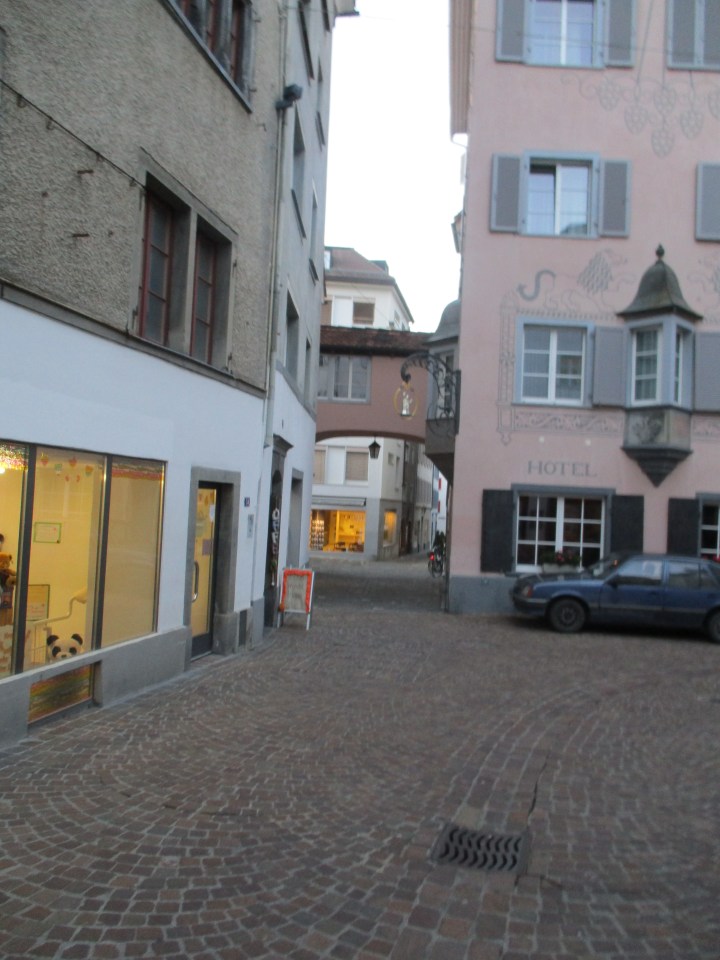
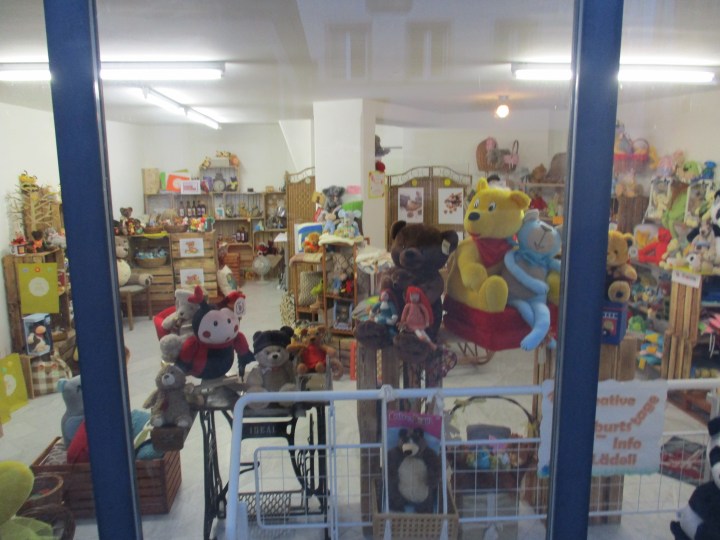
We walked through some more cobbled streets and looked at the shop windows.

img_0939

img_0936

img_0937

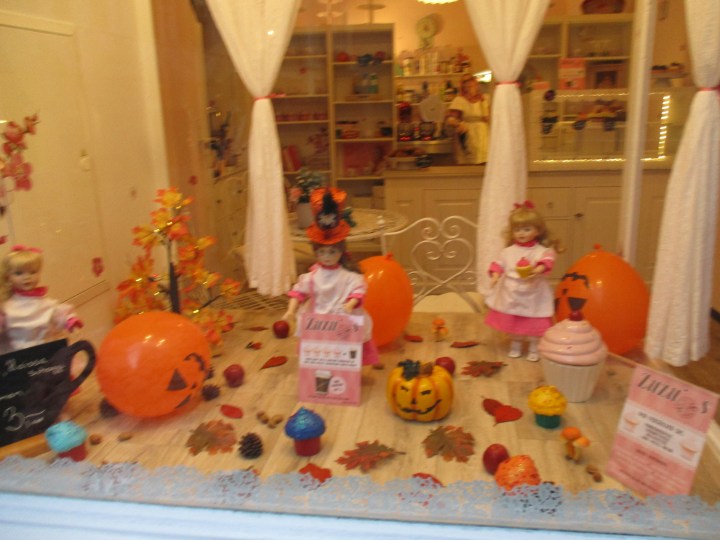
Cupcakes for Halloween

img_0943

Above a Carafe for a wine shop

img_0940

img_0941

Below A shop window for the famous artist Giger

img_0938

H.R. Giger achieved world renown with his “creation” of the “Alien”.

We walked down to the main town

img_0945

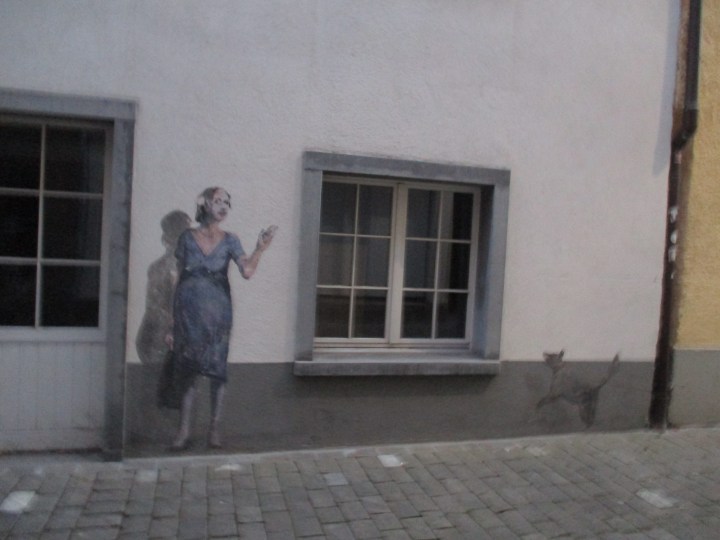
Passing some interesting art along the way

img_0947

img_0956

img_0949

Below:

The Swiss saying, “The post is here”, is underscored architecturally in Chur in a striking fashion. The post office building, designed by architects Jean Béguin and Theodor Gohl, was constructed between 1902 and 1904 and is the largest Neo-Renaissance edifice in the city. The fact that it also bears a resemblance to other post office buildings in Switzerland is no coincidence; at that time, the so-called “Federal Renaissance” was strongly promoted by the Swiss government. The imposing appearance of the building is further enhanced by the intricate decoration on the façades and the figures on the roof by Geneva artist James Vibert.

img_0954

Below: Large and grey, yet friendly – that sums up the building constructed by St. Moritz architect Nicolaus Hartmann between 1907 und 1910. While its grey, starkly structured façades give the building a majestic appearance, thanks to its large forecourt it is not overpowering. The architecture is an expression of the so-called “Bündner Heimatstil”, a movement that took up and developed the traditional style of building of the region. The prestigious yet agreeable administration building is regarded as one of the movement’s most significant works.

img_0959

The light had begun to fade  and we made our way back to the station.

img_0958

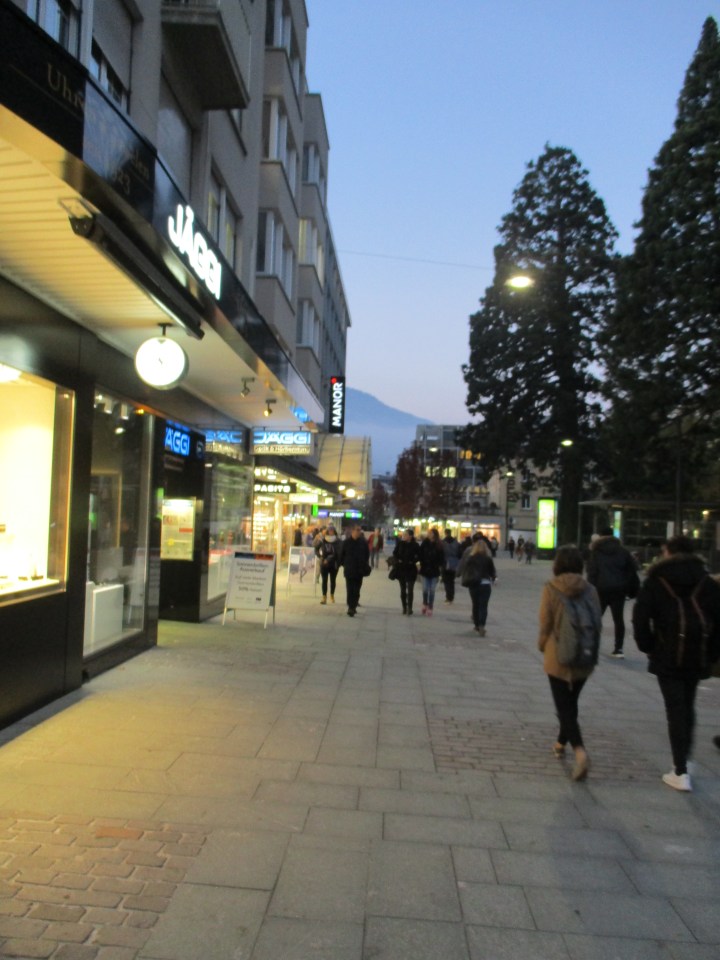
These last couple of photos I wanted to post because as a teenager the place to buy clothes for me was C  & A. In particular their Clock House range , which we no longer have in England, so I was very happy to visit the C & A store and experience the Clock House range once more.

img_0842

img_0843

Thanks for looking at this post.


img_1849


img_1670

Brigitte and I boarded the Train to Zurich. It was great fun to travel on a double decker train. We made our way to the buffet car to have our breakfast on route to the Zurich  Toy Fair.

img_1623

img_1627

A wonderful start to the day with a tasty breakfast, while we relaxed  on the way to the Zurich toy fair.

img_1628


We arrives at Zurich train station and then travelled by tram to the Zurich Toy Fair.

img_1663

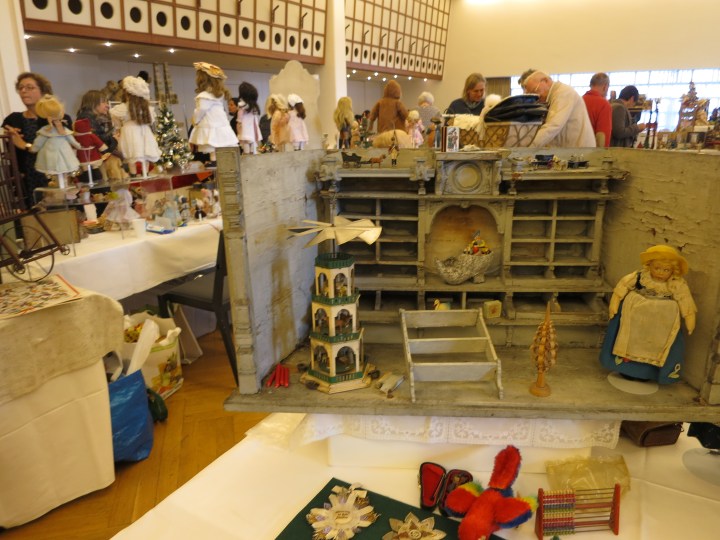
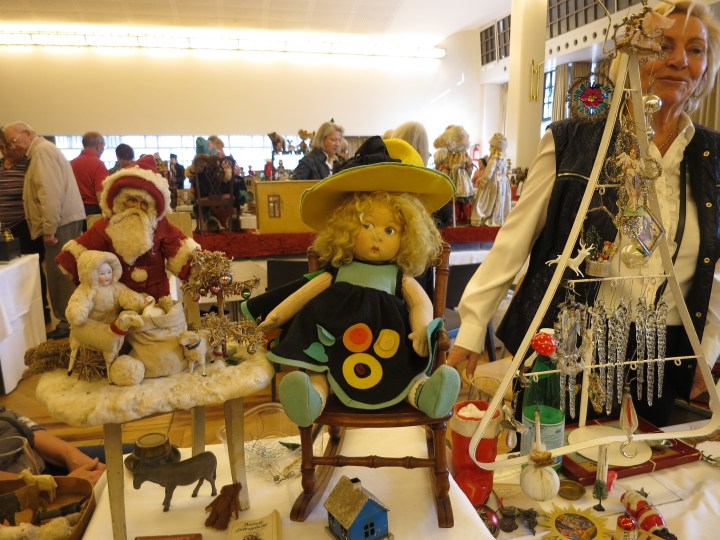
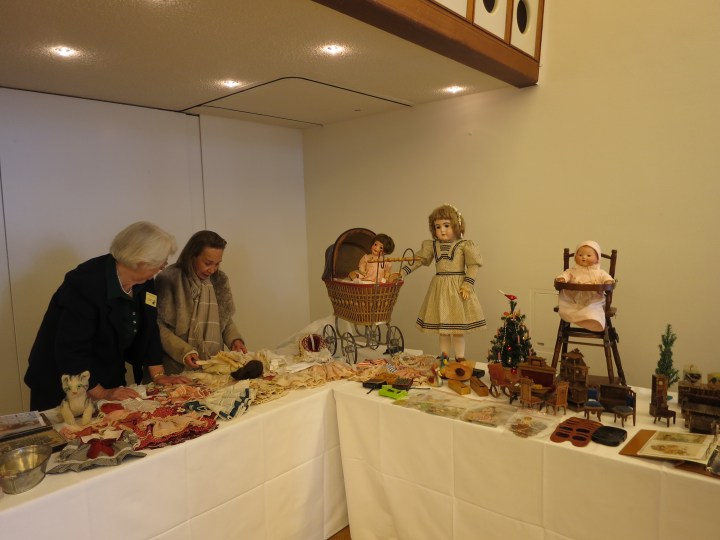
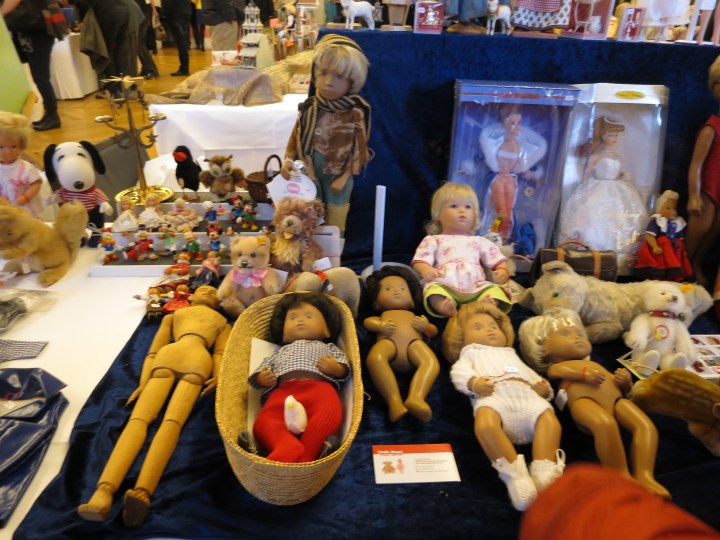
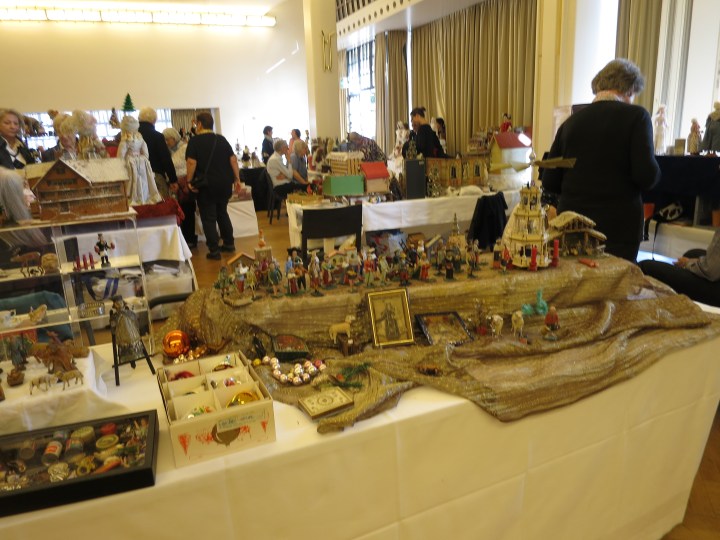
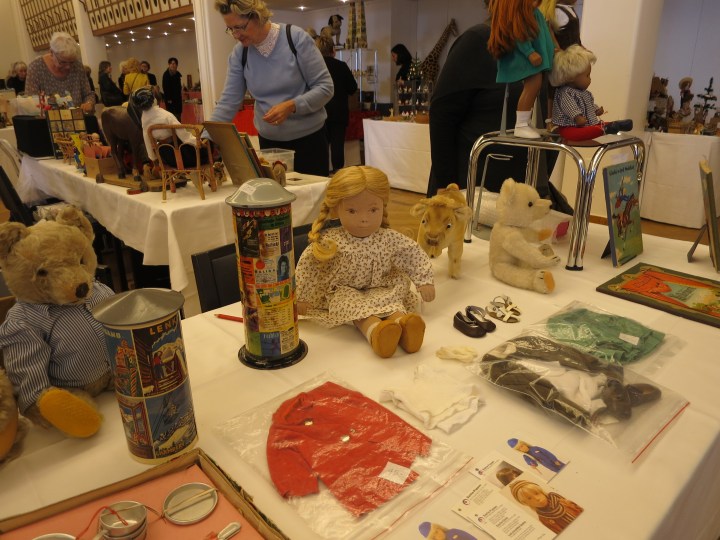
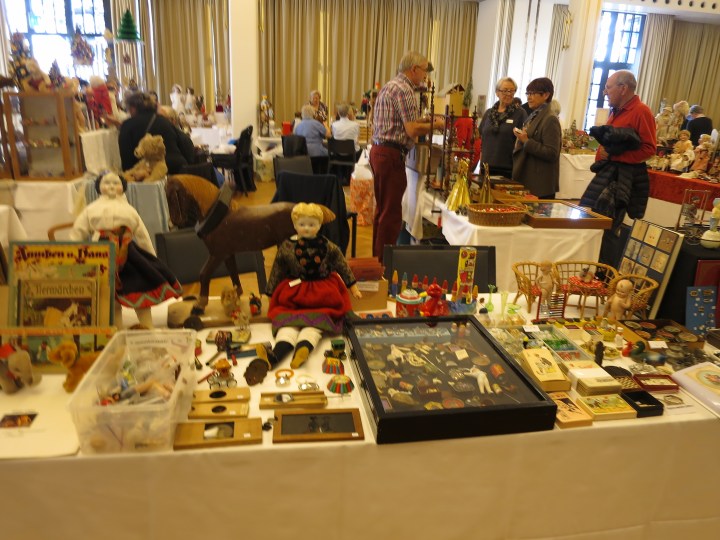
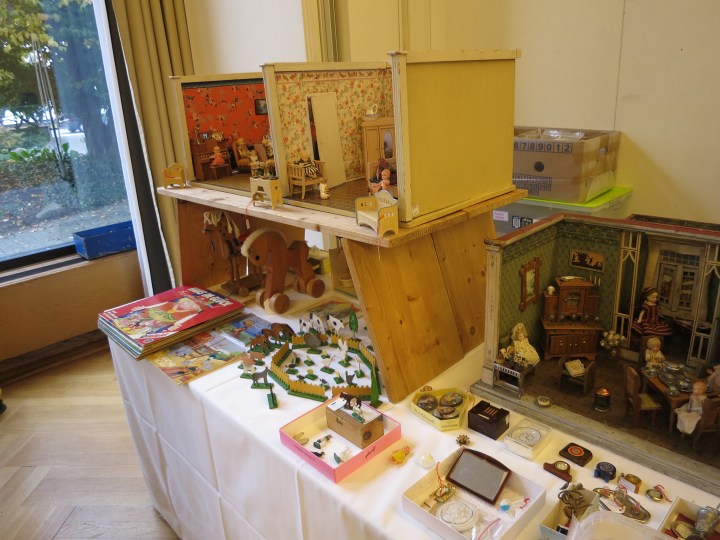
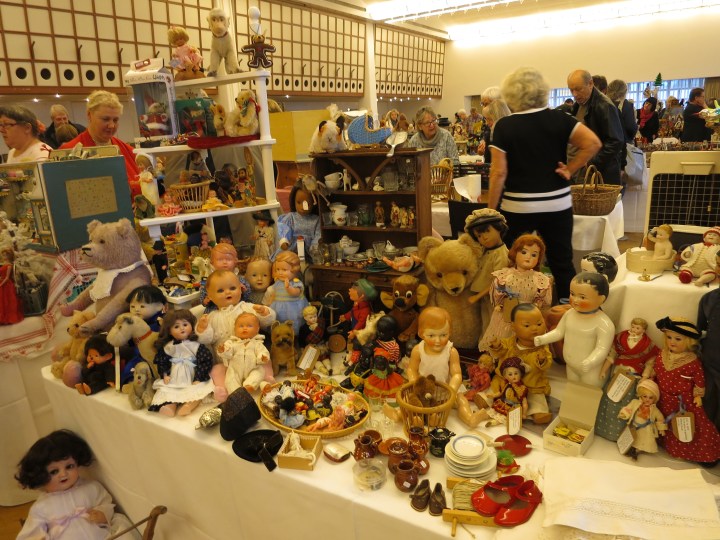
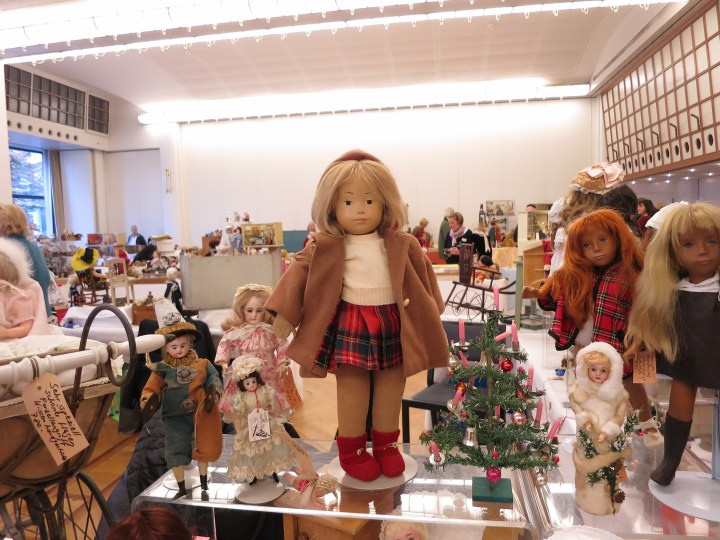
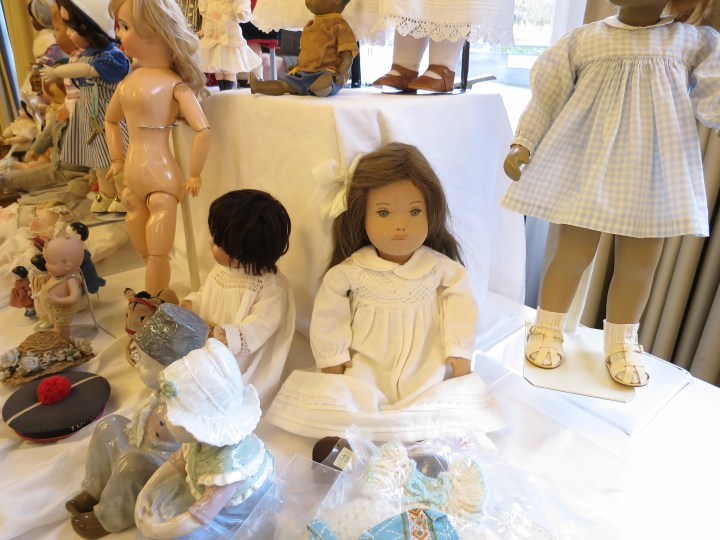
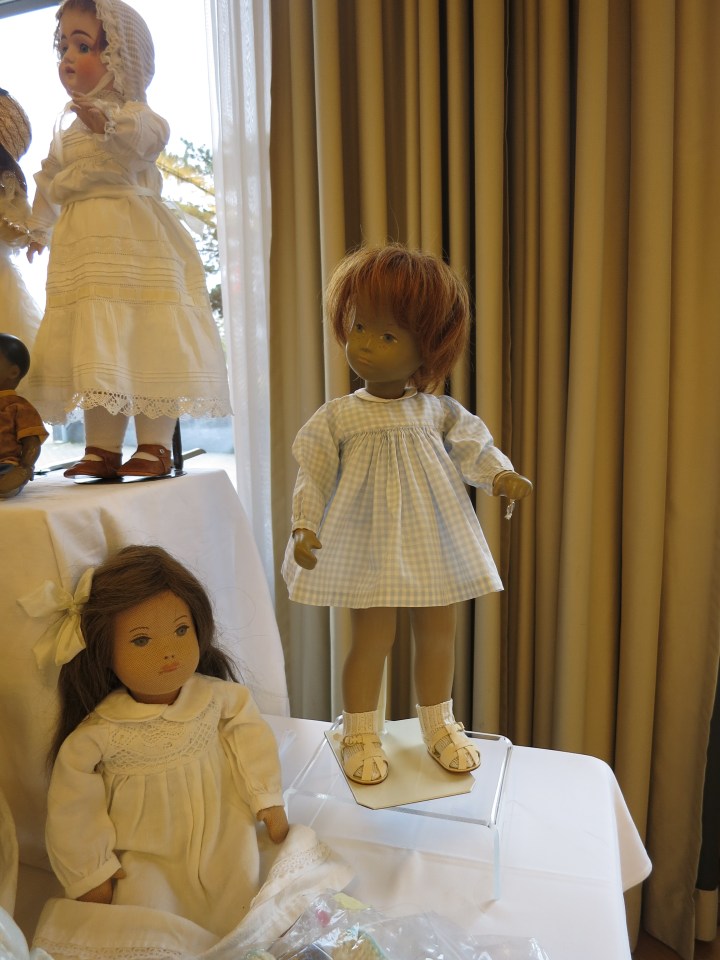
Once we arrived at the Toy Fair we waited patiently in a queue for the doors to open, into an Aladdin’s cave of toys. I am primarily a Sasha Doll lover so, I cannot tell what all the dolls are that were for sale so, I will let the photos do the talking.


img_1652

Some Sasha outfits for sale to the right of this photo.

img_1644

Above a course doll, 2 early Gotz sasha’s and a baby.

img_1651

img_1650

Above a beautiful Lenci doll

img_1648

img_1642

Above 2 more beautiful Gotz sasha’s

img_1649

img_1645

img_1633

Above a number of Sasha babies and a later Gotz boy.

img_1647

img_1643

img_1646

img_1636

img_1634

Above you can just see an early Gotz sasha.

img_1629

Above a gorgeous soft body studio doll in great condition.

img_1632

Another beautiful course doll

img_1631

Above this exquisite hard bodied studio doll really pulled at my heart strings, however the  little lady was bright green and I decided that as I will not have the funds for an abundance of Studio dolls, that my first one would not be green. The seller was asking £4000 for her and at the end of the day she had not sold.


After the Toy Fair had finished Brigitte and I met up with a few other doll lovers, for a cup of coffee and a chat,  which was great fun.

14907136_10211471843418351_1782135411445361963_n

Above from left to right me, Brigitte, Dora, Gertrude, Renee and Thu cuc, we also met up with Madeline Foong, Laura Knüsli and Michael O’Brien.

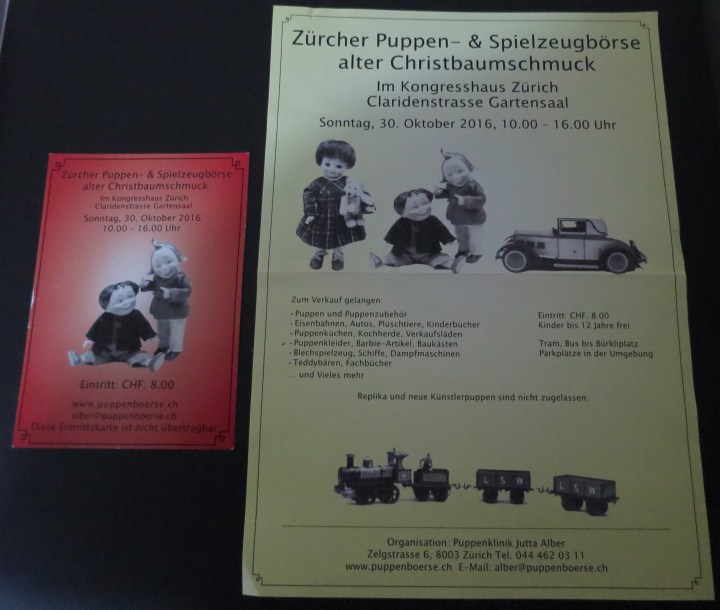
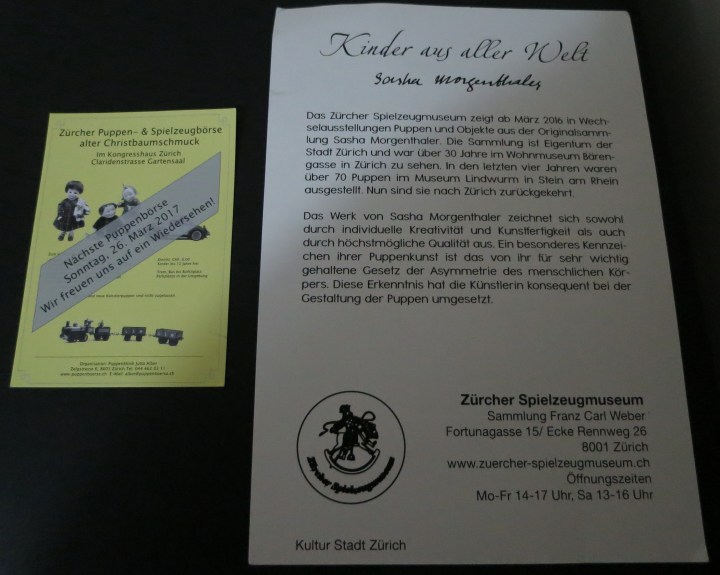
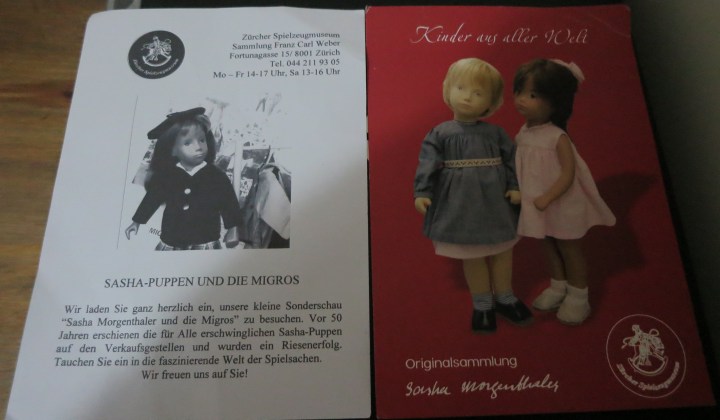
The pamphlets for next year were handed out.

img_1848

(Below is a rough translation  of the newsletter on the right)

The zurcher speilzeugmuseum shows from March 2016 in changing exhibitions dolls and objects from the original collection Sasha Morgenthaler. The collection is the property of the city of Zurich. In the last four years over 70 dolls were exhibited in the museum Lindwurm in Stein and Rhein. Now they have returned to Zurich. The work of Sasha Mogenthaler is characterized by individual creativity and craftsmanship as well as the highest possible quality. A special characteristic of her doll art is the law of the asymmetry of the human body, which she considers to be very important. The artist has consistently implemented this insight in the design of the dolls.

img_1847

(Below a rough translation of the newsletter on the left)

We invite you to visit our little special “Sasha Morgenthaler and Migros”. 50 years ago, the affordable Sasha dolls appeared on the sales stands and became a huge success. Immerse yourself in the fascinating world of toys. We look forward to  seeing you.

After  leaving the Toy Fair we walked through Zurich taking in some of scenery.

img_1655

img_1658

img_1656

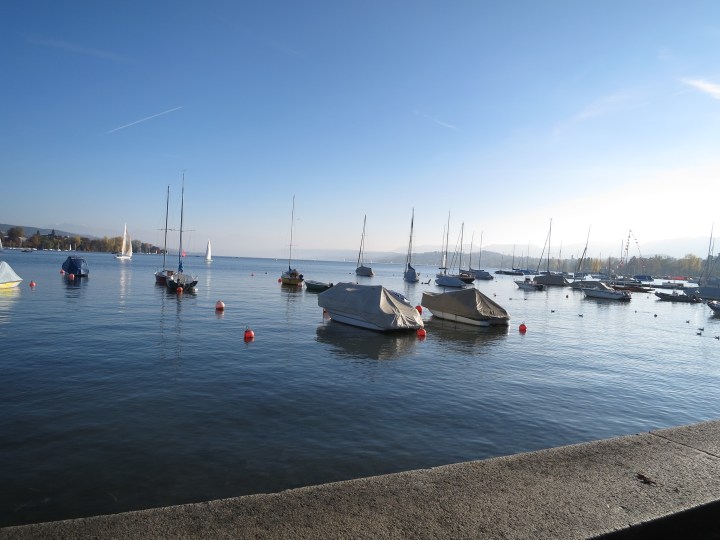
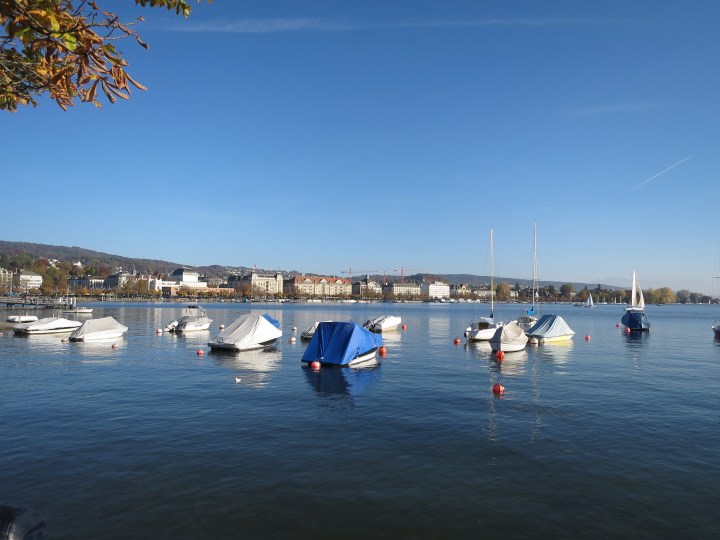
Above views of the Lake in Zurich

img_1661

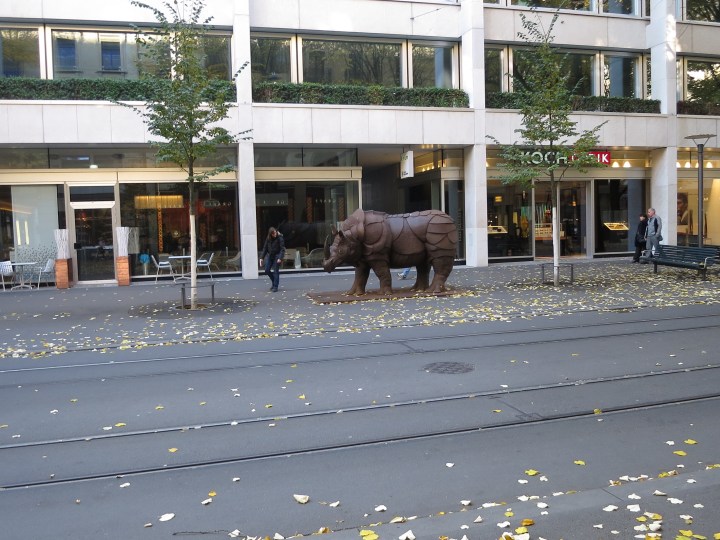
Above a street sculpture.

img_1660

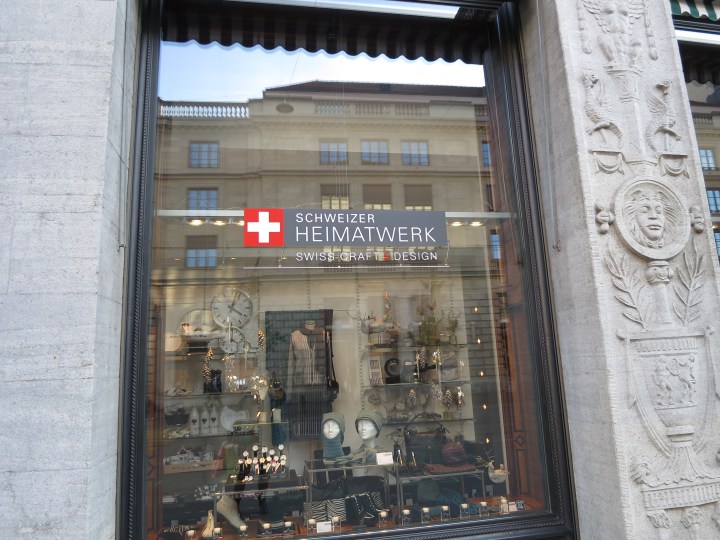
Above Heimatwerk the first place to sell Sasha Studio dolls

img_1666

img_1667

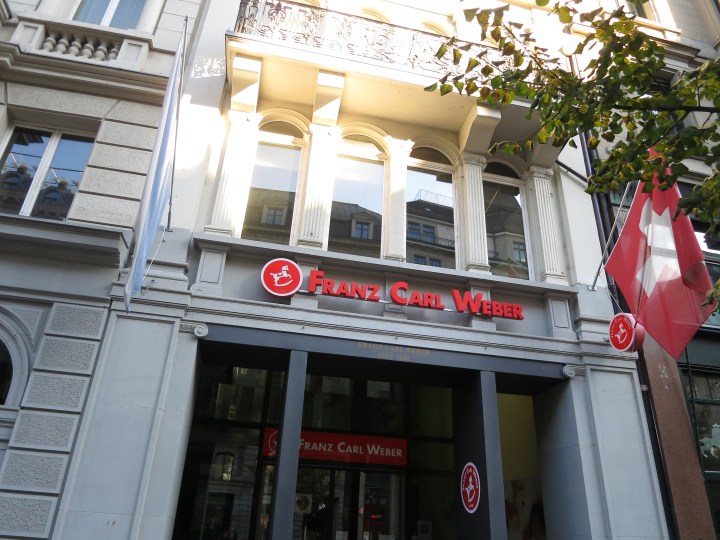
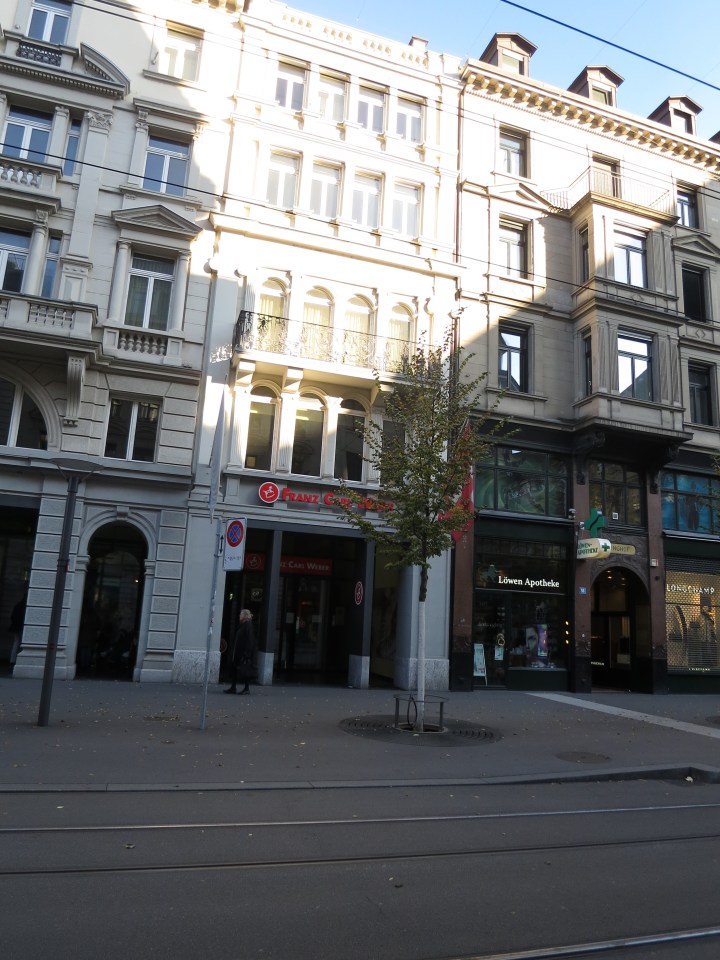
Above Franz carl Weber store where years ago Sasha  Gotz Serie dolls were sold.

img_1664

web_zurich_sightseeing_augustinerkirche_01_beat_sutter_8053_zurich

web_zurich_sightseeing_augustinerkirche_02

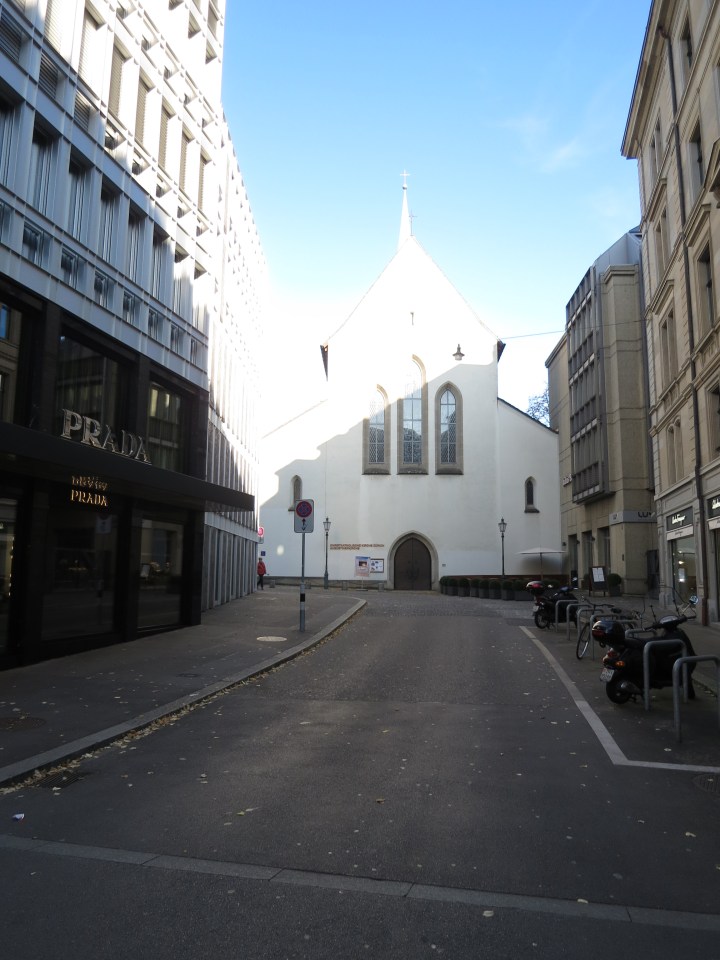
Above this church of the Hermits of St. Augustine was built in 1270 on Zurich’s western city walls. During the Reformation, the church was transformed into a coin workshop.  Zurich’s Catholic church reclaimed the building in 1841. When the community rejected the dogma of the First Vatican Council, it was excluded from the Catholic church and became known as a Christian Catholic community. The Augustinerkirche remained the local place of worship.

Renovation work undertaken in 1959 gave the church its current appearance. The simple choir area, crucifixion scene, block altar, baptismal font by Franz Fischer and stained glass by August Wanner are well worth a visit.

As the museum in Zurich was closed on Sunday I was unable to visit, so Brigitte and I made our way home to play with our purchases.

img_1785

img_1781

img_1783

I purchase this lovely early Gotz girl before I went to the toy fair. But I purchased her wonderful outfit from the toy fair, which is very well made and suits her very well.

img_1787

img_1788

img_1789

img_1793

img_1795

I purchased this lovely Unisex Gotz at the Toy fair. I was showing Michael O’Brien my purchases and he told me that the shirt this doll is wearing is very rare. in fact, he said that this is only the 2nd one he had ever seen. If anyone has Michael O’Brien’s book if you turn to the page with the red haired unisex doll in the school uniform you will see that it is wearing the same type of shirt. Normally this fabric was only used to make aprons from.

I also learnt something else that I would like to share with you. The term unisex that we use to describe these dolls may not be correct. Indeed the dolls have short hair so they can be either a girl or a boy. However, when  they were dressed originally they would have been dressed as a boy or a girl. Mine has fastenings  on the left so she would have been a girl.

img_1796

img_1797

img_1798

img_1799

img_1801

I just love this little lady which, I also purchased at the Toy fair. She is a saucer eyed early Gotz Sasha. She is unusual as she has a small head and most saucer eyed girls have big heads. she has long thick hair too.

img_1802

img_1804These 3 look ready for the winter.

img_1815

img_1811

I was also lucky enough to purchase a very minty Elke toddler complete with her original tube.

img_1809

img_1808

I also purchased this handsome young man who I have decided to call Peter.

I had a fantastic time at the Toy Fair and will be posting a story about my studio doll Inge soon.


On the 3rd day of my visit to Switzerland, Brigitte decided to take me hiking in the mountains. Now I do have a fear of heights, so I was not expecting to go too high.

We boarded the train and headed  from Domat/Ems to the area of Disentisl. Normally the train would take you quite high up into the mountains, but as there were engineering works being carried out on the track, there was a bus replacement service in place for the last part of the journey.


img_0712


Once on board the train I realised we had a stow away on board. Julius a sharp nosed early Gotz boy had joined for our mountain trip.

img_0764

p1040051-large

img_0726

img_0728


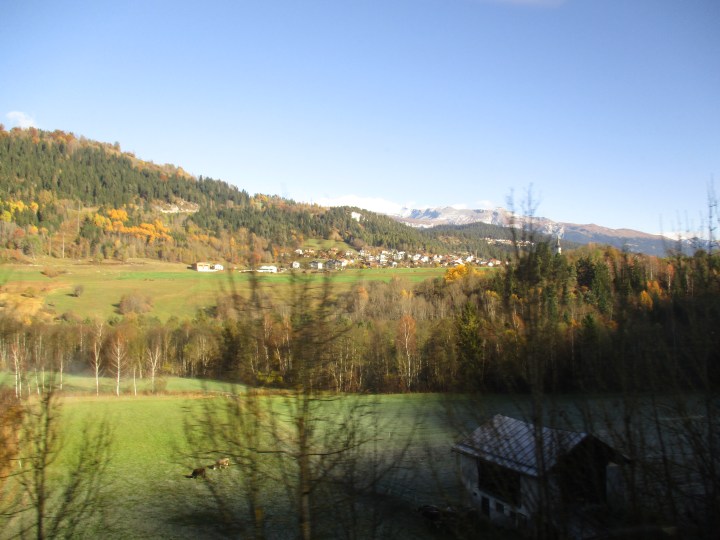
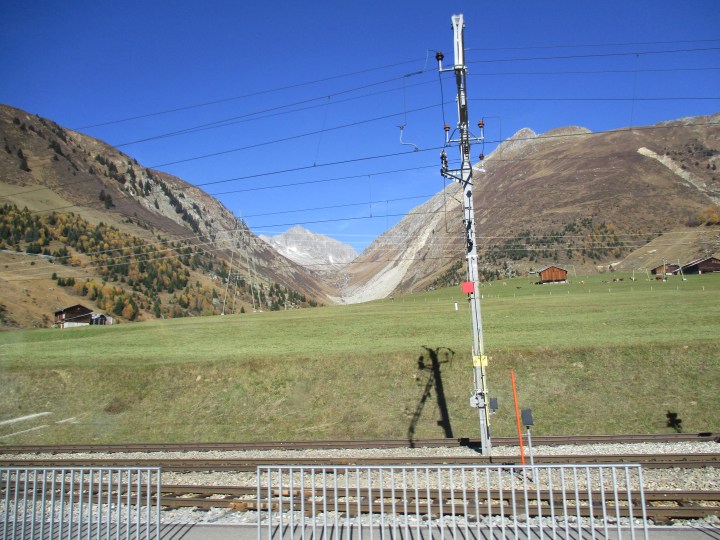
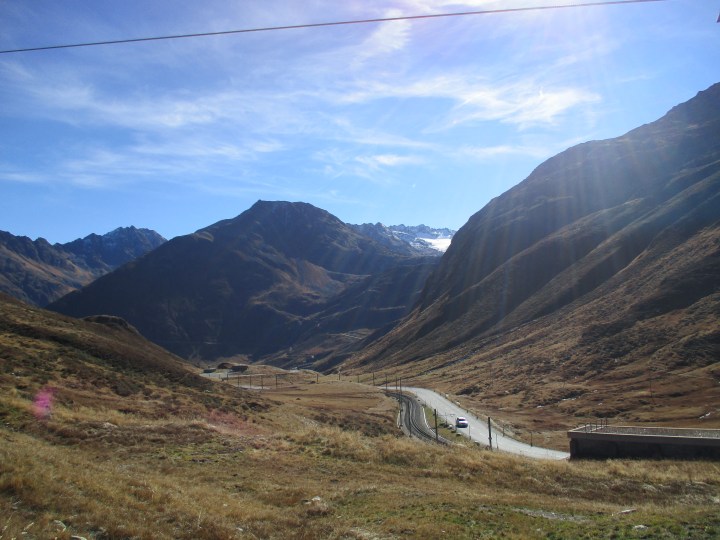
The views from the train as it wound its way up the mountain side were spectacular

img_0729

img_0734

img_0733

img_0740

The Autumn colours were beautiful and the weather was very sunny and mild for the time of year.

img_0737

img_0750

img_0744

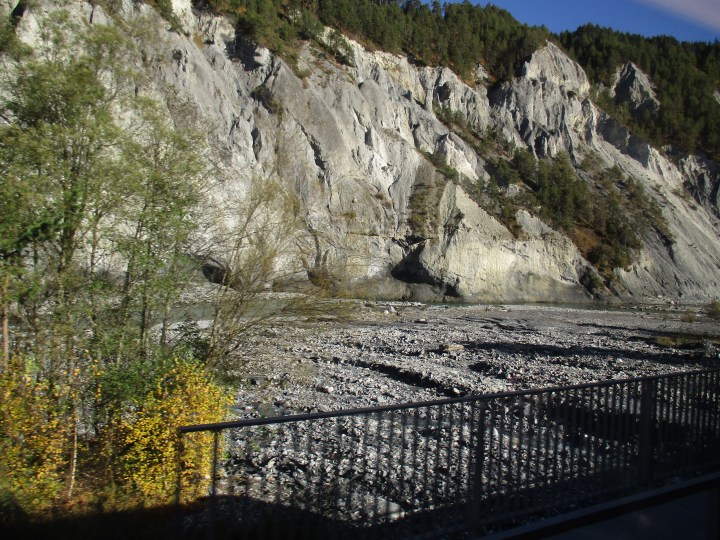
Switzerland has its own Grand Canyon.

img_0742

img_0753

img_0751

img_0769

img_0771

The next part of trip was by bus up to The Oberalppasse

img_0775

img_0776

img_0778

img_0784

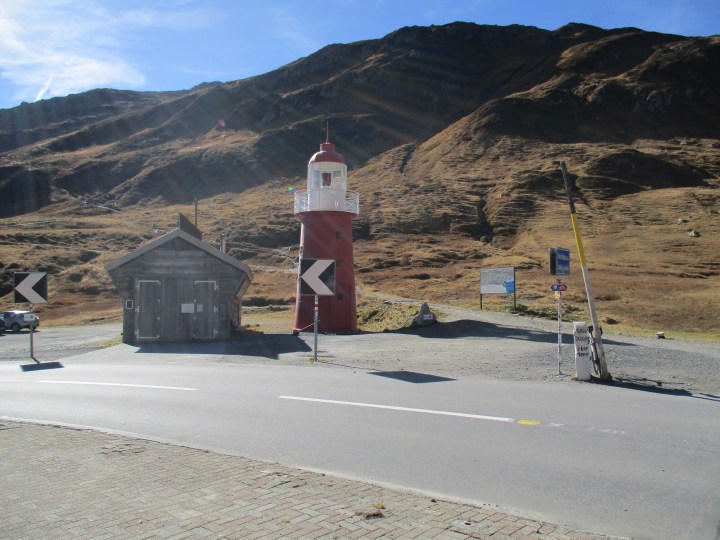
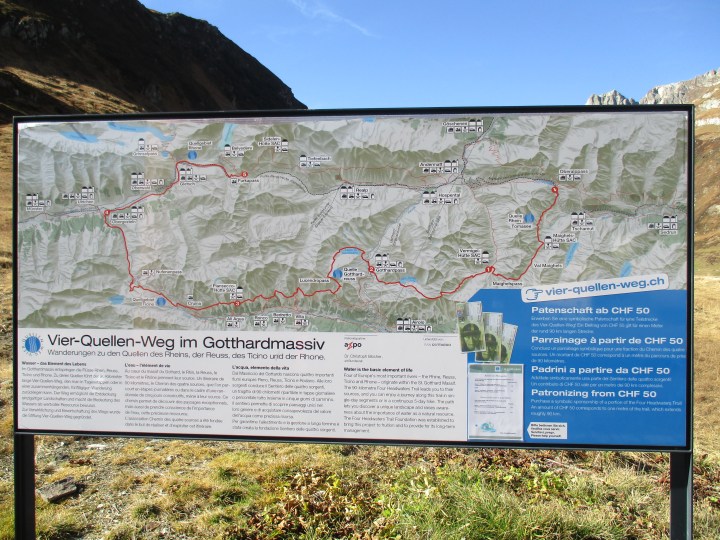
Just before we started our mountain hike i took a couple of photos of a little lighthouse and other  informative signage.
img_0783

img_0785

img_0786

img_0788

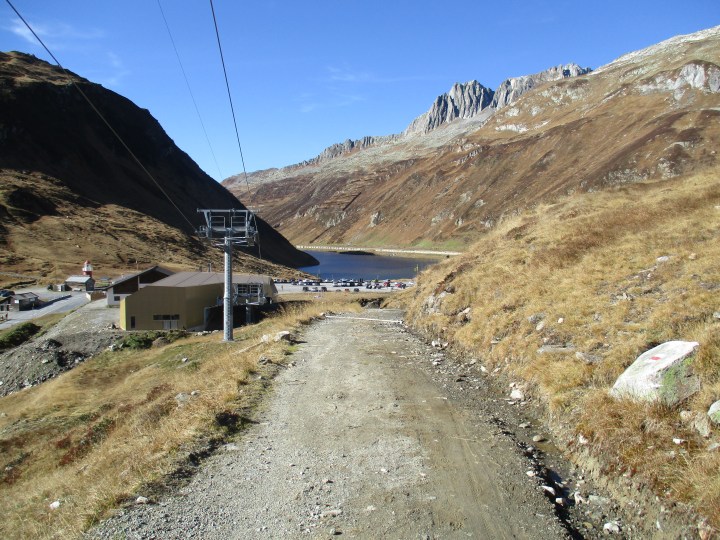
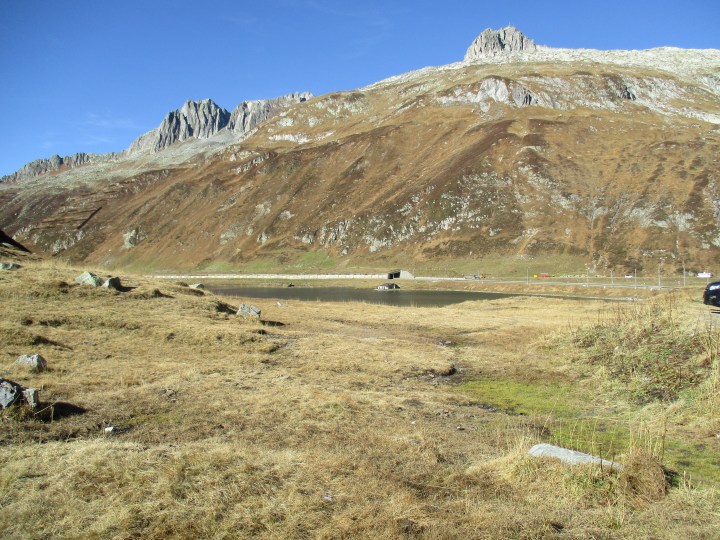
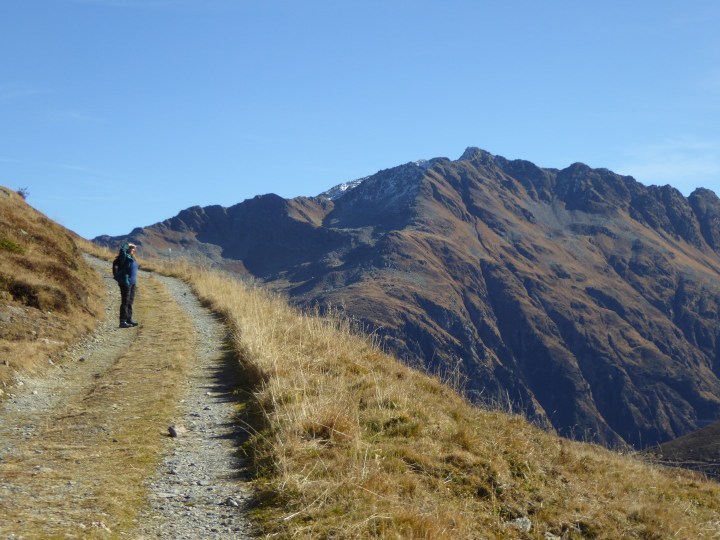
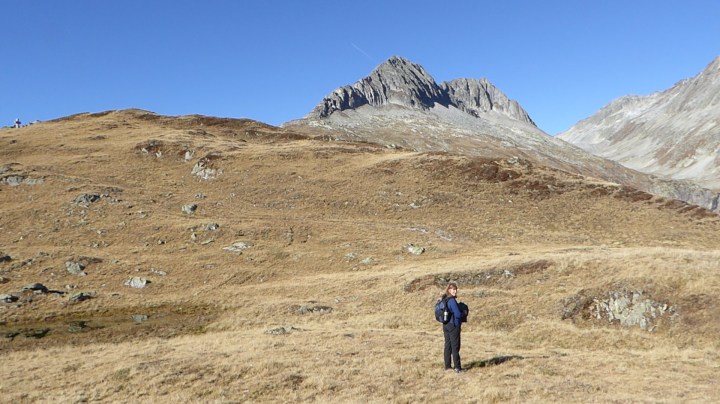
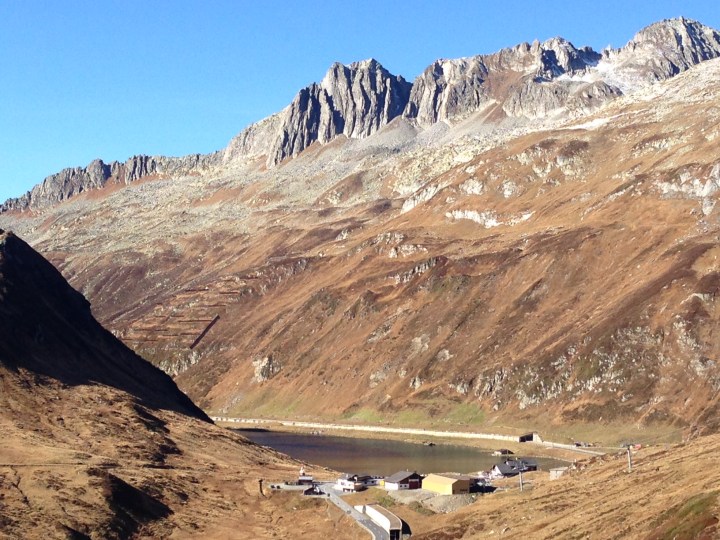
Brigitte and I commenced our walk. The plan had been to walk down the mountain to the train station. However, we took a wrong turn and ended up going up the mountain instead. The views were fantastic.

img_0781

img_0792

img_0789

I could see snow on top of an opposite mountain.

img_0790

Julius was having fun and taking in the views too.

p1040030-large

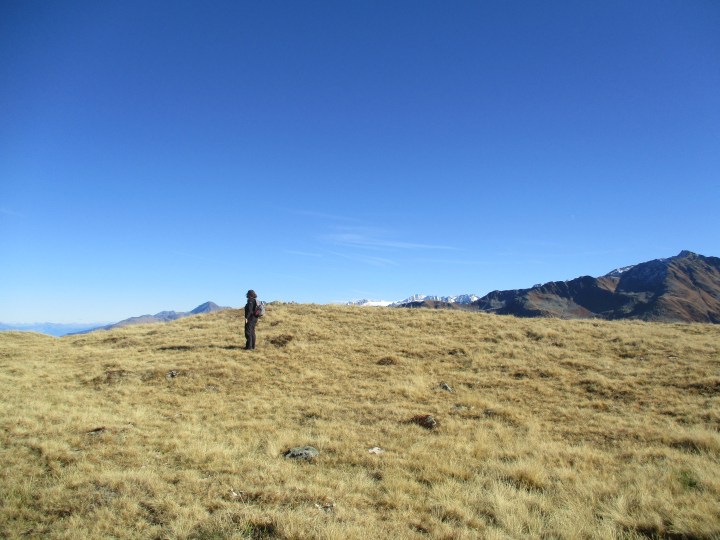
As we made our way up the mountain the views became even more spectacular. As the path we were walking on was solid on one side I hadn’t really noticed how far up we were.
img_0797

img_0796

img_0822

img_6399

img_6402

img_0793

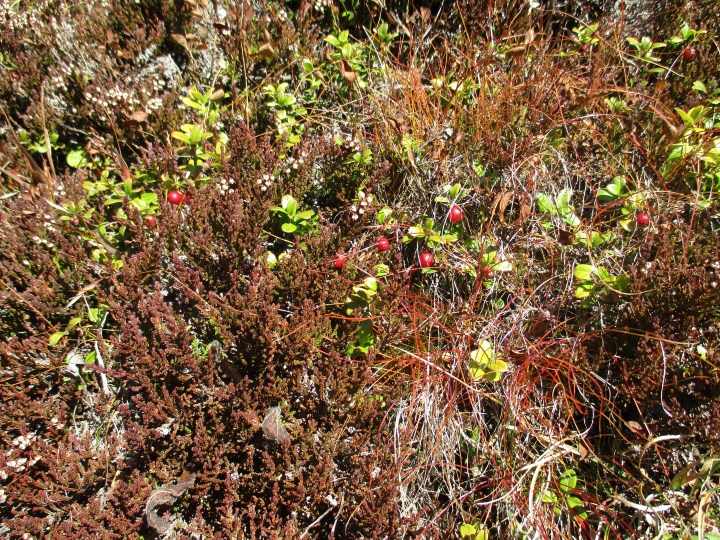
Along the way we spotted some red berries growing on the side of the mountain. Brigitte told me that they were used to make jam and were very tasty. So we had a little feast of tasty berries.

img_0798

p1040012-large

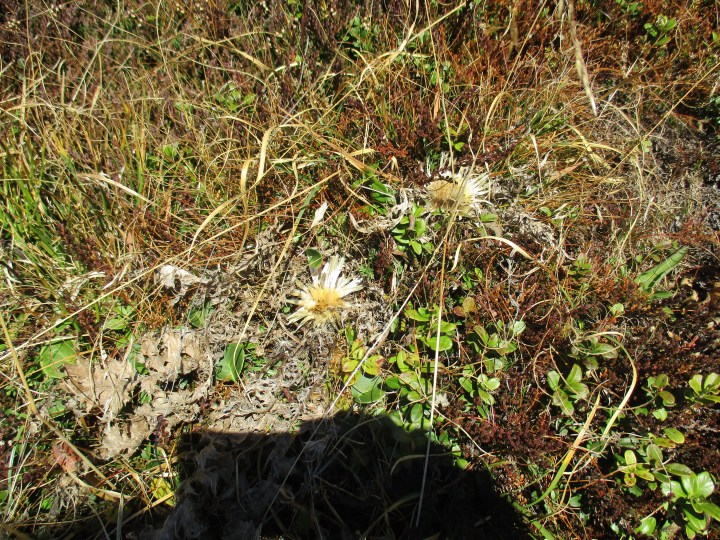
We also spotted  a wild star flower, which would have been a beautiful yellow when it bloomed.

p1040014-large

img_0809

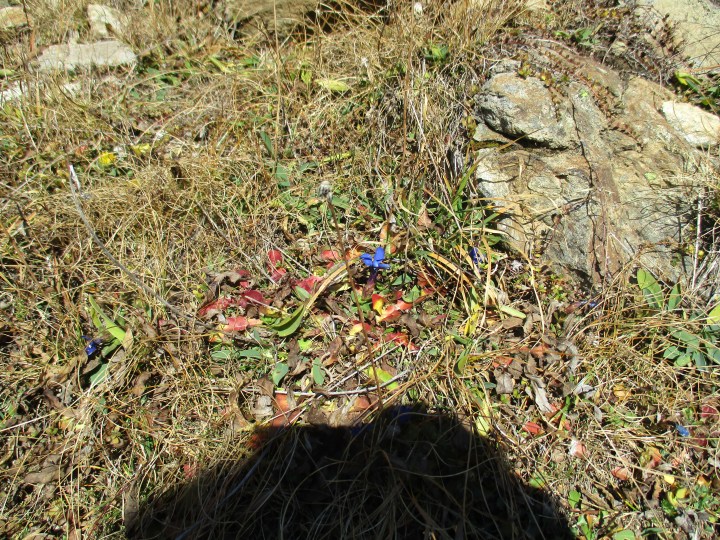
And also a little blue mountain flower

img_0810

more spectacular views

img_0824

img_0813

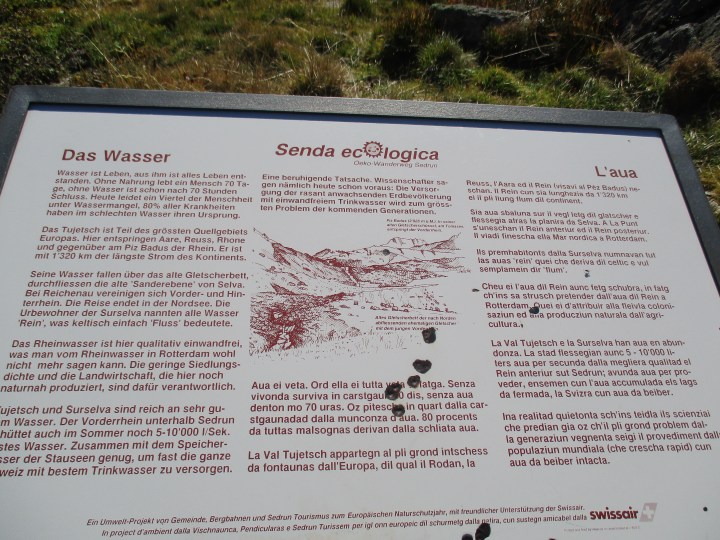
We came across an information point

img_0805

Julius insisted on having his photo taken

img_0807

We continued up the mountain.

img_0800

p1040013-large

It was around about this time that the mountain path changed to a goat track and as we approached the summit, my fear of heights kicked in. I had a bad panic attack. I literally sunk to the ground and told Brigitte that I did not think I could go any further, but with her encouragement I carried on. I did try to run up the mountain, but as the air was thin, this turned out to be a very bad idea. so shouting out “oh my God” all the way to the top  and Brigitte saying “Do not worry he is with you”we carried on.

img_6400

p1040020-large

p1040040-large

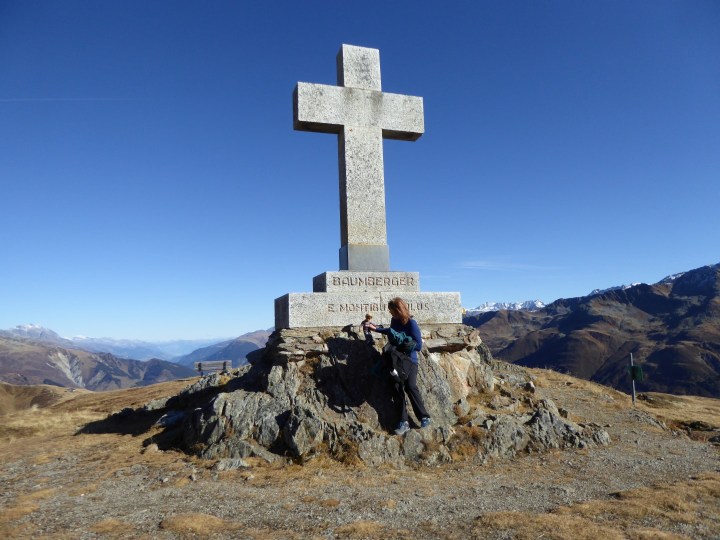
When we reached the top I was ecstatic

p1040029-largeI hugged the cross at the top of the mountain.

img_0825

p1040023-largeJulius reached the top safely too.

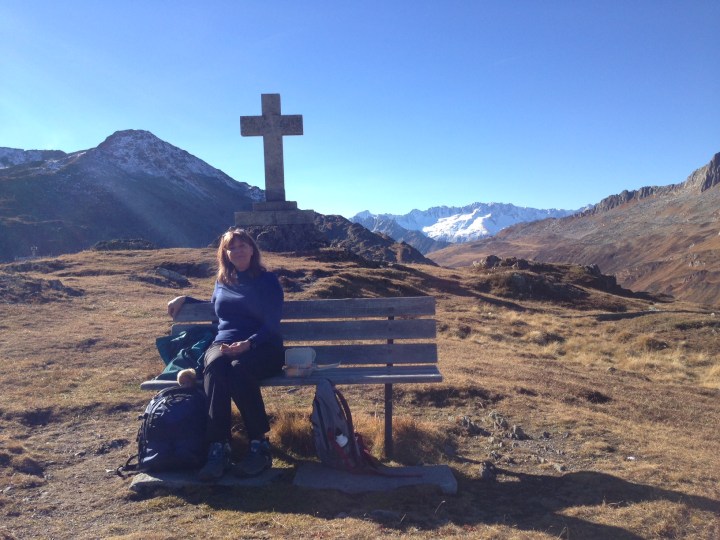
Brigitte had prepared a lunch for us and what better place to eat it than sitting on top of a mountain.

img_6404

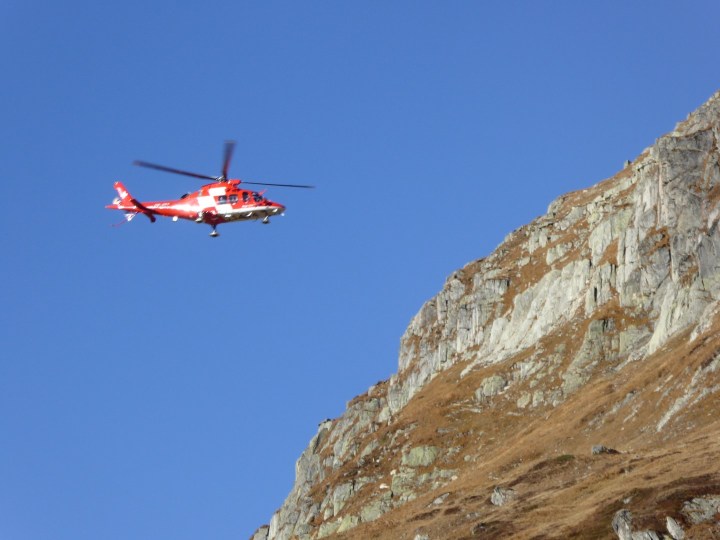
Whilst we were eating lunch the mountain rescue helicopter came past. At first I thought, blimey, I hope I wasn’t shouting that loudly, that someone had called for help. As it turned out it was rescuing someone on an opposite mountain.

p1040042-large

After eating our lunch we made our way down the mountain, again taking in the scenery as we went.

p1040043-large

p1040045-large

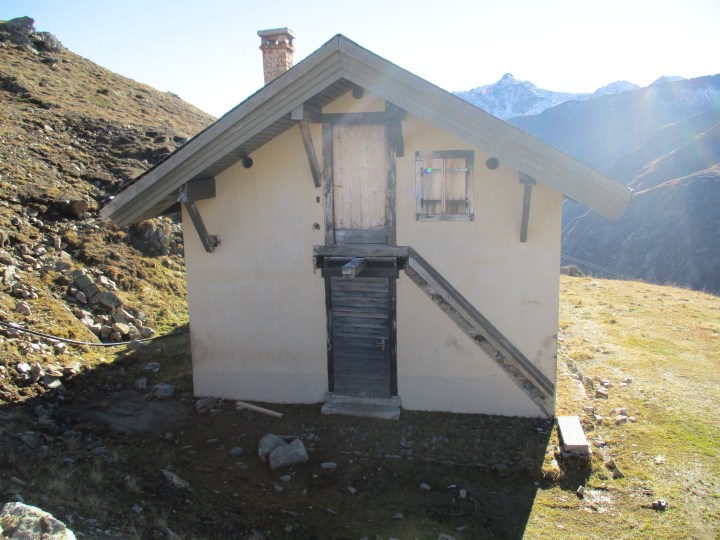
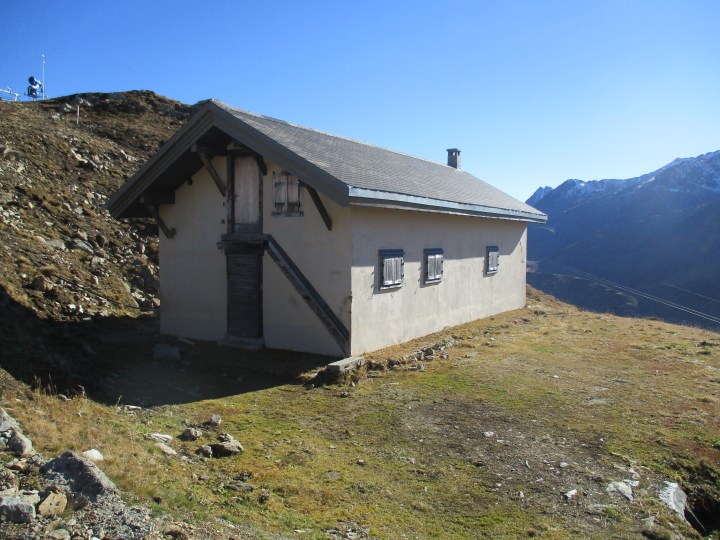
The building below is used for storage

img_0826

img_0829

img_0820

On the way down the mountain a man passed us on a buggy with his 2 children. They were checking a blue machine that I had not seen before. Brigitte told me that the blue machines, were in fact snow blowers. Their function is to create snow to get the skiing season started if there has not been a snow fall. Amazing !!
p1040039-large

p1040035-large

img_0830

p1040047-large

Safely back down the mountain we waited for the bus and then the train to take us home.
img_0777

img_0711

img_0763

Tomorrow is another day.

.


As you may or may not know. I travelled on my birthday. After I arrived a Brigitte’s home, I had a lovely meal followed by a surprise birthday cake and a glass of bubbly. It was wonderful.
p1040005-large

p1040007-large

This must have been a special candle a it would appear all my wishes came true.
On waking the next morning the view from my window was spectacular. I could see a beautiful little church and had heard the bells chiming.

Brigitte took me to visit the church, which was called The Church Of John The Baptist.

We walked through the village on the way to the church.

img_0656

img_0644

Some of the houses were older than others with arch ways where the horse and carriage would pass through before cars were available.  Brigitte explained to me that the Swiss houses in the village, did not have front gardens like those in England. The garages and gardens were at the back of the houses.

img_0642

img_0643

img_0648

img_0645

I love the metal chicken in the garden above.

img_0648

We passed by a shop window with a very unusual  coat hook stand for sale

img_0646

Some of the houses were very big and Brigitte explained that if a house had 3 floors then 1 family would occupy 1 floor, so if the house had 3 floors, then 3 families would live there.

img_0651

We passed under an archway with cobbled floor and proceeded up the hill towards the church. the weather was beautiful and sunny.

img_0647


img_0657

img_0658

Taking in the view on the way.

img_0659

A wonderful wooden carved owl

img_0663

img_0662

You can see the bigger church down below that was built when the population of the village grew.

img_0665

img_0664

Beautiful biblical scenes adorn the wall on the way up to the church.

img_0667

img_0666

img_0668

When we reached the top the view was spectacular.

img_0692

img_0691

img_0690

img_0693

img_0697

The parish church of S. Gion Baptista/St John the Baptist was built on the Tuma Turera tower. This large guard tower was integrated into the church from the initial construction. In the early 16th Century it was rebuilt in a late gothic style  and the extensive wood carvings of the  altars were added at that time.

img_0695

img_0696

img_0673

In the grounds of the church there is a Beinhaus which means bone house in English. I have never seen one of these before and it is where bones of old buriels are kept. after a number of years in Switzerland the bones are removed from the graves and moved to the Beinhaus.

800px-domat_sogn_gion_beinhaus

As you can see it is beautifully decorated.

img_0677

img_0679

Also in the Beinhaus there is a statue of Jesus depicting the time after he was taken down from the cross and before the resurrection .

800px-domat_sogn_gion_beinhaus_figur3

In another part of the grounds there is a tiny little chapel I believe is for baptism. Once again this was ornately decorated.

img_0687

img_0688

img_0689

After  taking all the delights of the church in, we descended down the hill.

img_0698

Passing more beautiful homes, some of which were decorated according to the region the owner had lived in.

img_0700

I noticed that some of the houses had a little window at the top, which I presumed was an attic window. Brigitte informed me that in the older houses these little windows were known as soul windows. If someone were to die in the house the window would be opened enabling the soul to ascend to heaven.

img_0701

img_0702

img_0705

img_0707

Once we had made our way back fro the Church, we headed off to the train station for some retail therapy in Chur.
img_0709

Whilst we waited for the train to arrive I spotted another couple of interesting houses.
img_0708

img_0717

The train arrived and off we went.

img_0711

In Chur I spotted this unusual piece of art on a roundabout.

img_0715

I love goats but this is a Stein bock and no ordinary goat.

800px-steinbock_ibex_1

The Alpine ibex (Capra ibex), also known as the steinbock is a species of wild goat that lives in the mountains of the European Alps It is a  species with larger males who carry larger, curved horns. The coat colour is typically brownish grey. Alpine ibex tend to live in steep, rough terrain above the snow line They are also social, although adult males and females segregate for most of the year, coming together only to mate. Four distinct groups exist; adult male groups, female-offspring groups, groups of young individuals, and mixed sex groups.

img_0718

The water above gushes out of a disused mill.

At the end of our day out we headed home to relax and prepare for the next days adventures.