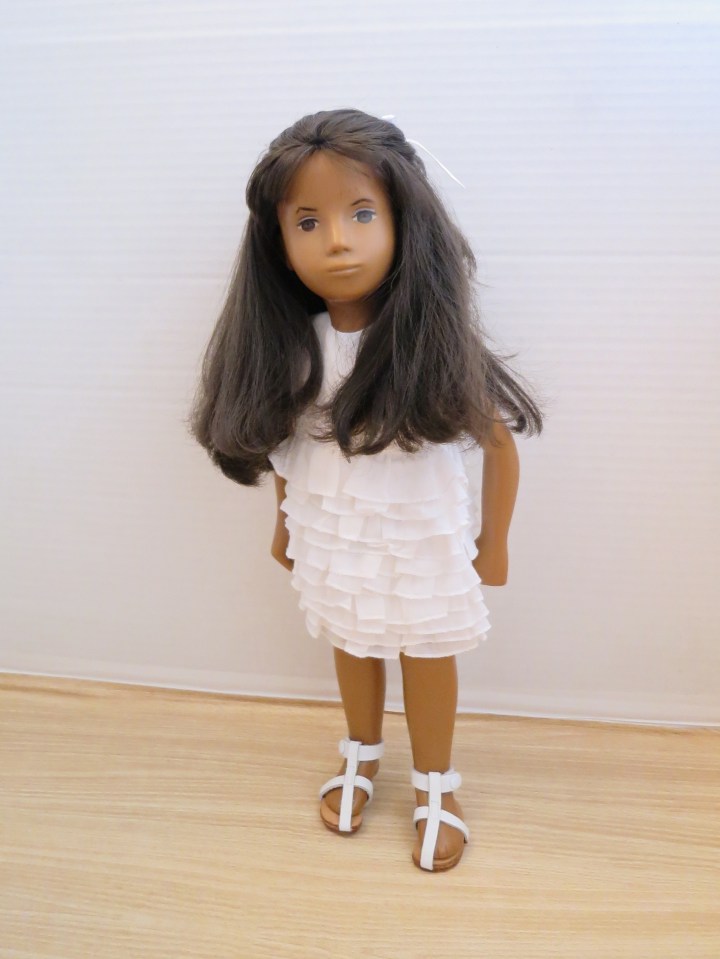
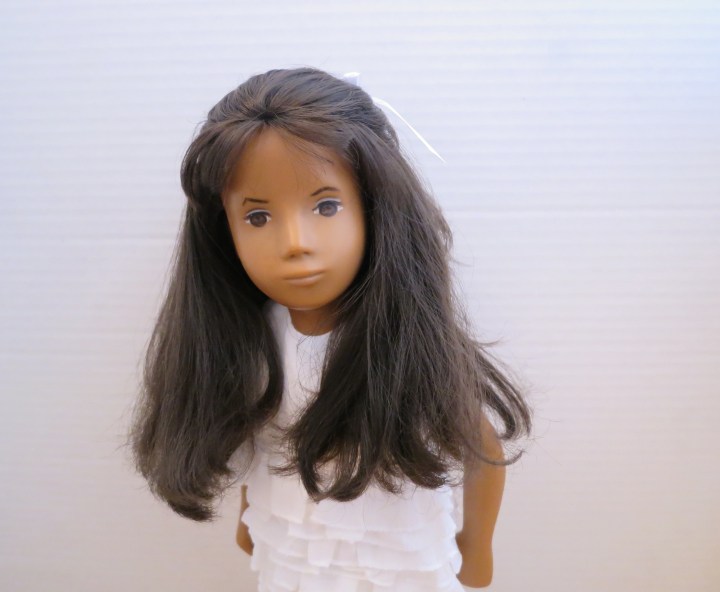
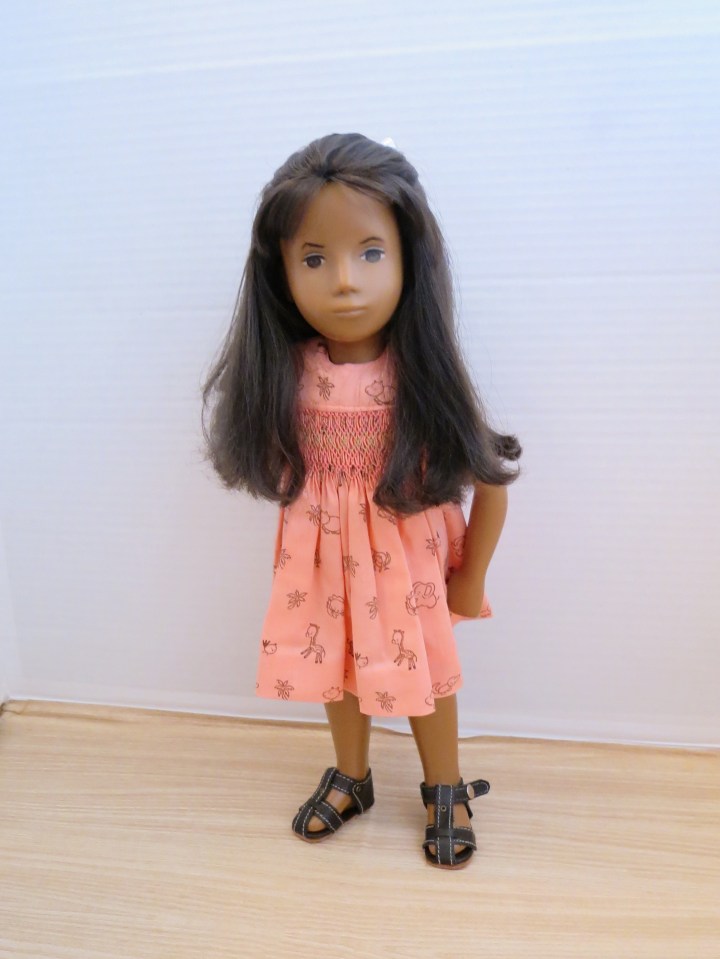
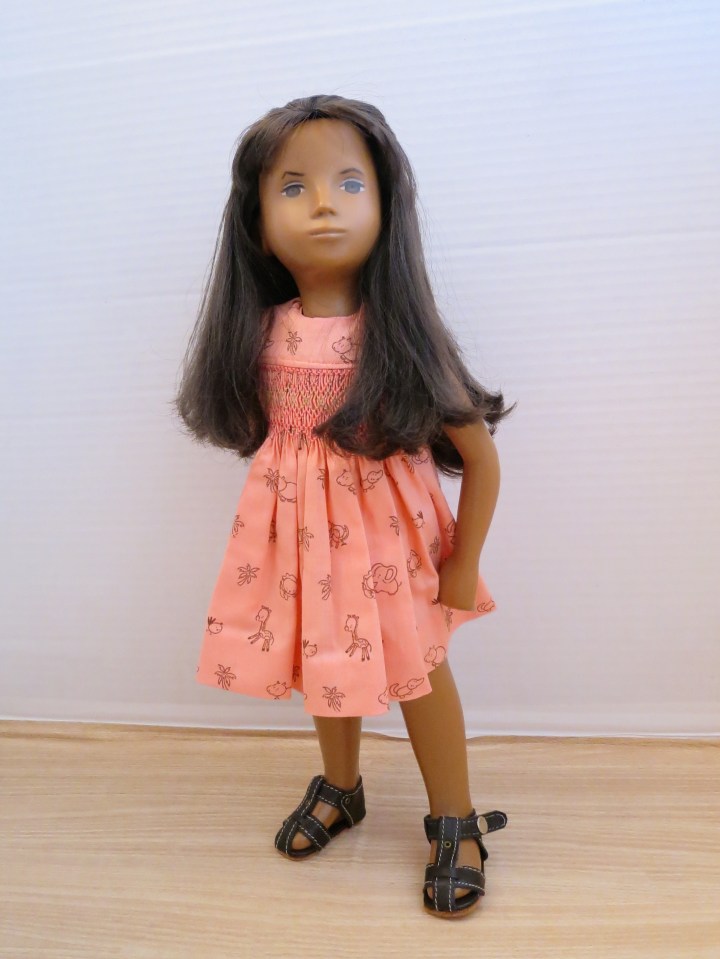
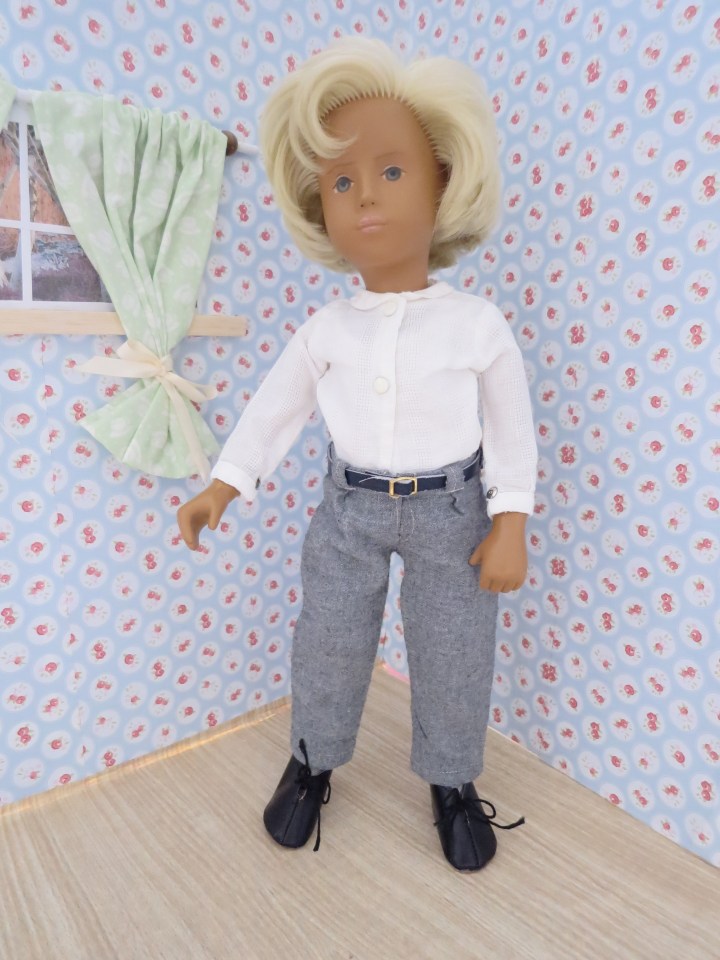
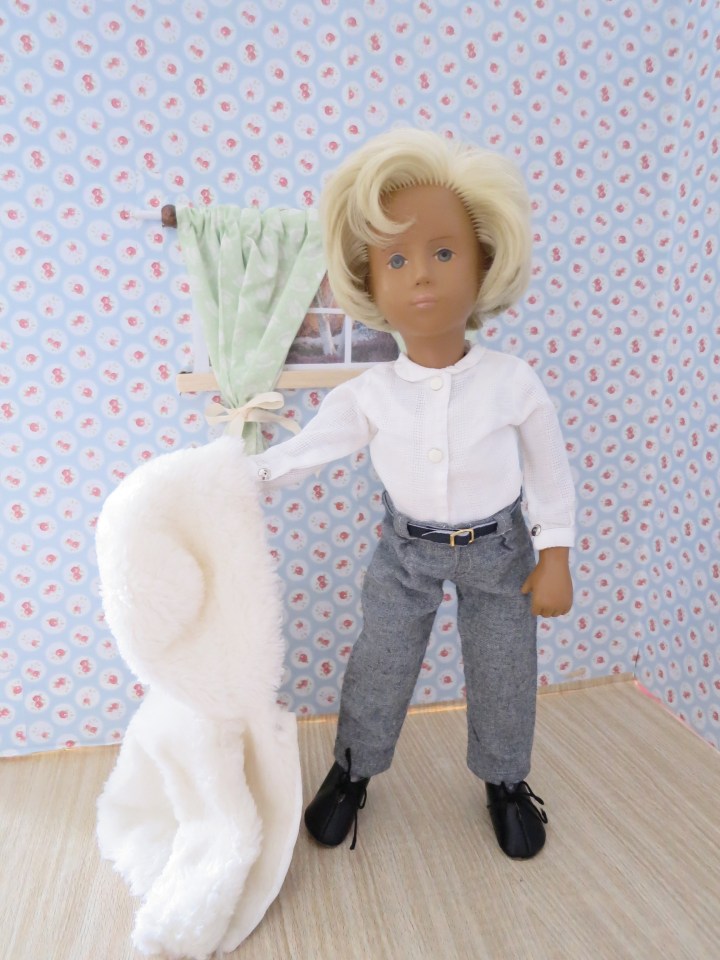
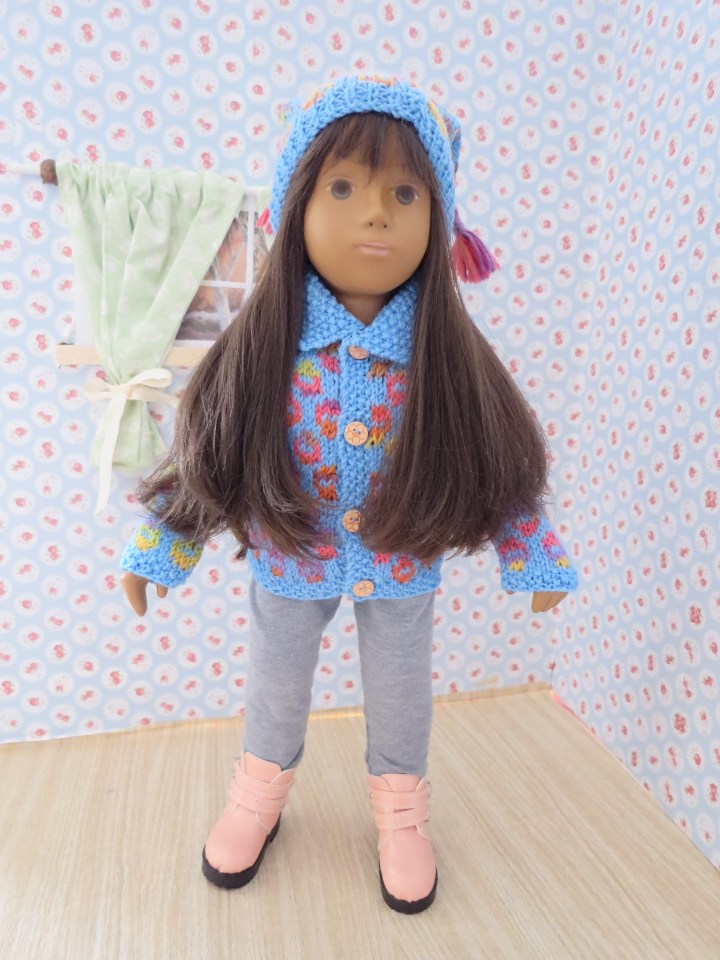
Hi my name is Twizel and i manage The sasha Emporium. I keep all the Sasha dolls in line and manage their shop. The Sasha Emporium sometimes has things for sale relating to Sasha dolls. Information, stories and tips,but mostly we like to have fun. (This site will take over from Twizels sasha Emporium, from December 2015) Enjoy!!


marylebow

(Above is a photo of Mary Le Bow Church)

Everyone that knows me is aware of my Irish lineage, so for the Dress a Doll competition at this years Sasha Celebration weekend I thought it would be nice to represent my Mothers side of the family . My maternal Grand father was a cockney blacksmith born within the sound of Bow Bells in the late 18th century.

I remember when as a child, he would say. I am going up the apple and pears to rest my plates of meat on Uncle Fred. Which is cockney rhyming slang for : I am going upstairs to rest my feet on the bed.

This is the history of cockneys, costermongers and Pearly Kings and Queens.


Are you aware of the origin of the word Cockney?  Apparently during the 1700s, country folk would tell a story about people they called Cockaignes.  It seemed that the Cockaignes believed that the streets of London were paved with gold and that the houses were made of cake!  As a result, anyone that moved from country to live in London began to be called Cockaignes.  The name became corrupted into Cockneys.  It was either Fuller or Miller, also during the 1700s, who wrote that the definition of a Cockney was related to Bow Bells (the bells of St. Mary-le-Bow).  A Cockney was anyone born within the furthest point where the sound of the bells could be heard plus the length of the Lord Mayor’s mace!


Pearly Kings & Queens originated in the 19th century from the ‘Coster Kings & Queens’, who originated in the 18th century, who originated from the ‘Costermongers’, who originated from London’s ‘Street Traders’, who have been around for over a 1000 years… with that out of the way let’s get down to the nitty gritty!


Street traders, or ‘Costermongers’ as they became known, have been an important feature of London life since the 11th century – and for the best part of 900 of those years they were unlicensed and itinerant – at times hounded by the authorities & bureaucracy. They cried their wares to attract customers with vigour and panache – much to the annoyance of London’s ‘well-to-do’ society – yet they provided an essential service to London’s poor; mainly selling their wares in small quantities around the streets & alleyways – at first from baskets, then progressing to barrows – then permanent static pitches from stalls – until they finally evolved into today’s familiar and popular Markets. Oh yes, we owe a great deal to our ancestral costermongers – but like so many things we take for granted today, their fight was long and hard.

Albert-Chevalier

(above: a costermonger carrying his wares and notice the buttons sewn on his clothes to attract customers attention)


Because of London’s unique geographical position it grew and thrived as a trading centre – the City grew up not just around its financial market, but around its famous markets that provided the necessities of life – markets such as Billingsgate (where the fish were landed), Smithfield (for cattle & livestock) and Covent Garden and Spitalfields (for fruit, veg & flowers).


Victorian_Costermongers_Barrow_as284a217b

(Above: a costermongers barrow)


Although each Coster family traded independently, they remained loyal to other costers – collecting for those that fell on particularly hard times. Their philosophy of life was one of fate – some you win, some you lose – when things went bad you just had to pick yourself up and start all over again. They liked a gamble – be it on boxing matches, pigeon racing, dog fighting and even rat-killing matches! Most of all, of course, they liked to indulge in a tipple or two. Not because they enjoyed a good old booze-up and sing-song, you understand – ‘no guv’, more to do with being suspicious of water, what with cholera & typhoid and all that! Besides, the Ale Houses, Gin Palaces & the Penny Gaff Music Halls were warm & welcoming compared to their squalid lodgings. By now most of London’s poorer working classes were hoarded together outside the thriving City – dockers, sailors, immigrants & factory girls – all living in slum conditions with little or no sanitation.

As London grew beyond the boundaries of the walled City – costermongers in each Borough elected a ‘Coster King’ – they were chosen to fight for their rights – the first form of trade union, if you like. Coster Kings needed to be a hardy breed with leadership qualities, strong personalities, physical strength and also be loyal and quick-witted. And it wasn’t just the men – the female Billingsgate fishmongers were regarded as fearsome characters! Coster Kings and Queens brought up their ‘Royal’ children to follow in the tradition and inherit their titles.


Costers admired style & panache. They had evolved a showmanship and cheeky banter that boosted their custom. They also developed their own secret language – Coster back-slang – which pre-dated Cockney rhyming slang. They used this language to good effect, confusing their punters and the police when they wanted! With typical coster cheek they imitated the wealthy West End society who by early 19th Century had developed a fashion for wearing pearls – only the costers took it one step further by sewing lines of pearl ‘flashies’ on their battered hand-me-down waistcoats, caps and working trousers!


The transformation to the complete Pearly Costume as we know it today finally came in the 1880s when a road sweeper and rat-catcher by the name of Henry Croft completely smothered a worn out dress suit & top hat with smoked pearl buttons – incorporating patterns, symbols and slogans – one of which was ‘All For Charity’. Henry was a life long friend of the costers and he was particularly influenced by their outlook on life – which was all about helping one another and those less well off, even if you had little yourself. He joined the costers on their hospital fund raising Parades and Carnivals.

VSImage_20

(above a photo of Henry Croft)


Because Henry Croft was an orphan he had no one to help him with his suit so he had to learn how to sew. Since then, it is tradition that each pearly is responsible for the sewing of their own suit.

Pearly Kings
London’s East End in the 60’s Pearly Kings and Queens

Each suit will have a own unique pattern and if a pearly gives you a twirl you’ll see not only their title spelled out in buttons on their backs, but also a shape or design that’s personal to them.

Boy_photographed_in_a_cockney_style_costume_with_his_pet_bird_on_his_shoulder_(6504266657)

George Dole had a large six-spoked, wooden wheel to denote the horse and barrow he used as a coster. Other designs commonly found include doves (symbolising peace), hearts (for love and charity), wheels (the circle of life) and playing card symbols (life is a gamble).

horseshoe-306844_640

Horseshoe = Luck


Descending-dove-clipart-christian-dove-symbol-a-dove-the-bird-of-2


Doves = Peace

gi

Heart = Charity

anchor-hi

Anchor = Hope

symbols-of-christianity-cross_138234024040

Cross = Faith


th3L2Z89TA

Symbols of Playing Cards = Life is a gamble

thAQ6L92F9

Flower Pots = Costermongers

Printable-coloring-pages-Donkey

Donkey Carts = Costermongers

sunimage

Wheel = Circle of Life


Below is a cockney song:

Ring Out The Bow Bells of London

Ring out the Bow Bells the Bow Bells of London
Ring out the Bells of St Mary le Bow
Ring out the Bow Bells the Bow Bells of London
Ring out the Bells of St Mary le Bow.

If you were born within the sound of Bow Bells
You’re a Cockney, through and through
A Cockney seldom wonders from where he dwells
For to London, a Cockney’ s always true.

So
Ring out the Bow Bells the Bow Bells of London
Ring out the Bells of St Mary le Bow
Ring out the Bow Bells the Bow Bells of London
Ring out the Bells of St Mary le Bow.

The Pearly Kings & Queens are London’ s treasure
With a language all their own
Communities that always stick together,
And London is always home sweet home

cockney1

Here is some cockney rhyming slang and what it means:

 The cockney slang is on the left and the meaning is on the right

  Adam and Eve Believe Would you Adam and Eve it?
  Alligator Later See you later alligator.
  Apples and Pears Stairs Get up those apples to bed!
  Army and Navy Gravy Pass the army, will you?
  Bacon and Eggs Legs She has such long bacons.
  Barnet Fair Hair I’m going to have my barnet cut.
  Bees and Honey Money Hand over the bees.
  Biscuits and Cheese Knees Ooh! What knobbly biscuits!
  Bull and Cow Row We don’t have to have a bull about it.
  Butcher’s Hook Look I had a butchers at it through the window.
  Cobbler’s Awls Balls You’re talking cobblers!
  Crust of Bread Head Use your crust, lad.
  Daffadown Dilly Silly She’s a bit daffy.
  Hampton Wick Prick You’re getting on my wick!
  Khyber Pass Arse Stick that up your Khyber.
  Loaf of Bread Head Think about it; use your loaf.
  Mince Pies Eyes What beautiful minces.
  Oxford Scholar Dollar Could you lend me an Oxford?
  Pen and Ink Stink Pooh! It pens a bit in here.
  Rabbit and Pork Talk I don’t know what she’s rabbiting about.
  Raspberry Tart Fart I can smell a raspberry.
  Scarpa Flow Go Scarpa! The police are coming!
  Trouble and Strife Wife The trouble’s been shopping again.
  Uncle Bert Shirt I’m ironing my Uncle.
  Weasel and Stoat Coat Where’s my weasel?


  • Almond Rocks = socks
  • Apples and pears = stairs
  • Aris = Aristotle = bottle & glass = arse (a two-stage rhyme) [see Plaster below]
  • Artful Dodger = lodger
  • Ascot Races = braces
  • Aunt Joanna = piano
  • Bag of fruit = suit
  • Baked Bean = queen
  • Baker’s Dozen = cousin
  • Ball and Chalk = walk
  • Barnaby Rudge = judge
  • Barnet = Barnet Fair = hair
  • Boat = boat race = face
  • Bob Hope = soap
  • Boracic (freq. contracted to brassic) = boracic lint = skint (i.e. penniless)
  • Bottle = bottle and glass = arse (i. e. courage; Courage also happens to be the name of a brewery)
  • Brahms = Brahms and Liszt (classical composers) = pissed (i.e. drunk)
  • Brass Tacks = facts
  • Bread and Honey = money
  • Bricks and Mortar = daughter
  • Brown bread = dead
  • Bubble = Bubble & Squeak = Greek
  • Butcher’s = butcher’s hook = look
  • Chalfonts = Chalfont St Giles = piles (i.e. haemorrhoids)
  • Chalk Farm = arm
  • China = china plate = mate
  • Cobblers = cobblers’ awls = balls or ‘bollocks’ (i.e. testicles , but usually meant in the sense of ‘rubbish’ as in “You’re talking a load of cobblers”)
  • Cock and Hen = ten
  • Creamed = cream crackered = knackered (i.e. exhausted or beaten)
  • Currant bun = sun
  • Daisies = daisy roots = boots
  • Darby and Joan = moan
  • Dicky = dicky dirt = shirt
  • Dicky or Dickie = dickie bird = word = as in “not a dickie”, or even “not a dickie bird”
  • Dog = dog and bone = phone
  • Duck and Dive = skive
  • Duke of Kent = rent
  • Dukes = Duke[s] of York = fork, i.e. hand, now chiefly when balled into a fist
  • Dustbin Lid = kid
  • Farmers = Farmer Giles = piles (slang for haemorrhoids )
    Flowery Dell = ( prison ) cell
  • Frog = frog & toad = road
  • George Raft = draught
  • Ginger = ginger beer = queer
  • Gregory = Gregory Peck = neck, or cheque
  • Gypsy’s = Gypsy’s kiss = piss
  • Hampsteads = Hampstead Heath = teeth
  • Half-inch = pinch (i.e. steal)
  • I suppose = nose
  • Jack = Jack Jones = alone (“On my Jack” = “On my own”)
  • Jam jar = car
  • Jam tart = heart
  • Jimmy = Jimmy Riddle (unknown person, not the character killed during the Waco siege)= piddle or widdle (urinate)
  • Jugs = jugs of beer = ears
  • Khyber = Khyber Pass = arse
  • Kick and Prance = dance
  • Lady Godiva = fiver (i.e. five- pound note)
  • Lionels = Lionel Blairs (English variety performer) = flares (as in flared trousers)
  • Loaf = loaf of bread = head (“use your loaf”)
  • Lucy Lockett = pocket
  • Minces (or mincers) = mince pies = eyes
  • Mutton = Mutt and Jeff = deaf = named after Mutt and Jeff , two early 20th century comic strip characters
  • North and South = mouth
  • Oily rag = fag (i.e. cigarette)
  • Ones and twos = shoes
  • Peckham Rye = tie (i.e. necktie)
  • Pen and Ink = stink
  • Pigs ears = big beers (large glasses of Ale )
    Plaster = Plaster of Paris = Aris = Aristotle = bottle = bottle and glass = arse (a three-stage rhyme)
  • Plates = plates of meat = feet
  • Porky = pork pie = lie, e.g. “He’s telling porkies!”
  • Pony = pony and trap = crap (note: Cockneys also use “pony” to mean £25 – hopefully the meaning is clear from the context)
  • Rabbit = rabbit and pork = talk
  • Raspberry = raspberry tart = fart (as in “blowing raspberry/ies” = making rasping noises with your mouth)
  • Richard = Richard the Third = turd (lump of faeces)
  • Richard = Dicky Bird = bird (slang for girl) but also Dicky Bird = word
  • Rosie = Rosie Lee = tea e.g. “Have a cup of Rosie”
  • Round the houses = trousers
  • Rub-a-dub-dub = pub = public house
  • Ruby = Ruby Murray (popular singer in the 1950s born in Belfast ) = curry
  • Salmon and Trout = snout
  • Scarper = Scapa Flow = go (as in “run for it!”)
  • Sexton Blake = cake
  • Sherbet Dab = (taxi) cab
  • Skin = skin and blister = sister
  • Sky = sky rocket = pocke
  • Syrup / sirrup = syrup of figs = wig(s)
  • Tea leaf = thief
  • Taters = Potatoes in the mould = cold
  • Titfer = tit for tat = hat
  • Tod = Tod Sloane = own (as in “on your tod”, meaning “alone”)
  • Tom and Dick = sick
  • Tomfoolery = jewellery
  • Treacle = treacle tart = sweetheart
  • Trouble = trouble and strife = wife
  • Vera = Vera Lynn (famous British wartime singer)= ‘skin’ or cigarette paper, eg, “got any Veras?”, or chin, or gin
  • Whistle = whistle and flute = suit = as in “a nice whistle”

Below is a cockney poem, see if you can understand it.


Barrow Boy

Up the Apple and Pears
Cross the Rory O’more
Up to see the dear old trouble and Strife
(That’s the Wife) On the Cain and Able
You will always see
A pair of Jack the Rippers
And a cup of Rosy Lee
What could be better than this a
Nice old cuddle and kiss
Underneath the pale moon light
A little Tommy Tucker and up to Uncle Ned
Oh what a lovely night tonight.


All my life I’ve Wanted to be a barrow boy
A barrow boy I’ve always wanted to be
I push me Barrow I sticks to it with pride
I’m a Coster a Coster from over the other side
I turns me back upon the old society
Take me where the ripe bananas grow
They are only a dozen a shilling
that is how I earn my living
I ought to have been a barrow boy years ago
Get off me barrow, I ought to have been a barrow boy years ago.

So
Ding ..Dong ..Ding ..Dong
Ring out the Bells of St Mary le Bow
Ding ..Dong ..Ding ..Dong
Ring out the Bells of St Mary le Bow

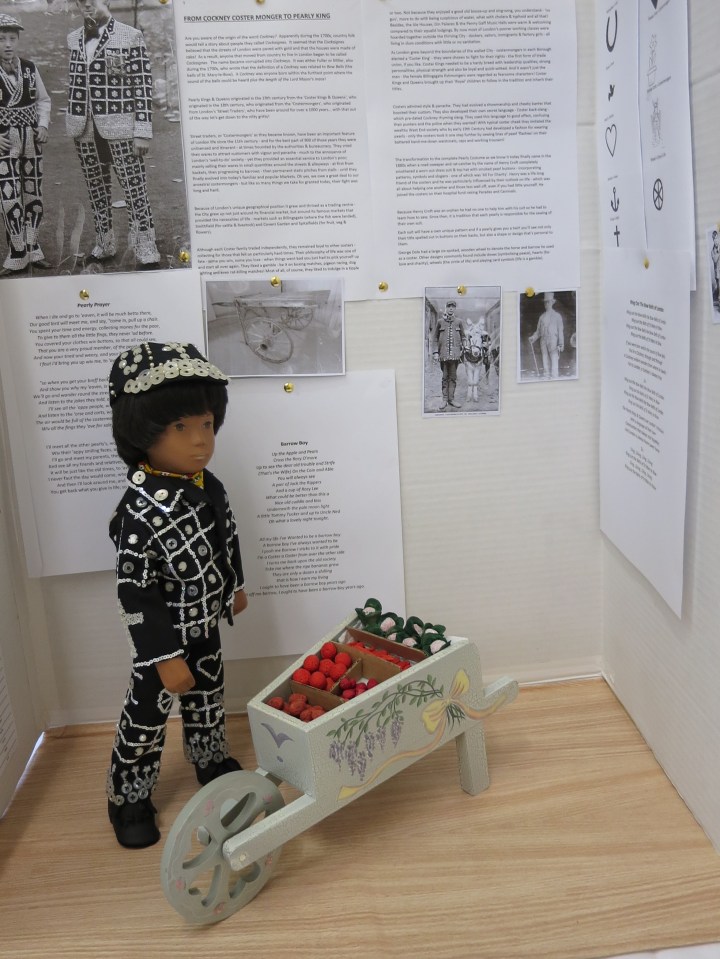
Here at some photos of Mr G modelling his Pearly king outfit. Vicky Chapman kindly provided the blank suit for me to work on. I sewed every button and sequin on by hand using my breaks at work to get it finished. I am so happy that it took 3rd place at the Sasha Celebration weekend.
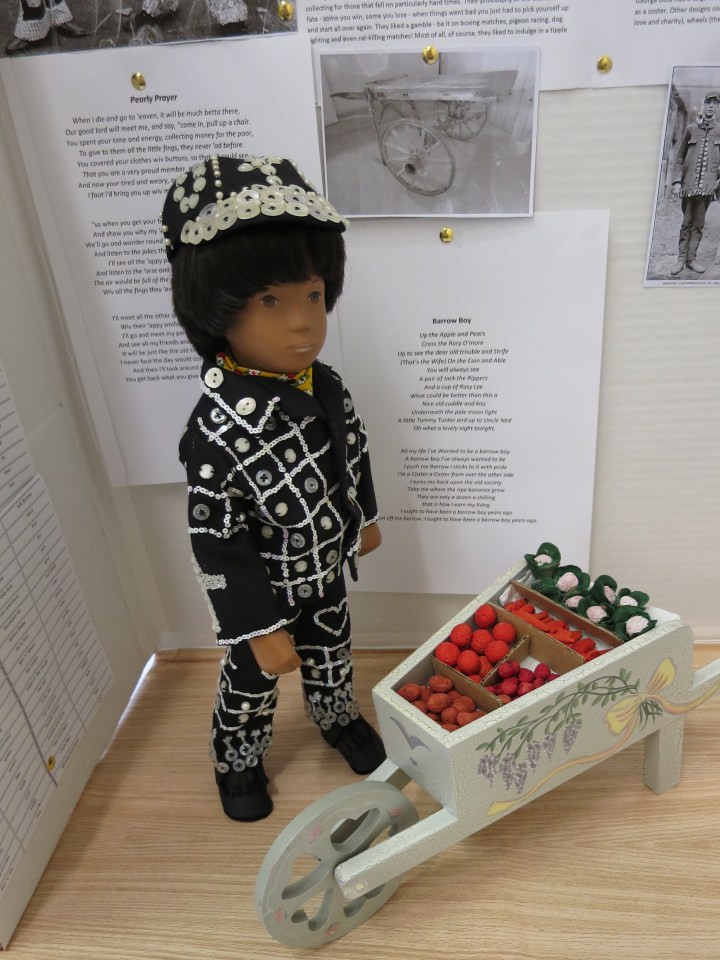
IMG_2339 (2)

IMG_2270

(Above is a front view of Mr G’s Pearly King outfit with symbols of the heart and wheel of fortune on the legs and flowers at his ankles)

IMG_2271

(Above is a back view of Mr G’s Pearly king outfit showing his title as The “Pearly King Of Bow” and a little sequin bell to add to the detail.)

IMG_2278

(A side view showing his waistcoat and anchor image on his sleeve. his neck tie known as a Kingsman was brightly coloured to draw attention )

IMG_2272

(Another side view this time showing the cross symbol on his other sleeve)

IMG_2281

( affront view of his hat showing the symbols of the cross, heart and horse shoe)

IMG_2280

(A rear view of hiss hat showing symbols of a flower pot, playing card and bird)

IMG_2282

( Above Mr G with his barrow full of vegetable’s all made from clay and painted)

To finish off below is the Pearly Prayer.

Pearly Prayer

When i die and go to ‘eaven, it will be much betta there,
Our good lord will meet me, and say, “come in, pull up a chair.
You spent your time and energy, collecting money for the poor,
To give to them all the little fings, they never ‘ad before.
You covered your clothes wiv buttons, so that all could see,
That you are a very proud member, of the pearly society.
And now your tired and weary, and your body’s past it’s best,
I faut i’d bring you up wiv me, to ‘ave a well earned rest.


“so when you get your breff back, i’ll take you by the ‘and,
And show you why my ‘eaven, is called the promised land”
We’ll go and wander raund the streets, i knew when i was young,
And listen to the jokes they told, and all the songs they sung.
I’ll see all the ‘appy people, what used to be araund,
And listen to the ‘orse and carts, wot made that loverly saund.
The air would be full of the costermongers loud and cheerful calls
Wiv all the fings they ‘ave for sale, all piled upon their stalls.


I’ll meet all the other pearly’s, wot went up there before,
Wiv their ‘appy smiling faces, and buttons all galore.
I’ll go and meet my parents, they departed long ago,
And see all my friends and relatives, i also used to know.
It will be just like the old times, to ‘ave a good old chat,
I never faut the day would come, when i could do all that.
And then i’ll look araund me, and realise it is true,
You get back what you give in life; so it’s really up to you

I hope you have enjoyed reading this and I would like to thank  The Pearly King and Queen association for all their help in researching this . Thanks for looking.



001

I was up and early next morning, first for a dip in the hotel swimming pool, which I had never had the opportunity to try at previous SCW due to being an organiser. The pool was lovely .

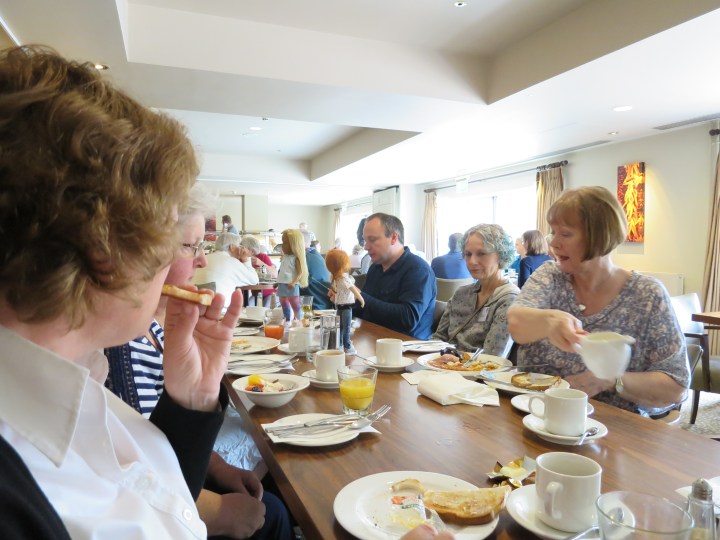
Off to breakfast having built up an appetite.

IMG_2364

IMG_2365

The choice for breakfast was yummy, vast and catered for everyone’s needs. After breakfast it was time to gather in the hall for the start of the days events.


Below are photos of some of the dolls from, My Favourite Sasha doll display.

IMG_2371

This beauty  in the box I believe is owned by Tricia

IMG_2382

IMG_2372

IMG_2373

The twin studios above belong to Laura

IMG_2375

IMG_2374

IMG_2376

Love the outfit on the blonde Gotz above.

IMG_2379

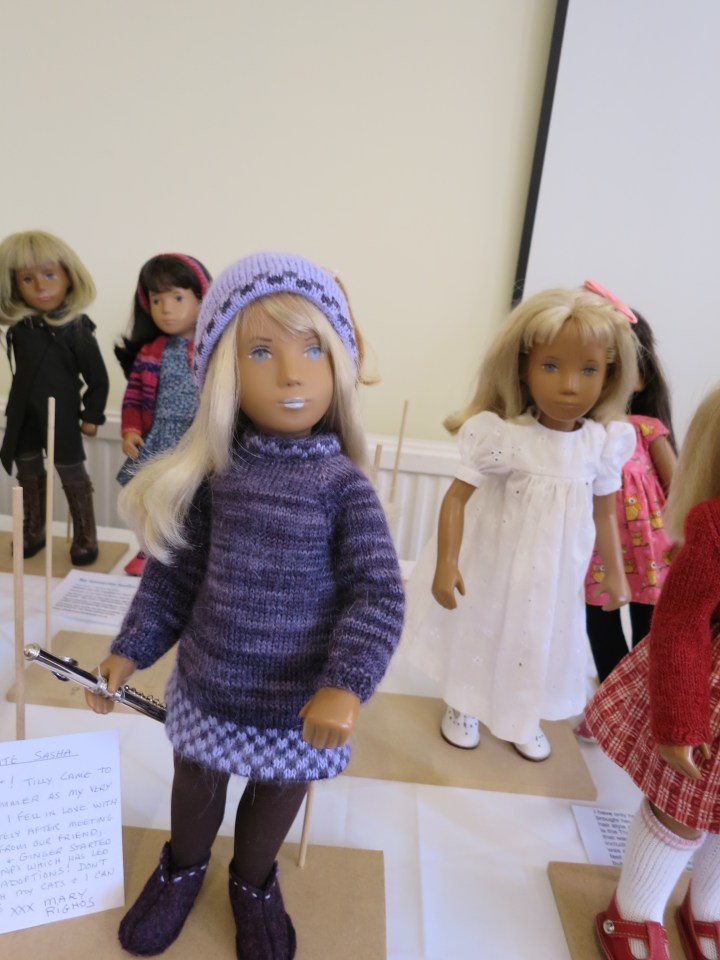
Tilly belonging to Mary, pretty in Purple

IMG_2378

Another beauty

IMG_2380

hope and eyelashe

Hope and Annette’s eyelash boy

IMG_2405 (2)

IMG_2403 (2)

IMG_2402 (2)

Sasha owned by Sarah

IMG_2401 (2)

What a cutie

IMG_2400 (2)


IMG_2381 (2)

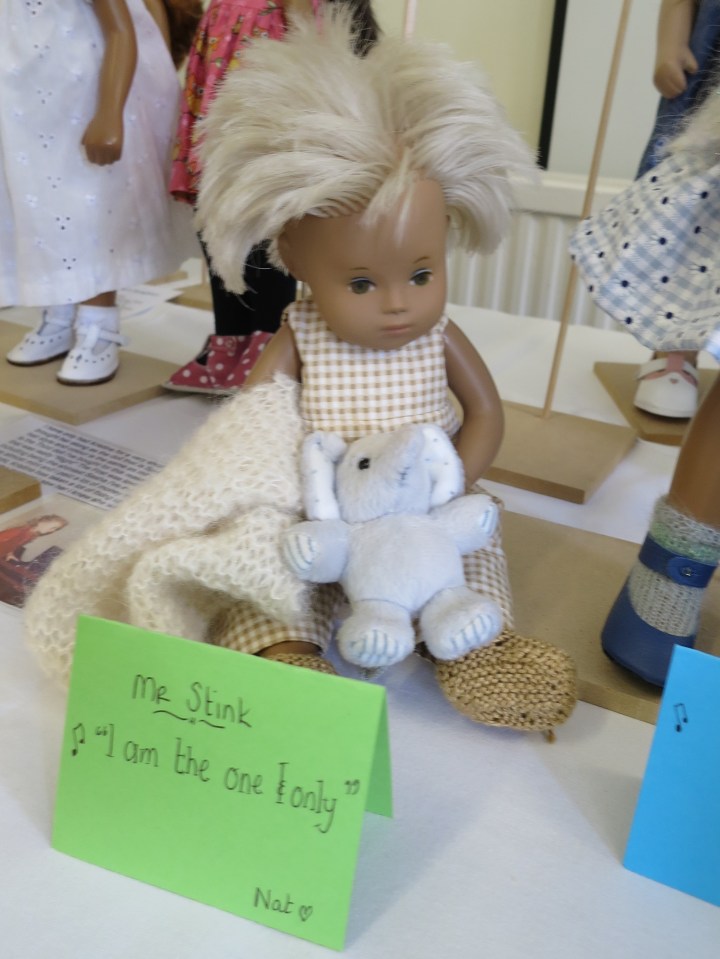
How cute is Mr Stink

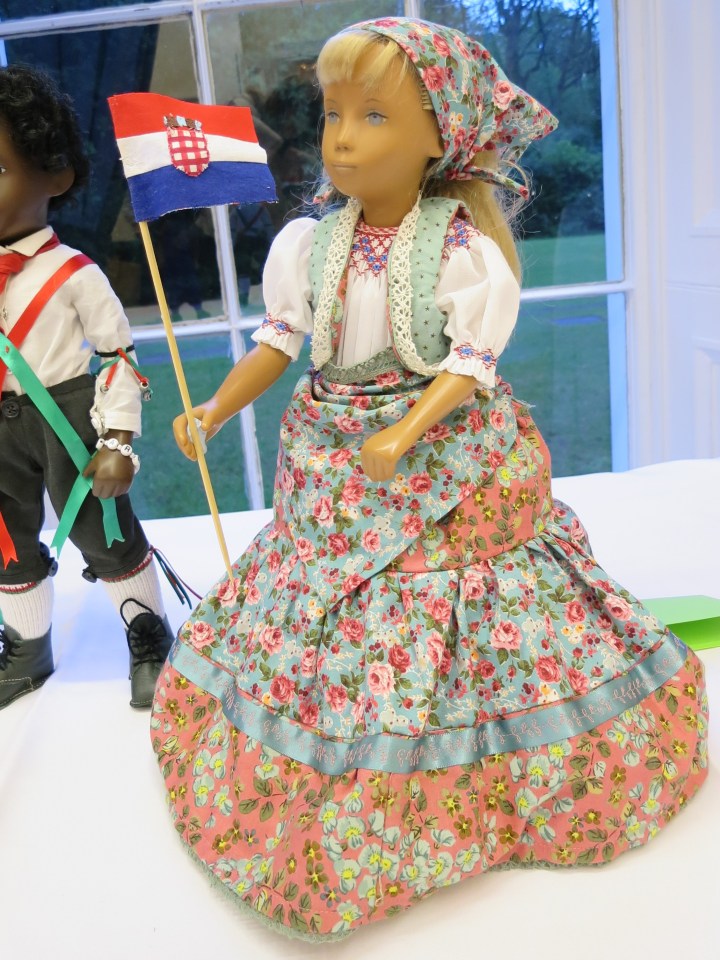
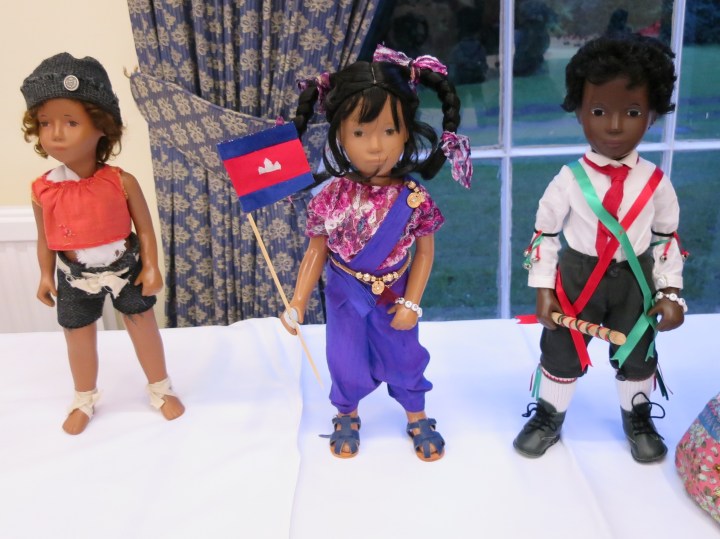
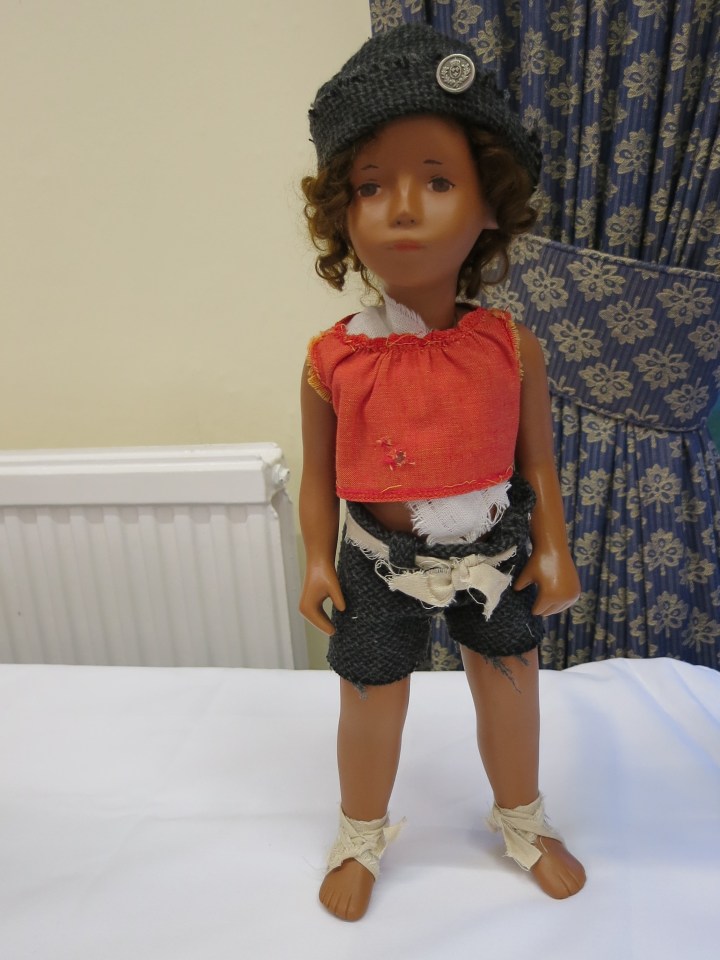
Now some photos of the International and Regional dressed  dolls


IMG_2391 (2)

I just wanted to pick this little one up and give her a hug

IMG_2392 (2)

IMG_2393 (2)

Lovely outfit by Alison

IMG_2394 (2)

Mexican girl by Marti

IMG_2395 (2)

I fell in love with this girl owned by Peggy

IMG_2396 (2)

Beautiful outfit and incredible history

Here are The Wobblers

IMG_2390

IMG_2389 (2)

IMG_2388 (2)

Next it was time for the craft tables

Brigitte’s Table were making Sasha leather Satchels

IMG_2368

Janet’s table were making rugs

IMG_2370

Francis’s table were making beautiful embroidered bags

IMG_2399

Jane’s table were making  little bags with Scottie dogs on.

janes bags

Emma’s table were making Sasha jackets

IMG_2383

IMG_2397

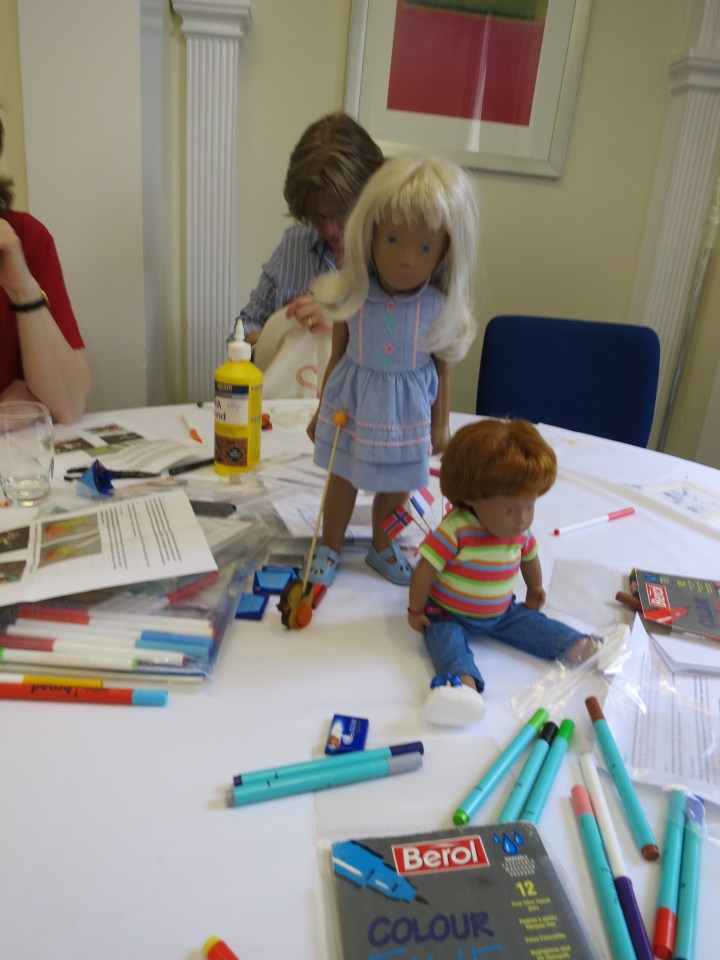
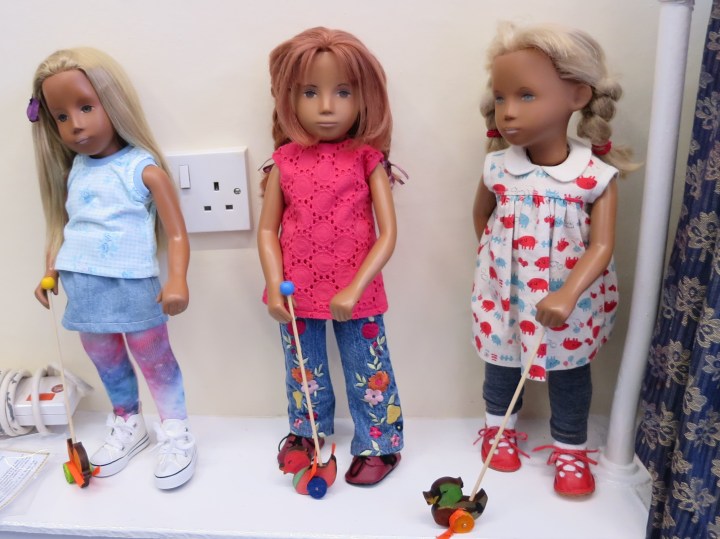
Doll Mum’s table were making little wooden duck toys, which were great fun.

IMG_2384 (2)

IMG_2385

IMG_2386 (2)

Judith’s table were making Sasha aprons

judiths table

After lunch it was time to get ready for the raffle

IMG_2406

Diane explained the rules

In between the normal raffle prizes being drawn a special draw would be announced.

And the first number which was a special prize was drawn

IMG_2407

And the winner was Paula’s Granddaughter, which was wonderful as it was her first baby Sasha.

IMG_2408

IMG_2409

IMG_2410 (3).JPG


Sarah won the brunette Gregor

IMG_2414 (2)

Pam’s daughter won the Dorisanne Osbourne book

IMG_2419 (2)

Liss won the Red haired Sasha

IMG_2416 (2)

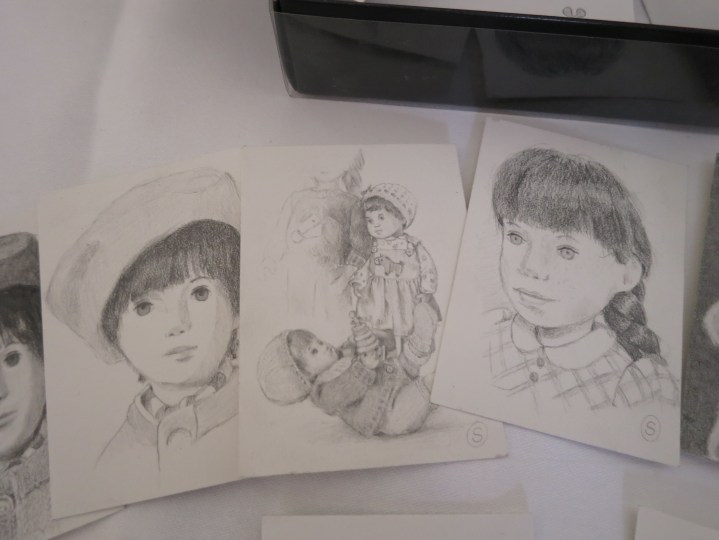
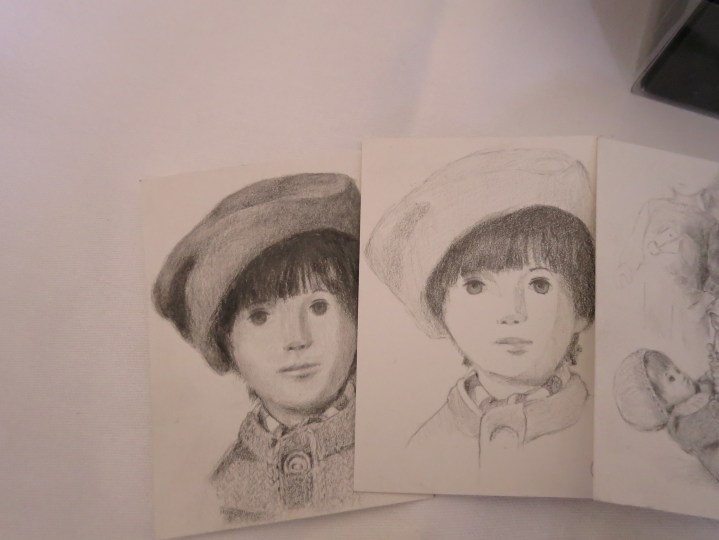
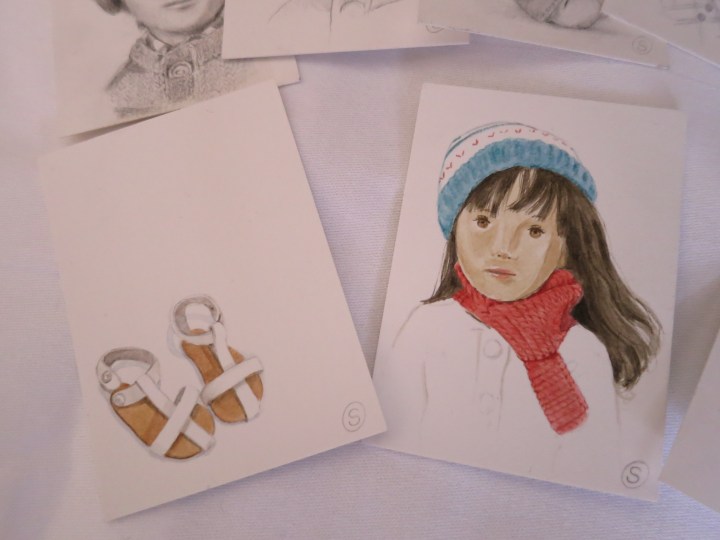
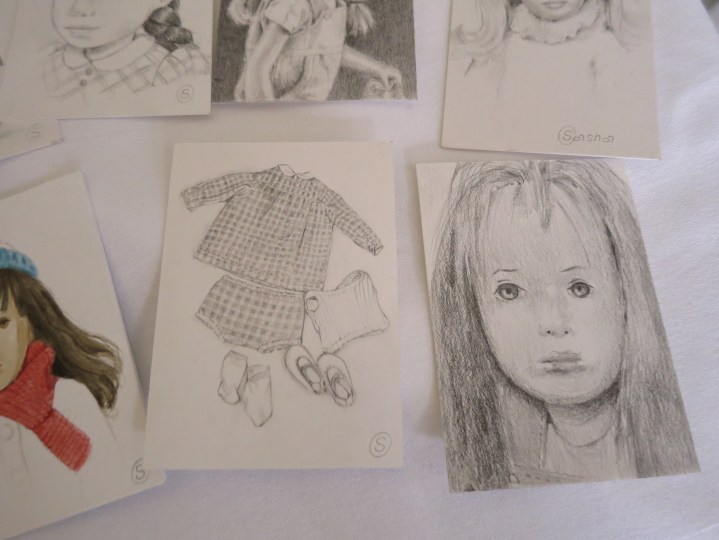
Petrana won the beautiful drawings by Joni

IMG_2415 (2)

Doll mum’s daughter won a baby

IMG_2413 (3)

Fiona won the customise Cora donated by Peggy

IMG_2412 (2)

Jocelyn then kindly donated her special draw ticket to Paula’s Grand daughter who won another baby Sasha

IMG_2418 (2)

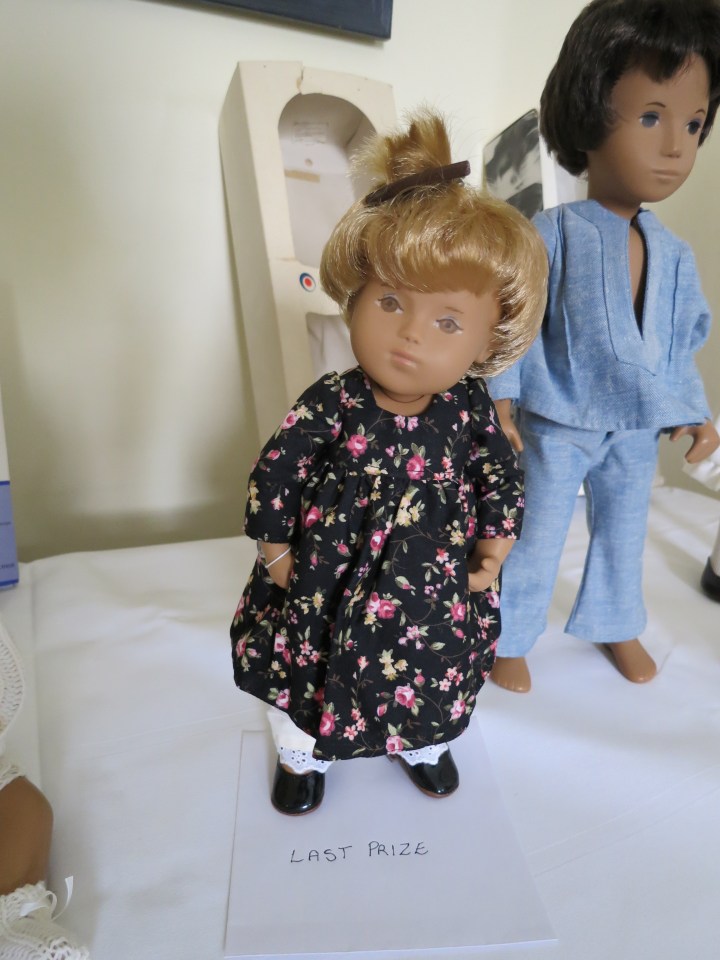
The last prize was won by me, which is a lovely Wobbler created by Janet Myhill-Dabbs

me

After the raffle we had a couple of hours relaxation before dinner

IMG_2425

IMG_2426

IMG_2430 (3)

IMG_2429

IMG_2431

IMG_2433

IMG_2432

IMG_2434

IMG_2435

IMG_2438

IMG_2440


IMG_2442

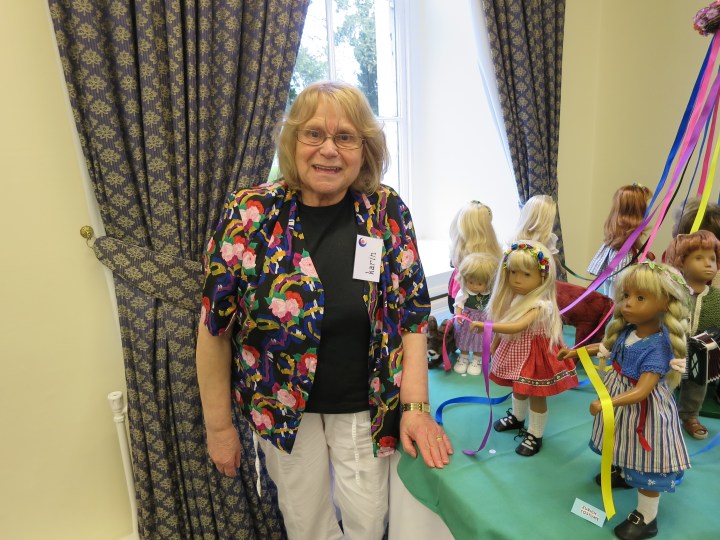
Karin was  presented with a gift for her extraordinary Maypole display

IMG_2451


After dinner their were gifts for our friends that had travelled from overseas to be with us of miniature lindt chocolate bars.

IMG_2446

IMG_2445

IMG_2448

IMG_2449 (2)

There were prize for the dress a doll competition

1st prize went to Peggy for her Iranian girl

IMG_2447IMG_2395 (2)

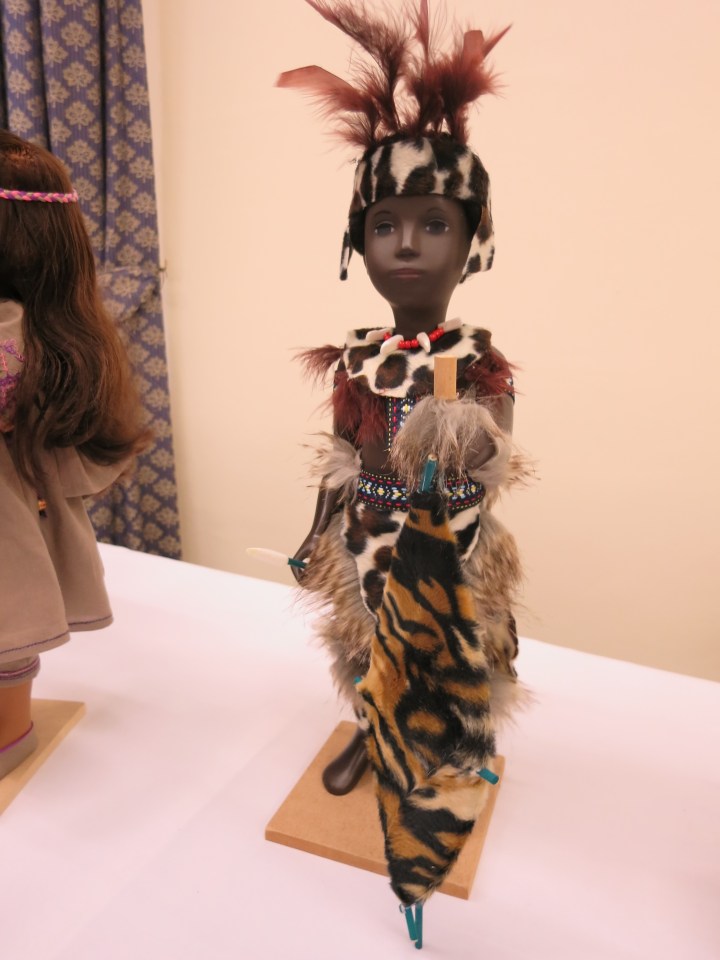
2nd prize went to Vicky Chapman for her Zulu warrior

IMG_2349 (2)

3rd prize  went to me for the Pearly King

IMG_2339 (2)

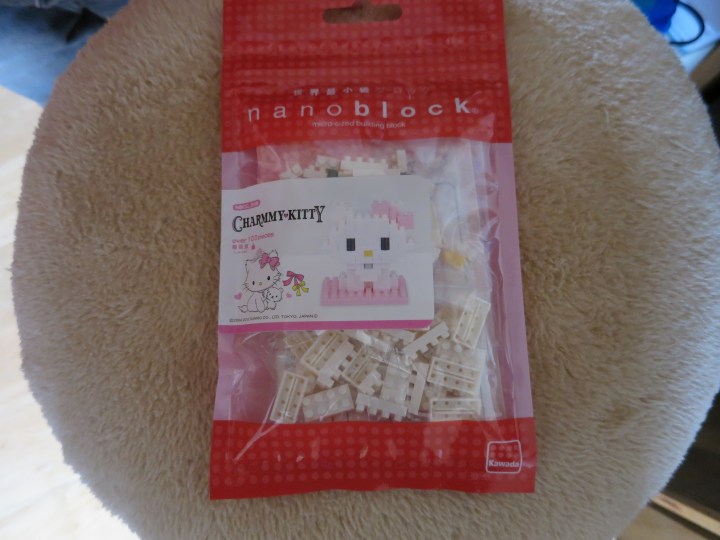
Mr G is very happy with his nano lego and would like to say thank you to Vicky Chapman for providing the blank suit.

IMG_2456

After the prizes were presented it was time to say thank you to Janet and Tricia presented her with some beautiful potted plants as these were easier for her to take with her on her scooter ride home.

IMG_2454

janets floweres

I would like to say a great big thank you to Janet and Tricia for a wonderful weekend and all the hard work they put into it. It was great for me to be able to enjoy it this time as a guest and to see it from the other side so to speak.

Below is the group photo taken be Alan Hinchcliffe

group photo

That’s all from me folks. I hope you have enjoyed it and thanks for stopping by.


After picking up Anette and Brigitte from the airport we headed up to Nottingham for the 2017 Sasha Celebration Weekend. We arrived and mingled in the bar area while we waited for the others to arrive.

It was wonderful to see old friends and new.

IMG_2287

Ginger and Peggy

IMG_2289

Annette and many more

IMG_2292

IMG_2294

IMG_2295

IMG_2297

IMG_2296

IMG_2298

Once everyone had arrived, we were allocated our rooms and given our programmes and name badges.

I  went  to donate my raffle prizes taking a few photos along the way.

IMG_2299

IMG_2300

IMG_2301

Above are some of the raffle prizes and many more were added to the table later.

Below are photos of the special raffle prize table.

IMG_2303

Below is a beautiful bobbed brunette donated by Kendal, who I think almost everyone wanted to win.


IMG_2305 (2)

Below is a beauty by Kelly Winarski, donated by Peggy

IMG_2304

IMG_2306

IMG_2310 (2)

Below are some lovely drawing which were donated by the very talented  Joni

IMG_2309 (2)

IMG_2311 (2)

IMG_2312 (2)

IMG_2313 (2)

IMG_2315 (2)

IMG_2316 (2)

Below a beautiful Wobbler donated by the very talented Janet Myhill-Dabbs

IMG_2307

I spotted Alan Hinchcliffe having a giggle with the girls

IMG_2317

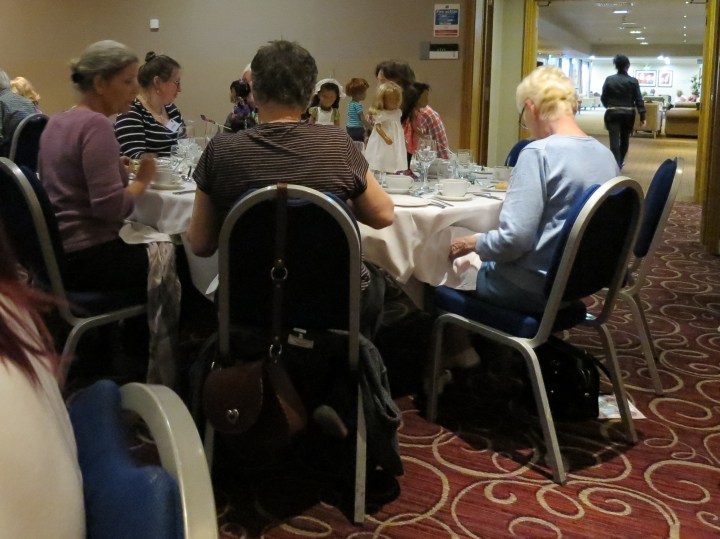
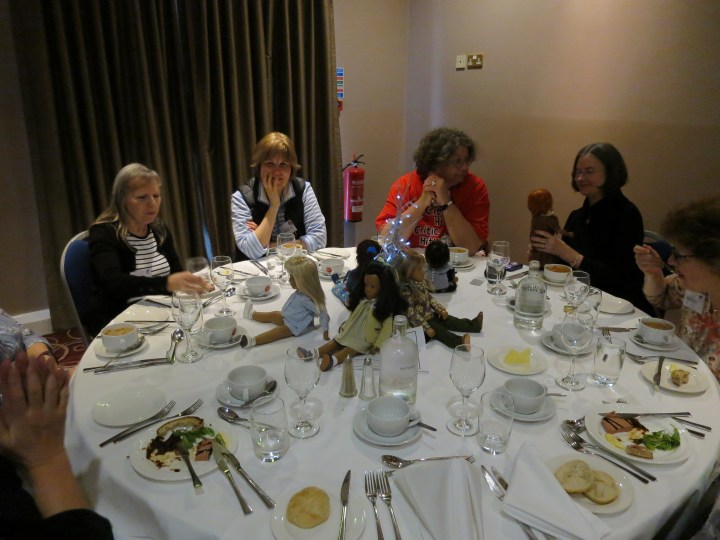
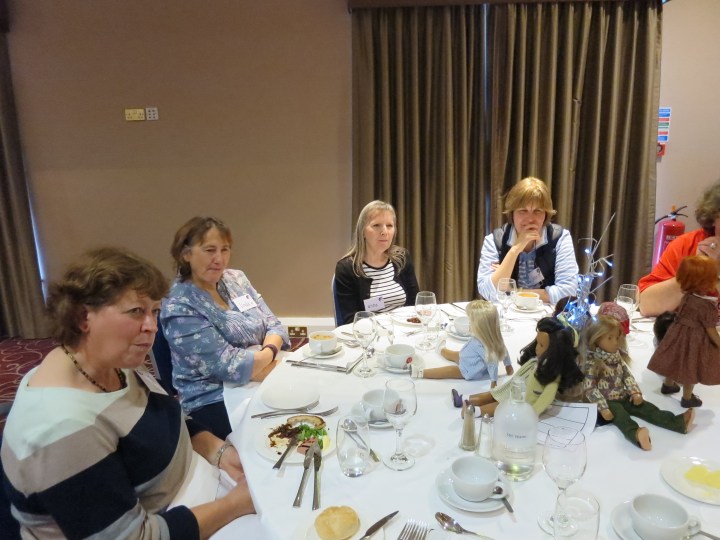
All to soon it was dinner time so here are a few photos of everyone.

IMG_2321 (2)

IMG_2322 (2)

IMG_2323

IMG_2324

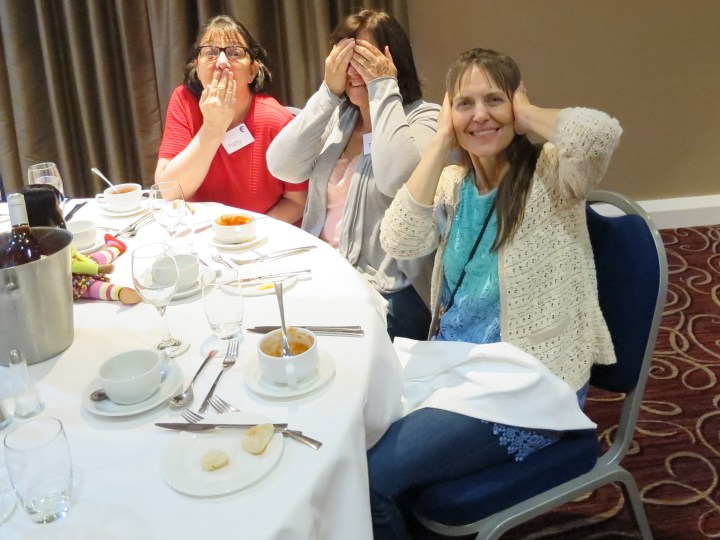
I don’t know about the 3 wise monkeys, but these were defiantly the 3 cheeky monkeys.

IMG_2327 (2)

IMG_2328 (2)

IMG_2325

IMG_2329

IMG_2330

IMG_2331

IMG_2332

IMG_2333

IMG_2334

Photographers at dawn

IMG_2335Hope having a bit of fun

IMG_2320

IMG_2336 Curly enjoying his pudding

IMG_2337

After dinner I went off to set up Mr G as a pearly King for the  Dress a Sasha competition and took some photos of the others before going to bed for the start of another exciting day.

IMG_2338 (2)

IMG_2341 (2)

IMG_2342 (2)

IMG_2343 (2)

IMG_2344 (2)

IMG_2347 (2)

IMG_2348

IMG_2346

IMG_2350 (2)

IMG_2349 (2)

IMG_2351 (2)

IMG_2352 (2)

IMG_2353

IMG_2354 (2)

IMG_2355

IMG_2363 (2)

IMG_2362 (2)

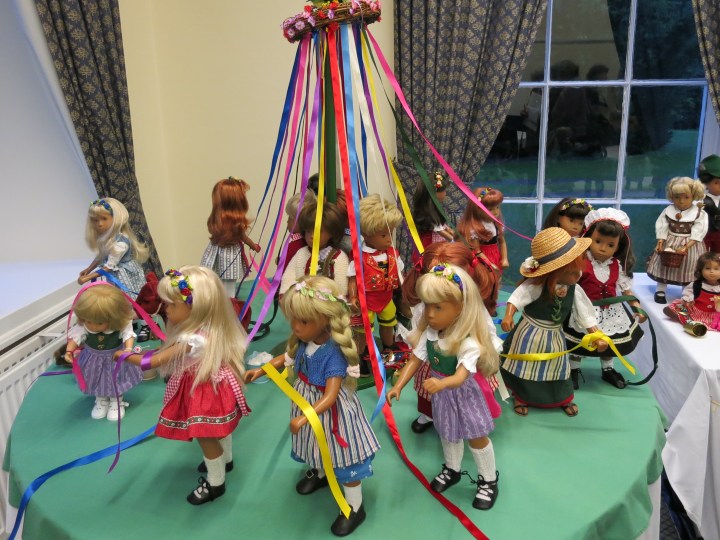
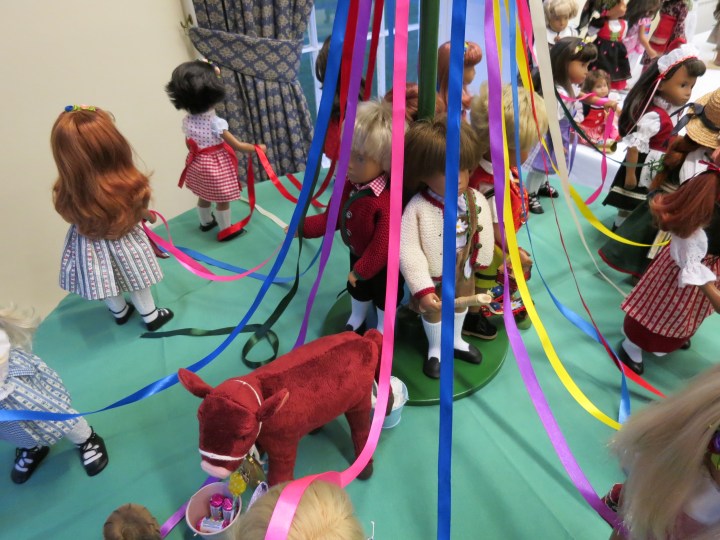
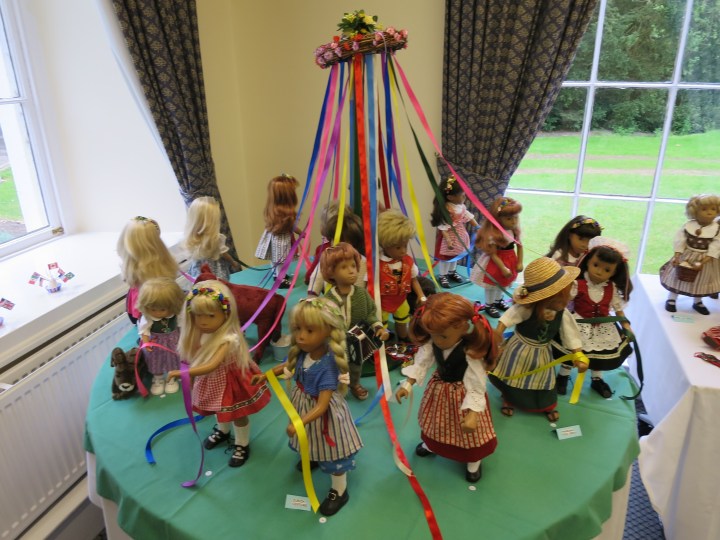
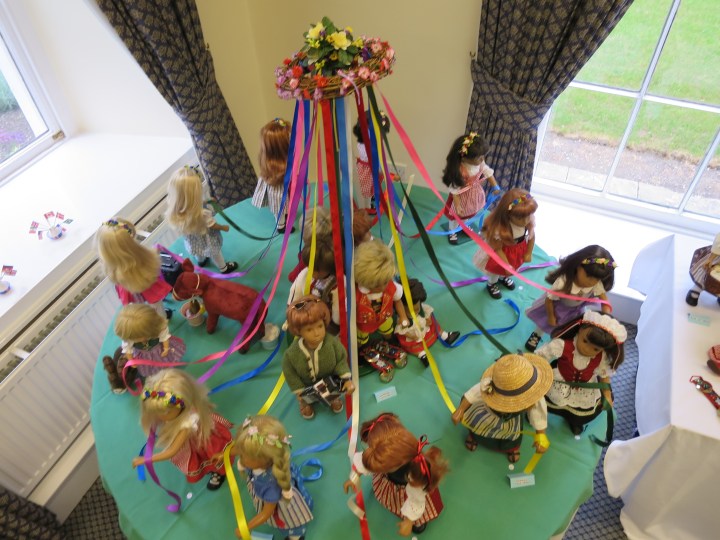
This wonderful  may pole filled with a bevy of beauties was created by Karin

IMG_2357 (2)

IMG_2360

IMG_2359

IMG_2361

IMG_2422

IMG_2423

IMG_2421

Well that’s all from me until part 2 and I hope you have enjoyed it.

Thanks for looking.

Today I am going to share a story with you, which I feel is pretty apt considering it is Easter a time for resurrection and rebirth.

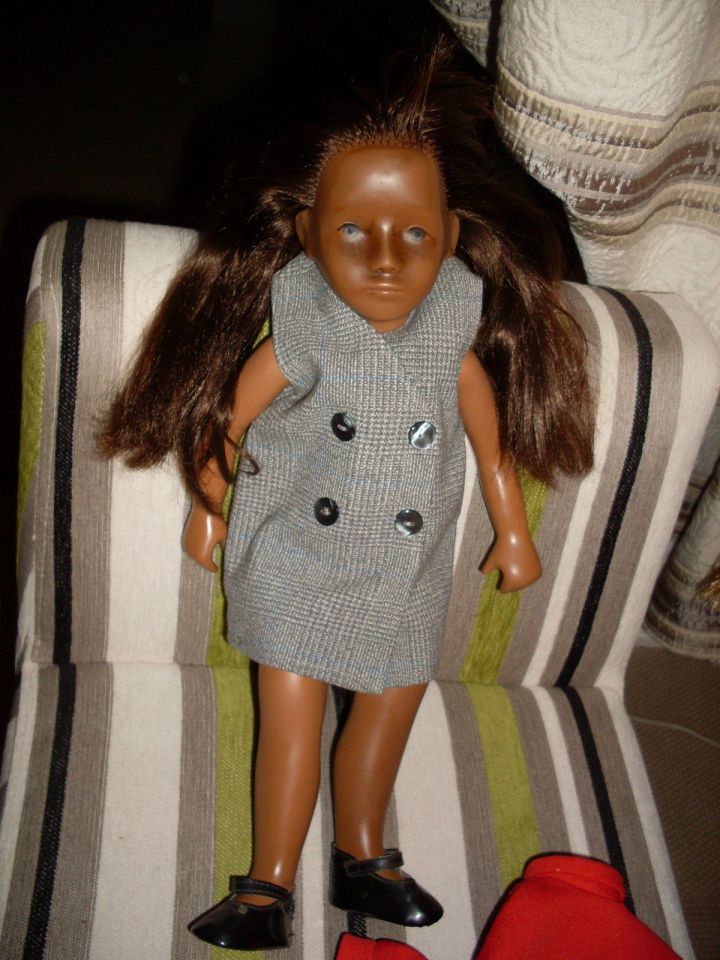
Last winter I purchased a very sorry looking early Gotz Sasha doll waif. As you will see from the two photo’s below she needed help.

brunette gotz damaged 1brunette gotz damaged 2

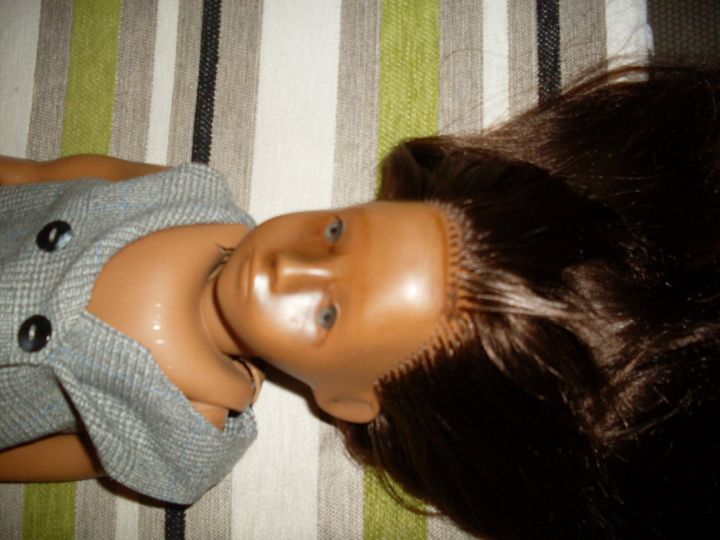
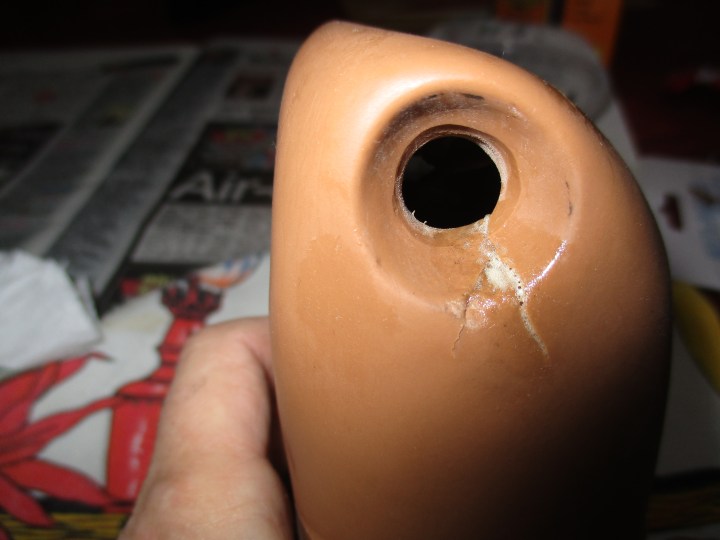
When she arrived I was not expecting the damage to be as bad as it was. Her face was covered in black ingrained soot type dirt, with some kind of lacquer or varnish on top of that. Her facial paint was not in good shape. Her torso was nearly split in half with tares to both sides of her neck and numerous tares under both arm sockets. She looked so sad. First of all I took her apart and began by trying to clean her face with a soap solution.

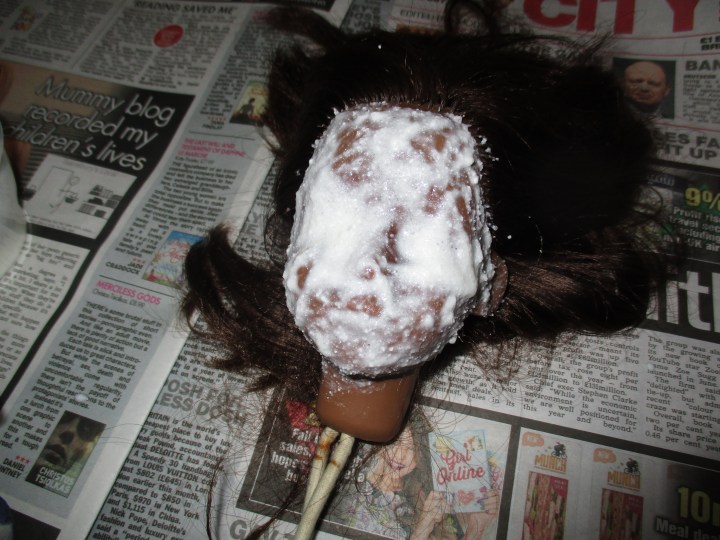
IMG_0539That only helped a little. The oxy treatment did not work. I then tried to remove the lacquer with nail varnish remover, which helped quite a bit  and there was beginning to be light at the end of the tunnel.

IMG_0632

I then covered her face with Vaseline and left her in the conservatory for a couple of months to allow her skin to lighten.

IMG_0633

IMG_0634


I managed to get her skin as light as I could, but it will never be perfect. Her face paint was not good and the only way to get rid of the substance on her face was to remove her eye paint.


I then started to fix her body, which as you can see from the photo’s below was very badly damaged.

IMG_0540

IMG_0542

IMG_0541

I did the best I could, using Gorilla glue which bonds with moisture and then backing the splits with leather.

IMG_0544

IMG_0635

IMG_0545

IMG_0546

I don’t know how long or if it will last forever but for now her body is back together.

As this poor young lady had been through so much I asked Janet if she would paint her some new face paint and she said yes.

I had decided to call this little waif Frankie (due to the body part issues)

Apart from a few missing plugs to the front of her hair line, she had beautiful hair.

So, I would like to introduce you to the resurrected or reborn Frankie. Thank you to Janet for making a very sad girl happy again and a very happy Easter to you all.

Frankie 1

IMG_2243


img_2060

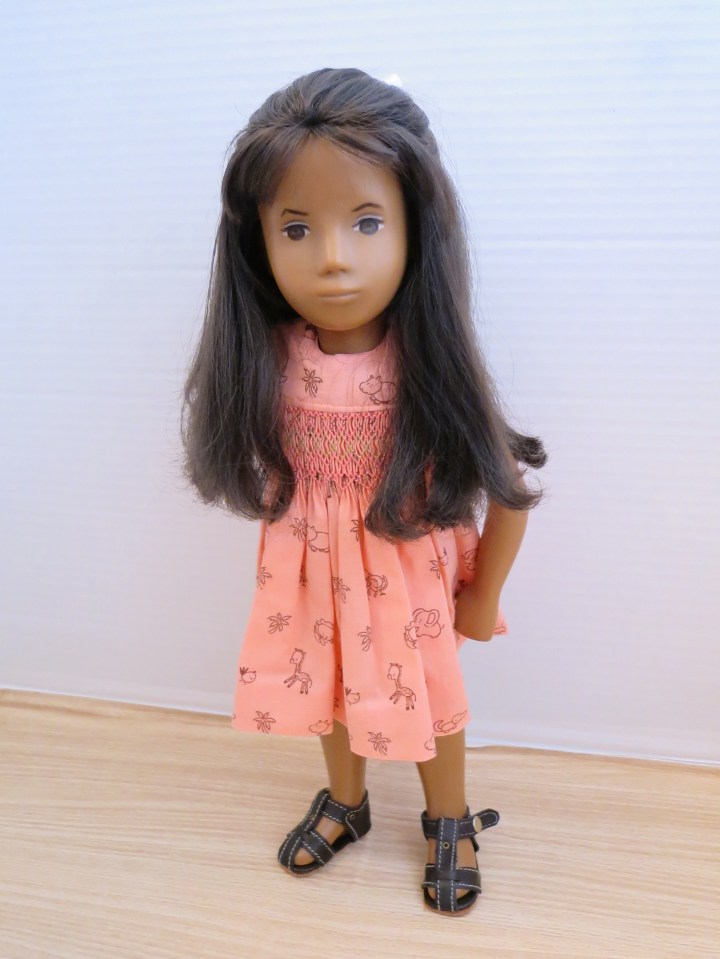
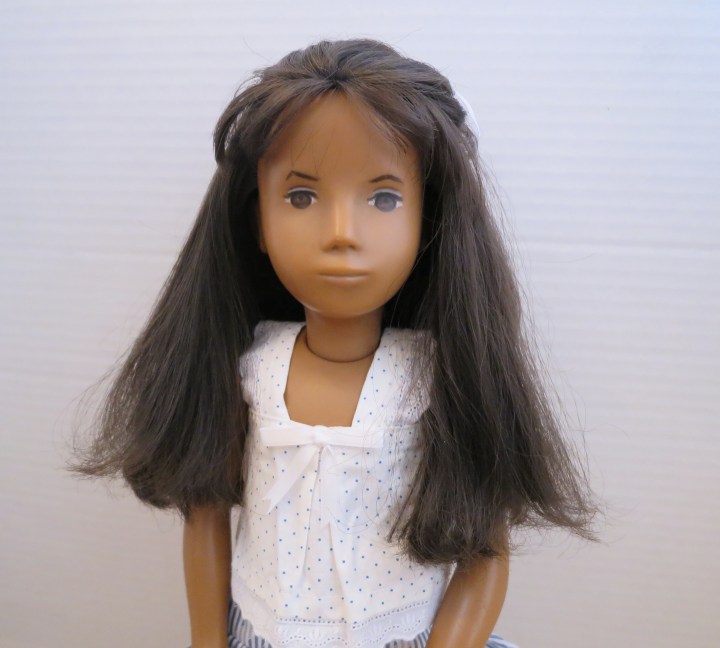
This is Ida my first No Philtrum Sasha doll and I am so glad she has come to join my Sasha doll family. Ida was born in 1966. Her dress pants and vest are her original clothing. She has a full centre parting and a single row fringe pulled trough from the 2nd row.

img_2058img_2063img_2064img_2065

In the next few photos Ida is wearing a  white dress made by Vicky Chapman and shoes by Craig Randall

img_2067img_2072img_2074


In the next photos Ida is wearing a peach smocked dress by Marilyn Hotchkiss and a pair of very early JJ shoes

img_2096img_2094img_2099

In the next photos Ida is wearing an outfit I love which I bought from a maker in Germany and shoes by Marti Murphy

img_2076img_2081img_2078

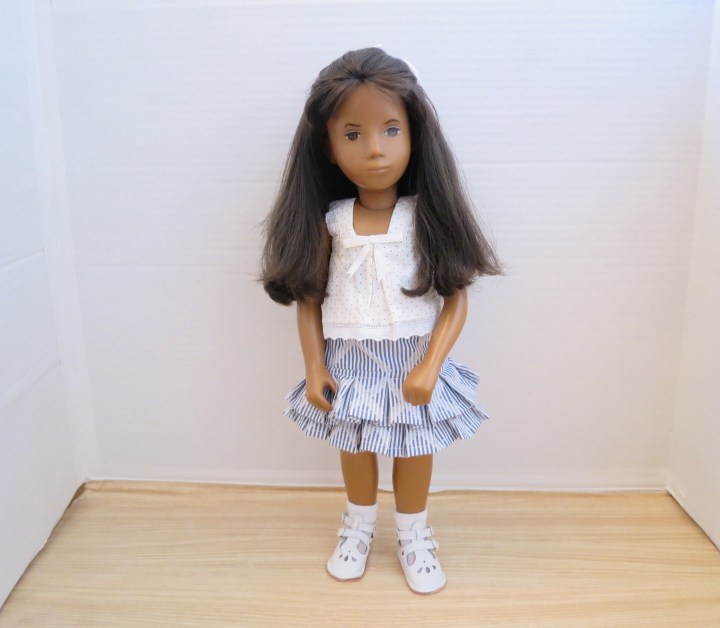
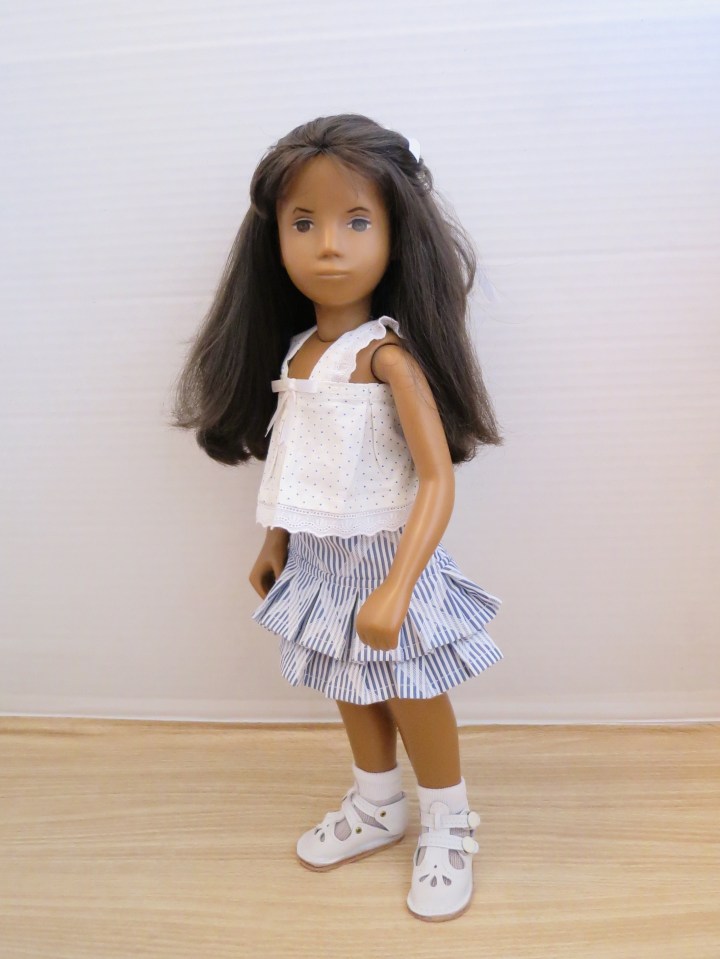
In this outfit which is a bit warmer, Ida is wearing another outfit by Vicky Chapman and one of the last pairs of shoes made by the late great JJ.

img_2083

img_2085

Thanks for Looking

img_1986

img_1990

img_1985

img_1987

I recently re-homed this Later Gotz Sasha doll Maria. I knew she had problems and thought I would try to return her to her original state. Maria had quite severe caving to her neck and body due to her stringing being too tight. This is the first time that I have attempted to re-string a later Gotz  and I can tell you it is quite a tedious task, but well worth it.

The photos above are of Maria when she first arrived and the ones below are how she looks now.

img_2030

img_2031

img_2034

This is how I fixed Maria’s problems.

First of all I had to remove her stringing.  The later Gotz dolls are strung using  elastic stringing and plastic cups (as they are safer for children).

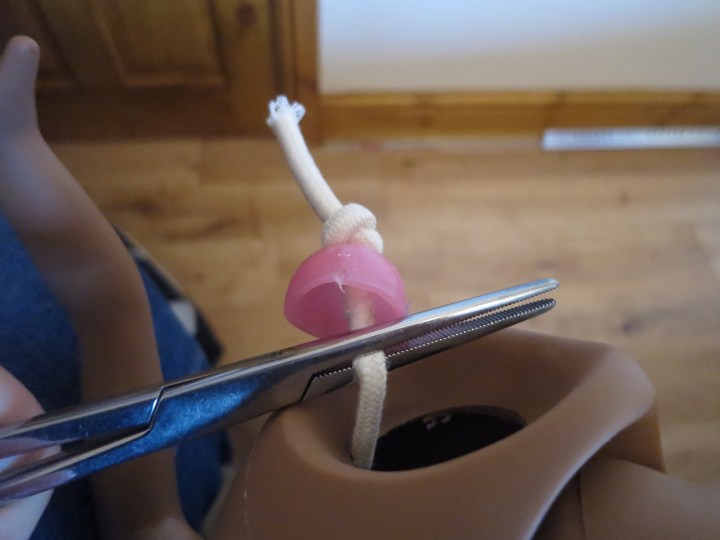
To remove the plastic cup from her leg to allow me to get to the stringing. I first heated the top of her leg with a hairdryer on full heat for a couple of minutes, to soften the vinyl.

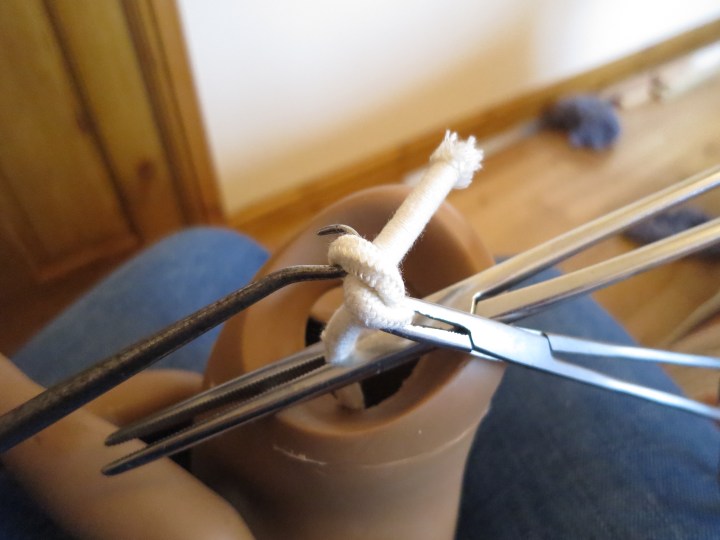
Next I took hold of my trusty old button hook to encourage the plastic from the leg hole, once I could see the edge of the plastic cup I used forceps to pull it free from the leg hole.

img_1995

img_1993

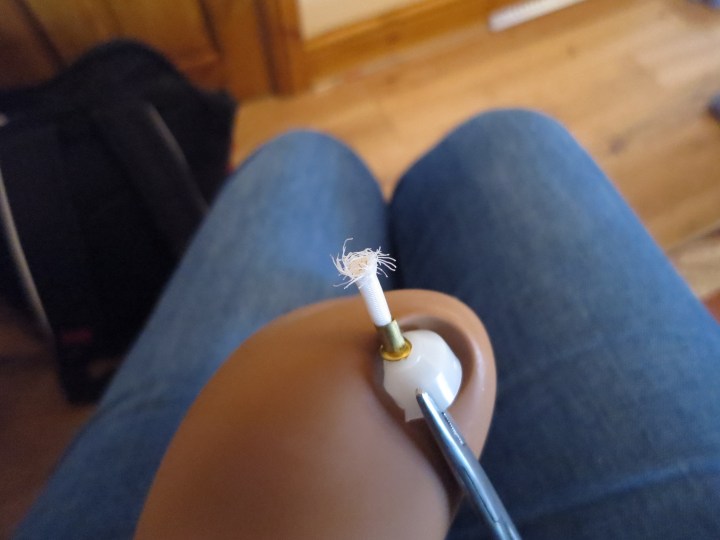
Once the plastic cup was out, I could see that the stringing went through a hole in the middle of the cup and was then secured with a tight knot. I held the stringing out of the body hole with the aid of a pair of forceps and then used my button hook and a smaller pair of forceps to undo the tight knot.

img_1991


img_1998img_1999

Once the knot was undone I could then slide off the pink plastic cup. I repeated the same process to the other leg. I had discovered that I would have to give Maria new stringing and to get to the head stringing the pink plastic cups had to be removed as they would not fit through the neck opening.

img_2000

Inside the neck the stringing looks similar to the later English Trendon Sasha dolls, but it is not.

img_2001

To get the white plastic cup and stringing out of the head, I used the same process of heating the neck opening with a hairdryer. To remove the plastic cup I also used my button hook and forceps.

img_2002

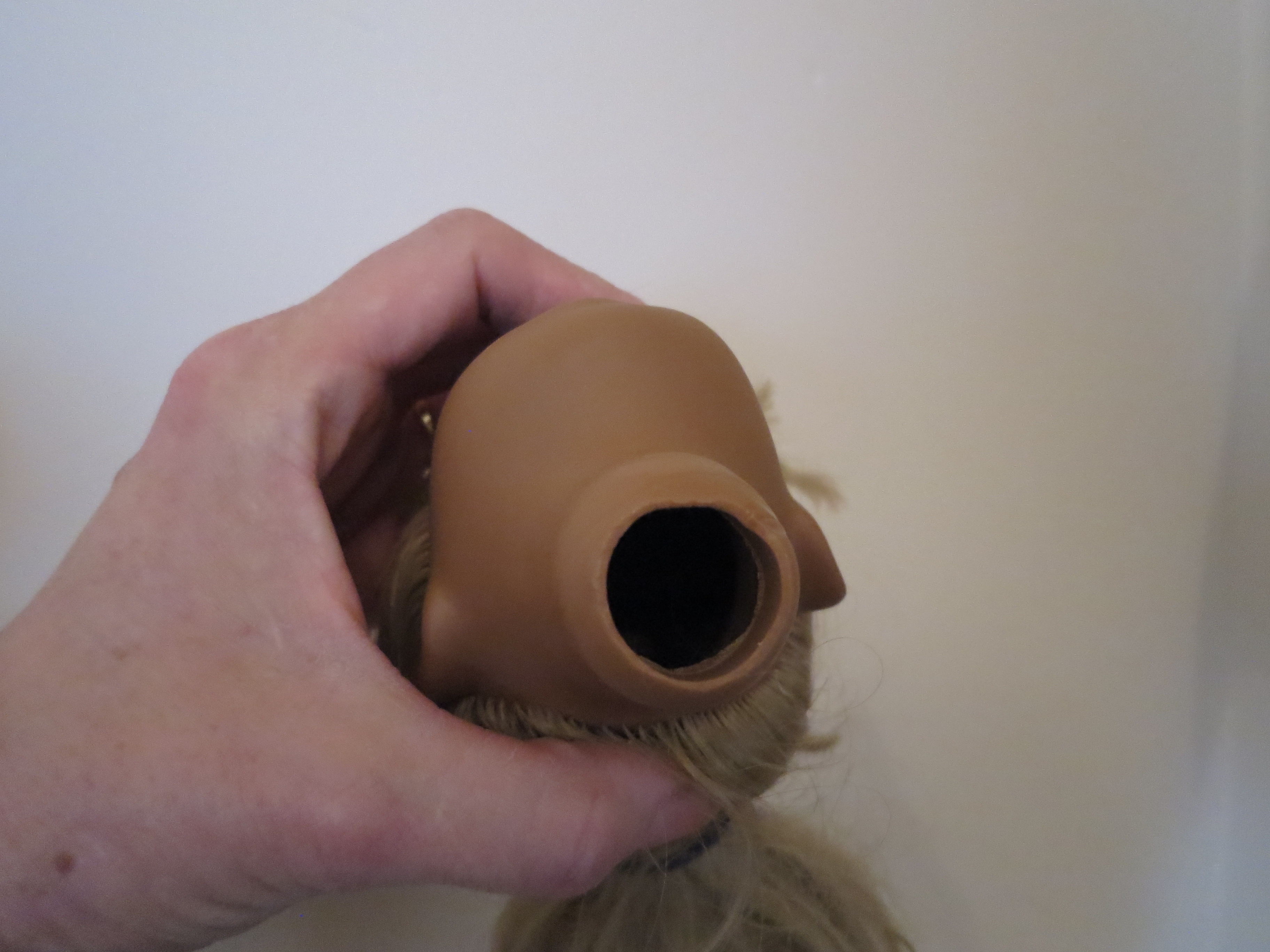
The hole on the head opening is much wider than other types of Sasha dolls and Marias was warped due to the caving.

img_2005

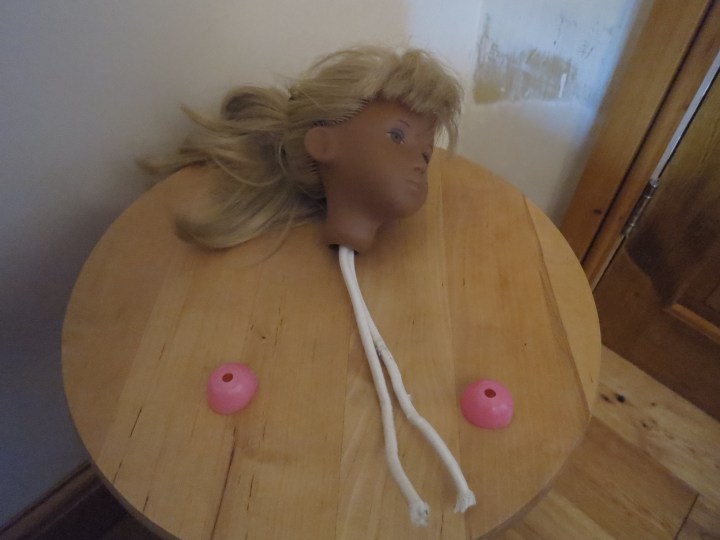
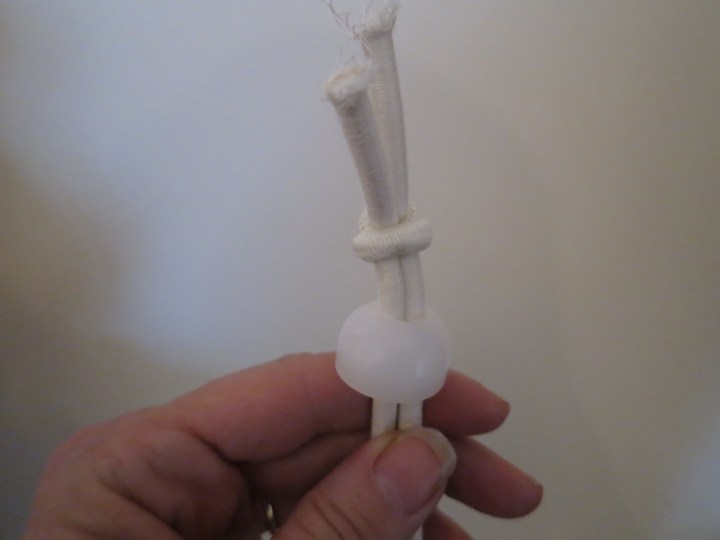
Once I had removed the white plastic cup and stringing from the head, I could see that there was one piece of stringing running through the white plastic cup, which was doubled over and then secured with a small piece of stringing which was tied in a knot. ( I much prefer the English Trendon way of stringing Sasha dolls.)

img_2003

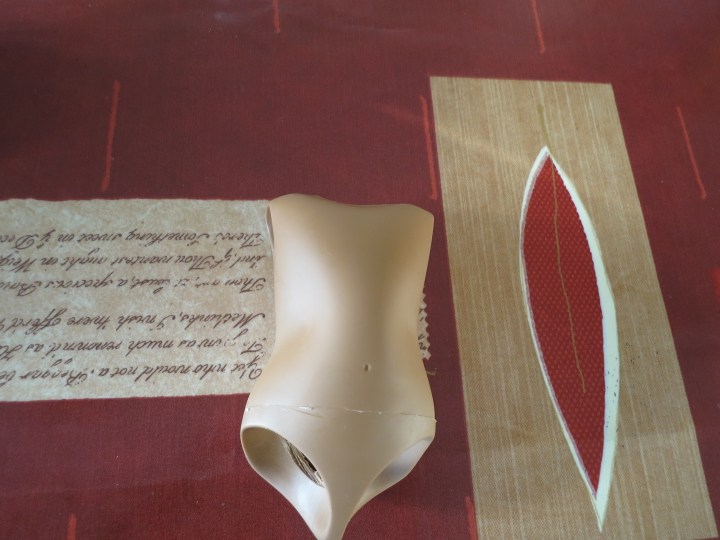
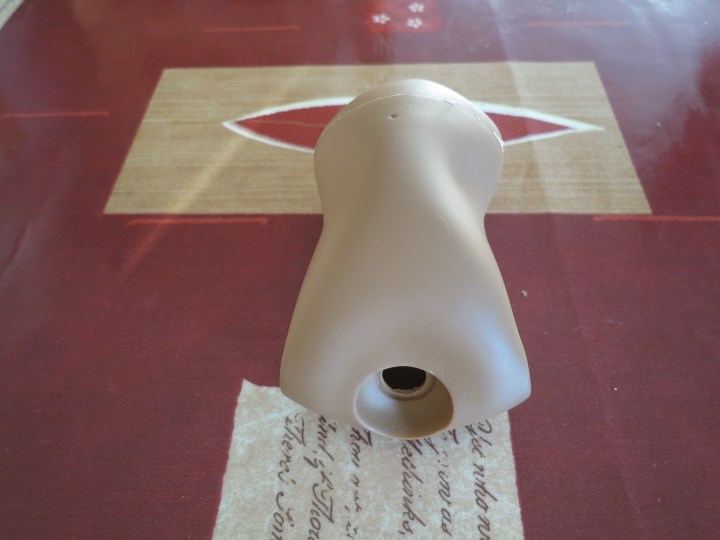
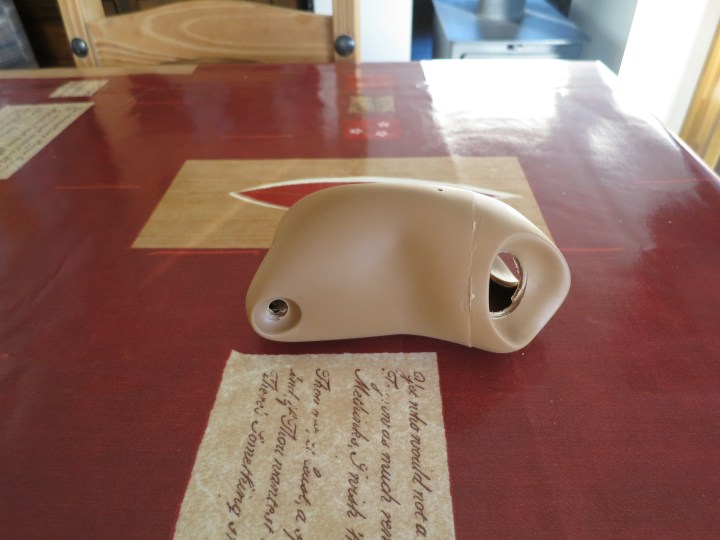
I had now reached the stage where I had her legs and head off. I tried heating her torso using the hairdryer method to try to correct the caving to her body. The hairdryer method did not work, so my only option now was to remove her arm stringing, so that I could boil her body back into shape.

So once again I heated her arm hole with a hairdryer and used my button hook and forceps to remover her arm stringing and white plastic cup. To say the arm stringing was stubborn to remove was an understatement.

img_2007

img_2008

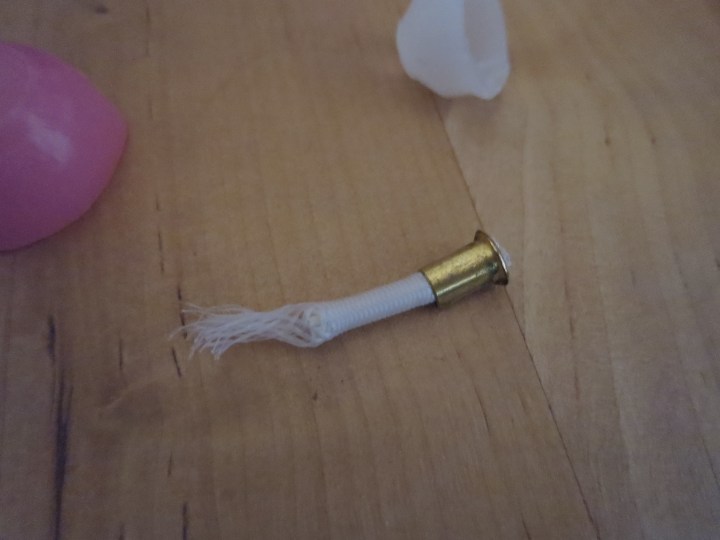
Once I had the stringing and plastic cup out I could see that a brass sleeve insert had been crimped onto the arm stringing to make it more secure. The only way forward now was to cut the stringing to release it from the body.

img_2009

img_2010

Incidentally the white plastic cups used for the stringing to the head and legs are the same size. The plastic cups in the arms is naturally much smaller.

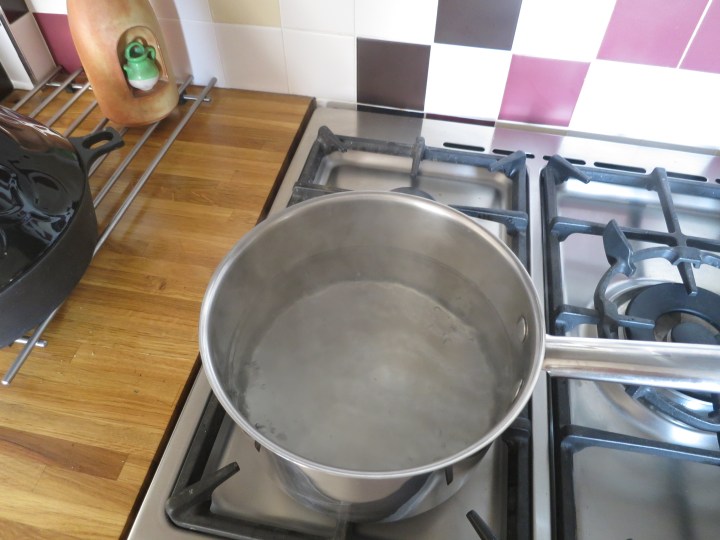
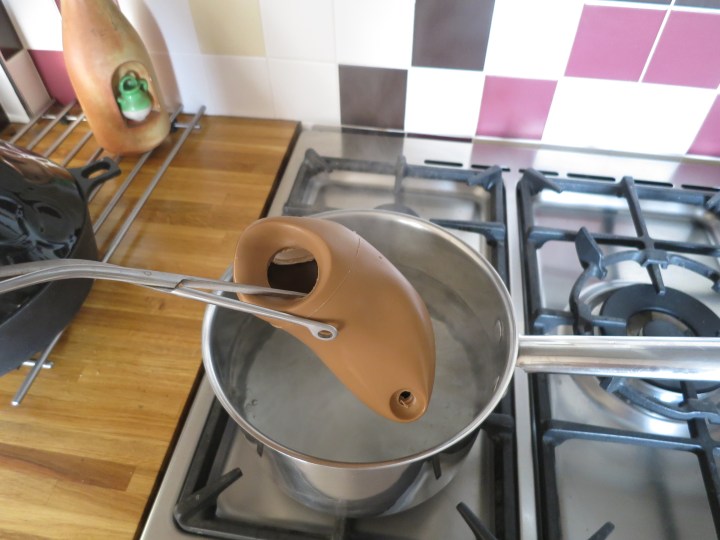
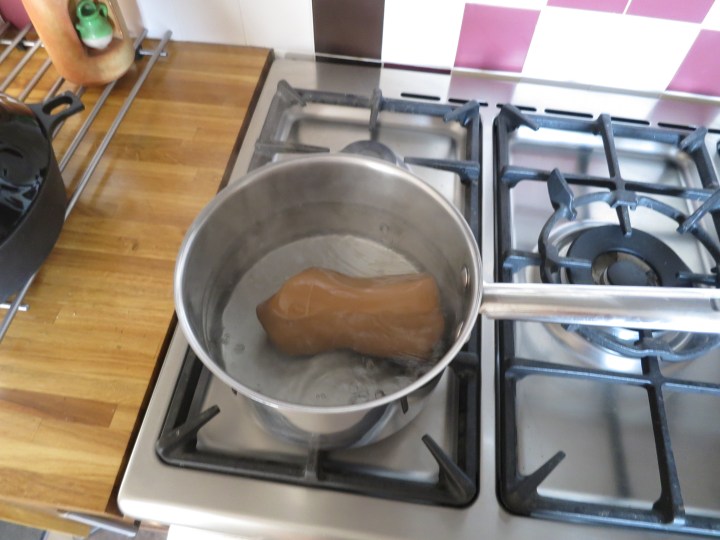
I prepared a saucepan of simmering boiled water.

img_2017

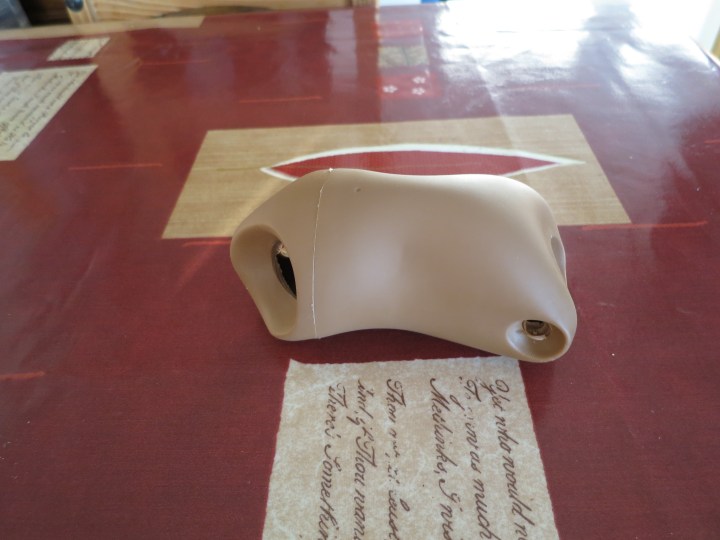
Her are some photos of Maria’s torso before I boiled it, to give you some idea of the degree of caving and warping her body had.

img_2014img_2012img_2013 img_2011

I carefully placed Maria’s torso into the simmering water for 5 minutes. I was careful to place her torsointo the water using a tool with no sharp edges to it, because when the vinyl is softened using something sharp could damage the vinyl in its softened state. I also had a tea towel ready to use to let the torso dry out on.

img_2016img_2018img_2019

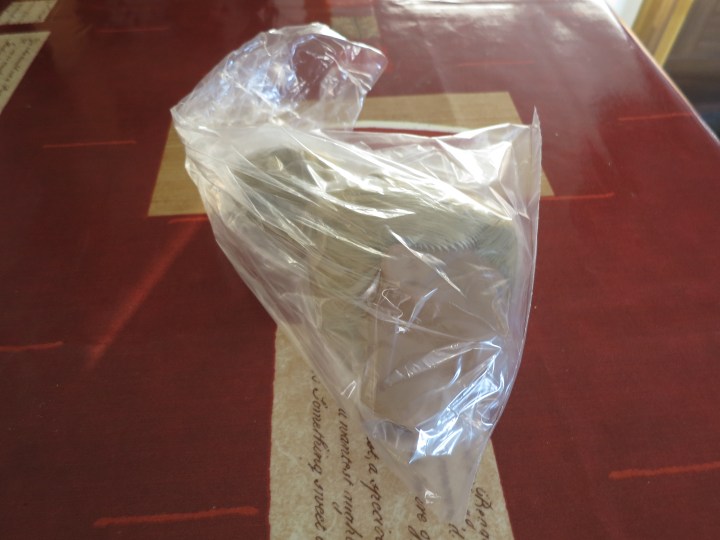
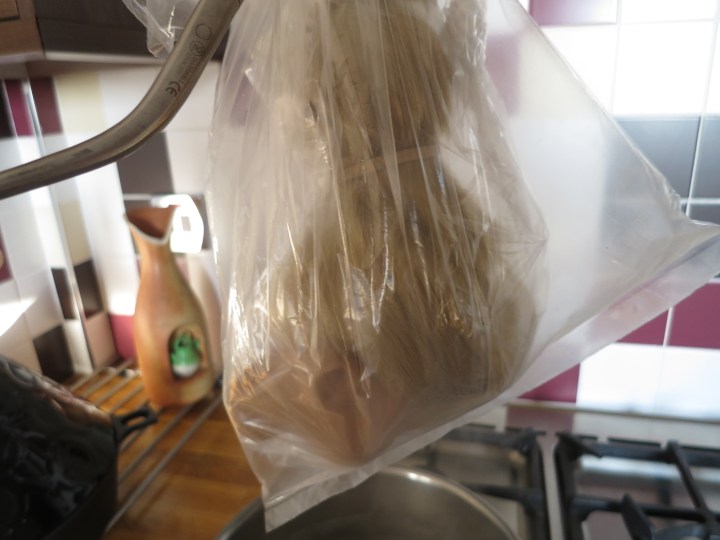
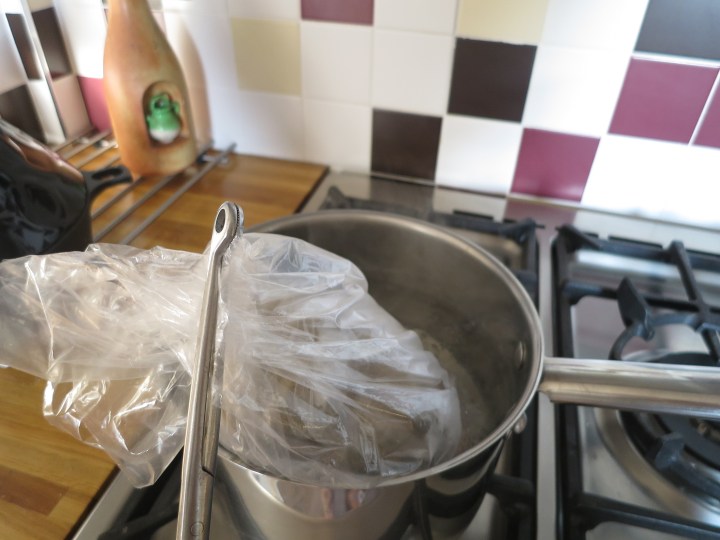
As Maria’s neck was also quite warped, I double bagged her head in two strong freezer bags and held her head over the pan with the neck hole just into, the simmering water for 2 minutes.

img_2015img_2021img_2022

I took Maria’s head out of the plastic bags as soon as possible ,after removing her head from the simmering water. The results were great and her neck hole and body were reshaped back to normal. I left the body parts on the tea towel for about half an hour to let the vinyl cool and re- harden.

img_2024img_2023img_2025img_2026img_2027

Next I decide to give Maria’s hair a good wash and condition I used Elvives’s hair repair shampoo and conditioner.

img_2029

I let her hair dry naturally and placed a rolled up sock on her head to keep her fringe in place.

Now then back to the dreaded re-stringing. The leg to head was not a problem I used new stringing about an inch an a half longer on each leg, to stop any further neck and body caving. The arms were a headache . In the USA I believe you are able to purchase the brass insert sleeves to use for crimping on the arm stringing, however in England they have now been replaced with plastic ones, which are useless for crimping, luckily some time ago I had purchased some arm hooks, which  I used to re-string the arms the English Trendon way.

img_2042

I heated the arm hole for a couple of minutes, inserted the arm hook, using forceps to hold the hook in place on one arm, added the stringing to the hook and then used my button hook to pull the stringing through the body keeping the arm stringing behind the body stringing and connecting it to the arm hook on the other arm.

img_2032

img_2034img_2031

Maria was so happy she stood on her head.

img_2035

I had given her clothes a good wash and hey presto she was ready to go.

img_2037

img_2038

I hope you have enjoyed this post. I am not an expert I am just sharing my Sasha adventures with you and I hope you have enjoyed this post. I am over the moon to have Maria as part of my Sasha family, thanks for reading this.


cci05112016_0003

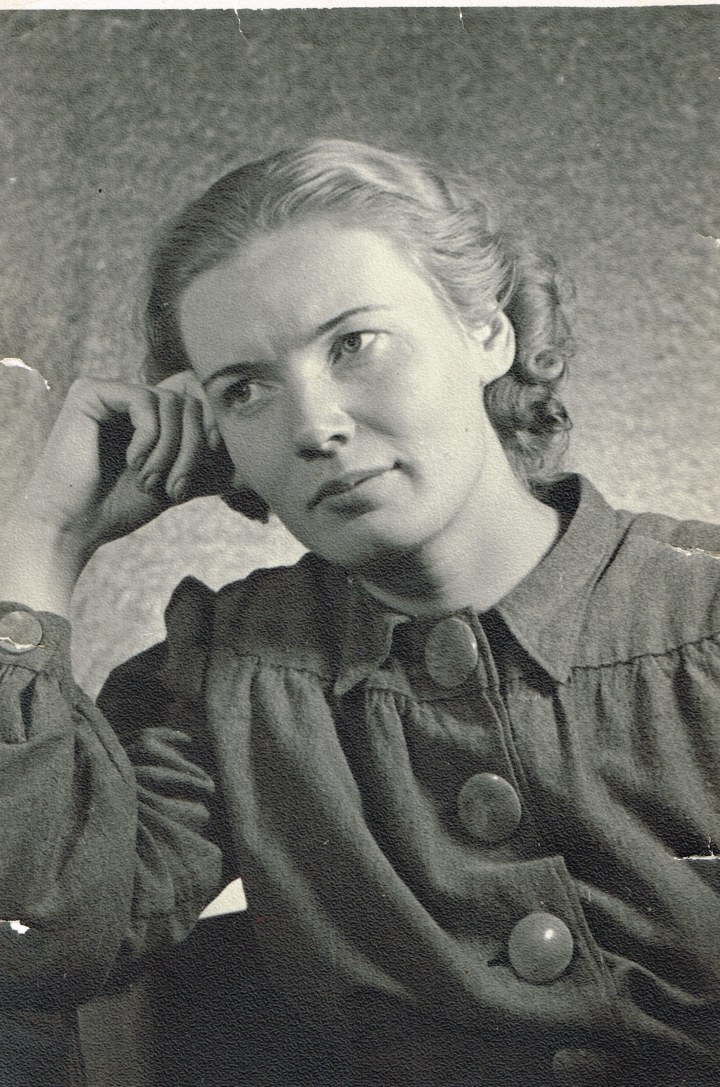
Inge Goldberg  was born on the 10th July 1918. She was to be the oldest of 4 children.A younger sister called Susanne was born in 1920, followed by a brother Karl born in 1922 and another brother called Christian born in 1929.

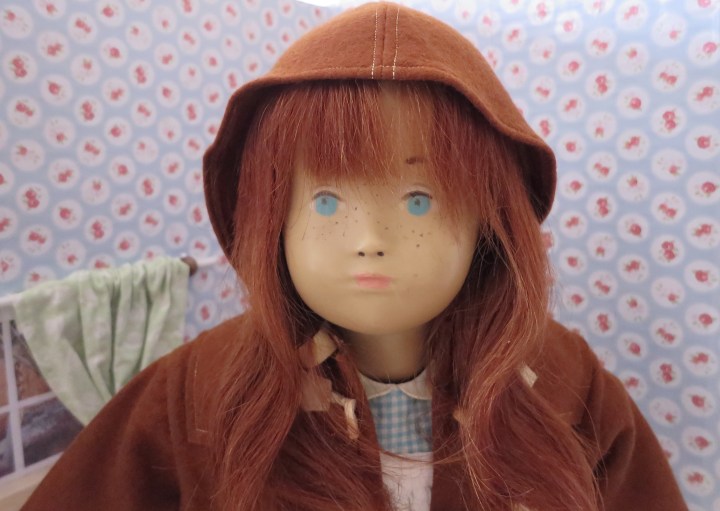
Inge Goldberg had red hair, blue eyes and freckles.

cci05112016_0002

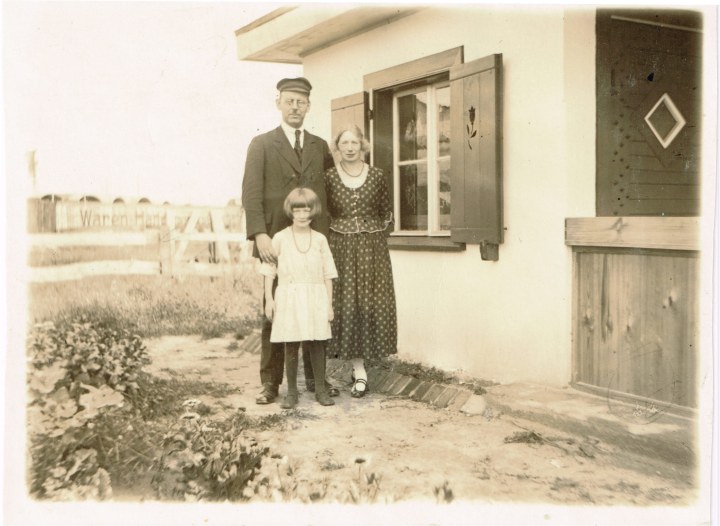
Above in this photo with her parents.

cci05112016_0001

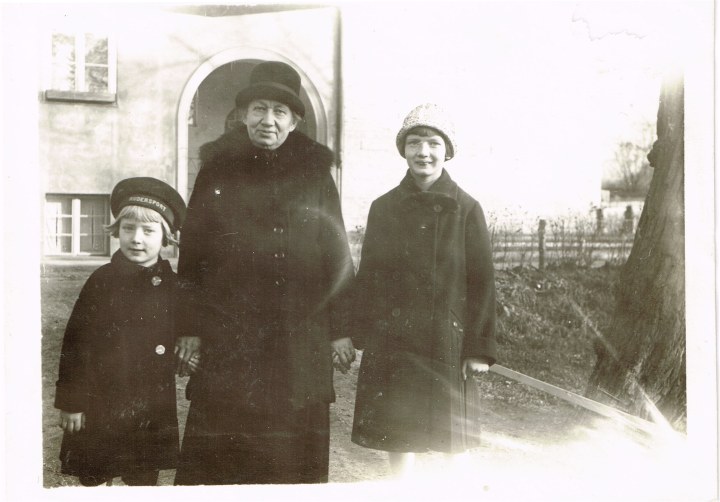
Above in this photo she is on the right and her sister Susanne is on the left.

cci02112016

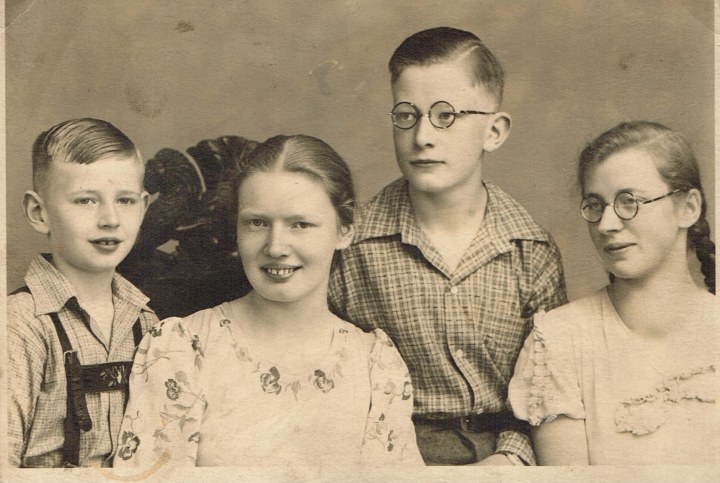
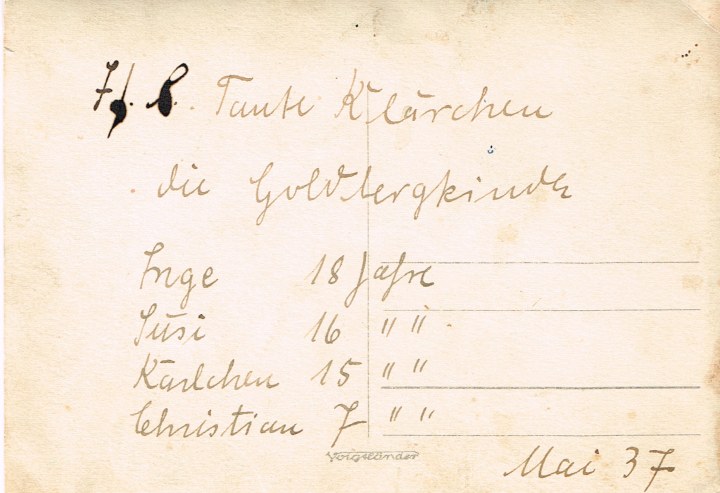
Above in this photo from left to right we have Christian, Inge, Karl and Susanne. The photo below is the back of this photograph which shows the children’s ages. Inge was 18 years old at this time.

cci02112016_0001

Below is my last photo of Inge

cci05112016

Inge studied interior design in Danzig (Gdansk).

In 1945 towards the end of the second world war the Russian army were entering Dansk and refugees were fleeing Germany.

Full-fledged panic is erupting in East Prussia in January 1945.  Tales of Russian revenge for the Nazi invasion of the “Motherland” spread like wildfire all the way to the Wilhelm Gustloff’s port in Gotenhafen’s Oxhöft Pier.  Hundreds of thousands of German refugees continue to stream in to the Danzig , hoping for safe passage to the West.

A major offensive launched by the Soviets in mid-January accelerates the exodus from East Prussia .  Many Ethnic Germans cut off from the Danzig by Red Army troops negotiate passage across the frozen Frisches Haff, a freshwater lagoon on the Baltic coast.  Soviet planes circle in the sky, bombing defenceless refugees.  Direct hits are not necessary – weakening the ice is enough to send families with their wagons and horses through to an icy death.  To the many refugees streaming toward ports in the Danzig , escape to the West is the only hope of avoiding certain suffering and death.

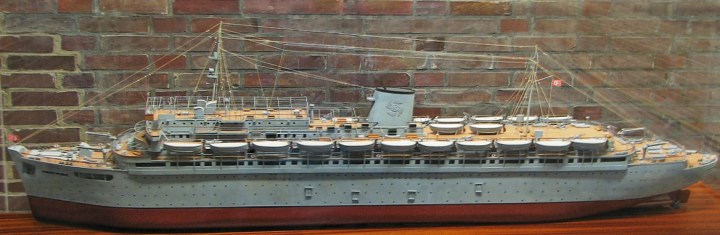
wilhelm_gustloff_modell_sx3_cropped

Above a model of the Wilhelm Gustloff ship

On January 22, 1945 , the Gustloff begins preparations to accept thousands of refugees.  There are also obvious challenges involved in getting the ship running properly.  With the exception of minor test runs, the Gustloff’s engines have not operated in over 4 years.

Ships of all shapes and sizes are assembled and prepared for sailing West.  Joining the Gustloff for the evacuation will be other submarine training ships such as the Hansa, Hamburg. Unfotunately the Hansa Hamburg developed engine trouble and was unable to escort  the Gustloff ship.

The scene in Gotenhafen is panic-laced chaos.  Thousands and thousands of refugees – mostly women and children – jam the harbour.  You won’t find too many able-bodied men.  Those who can fight the Russians have already been procured for duty (feared SS Stormtroopers patrolling the crowds ensure none are overlooked).  Many are not well – having endured bitter cold and long distances by carriage or foot in unforgiving January weather.  Thousands do not make it to the Danzig ports.  Unimaginable death litters the roadsides and in places like the frozen Frisches Haff lagoon.

Despite the mass of pulsating humanity on the docks, boarding the Gustloff is relatively orderly in the early stages.  Armed sentries guard the gangways to keep out those without priority or privilege.  The ship’s printing press, once used to create colourful cruise agendas, now cranks out the coveted “ Identity Pass ” that allows access to the Gustloff.  The precious piece of paper with the Gothic type offers hope.

As expected, the first right to these passes is provided for the U-boat officers, crew members, and a few hundred members of the Women’s Naval Auxiliary (some members of which are accommodated in the drained swimming pool).  Wounded soldiers arriving by train are also given priority.  “Privileged” refugees then get their turn.  The first ones to receive passes are those with “connections” – to family and friends on board, or to those with local influence.  Of course, those with money attempt to buy them.  We will never know how many underhanded deals are made.  One thing is sure: as more and more privileged board, tension and envy mount in “ordinary” refugees crowded around the gangways.

Inge was a Marine Helper and was placed in he drained swimming pool area of the ship.

With less than two days until the ship until departure, 10 of the 22 lifeboats are missing.  After over four years as floating barracks, lifeboats have gradually disappeared fromtheir davits – requisitioned for other duties in the harbour such as creating smoke screens to obscure Allied air raids.  Hastily, 18 small boats are hoisted on and secured to the sundeck.  Numerous life rafts are added in strategic places around the decks.  Anti-aircraft guns are affixed to the deck to offer token protection – Luftwaffe control of the skies a distant memory.

According to an official list, only three thousand refugees are already loaded onto the Gustloff by the morning of January 30th, 1945 (they have stopped counting).  As it becomes more certain the ship will sail on this day, more crowds rush the gangways.  Mothers and children become separated.  Children and infants are handed to those going on board.  In terrifying manner, shoving on gangways throw some children overboard – disappearing into the ice cold water between the dock and hull.  Small boats pull up along side filled with mothers and children begging for a spot on board.  For some, persistence is rewarded as nets and gangways are lowered to take more on board.

On this bitter cold grey day in Gotenhafen, scattered with snow and sleet, exact numbers of those aboard will never be known.  By the time the Gustloff is ready to leave port, well over 10,000 anxious evacuees are crammed aboard the ship.

Within 9 hours, 3 torpedoes will hit the Wilhelm Gustloff.  It will sink to the bottom of the Baltic Sea , taking over 9,500 souls with it.

Below deck, thousands of passengers attempt to settle in to their assigned areas for the journey.  Last minute arrivals carve out any reasonable living space they are lucky to find.  Every possible space on the ship is occupied.  All are instructed over the loudspeaker to wear the lifejackets provided to them.  Under no circumstances are they to remove them.  Above deck, wind, snow and hail pelt the Gustloff.  The seas become rougher as the Bay is left behind.  Seasickness begins to set in for many.  Unable to relieve themselves overboard, on board toilets become clogged and the stench nauseating.  Even so, for many it is a small price to pay for the hardships endured recently.

On board the escape ship, cheerful music resumes its tinny resonance from the ship’s speakers – accompanied the whimpering of discontented children and adults alike.   On the bridge, there is a cautious sense of relief among the four captains now that they’ve reached the Stolpe Bank.  They share a sentiment that the most dangerous waters in the journey are behind them.  In addition to their first meal since departure, a round of cognac is poured to toast good fortune.  Captain Weller remains on duty on the bridge.  And then…

At 9:16PM , the first torpedo strikes the front of the ship, blowing a gaping hole in the port bow.  Moments later, the second hits further astern where the swimming pool is located.  Finally, the third scores a direct hit in the engine room below the funnel.  Passengers and crew are thrown off their feet with the thunderous booms.  Those near direct points of impact are practically vaporized and perhaps spared the ensuing panic and suffering.

Upon first reports of damage, the watertight doors are ordered shut to seal off the forward part of the ship.  Unfortunately, this area contains the crews quarters.  Many off-duty crew members (especially those trained in lowering lifeboats and emergency procedures) are sealed to their doom.

The scene of the second torpedo impact is greatly distressing.  The drained swimming pool (and cabins in the immediate area) had been makeshift accommodations for many of the Women’s Naval Auxiliary.  The torpedo blast creates airborne missiles out of splintered tiles which just moments before decorated the pool area with lavish mosaics.  Girls in the direct area are cut to pieces by flying tiles and twisted metal.  For the first time in years, water rushes in to the pool.  But this time, floating corpses, body parts and empty life jackets swim in its water.  Only two or three of the 373 girls are able to escape.

With that, the total number of survivors rescued number approximately 1,230.  Over 9,000 go to their deaths – trapped at the bottom of the Baltic or floating frozen on its unforgiving surface.

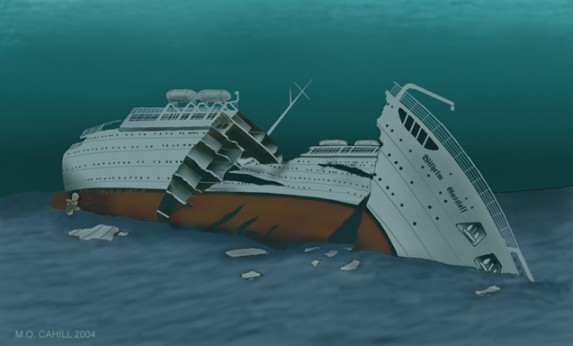
Today, the wreck is officially designated as a grave site and is off limits to divers by order of Polish authorities.

forgottenship

Above an image of the wrecked ship

Inge Golberg perished on this ship at the age of 26, such a tragic loss especially to her family and younger sister Susanne.

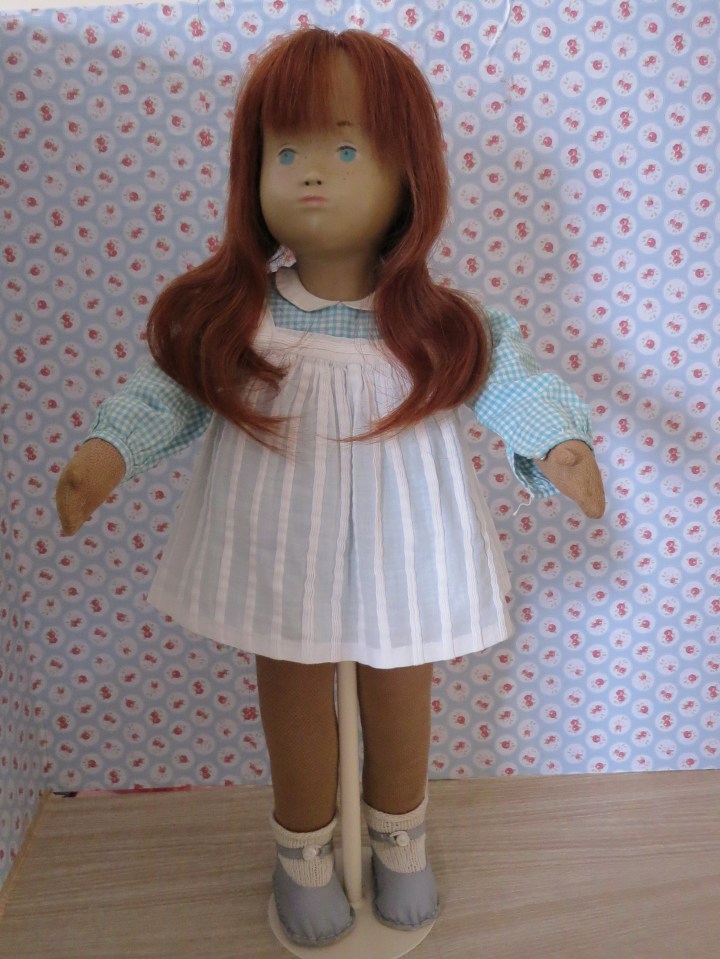
In the 1960’s Susanne’s  mother had a studio doll made in Inge Goldberg’s likeness with  Red hair, Blue eyes and Freckles. The studio doll was given to Susanne as a gift from her mother in memory of her older sister Inge.

The doll is called Inge and now lives with me.

img_1846

img_1819

img_1817

 img_1822

img_1821

img_1838

img_1824

img_1833

img_1825img_1836

Inga’s freckles go right up into her brow. Her outfit is all original and she is a B11 type face with cloth body. She is in excellent condition having been looked after very well by her original family.

img_1837

Inge is wearing her new shoes from Brigitte.

img_1843

I would like to thank Uli Goldberg who was Inge Goldberg’s Nephew and son of her brother Karl for all the photos and information he and his 90 year old mother were able to tell me about Inge Goldberg.

her memory will live on forever in this wonderful studio doll Inge.

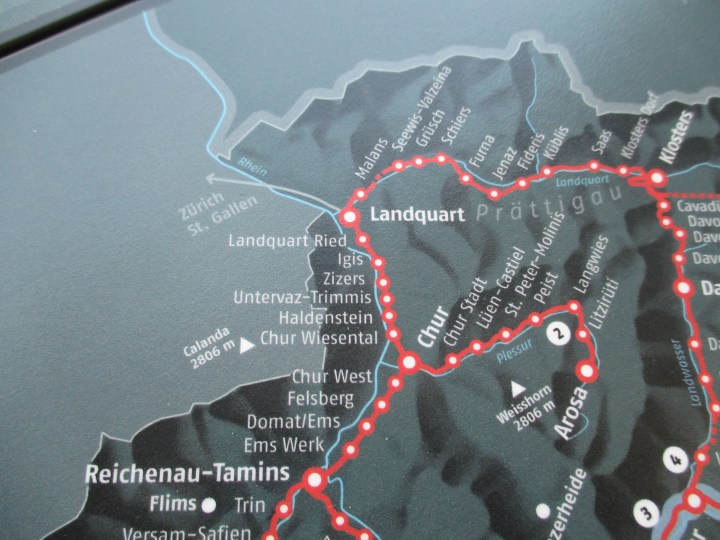
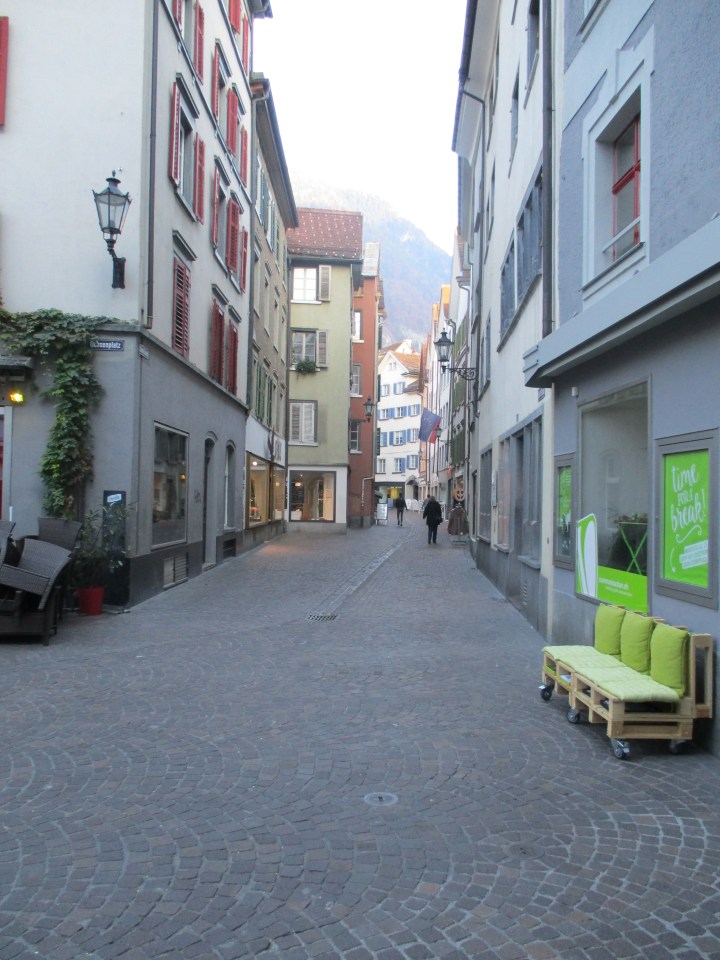
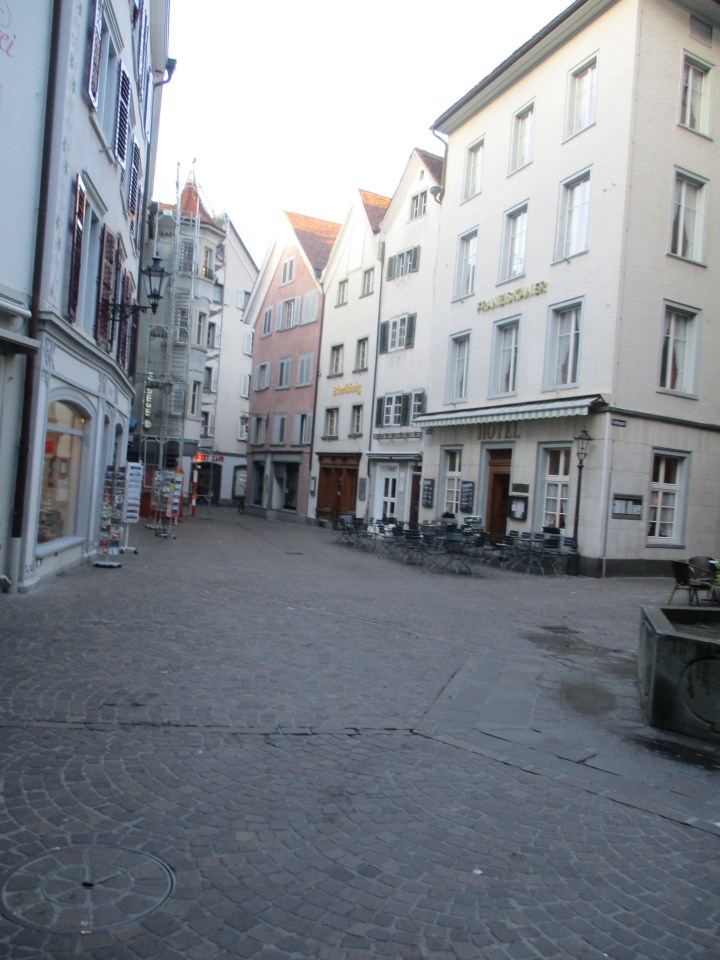
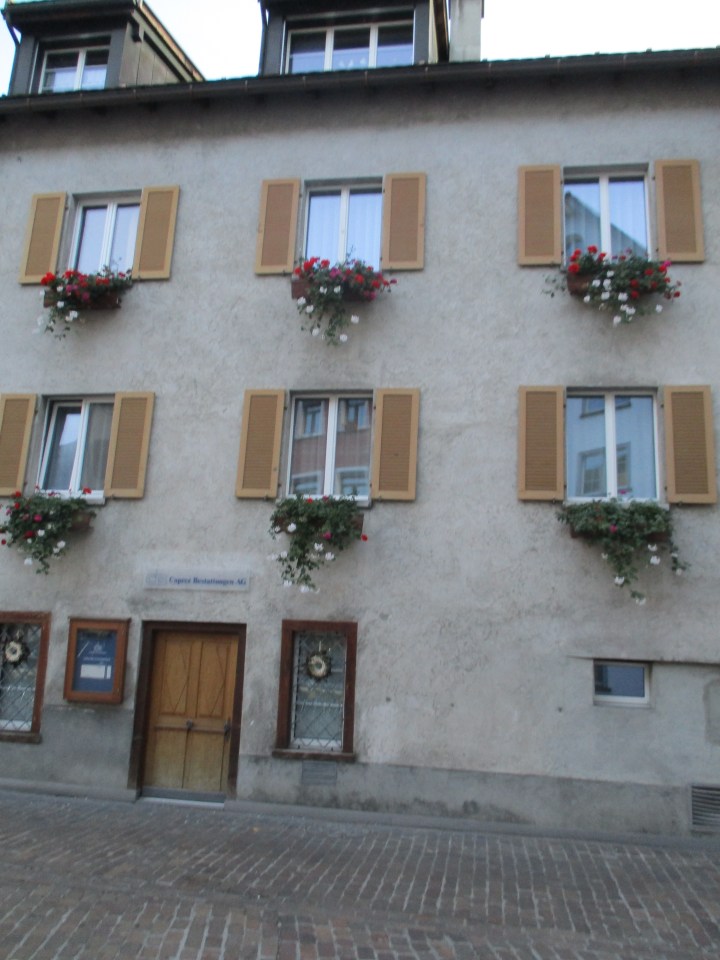
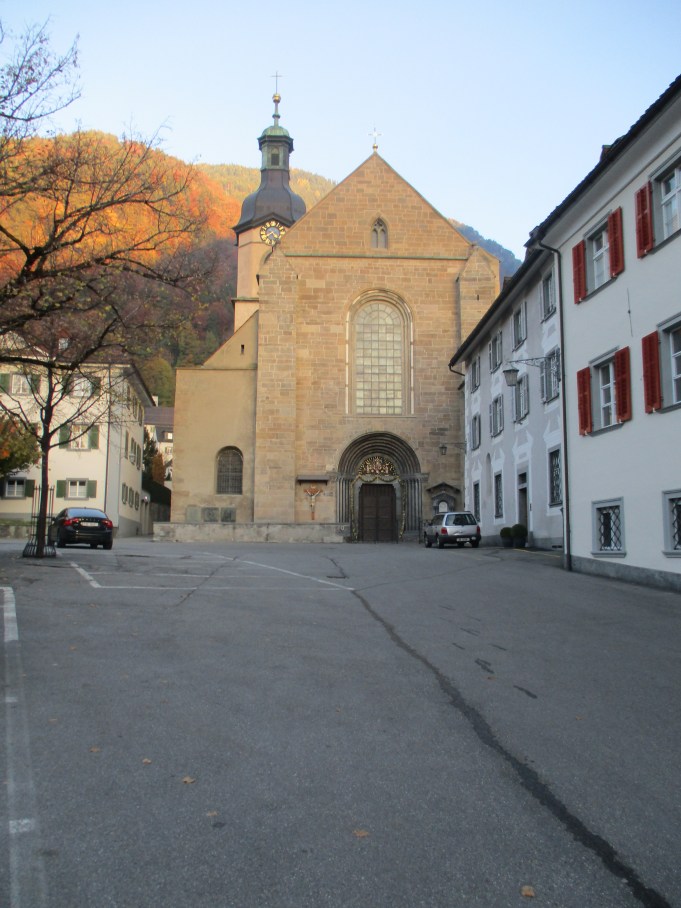
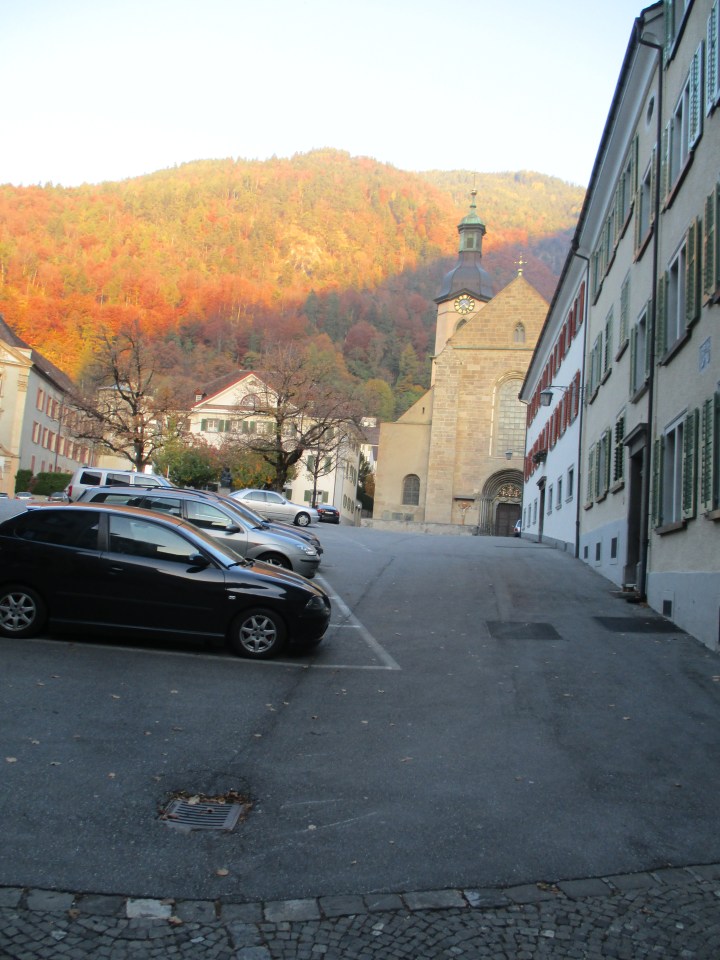
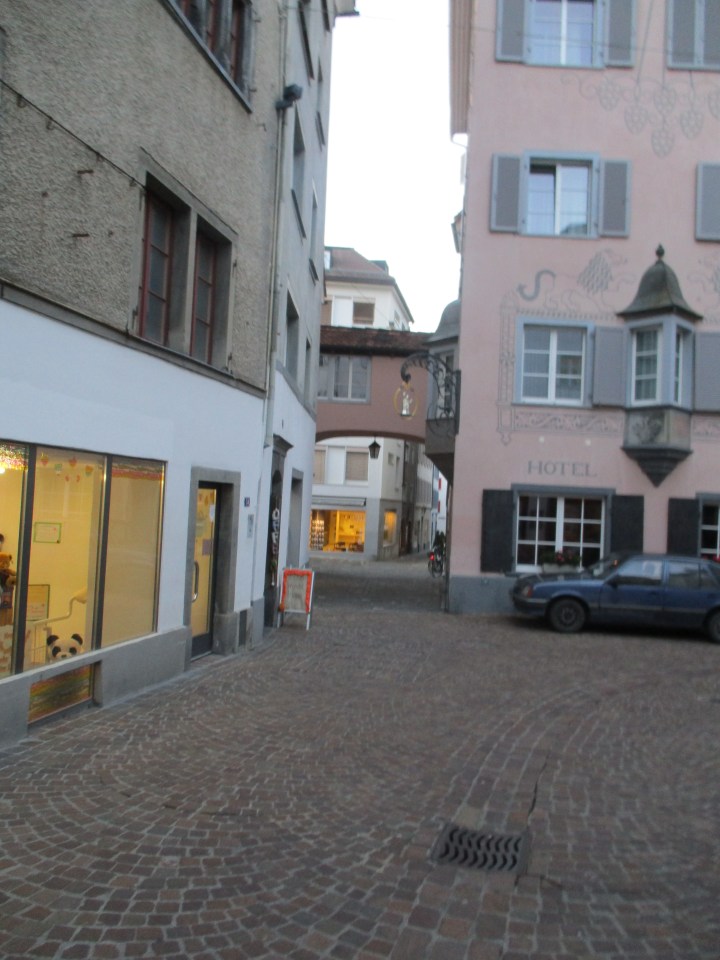
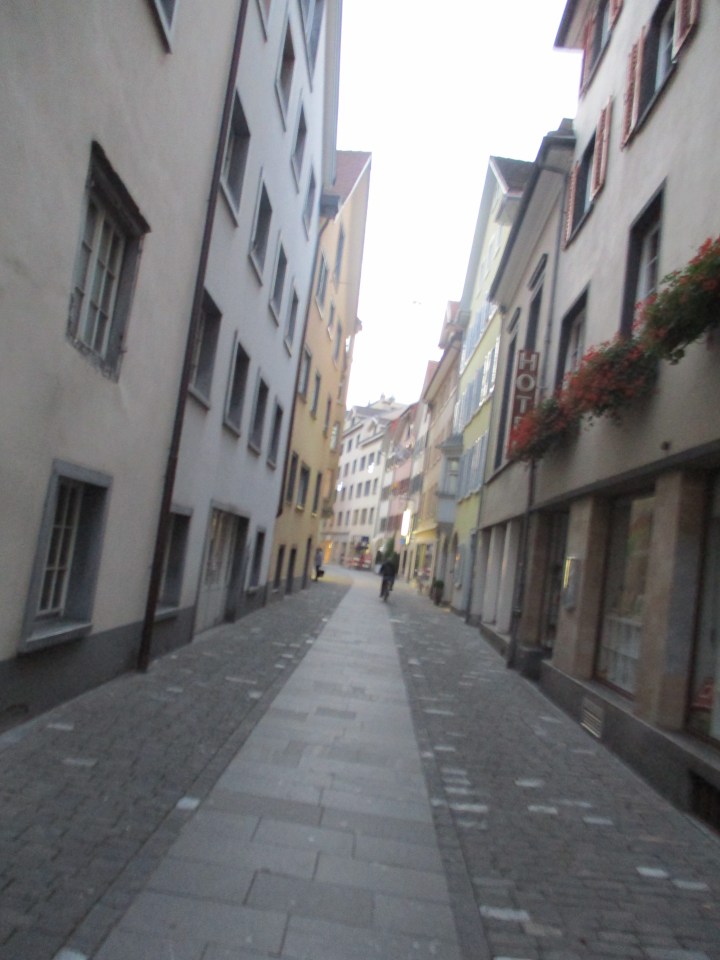
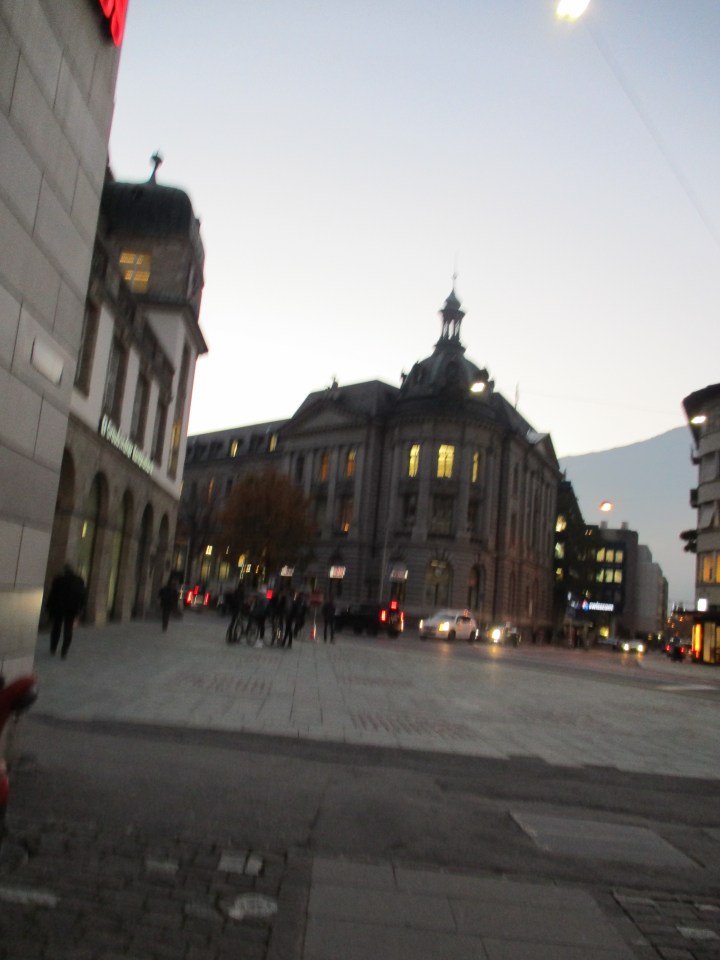
The day before I headed home to England Brigitte took me on a trip to the Old Town of Chur

img_0836

A short ride on a train and we were there.

img_0838

img_0839

img_0845

A wonderful view of the river that runs through the town.

img_0849

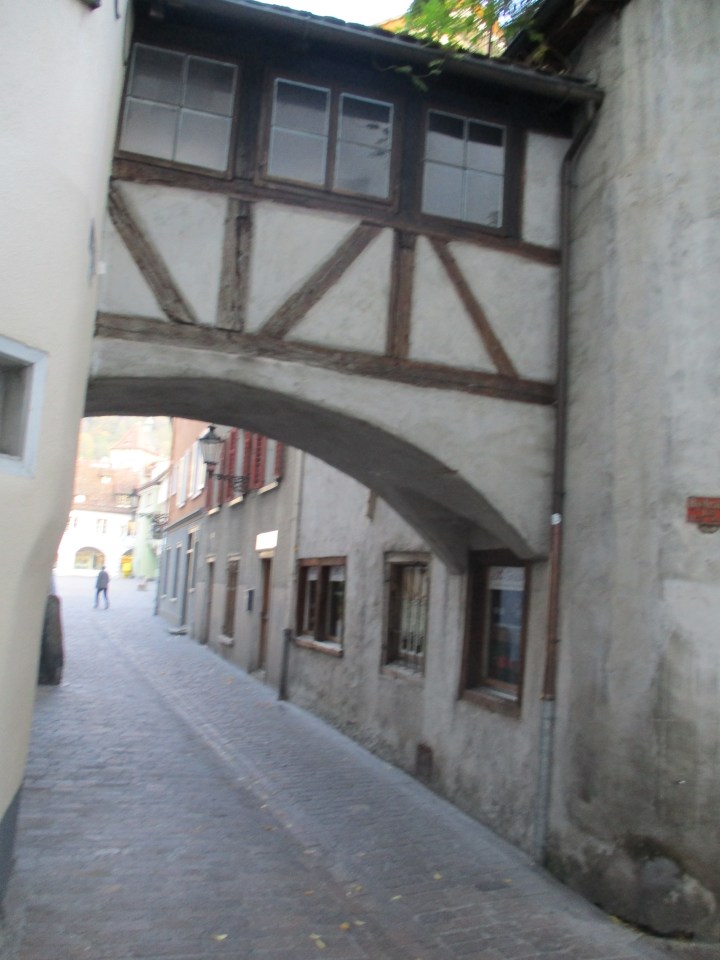
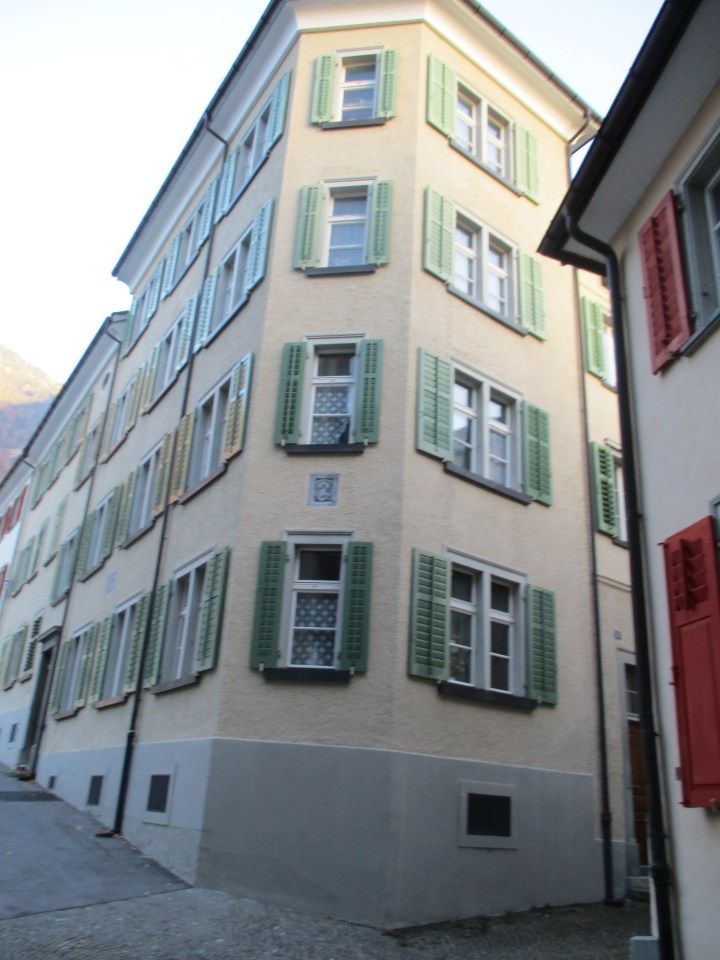
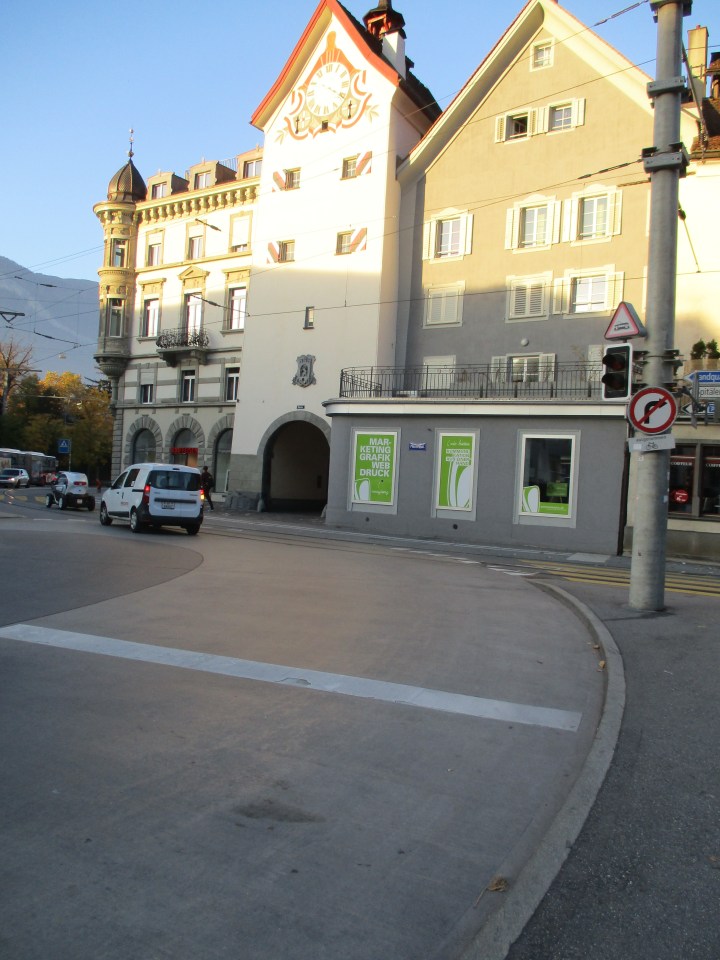
Above is the entrance into the Old Town of Chur.

img_0850

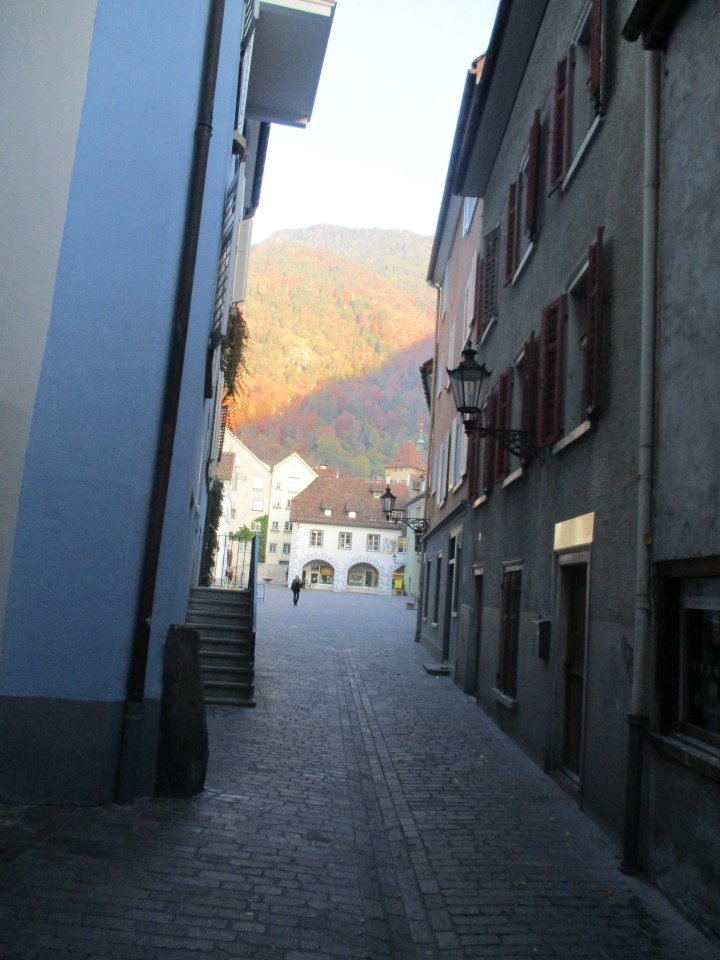
Enter under the arch into a different time of cobbled streets and beautiful buildings.

img_0851

img_0852

img_0853

img_0854

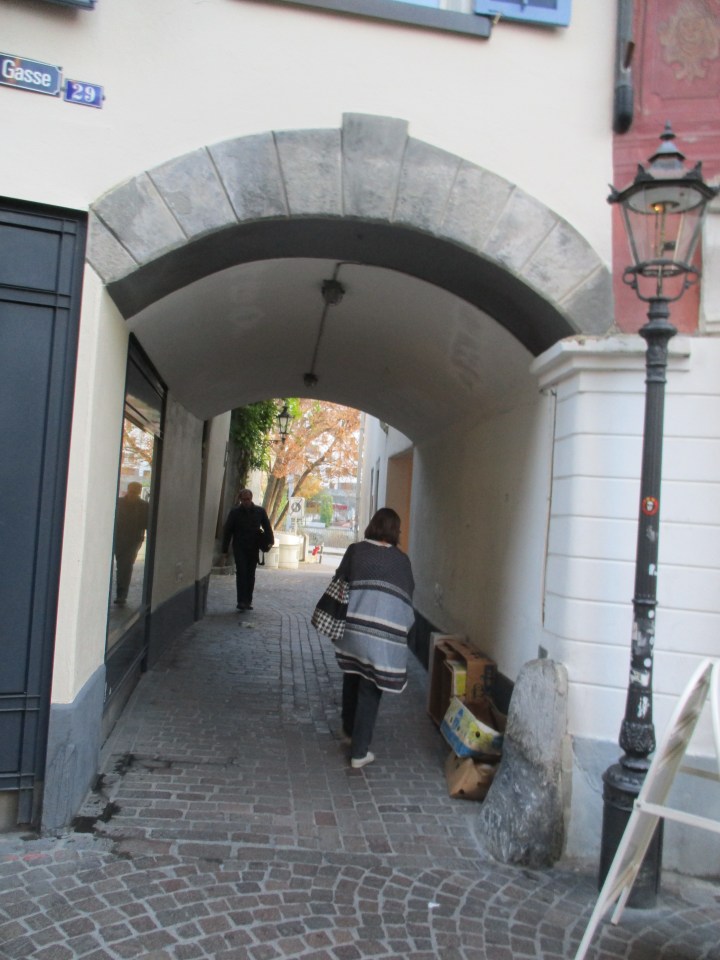
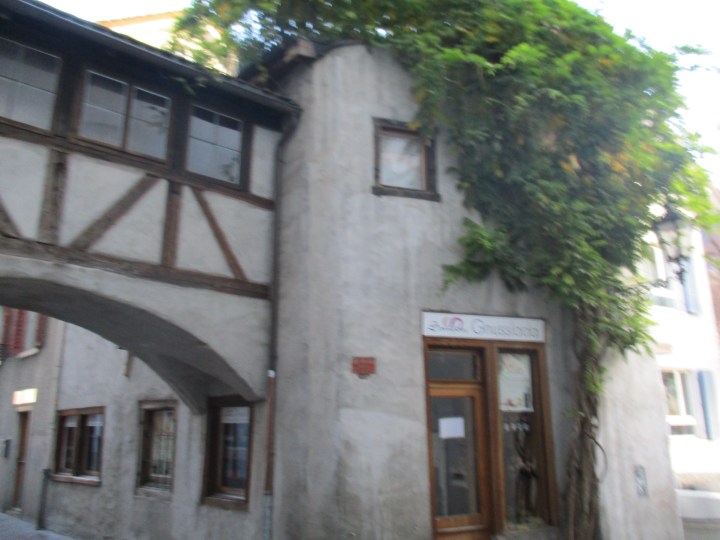
Under another archway to some very old and charming building’s

img_0855

img_0856

img_0857

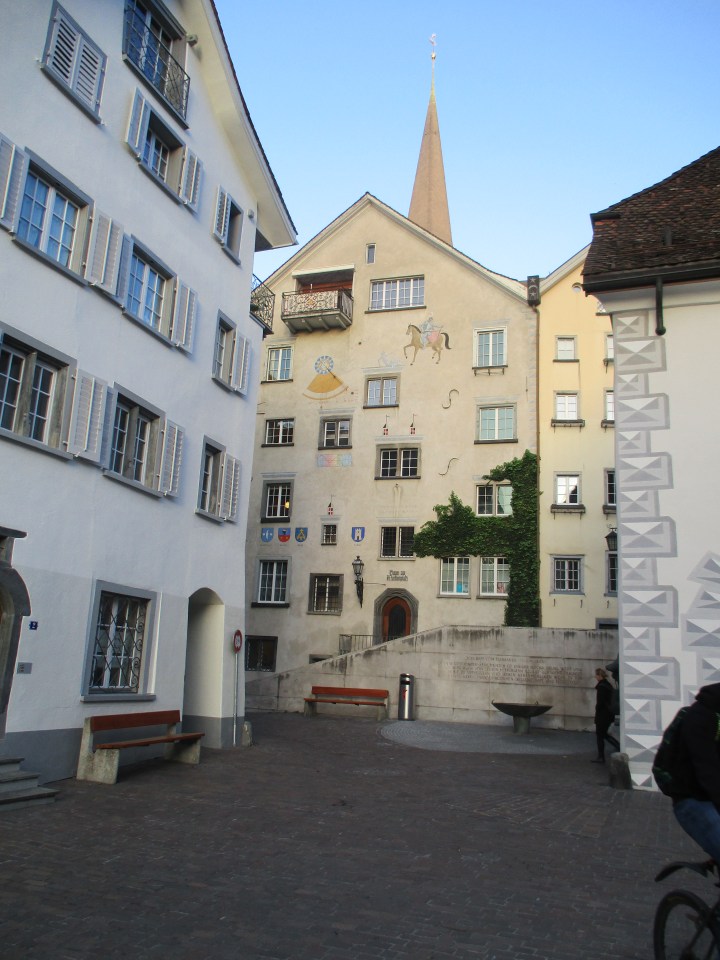
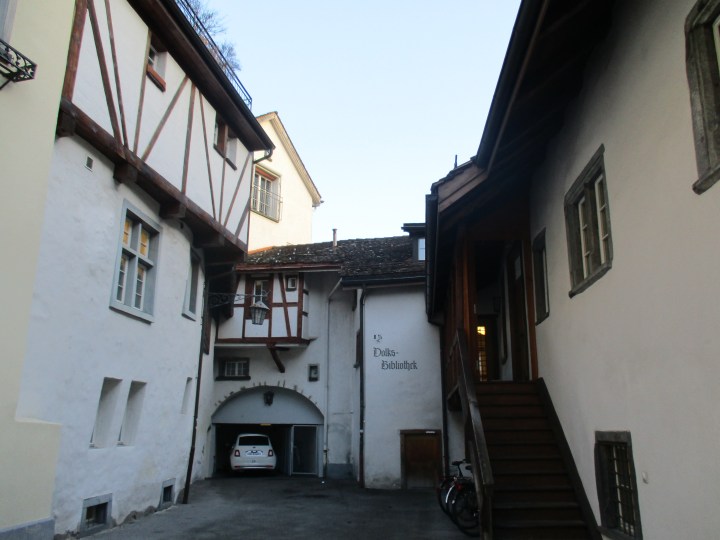
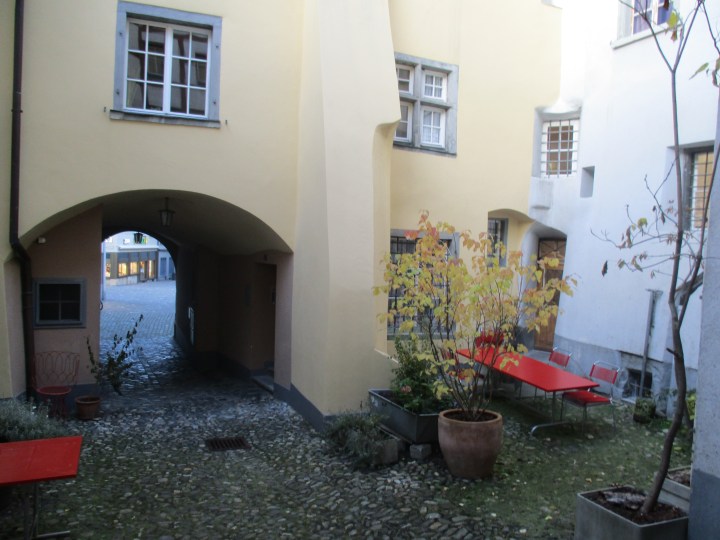
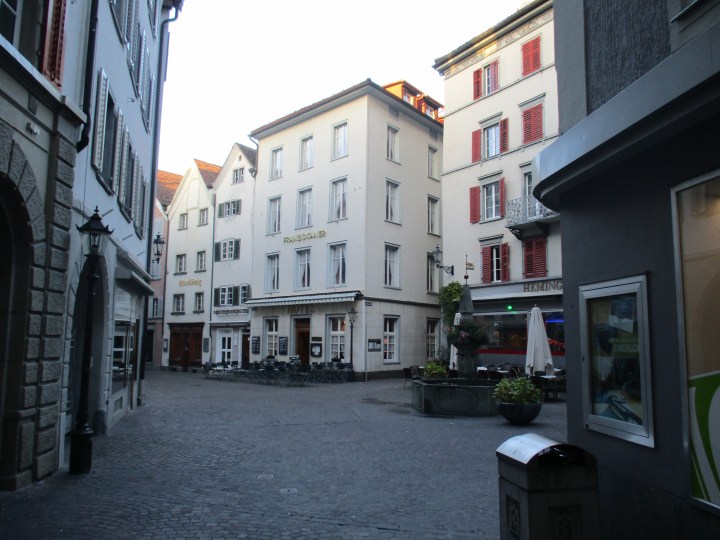
Into the wonderful court yard

img_0858

img_0860

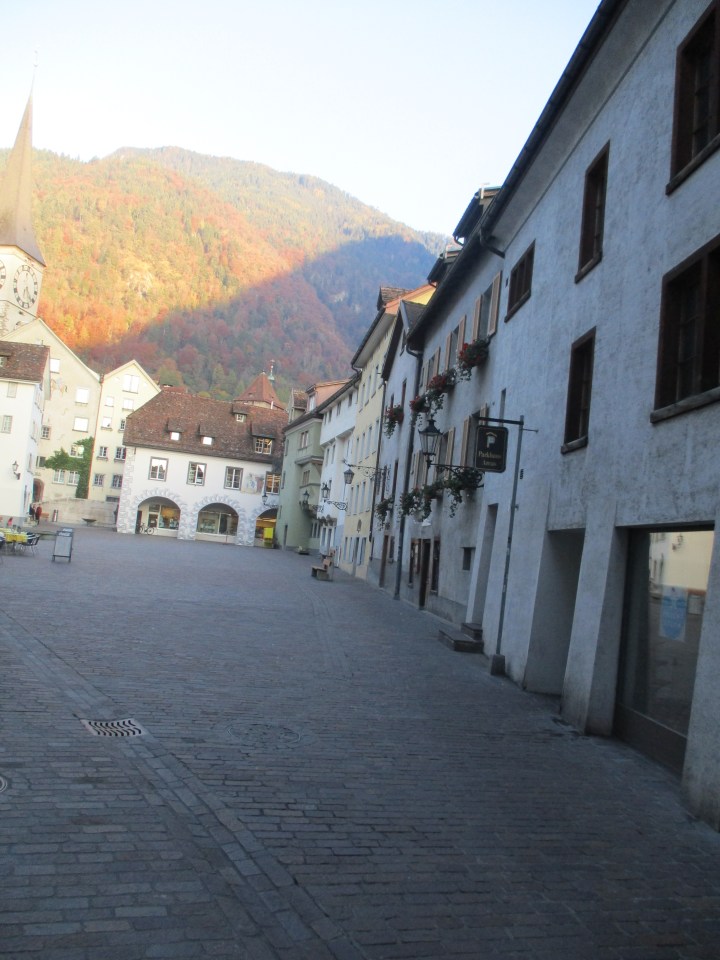
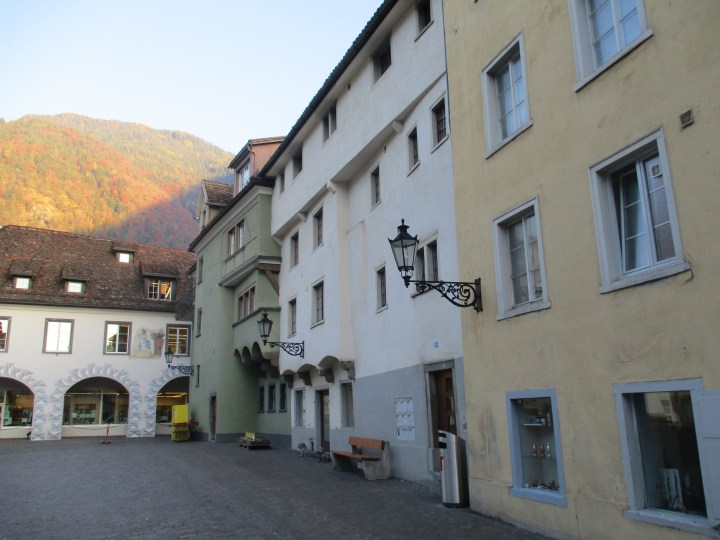
Above: If you look in front of the buildings on the right hand side of this photo on the floor. It is possible to see 3 rows of bricks outlined on the floor. This would have been where houses once stood creating a small alleyway in between the houses. The houses that stood there were demolished and the area is now where a market is held.

img_0861

img_0863

Above: The old gas lamps still remain but they have been changed to electricity.

img_0864

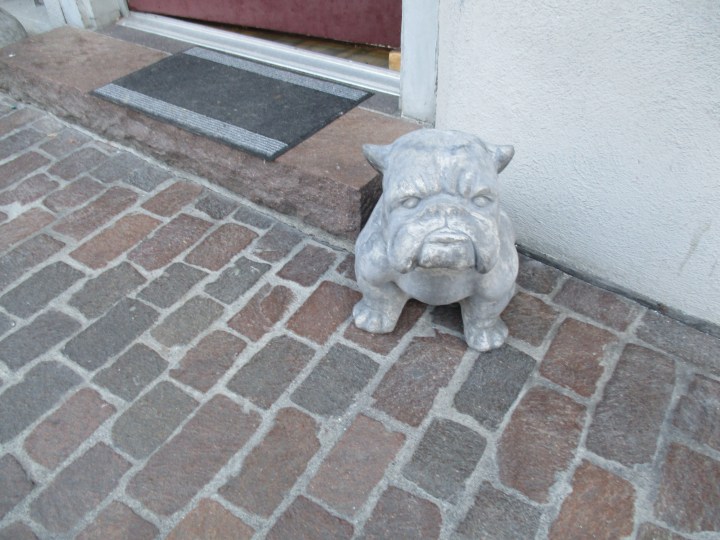
This little fellow reminded me of a British Bulldog

img_0865

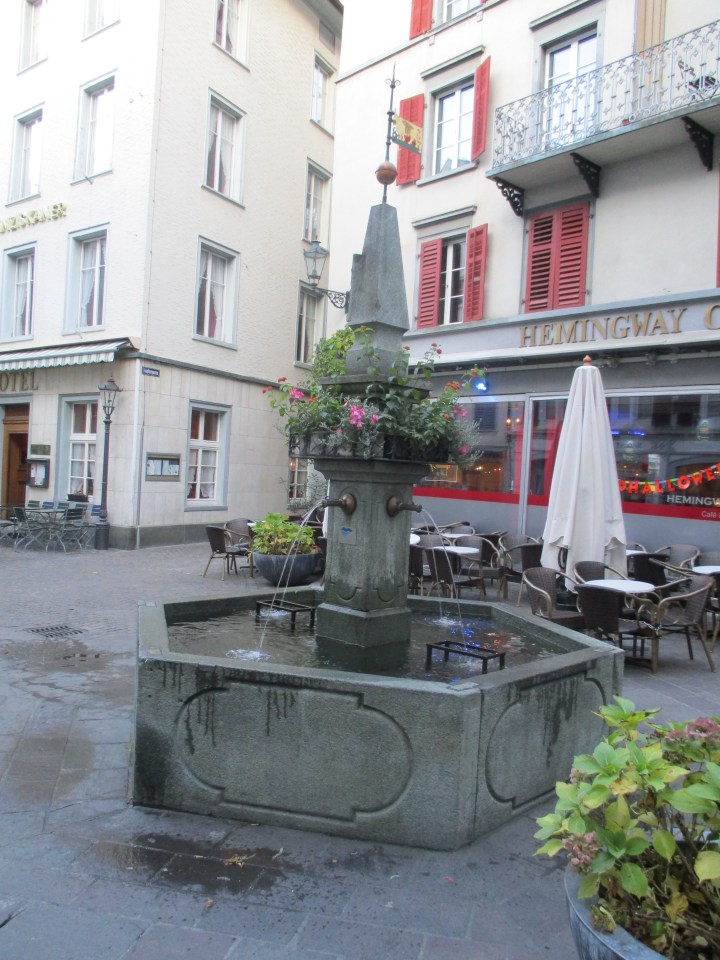
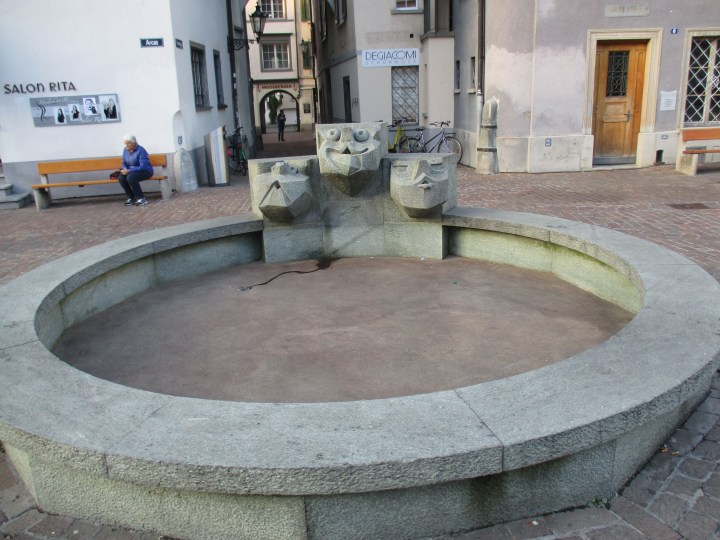
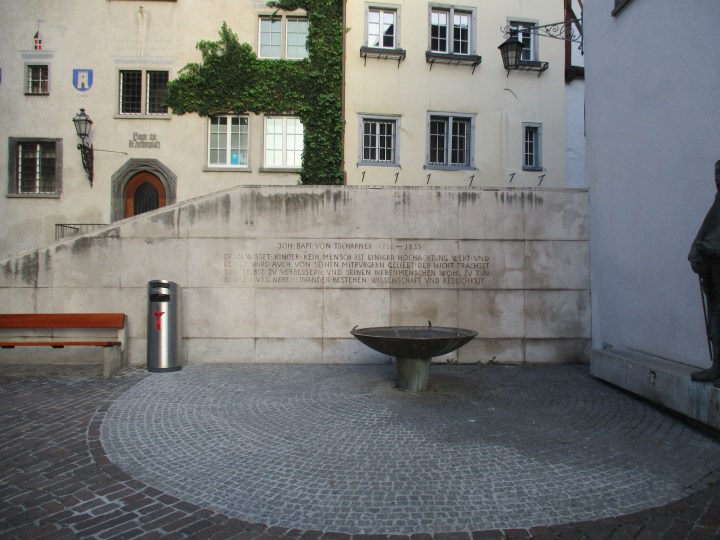
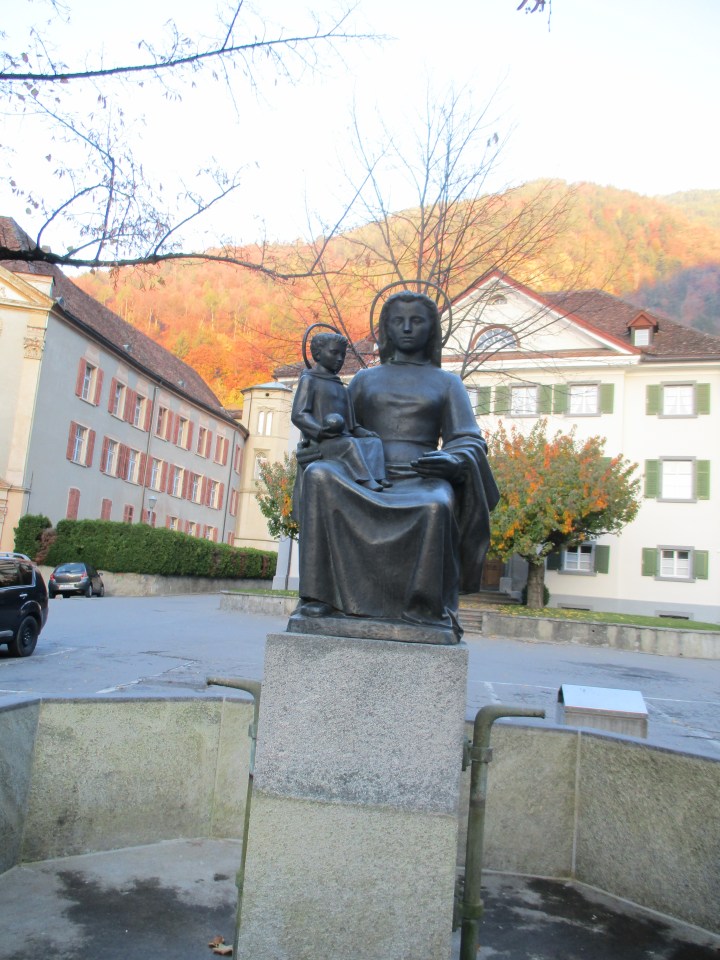
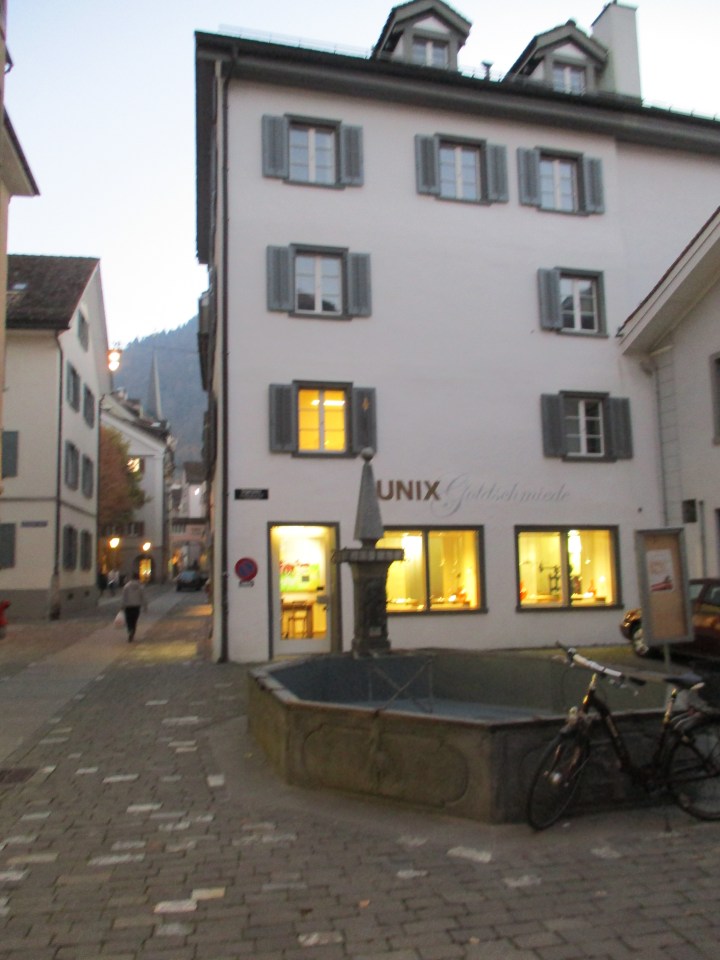
A rather amusing fountain

img_0866

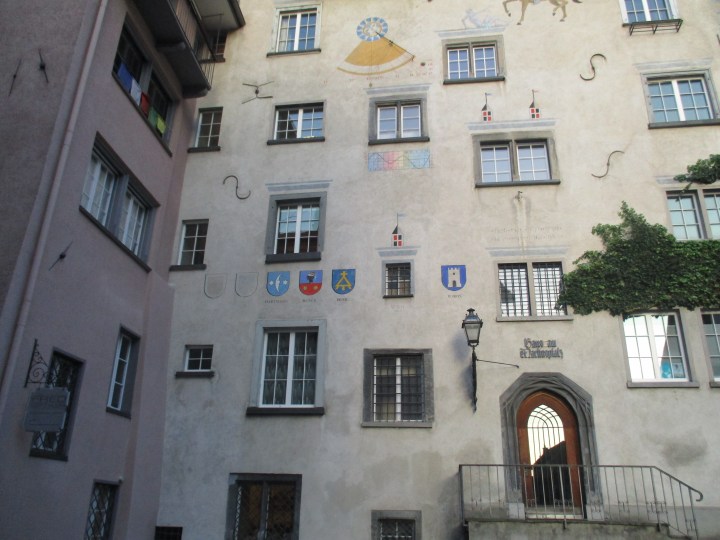
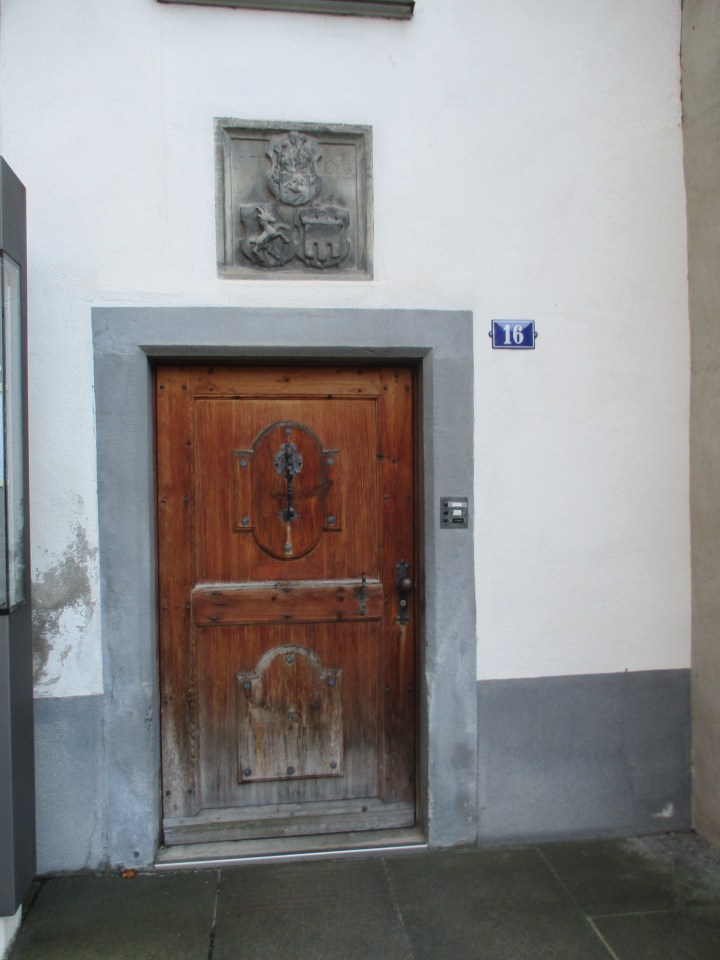
Above: The same family had lived in this house for generations and their family crests adorn the walls.

img_0867

img_0868

img_0869

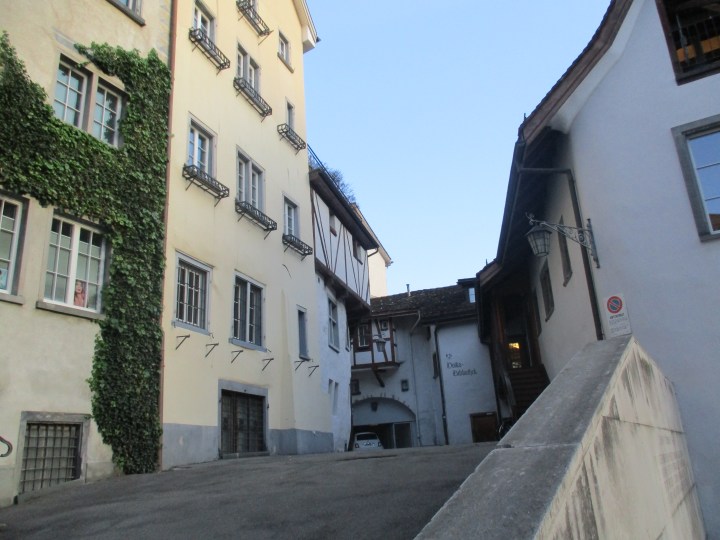
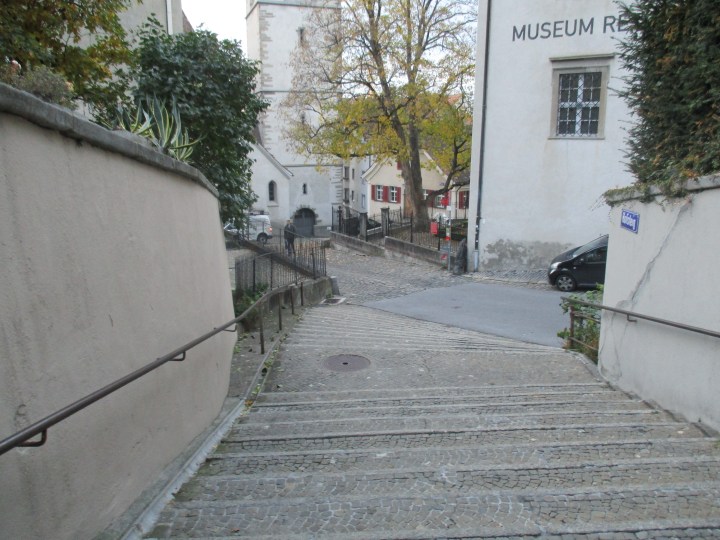
Up the slope we went

img_0870

img_0872

img_0873

The Bärenloch, or “bear hole”, is one of the most enchanted places in the city of Chur – and at the same time one of the best preserved parts of the Old Town. The origin of this name, given to the two interior courtyards between Arcas Platz and Kirchgasse, is unknown – yet it is an appropriate description all the same. However, in ancient documents the dark Bärenloch is referred to as “curschellas”, a late Latin term simply meaning “small courtyard rooms”. Indeed, the two rooms still seem small and cramped to this day, thus making the Bärenloch a good example of the living situation in late Medieval Chur.

It is said that Bears were captured and kept here.

img_0875

img_0874

img_0876

img_0877

img_0878

img_0879

img_0881

img_0882

Once out f the other side we made our way up the hill. encountering many more beautiful buildings  along the way

img_0883

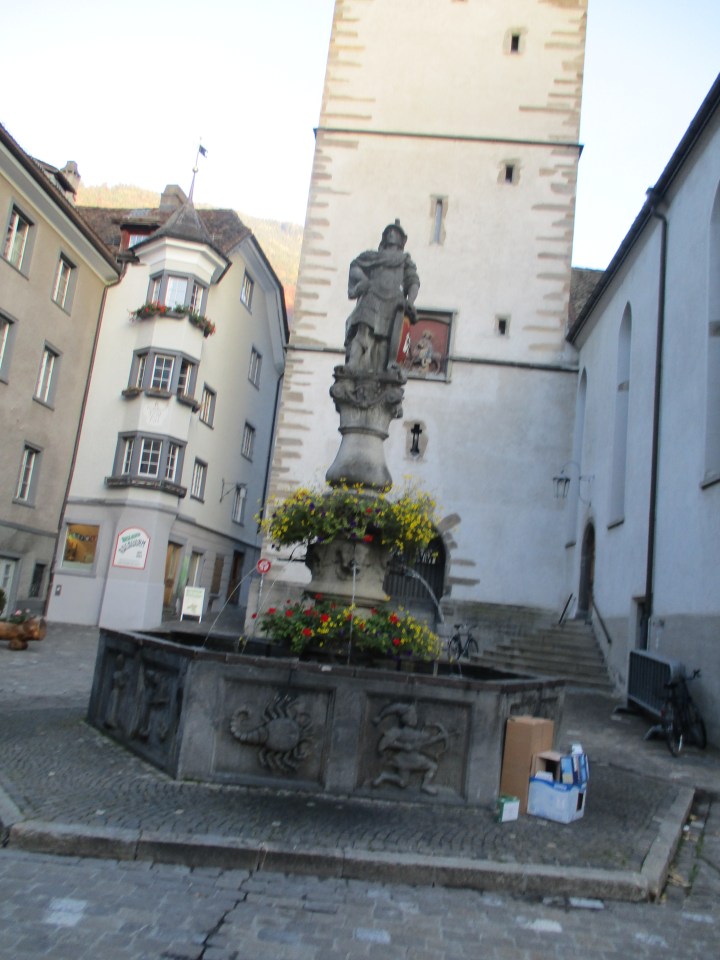
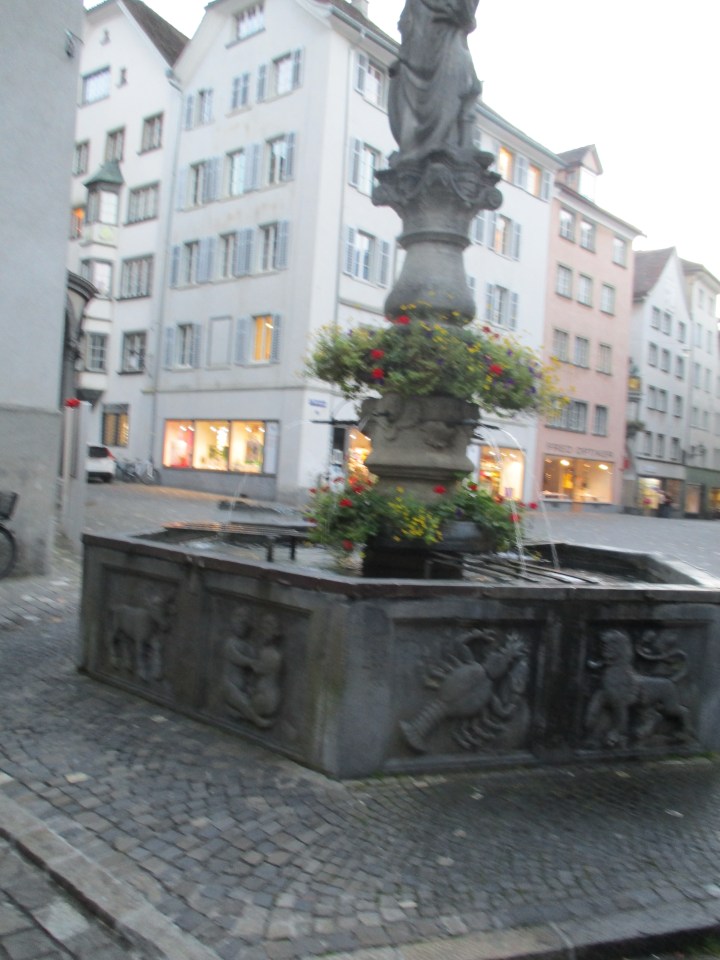
The St. Martin’s square lies in the oldest part of Chur, midway between the two towers, the Obertor and the Untertor, thus forming part of the historical north-south route through the inner city. It is dominated by the Kirche St. Martin. The Martinsbrunnen dates from 1716. Its basin is adorned with signs of the zodiac. Apart from the sign-holder and the columns, the fountain is still in its original state.

img_0886

img_0928

Below:

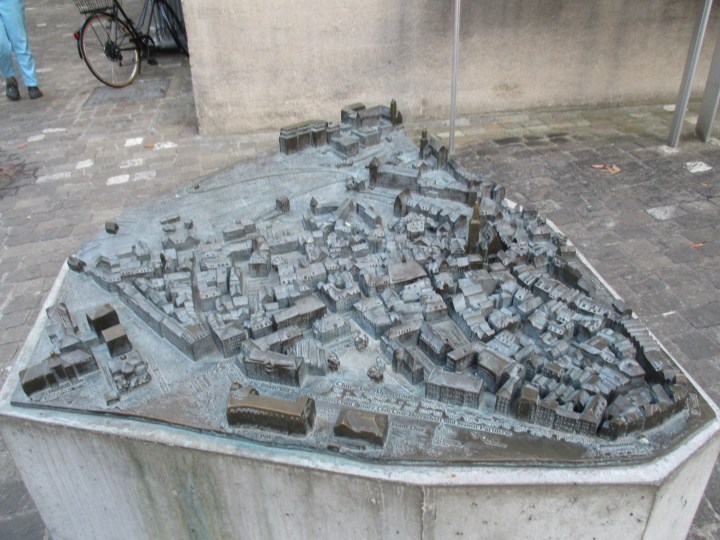
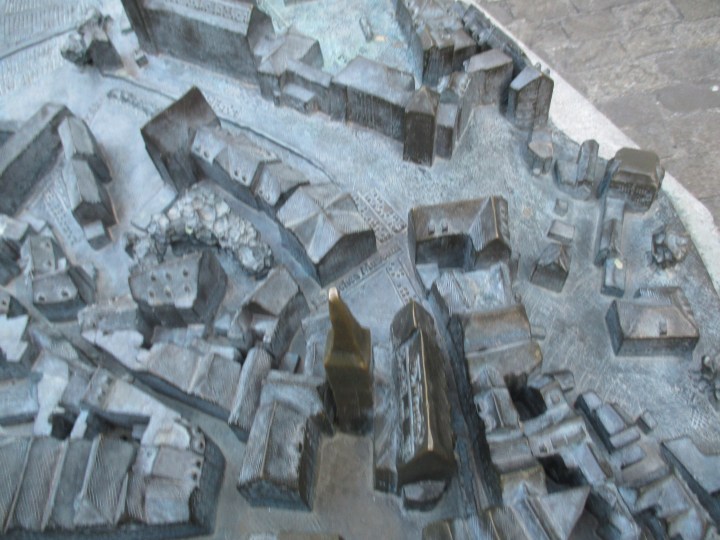
The oldest city in Switzerland can be experienced through touch due to the historic centre tactile model. The model helps people who are blind and vision-impaired to get an idea of what the Chur historic centre is like. At the same time, it is a useful tool for city tours and an attraction for children. The bronze model is located in the Chur city centre on Martinsplatz. The 1:500 stands on a concrete base and is also accessible to wheelchair drivers. The names of the most important buildings are in letters and in braille for the blind.

img_0889

img_0890

img_0896

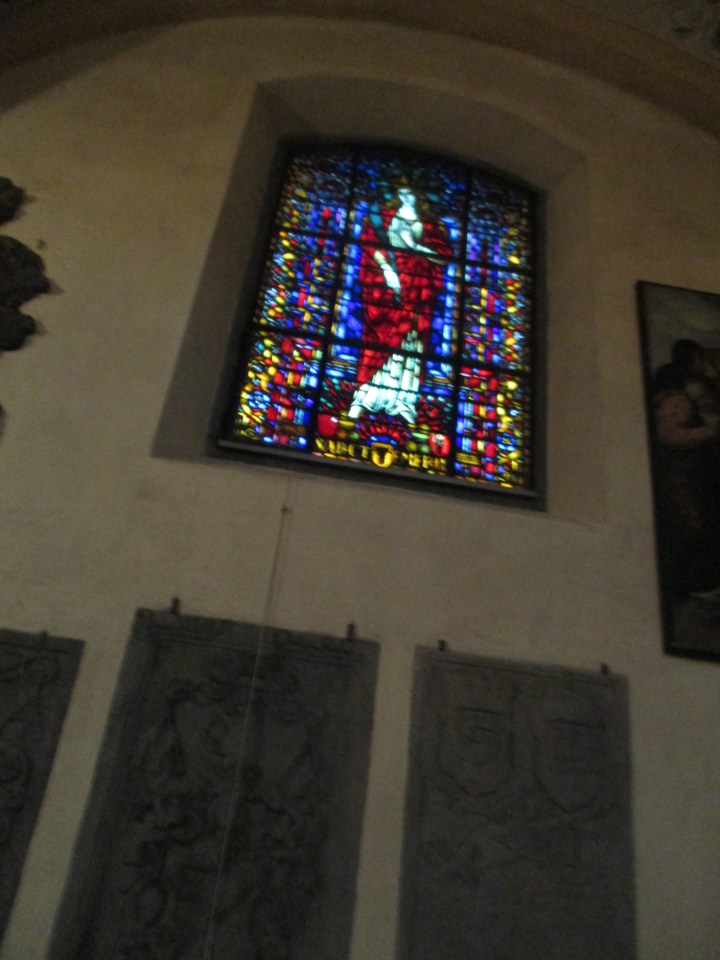
St. Martin’s Church was originally a Romanesque church built in the 8th century and consecrated in 769 AD. It was named after St. Martin, Bishop of Tours. The church was largely destroyed during the great fire of 1464. It was rebuilt in late Gothic style and reused parts of its Carolingian predecessor. Construction was completed in 1491 and it is the largest late-Gothic building in Graubünden. This church in the Old Town was a centre and base for the Reformation in Chur from 1523. Since 1919, the three glass windows by artist Augusto Giacometti have been a special feature of this church. They depict the Christmas story.

img_0898

We were about to enter the Catholic area which at one time had been completely walled off from the rest of the town.

img_0925

img_0894

img_0892

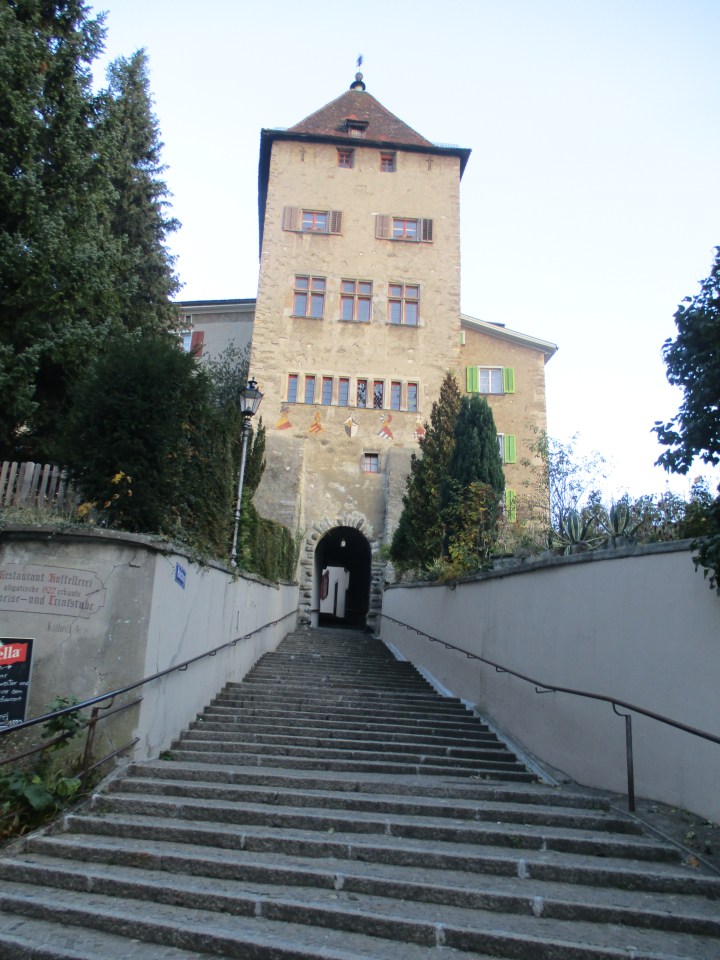
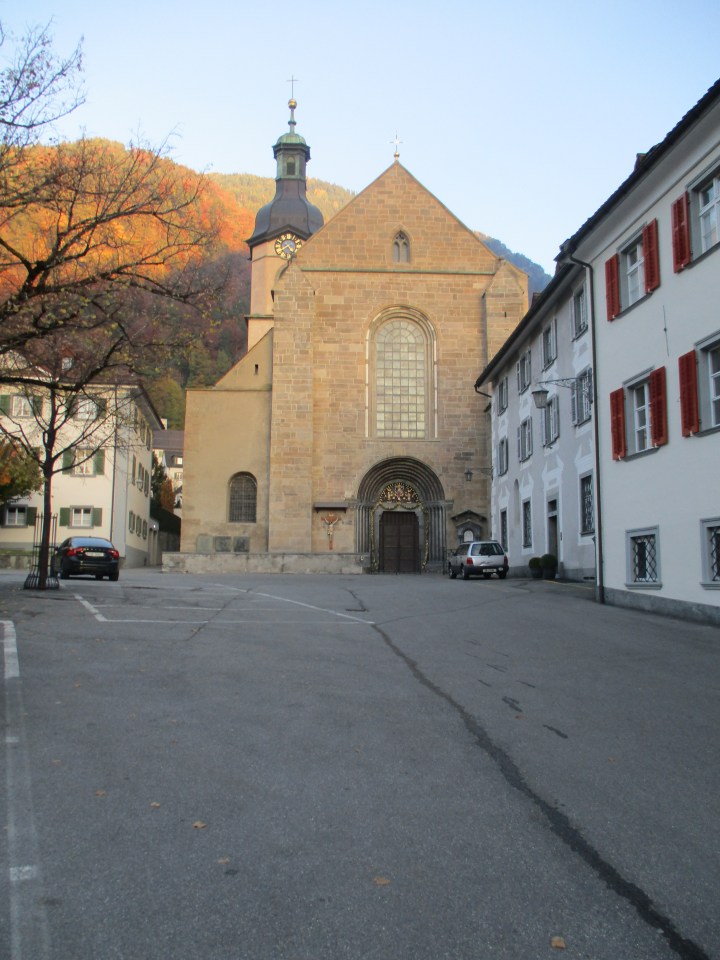
The fortifications surrounding Chur’s Episcopal Courtyard make it look like a miniature town, high above the city. In the centre of the courtyard stands the late Romanesque cathedral, which was finally completed in 1272 after a construction period lasting over a century. Built around it are the Episcopal Castle and the canons’ houses.img_0901

img_0902

img_0903

img_0899

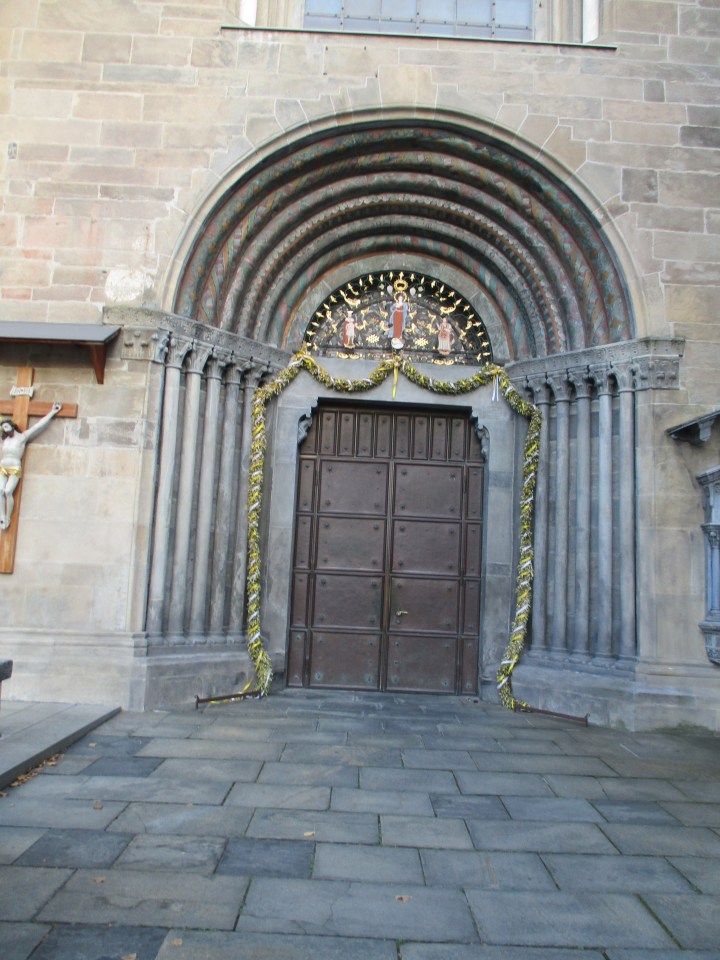
Below the door to the Bishop’s residence.

img_0905

Below:  The Cathedral of Mary’s Ascension is the focal point of Chur’s Bishop’s Court. This diocese dates back to late Roman times, making this the oldest still functioning bishopric north of the Alps.

img_0901

img_0904

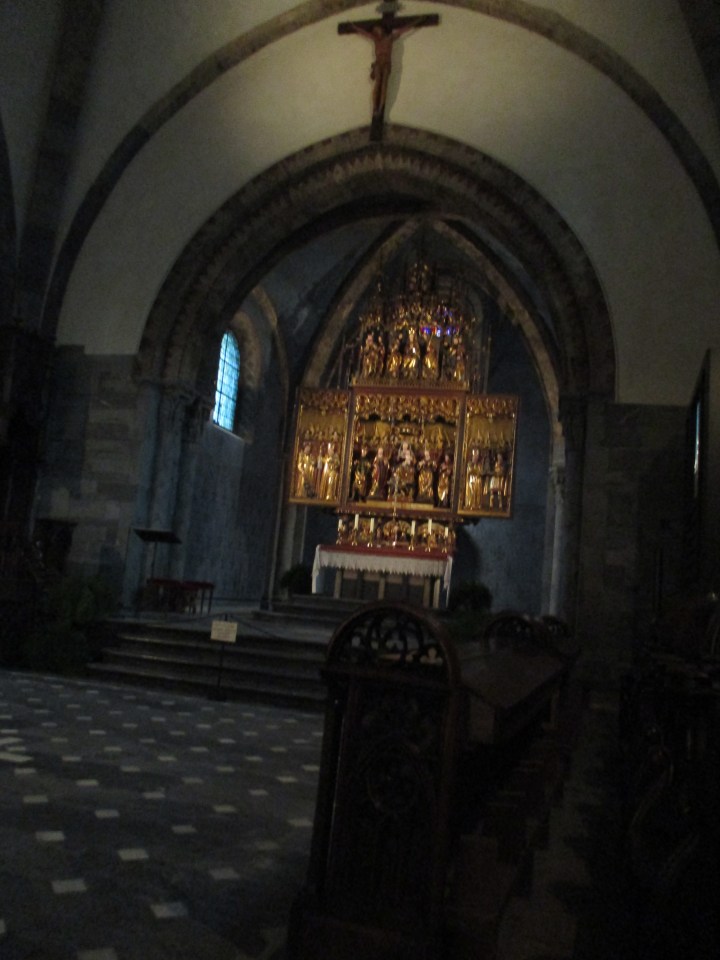
During the Protestant Reformation, the Catholic church and its adherents were exiled within this court for 300 years, conducting their lives and worship entirely cut off from the rest of the city. In the 19th century more tolerant views prevailed. The cathedral itself was founded in 1151 and bears a mixture of architectural styles, primarily Romanesque. Its grey stone, called scalära, is a common building material throughout Graubünden.

img_0907

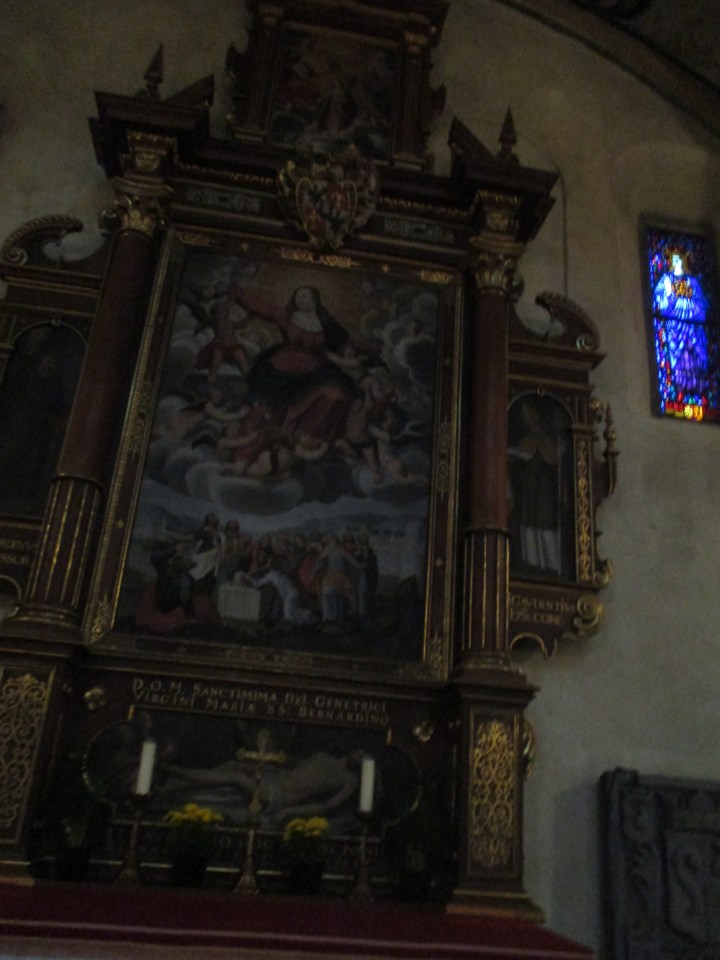
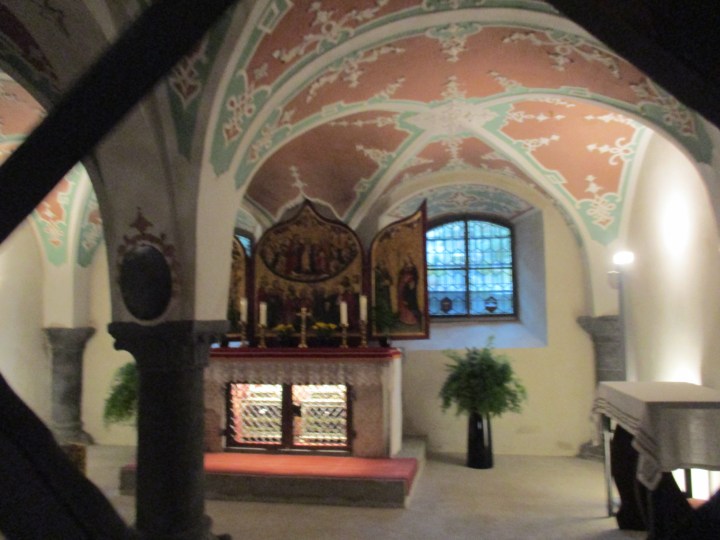
It was very dark inside the Cathedral so I apologise for the poor quality of the photos.

img_0913

img_0908

img_0911

We left the church and made our way back down the hill.

img_0923

img_0929

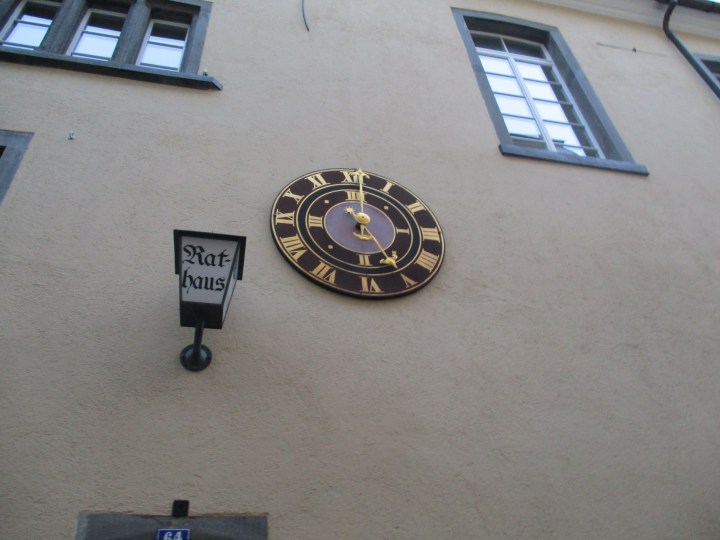
Below the Town Hall

img_0931

img_0934

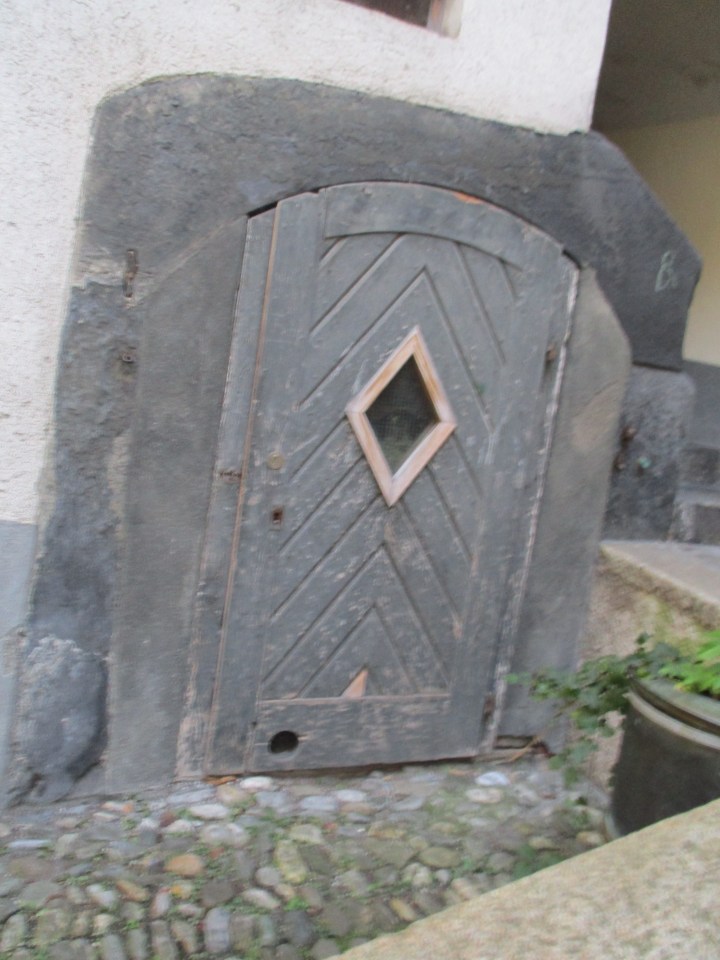
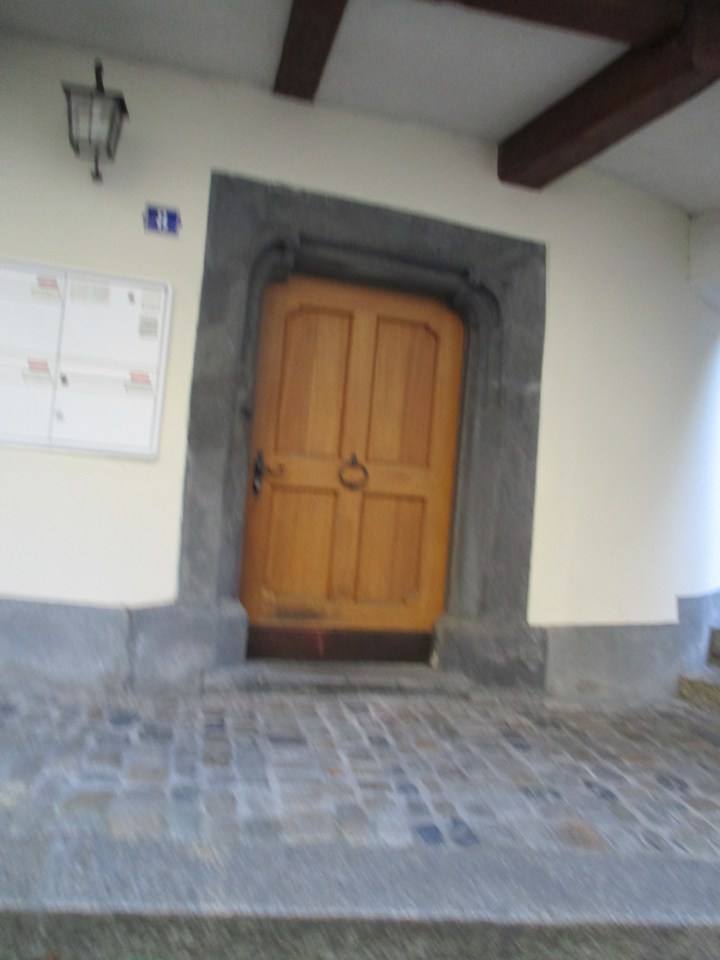
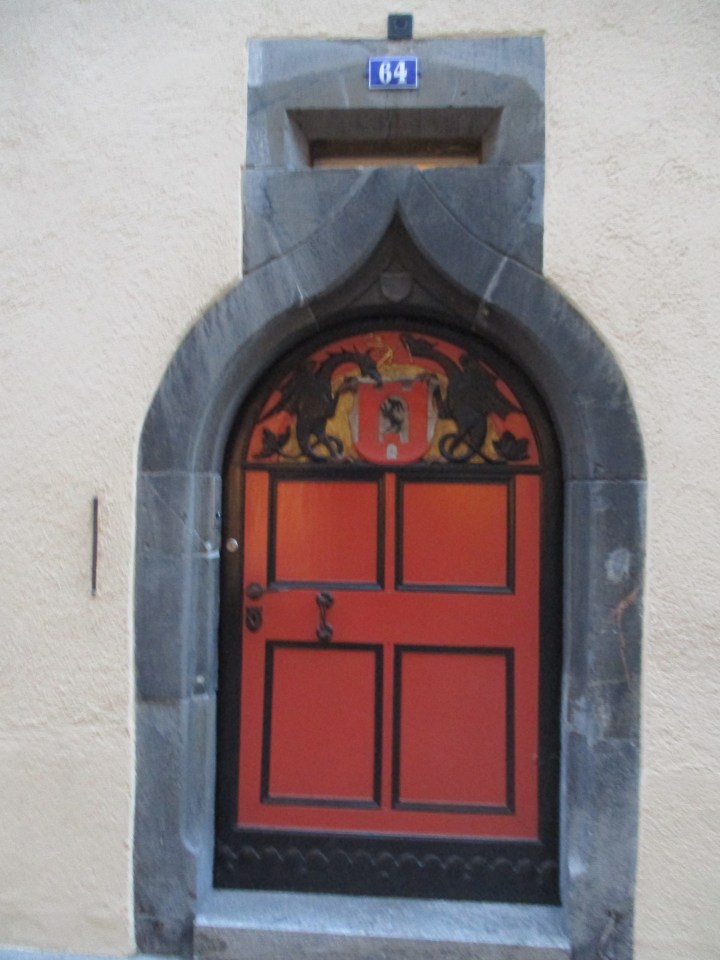
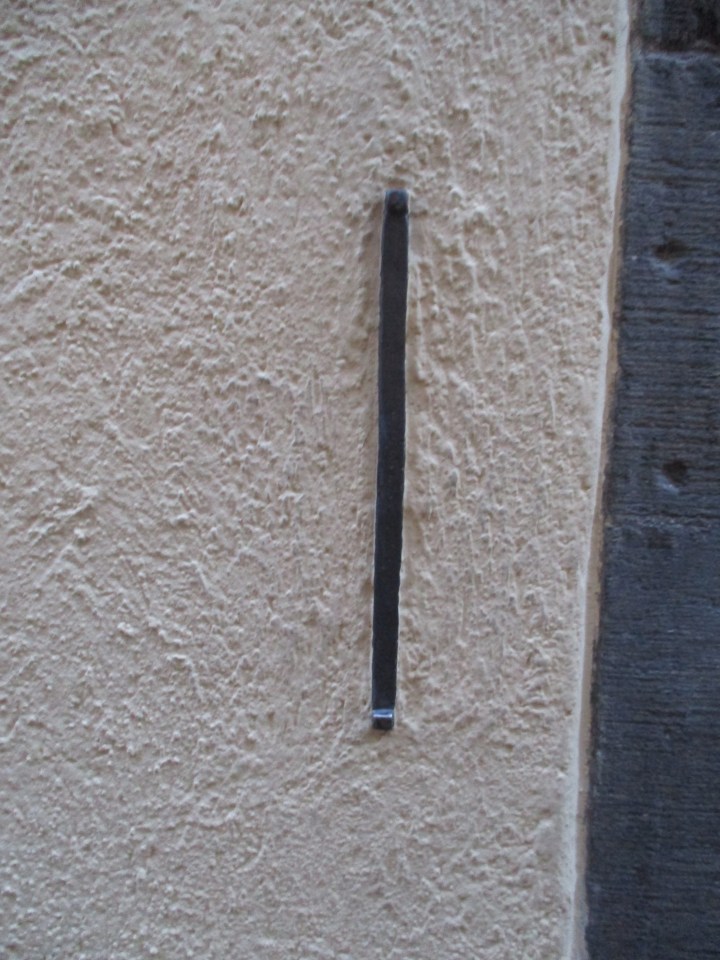
Below a beautiful door way and a measuring rod used for measuring fabric.

img_0932

img_0933

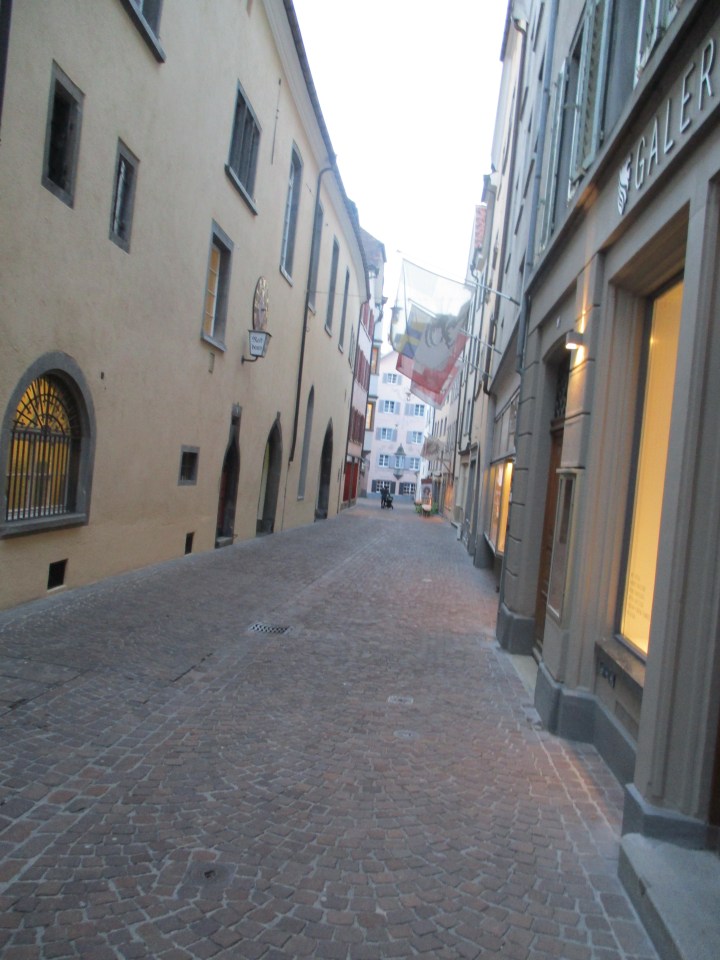
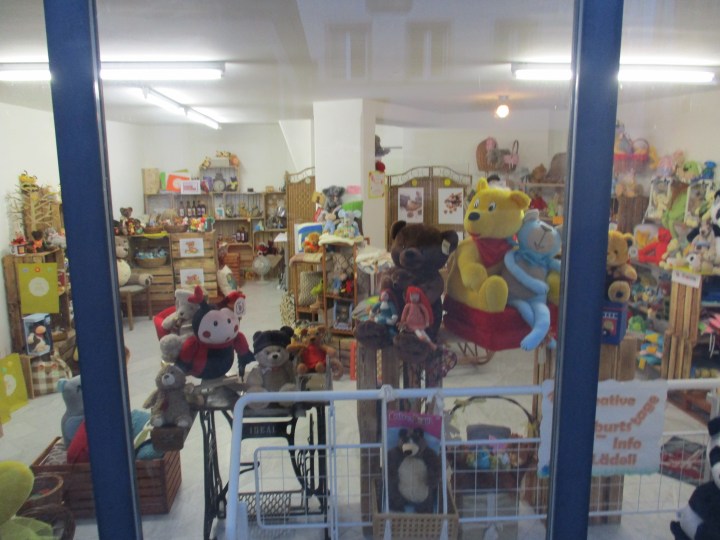
We walked through some more cobbled streets and looked at the shop windows.

img_0939

img_0936

img_0937

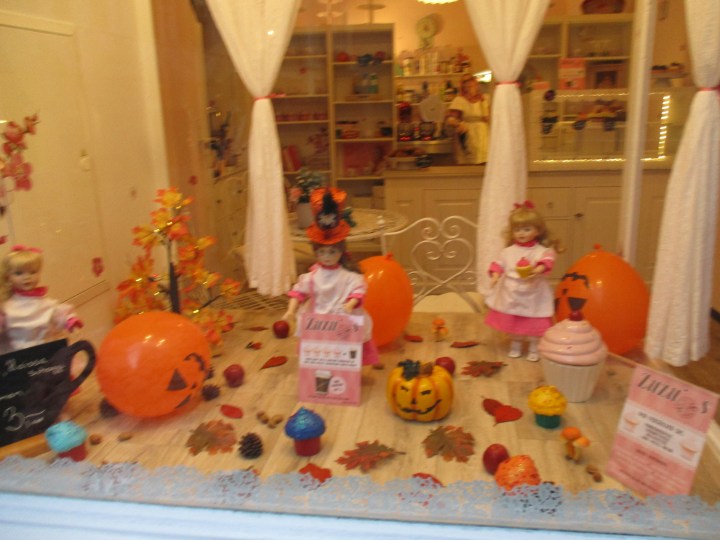
Cupcakes for Halloween

img_0943

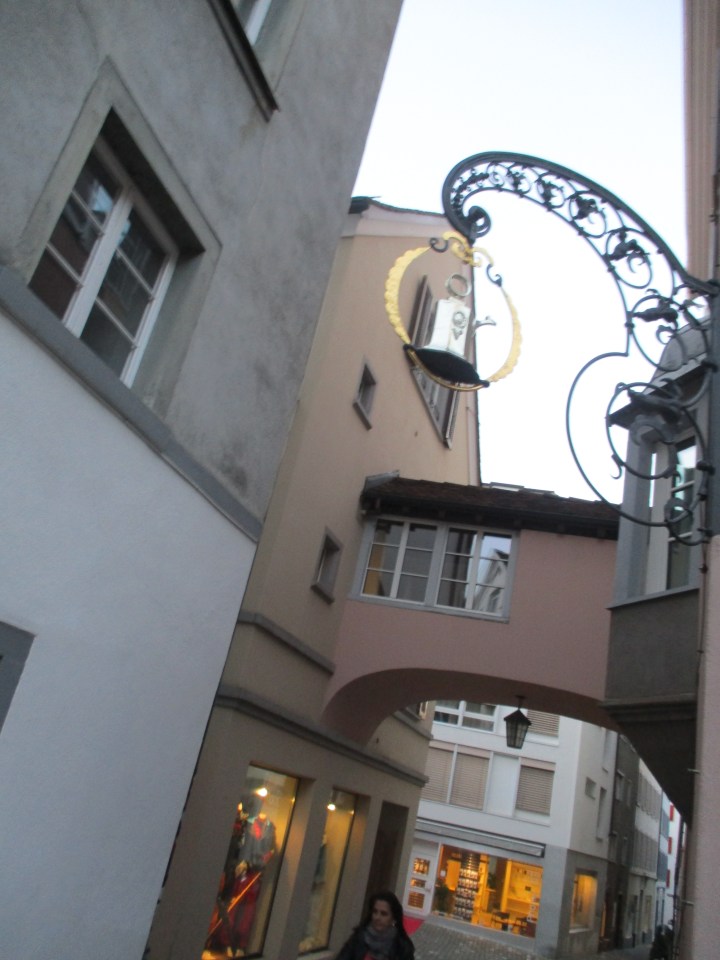
Above a Carafe for a wine shop

img_0940

img_0941

Below A shop window for the famous artist Giger

img_0938

H.R. Giger achieved world renown with his “creation” of the “Alien”.

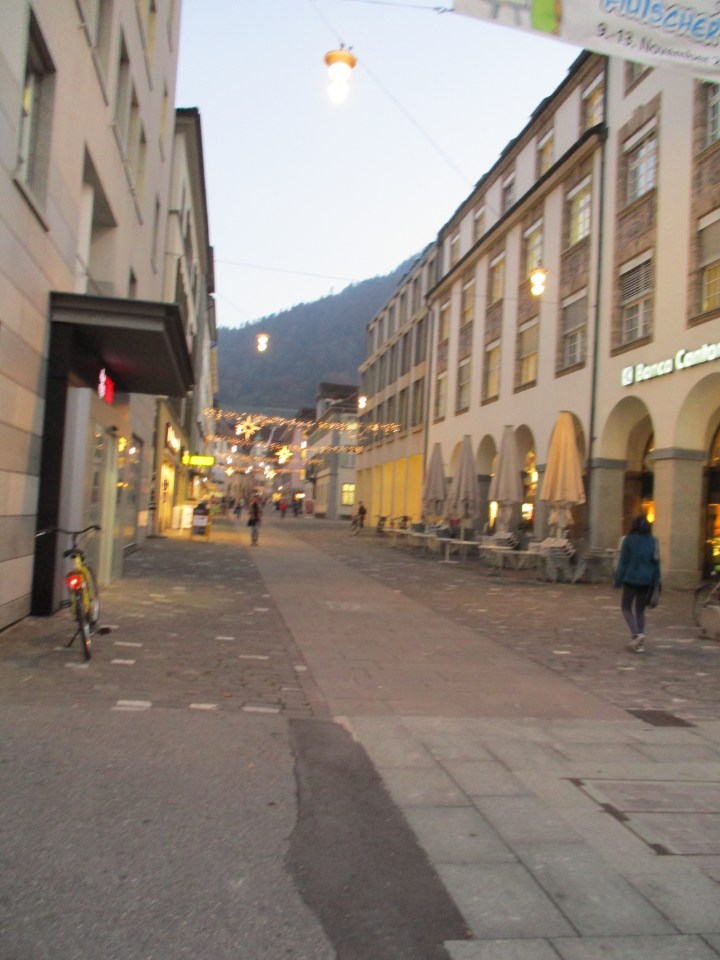
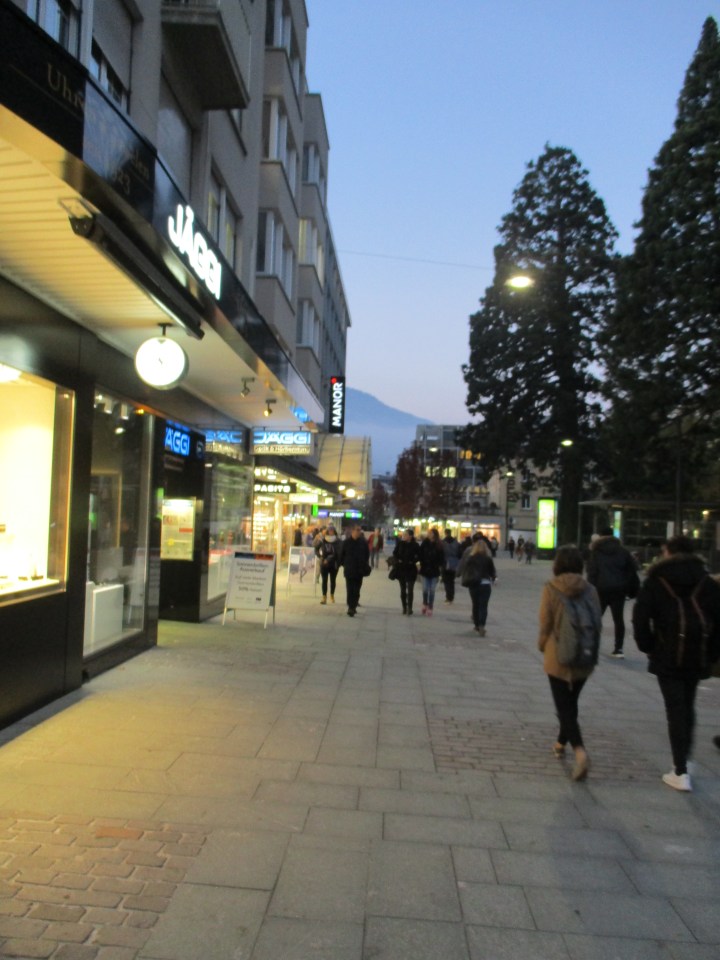
We walked down to the main town

img_0945

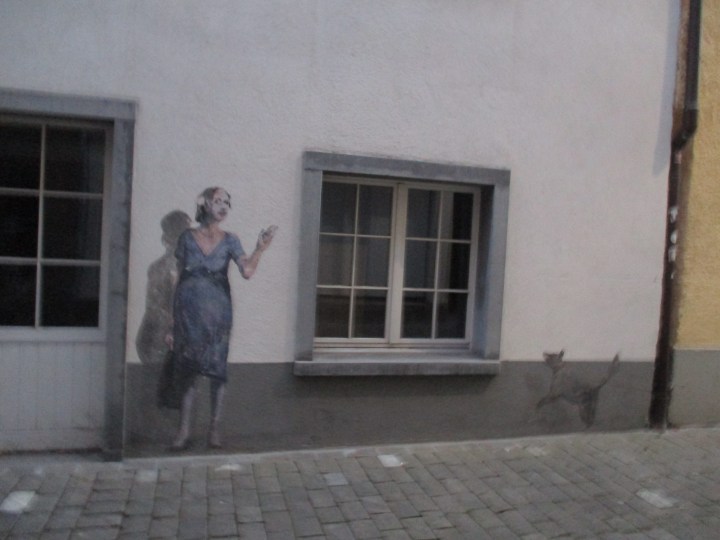
Passing some interesting art along the way

img_0947

img_0956

img_0949

Below:

The Swiss saying, “The post is here”, is underscored architecturally in Chur in a striking fashion. The post office building, designed by architects Jean Béguin and Theodor Gohl, was constructed between 1902 and 1904 and is the largest Neo-Renaissance edifice in the city. The fact that it also bears a resemblance to other post office buildings in Switzerland is no coincidence; at that time, the so-called “Federal Renaissance” was strongly promoted by the Swiss government. The imposing appearance of the building is further enhanced by the intricate decoration on the façades and the figures on the roof by Geneva artist James Vibert.

img_0954

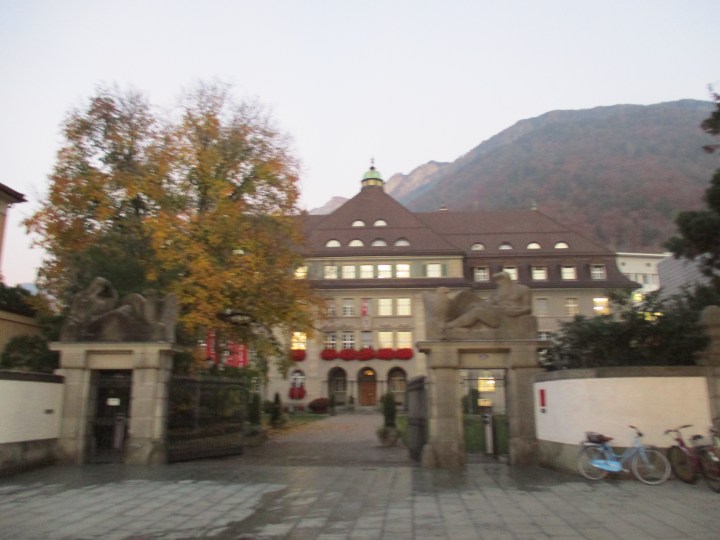
Below: Large and grey, yet friendly – that sums up the building constructed by St. Moritz architect Nicolaus Hartmann between 1907 und 1910. While its grey, starkly structured façades give the building a majestic appearance, thanks to its large forecourt it is not overpowering. The architecture is an expression of the so-called “Bündner Heimatstil”, a movement that took up and developed the traditional style of building of the region. The prestigious yet agreeable administration building is regarded as one of the movement’s most significant works.

img_0959

The light had begun to fade  and we made our way back to the station.

img_0958

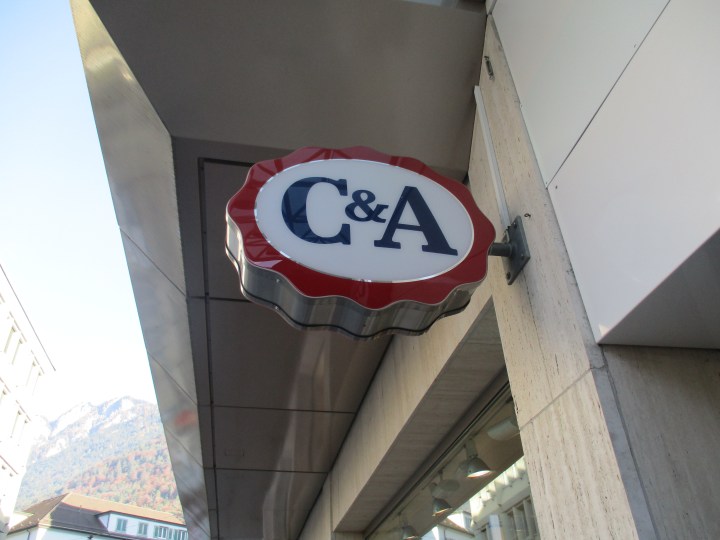
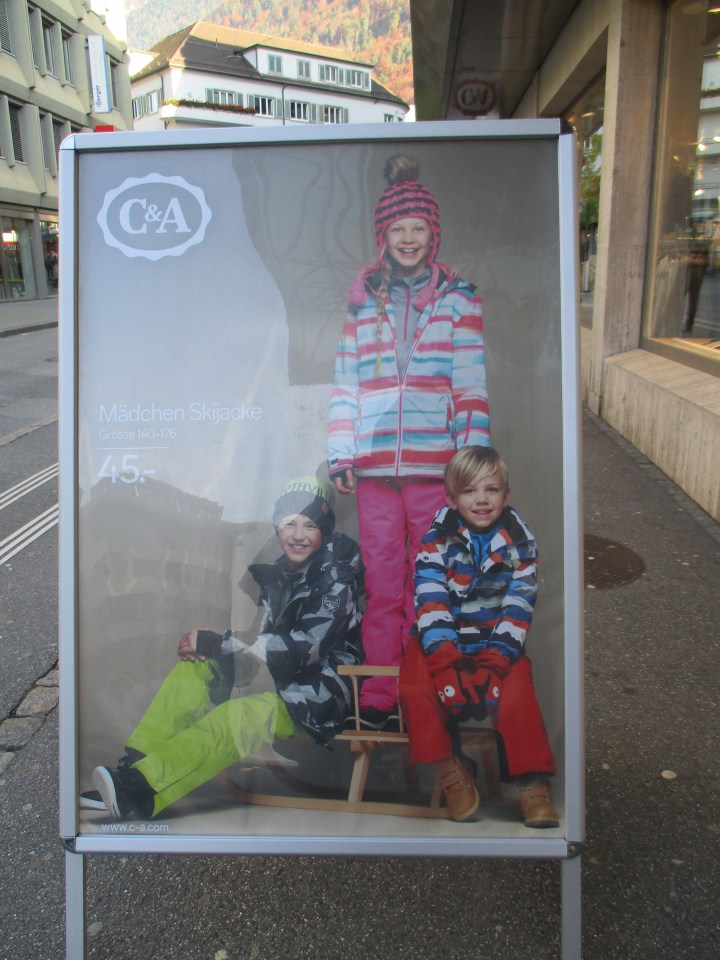
These last couple of photos I wanted to post because as a teenager the place to buy clothes for me was C  & A. In particular their Clock House range , which we no longer have in England, so I was very happy to visit the C & A store and experience the Clock House range once more.

img_0842

img_0843

Thanks for looking at this post.


img_1849


img_1670

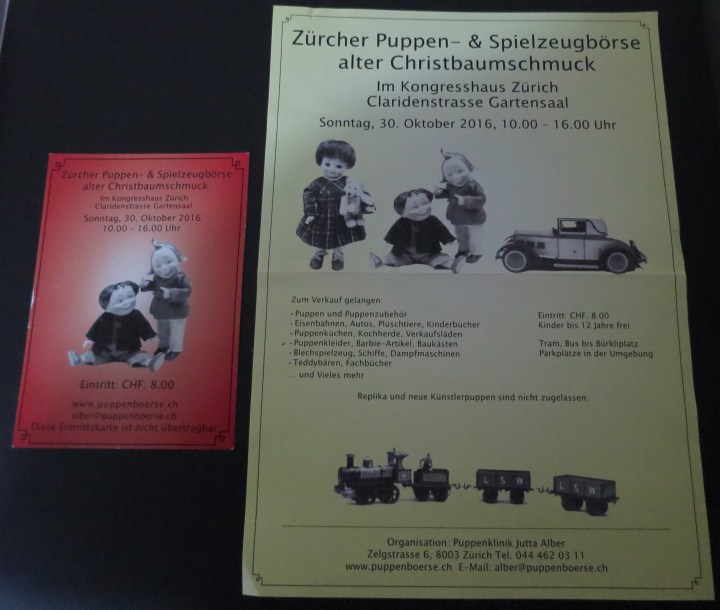
Brigitte and I boarded the Train to Zurich. It was great fun to travel on a double decker train. We made our way to the buffet car to have our breakfast on route to the Zurich  Toy Fair.

img_1623

img_1627

A wonderful start to the day with a tasty breakfast, while we relaxed  on the way to the Zurich toy fair.

img_1628


We arrives at Zurich train station and then travelled by tram to the Zurich Toy Fair.

img_1663

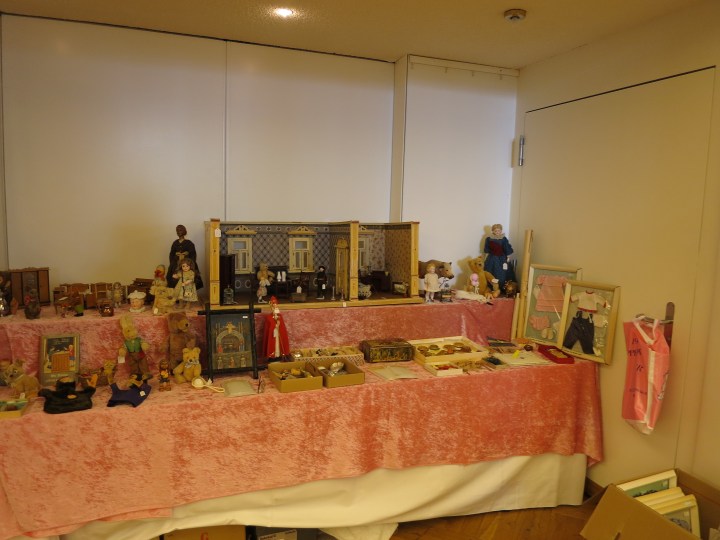
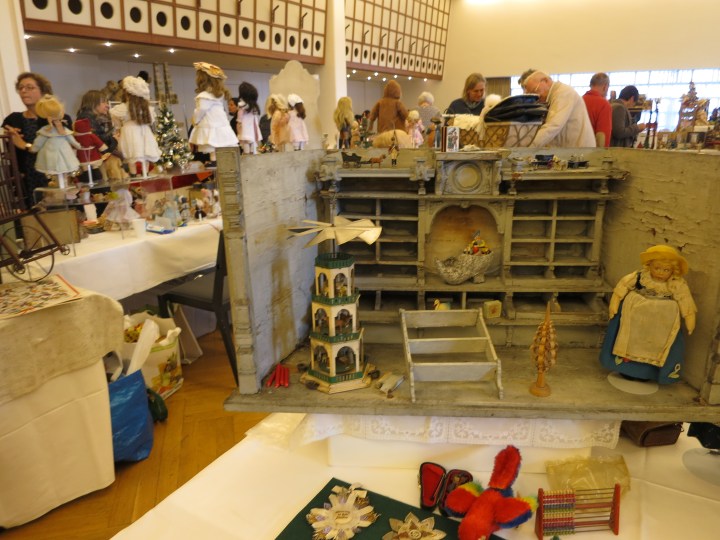
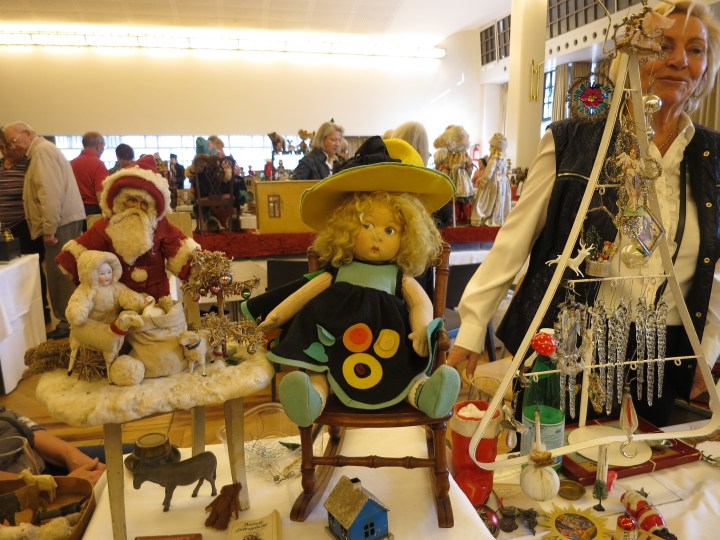
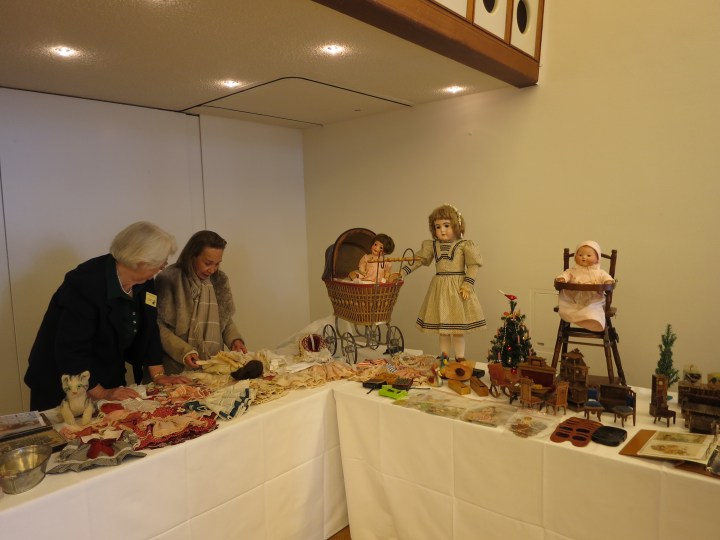
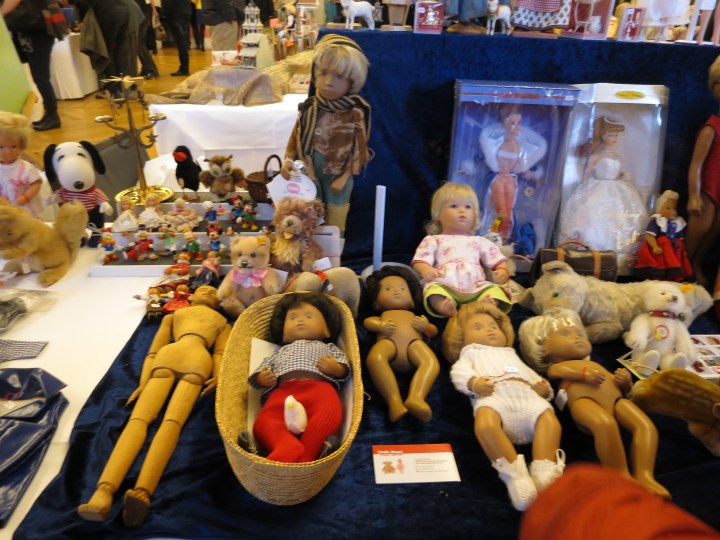
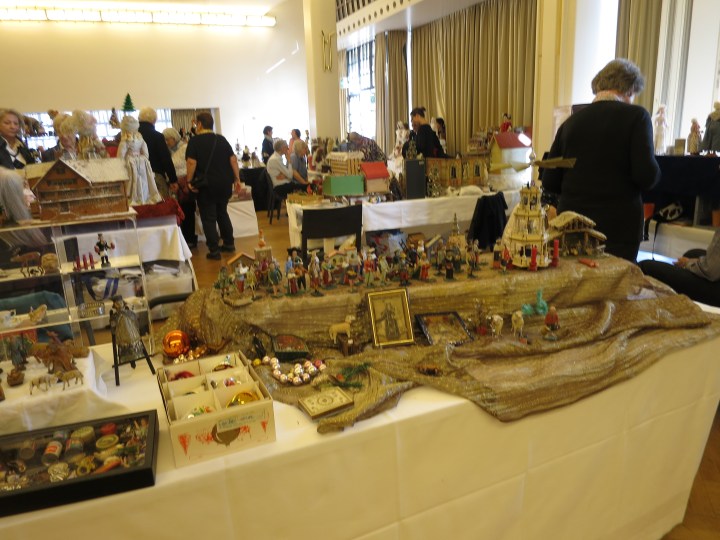
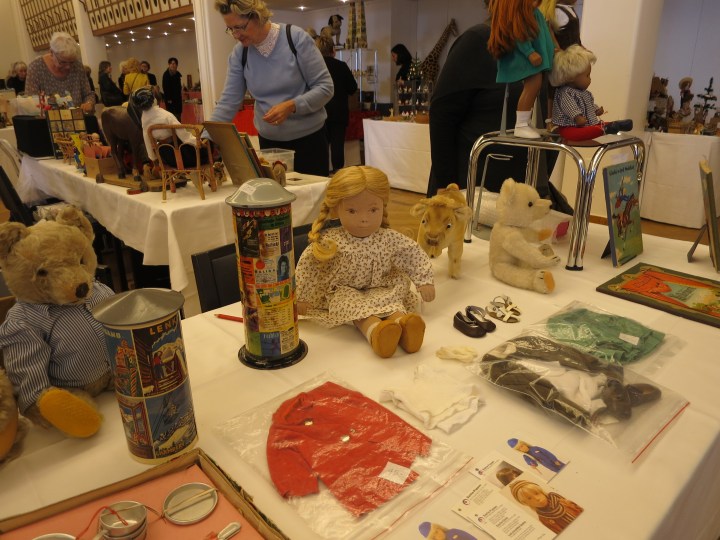
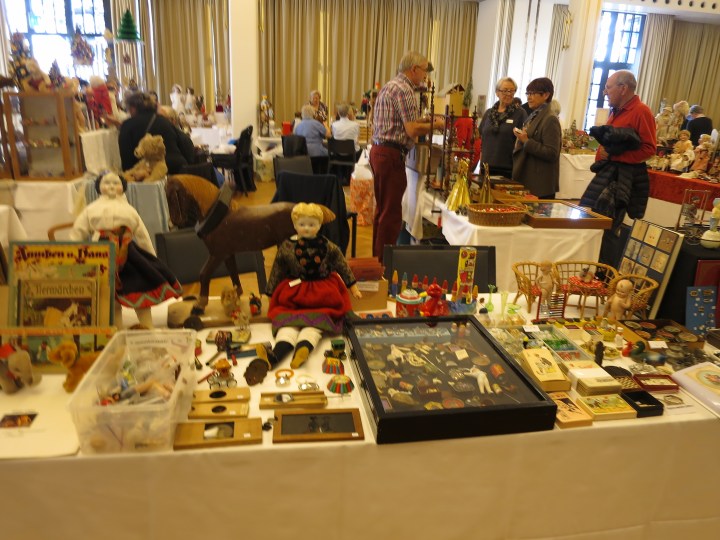
Once we arrived at the Toy Fair we waited patiently in a queue for the doors to open, into an Aladdin’s cave of toys. I am primarily a Sasha Doll lover so, I cannot tell what all the dolls are that were for sale so, I will let the photos do the talking.


img_1652

Some Sasha outfits for sale to the right of this photo.

img_1644

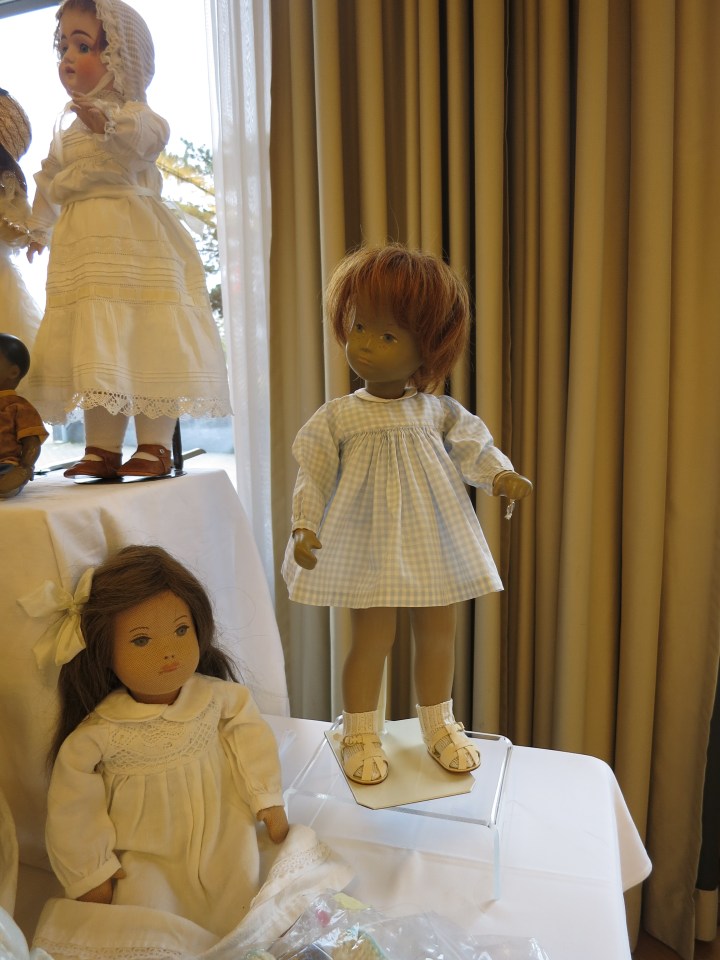
Above a course doll, 2 early Gotz sasha’s and a baby.
img_1651

img_1650

Above a beautiful Lenci doll

img_1648

img_1642

Above 2 more beautiful Gotz sasha’s

img_1649

img_1645

img_1633

Above a number of Sasha babies and a later Gotz boy.

img_1647

img_1643

img_1646

img_1636

img_1634

Above you can just see an early Gotz sasha.

img_1629

Above a gorgeous soft body studio doll in great condition.

img_1632

Another beautiful course doll

img_1631

Above this exquisite hard bodied studio doll really pulled at my heart strings, however the  little lady was bright green and I decided that as I will not have the funds for an abundance of Studio dolls, that my first one would not be green. The seller was asking £4000 for her and at the end of the day she had not sold.


After the Toy Fair had finished Brigitte and I met up with a few other doll lovers, for a cup of coffee and a chat,  which was great fun.

14907136_10211471843418351_1782135411445361963_n

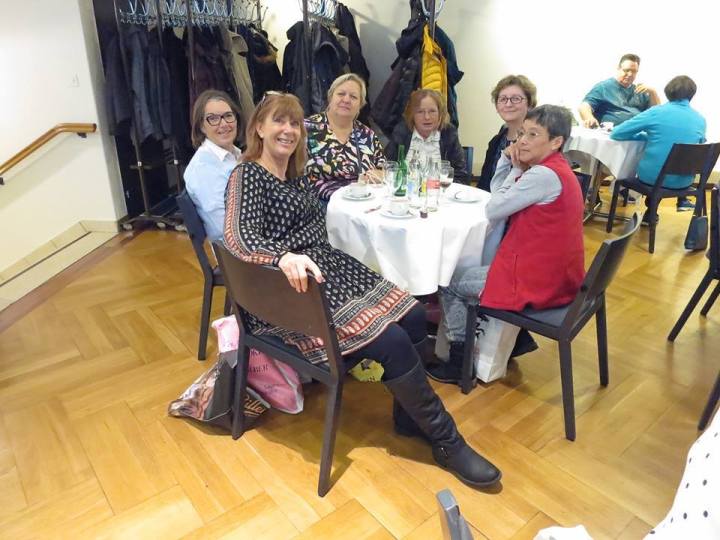
Above from left to right me, Brigitte, Dora, Gertrude, Renee and Thu cuc, we also met up with Madeline Foong, Laura Knüsli and Michael O’Brien.

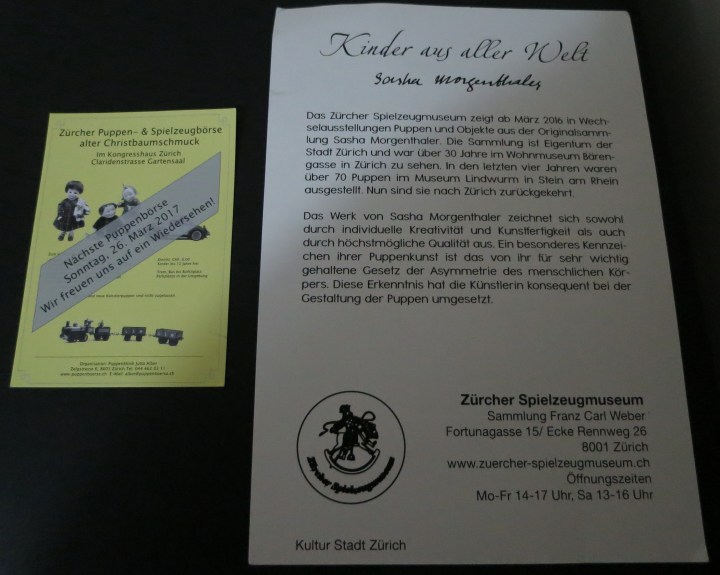
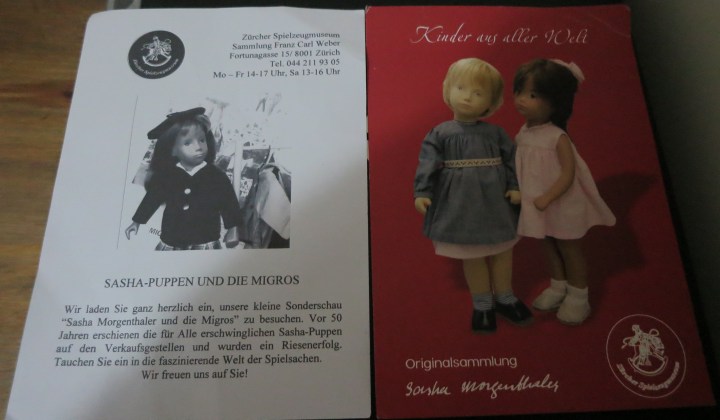
The pamphlets for next year were handed out.

img_1848

(Below is a rough translation  of the newsletter on the right)

The zurcher speilzeugmuseum shows from March 2016 in changing exhibitions dolls and objects from the original collection Sasha Morgenthaler. The collection is the property of the city of Zurich. In the last four years over 70 dolls were exhibited in the museum Lindwurm in Stein and Rhein. Now they have returned to Zurich. The work of Sasha Mogenthaler is characterized by individual creativity and craftsmanship as well as the highest possible quality. A special characteristic of her doll art is the law of the asymmetry of the human body, which she considers to be very important. The artist has consistently implemented this insight in the design of the dolls.

img_1847

(Below a rough translation of the newsletter on the left)

We invite you to visit our little special “Sasha Morgenthaler and Migros”. 50 years ago, the affordable Sasha dolls appeared on the sales stands and became a huge success. Immerse yourself in the fascinating world of toys. We look forward to  seeing you.

After  leaving the Toy Fair we walked through Zurich taking in some of scenery.

img_1655

img_1658

img_1656

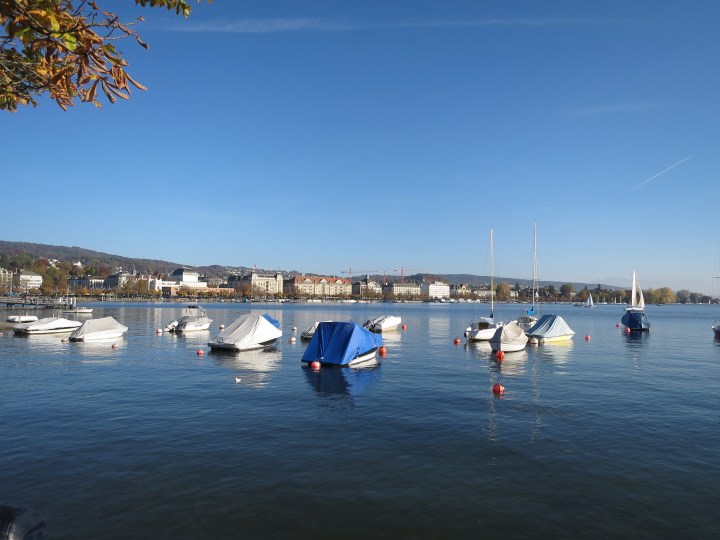
Above views of the Lake in Zurich

img_1661

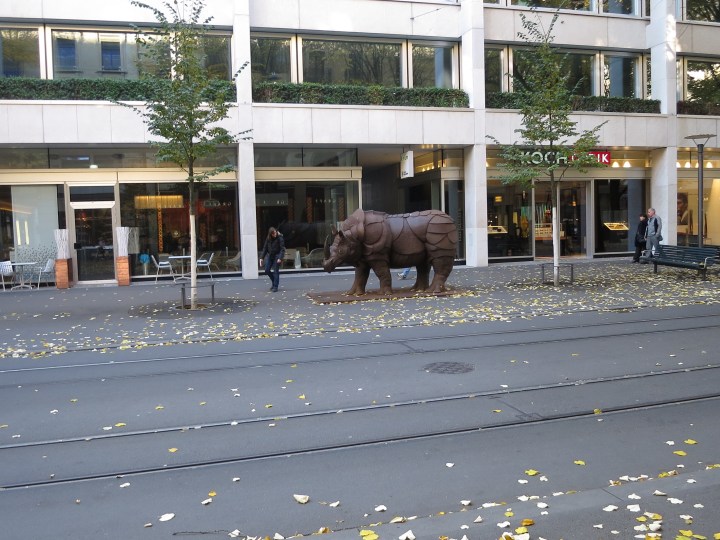
Above a street sculpture.

img_1660

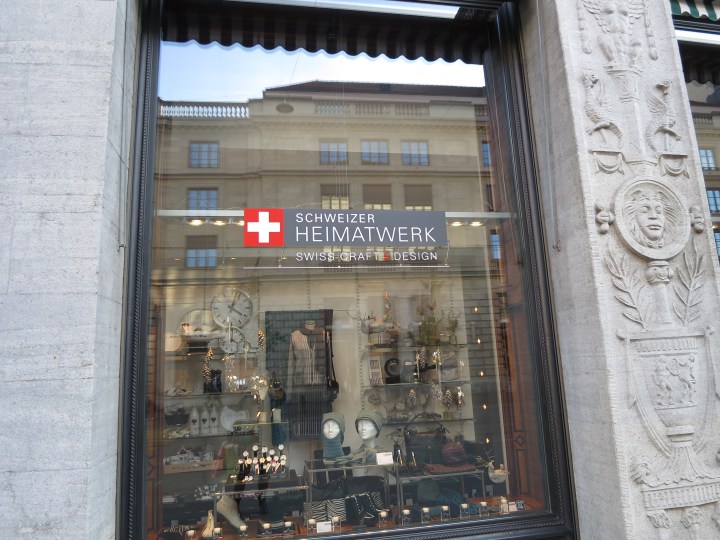
Above Heimatwerk the first place to sell Sasha Studio dolls

img_1666

img_1667

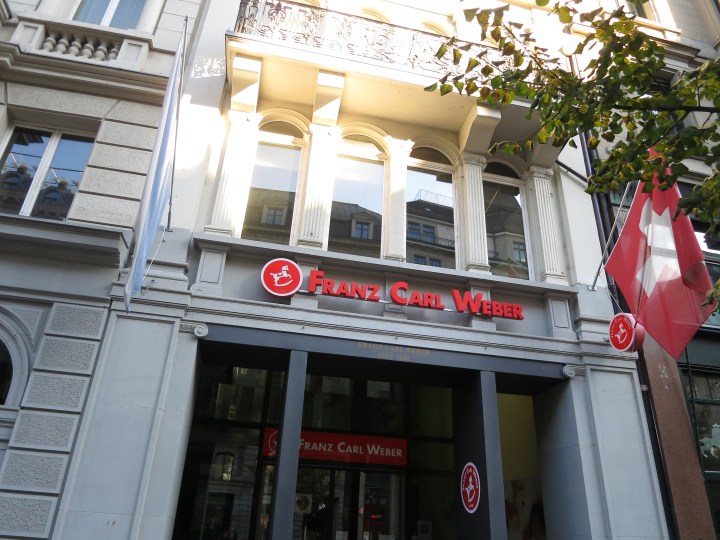
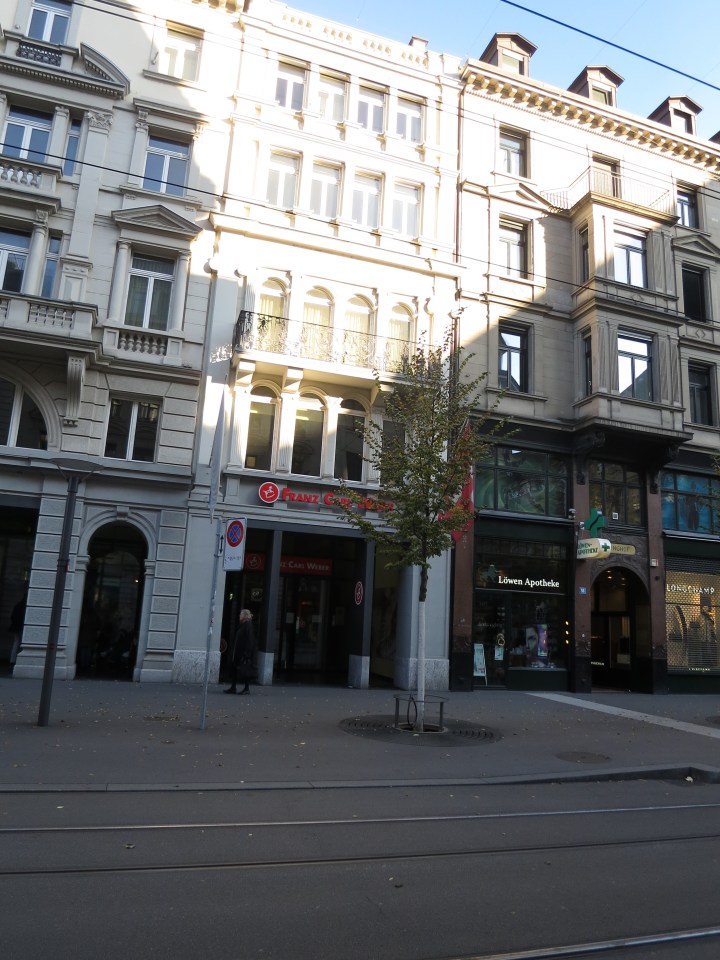
Above Franz carl Weber store where years ago Sasha  Gotz Serie dolls were sold.

img_1664

web_zurich_sightseeing_augustinerkirche_01_beat_sutter_8053_zurich

web_zurich_sightseeing_augustinerkirche_02

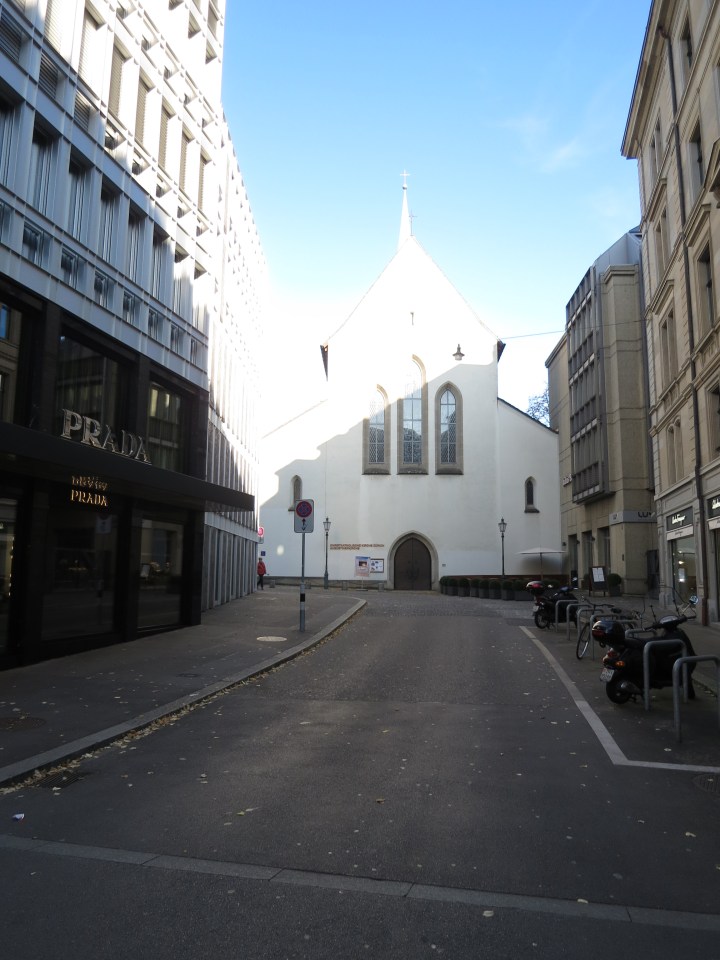
Above this church of the Hermits of St. Augustine was built in 1270 on Zurich’s western city walls. During the Reformation, the church was transformed into a coin workshop.  Zurich’s Catholic church reclaimed the building in 1841. When the community rejected the dogma of the First Vatican Council, it was excluded from the Catholic church and became known as a Christian Catholic community. The Augustinerkirche remained the local place of worship.

Renovation work undertaken in 1959 gave the church its current appearance. The simple choir area, crucifixion scene, block altar, baptismal font by Franz Fischer and stained glass by August Wanner are well worth a visit.

As the museum in Zurich was closed on Sunday I was unable to visit, so Brigitte and I made our way home to play with our purchases.

img_1785

img_1781

img_1783

I purchase this lovely early Gotz girl before I went to the toy fair. But I purchased her wonderful outfit from the toy fair, which is very well made and suits her very well.
img_1787

img_1788

img_1789

img_1793

img_1795

I purchased this lovely Unisex Gotz at the Toy fair. I was showing Michael O’Brien my purchases and he told me that the shirt this doll is wearing is very rare. in fact, he said that this is only the 2nd one he had ever seen. If anyone has Michael O’Brien’s book if you turn to the page with the red haired unisex doll in the school uniform you will see that it is wearing the same type of shirt. Normally this fabric was only used to make aprons from.
I also learnt something else that I would like to share with you. The term unisex that we use to describe these dolls may not be correct. Indeed the dolls have short hair so they can be either a girl or a boy. However, when  they were dressed originally they would have been dressed as a boy or a girl. Mine has fastenings  on the left so she would have been a girl.
img_1796

img_1797

img_1798

img_1799

img_1801

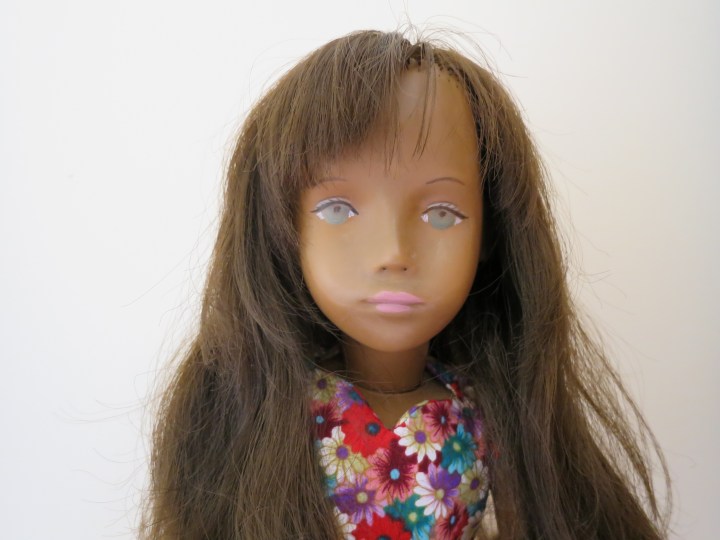
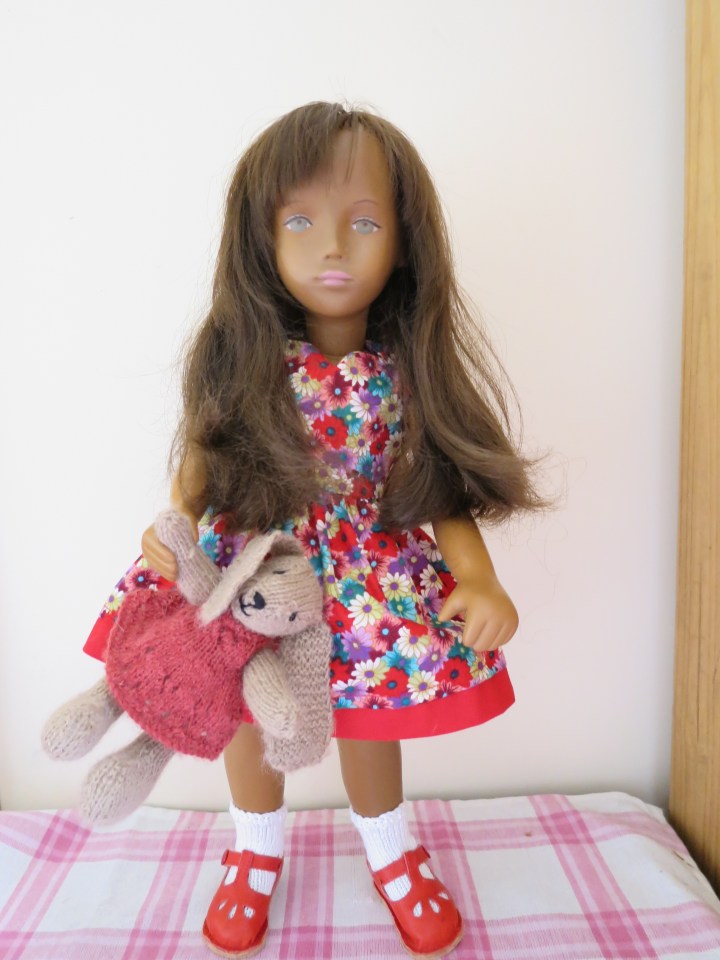
I just love this little lady which, I also purchased at the Toy fair. She is a saucer eyed early Gotz Sasha. She is unusual as she has a small head and most saucer eyed girls have big heads. she has long thick hair too.

img_1802

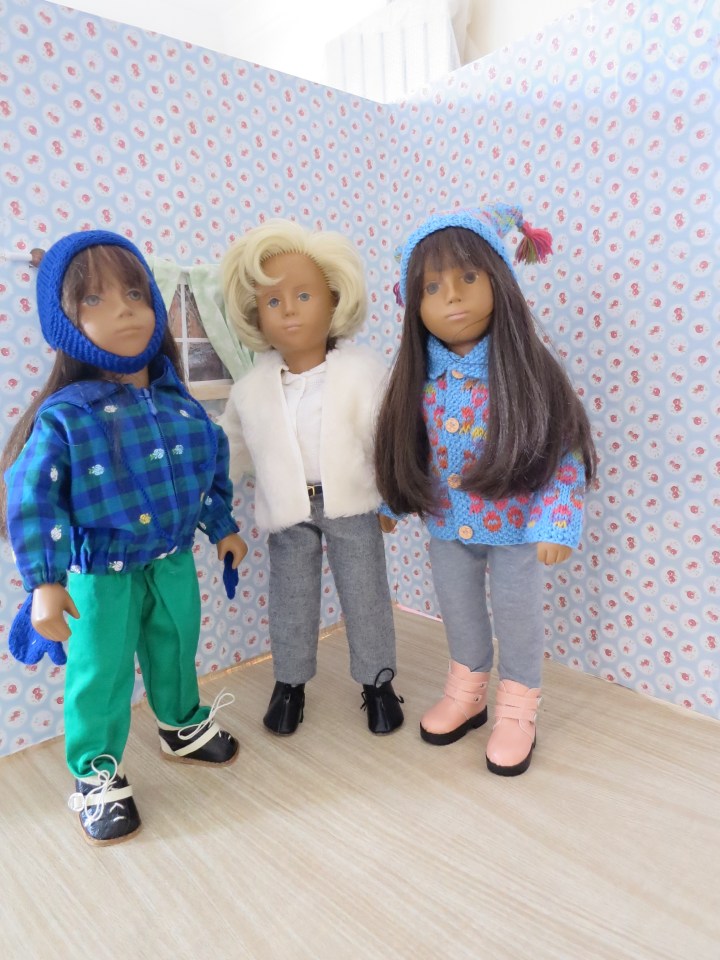
img_1804These 3 look ready for the winter.

img_1815

img_1811

I was also lucky enough to purchase a very minty Elke toddler complete with her original tube.

img_1809

img_1808

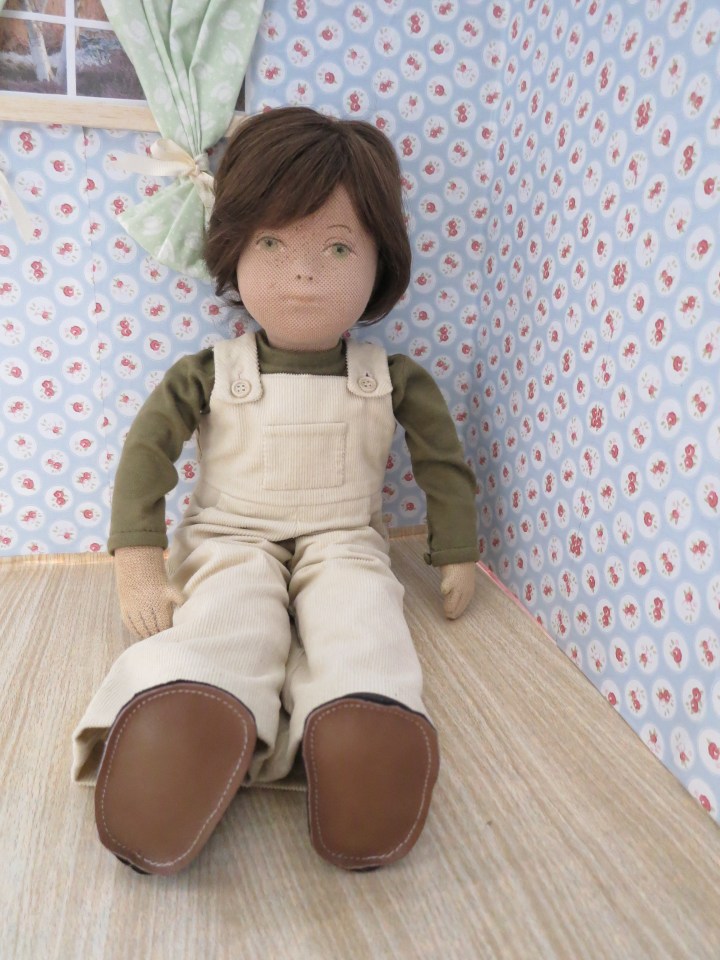
I also purchased this handsome young man who I have decided to call Peter.

I had a fantastic time at the Toy Fair and will be posting a story about my studio doll Inge soon.